Patagonian Mara
The Patagonian Mara resembles a mix between a rabbit and a small deer and is an essential part of Argentina’s wildlife. It can often be spotted in the country’s expansive grasslands and semi-desert…
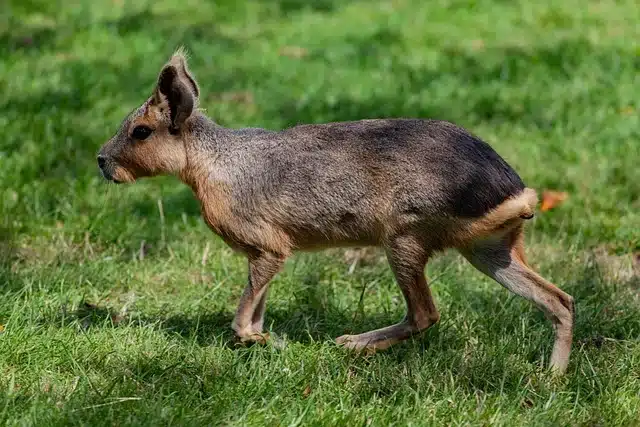
The Patagonian Mara resembles a mix between a rabbit and a small deer and is an essential part of Argentina’s wildlife. It can often be spotted in the country’s expansive grasslands and semi-desert landscapes, especially in the Patagonian steppe. One of the best places to observe this fascinating animal is Peninsula Valdés, where visitors can also encounter many other remarkable species.
Features and Characteristics of the Patagonian Mara
The Patagonian Mara, scientifically known as Dolichotis patagonum, is a large rodent native to Argentina. Despite its rabbit-like appearance, it is closely related to the guinea pig family. Here are some of the remarkable characteristics that make this animal stand out:
- Size and Appearance: Adult maras can grow up to 70–80 cm in length and weigh between 8 and 16 kg. They have long, powerful hind legs and shorter forelegs, giving them a distinctive bounding gait somewhat similar to that of a kangaroo. Their large eyes and long ears give them a unique and endearing appearance.
- Social Structure: Patagonian Maras are known for their strong social bonds and usually live in pairs, often forming lifelong relationships. Although they are monogamous, several pairs may live near one another, creating small colonies during the breeding season.
- Diet and Behavior: These animals are herbivores that primarily feed on grasses and low shrubs abundant throughout the Patagonian steppe. They are highly adapted to arid environments and obtain most of their hydration from the plants they consume. Maras are crepuscular, meaning they are most active at dawn and dusk, avoiding the hottest hours of the day.
Where to Find the Patagonian Mara in Patagonia
Patagonian Maras are found throughout Patagonia’s grasslands and shrublands, particularly in the provinces of Chubut and Santa Cruz. They are commonly spotted in open plains, where they can use their impressive speed — reaching up to 45 km/h — to escape predators. These wide-open landscapes also provide excellent visibility for travelers hoping to observe them.
One of the best places to see the Patagonian Mara is Peninsula Valdés, a UNESCO World Heritage Site in Chubut Province. This region is famous not only for its exceptional marine wildlife but also for its abundance of terrestrial animals, including the Patagonian Mara.
When visiting the peninsula, keep an eye out along roads and open areas, especially during the early morning or late afternoon, when maras are most active.
Another excellent location for spotting them is Parque Patagonia Argentina, near the Cave of Hands. In this remote Patagonian landscape, maras coexist with other native desert species, such as the Chinchillón Anaranjado.
When to Visit Peninsula Valdés for Wildlife Spotting
Peninsula Valdés is a fantastic destination for wildlife viewing throughout the year, although the best time to visit depends on the species you hope to encounter.
Patagonian Maras can be observed year-round, but travelers visiting between September and December have a greater chance of spotting young maras alongside their parents, as this is the primary breeding season.
In addition to the Patagonian Mara, Peninsula Valdés is home to a wide variety of extraordinary wildlife, particularly marine species:
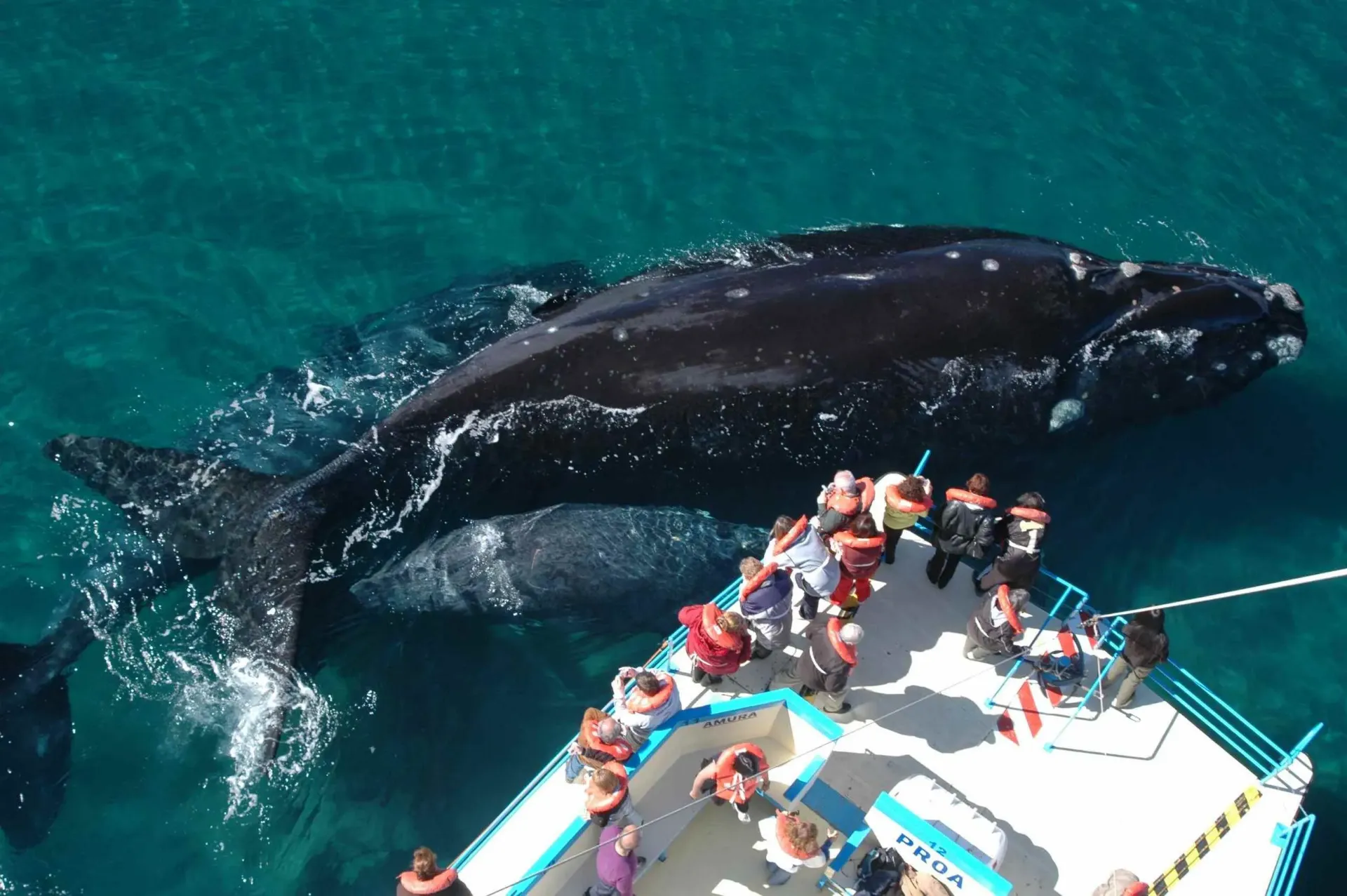
- Southern Right Whales: Between June and late November, Southern Right Whales gather off the coast to mate and give birth, making Peninsula Valdés one of the world’s premier whale-watching destinations. If you visit between June and early October, don’t miss El Doradillo Beach.
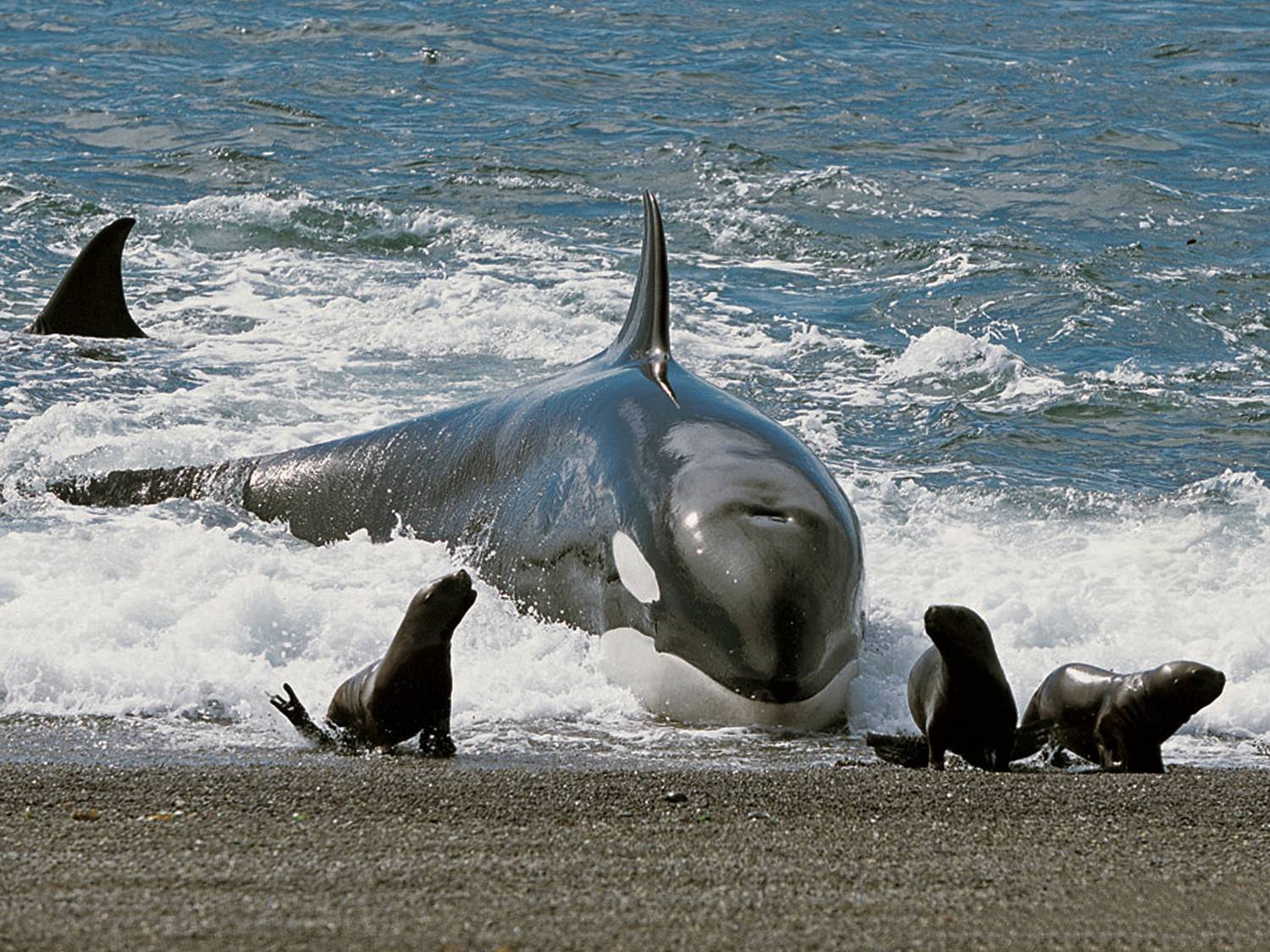
- Orcas: Famous for their unique hunting technique of intentionally beaching themselves to catch sea lions, Orcas in Patagonia are frequently sighted near Punta Norte.
- Elephant Seals and Sea Lions: Colonies of Southern Elephant Seals and sea lions inhabit the beaches of Peninsula Valdés, particularly between August and March.
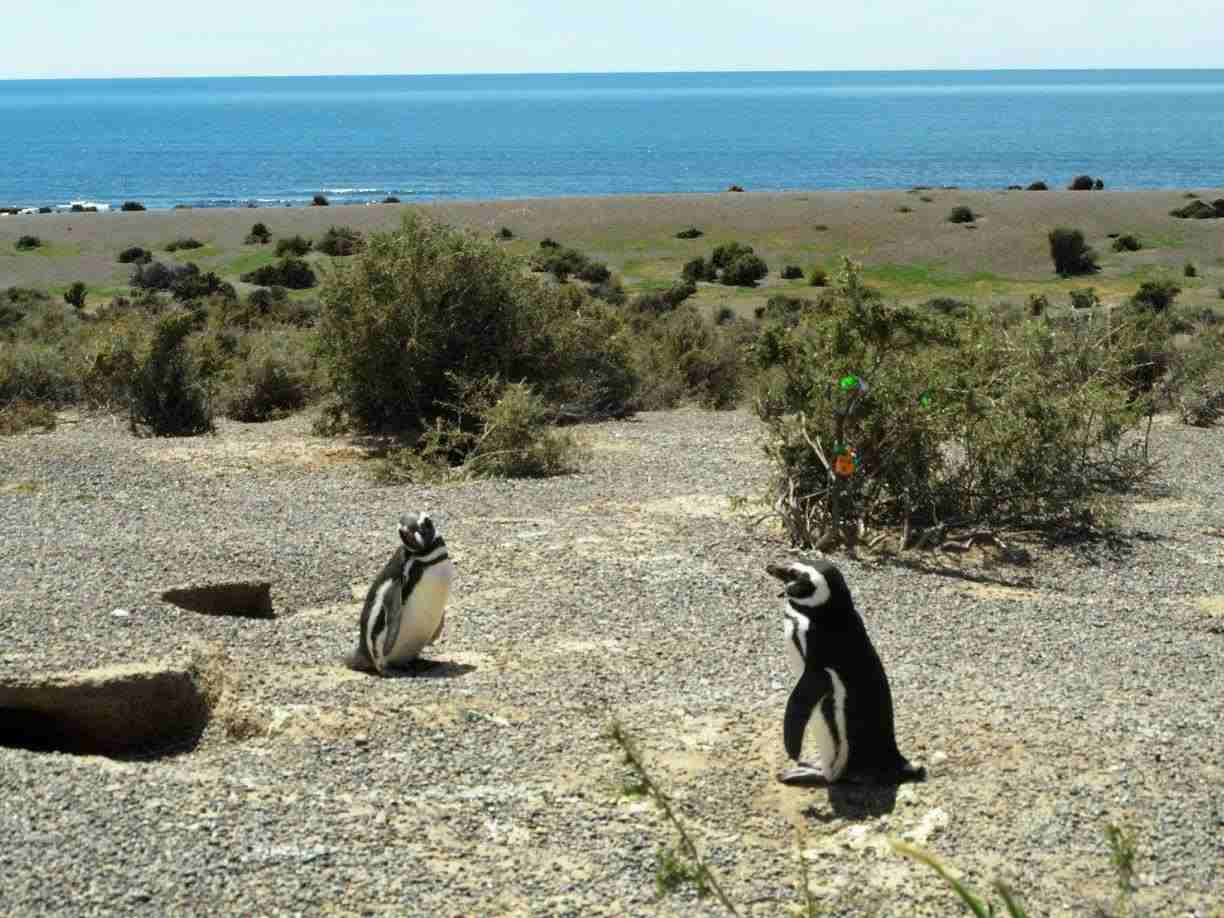
- Magellanic Penguins: Penguins in Patagonia begin arriving in September and October, with breeding season peaking in November, providing excellent opportunities for close observation.
Exploring Patagonia’s Wildlife with a Custom Tour
For travelers interested in experiencing the Patagonian Mara and Patagonia’s remarkable biodiversity, a custom-designed journey is the ideal way to make the most of the region.
Patagonia’s vast landscapes offer unforgettable wildlife encounters, from the open plains where maras roam freely to the Atlantic coastlines filled with marine life.
Beyond BA Latam specializes in personalized Patagonia experiences, allowing travelers to explore both iconic destinations and lesser-known areas rich in wildlife. From guided tours in Peninsula Valdés to remote Patagonian adventures, our itineraries are designed to immerse visitors in the natural beauty of Argentina.
In addition to wildlife experiences, we also offer luxury travel, hiking, cruises, and self-drive adventures throughout Patagonia, including the following travel ideas:
Let's plan your personalized experience
Beyond BA Latam is a local travel agency based in Argentina that designs personalized tours in Argentina, Chile and Antarctica. We are very proud to work with a knowledgeable team capable to design trips based on your interests and traveling style. We are able to bring you a different and more enjoyable experience.
Related Articles
 Peninsula Valdes
Peninsula Valdés, located on the Patagonian Atlantic coast of Argentina in Chubut Province, is a natural sanctuary renowned for its diverse wildlife and breathtaking landscapes. This UNESCO World…
 Patagonian Desert (Steppe)
The Patagonian Desert, also known as the Patagonian steppe, is located mostly in southern Argentina, with a smaller portion extending into Chile. This vast and arid region is characterized by rugged…
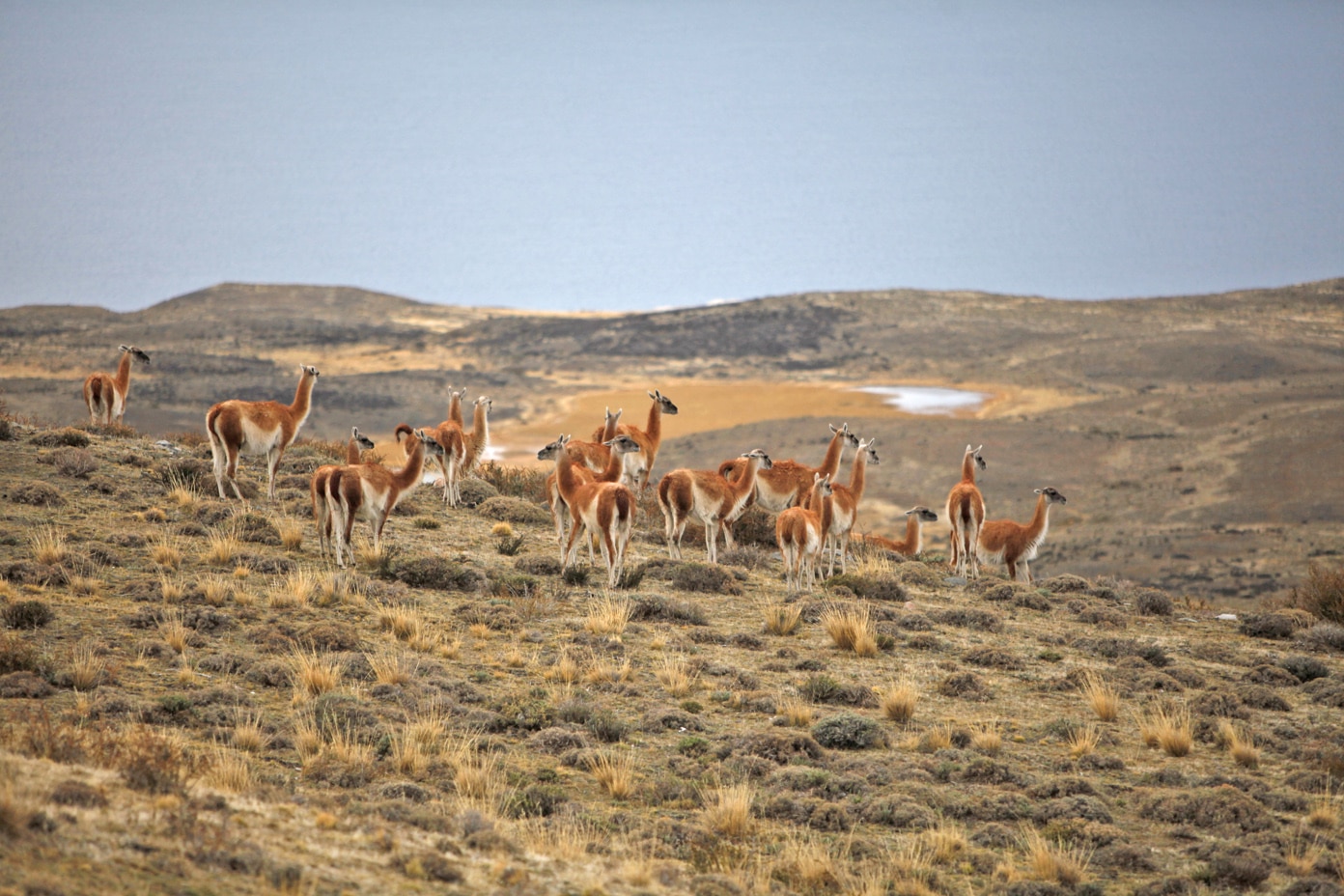 Guanaco Facts
The Guanaco (Lama guanicoe) is a native South American animal. It is closely related to vicuñas, alpacas, and llamas, all of which belong to a group called "lamoids." Guanacos have a long neck, long…
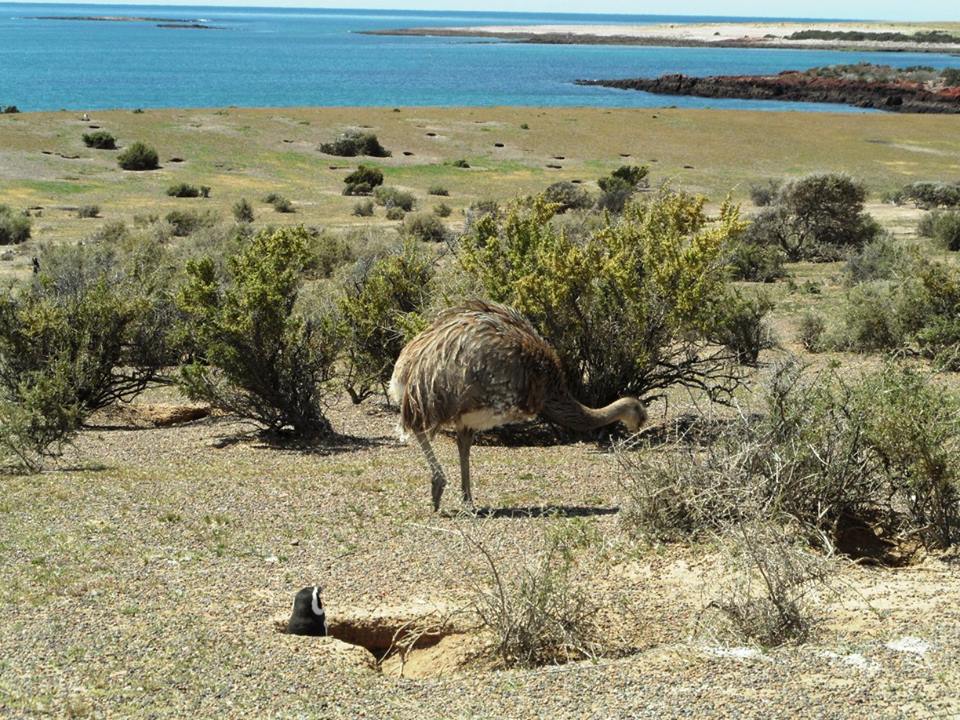 Choique (Rhea) Facts
Also known as Darwin’s rhea or Rhea pennata, the Choique is a large flightless bird native to South America. This fascinating species is often referred to as a ñandú or even a “South American ostrich”…
- Pichi Armadillo
The Pichi Armadillo, also known as the Patagonian armadillo, Zaedyus pichiy, piche, or dwarf armadillo, is a unique and fascinating animal native to southern South America. With its distinctive…
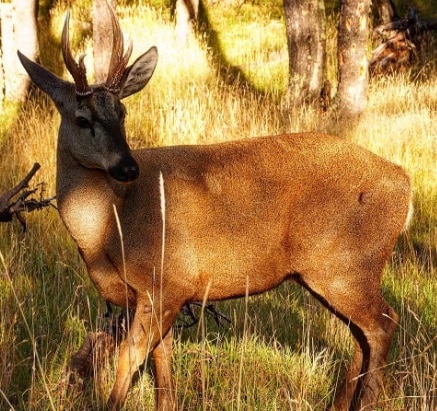 Mammals of Patagonia
Beyond Patagonia’s famous residents such as whales, penguins, and pumas, there is an extraordinary world filled with diverse wildlife. Across the untamed landscapes of Argentina and Chile, visitors…
Inspiring Tours
 Argentina and Chile Culture: Discover Art, Architecture & Heritage
Buenos Aires, Purmamarca, Salta, Mendoza and Santiago de Chile
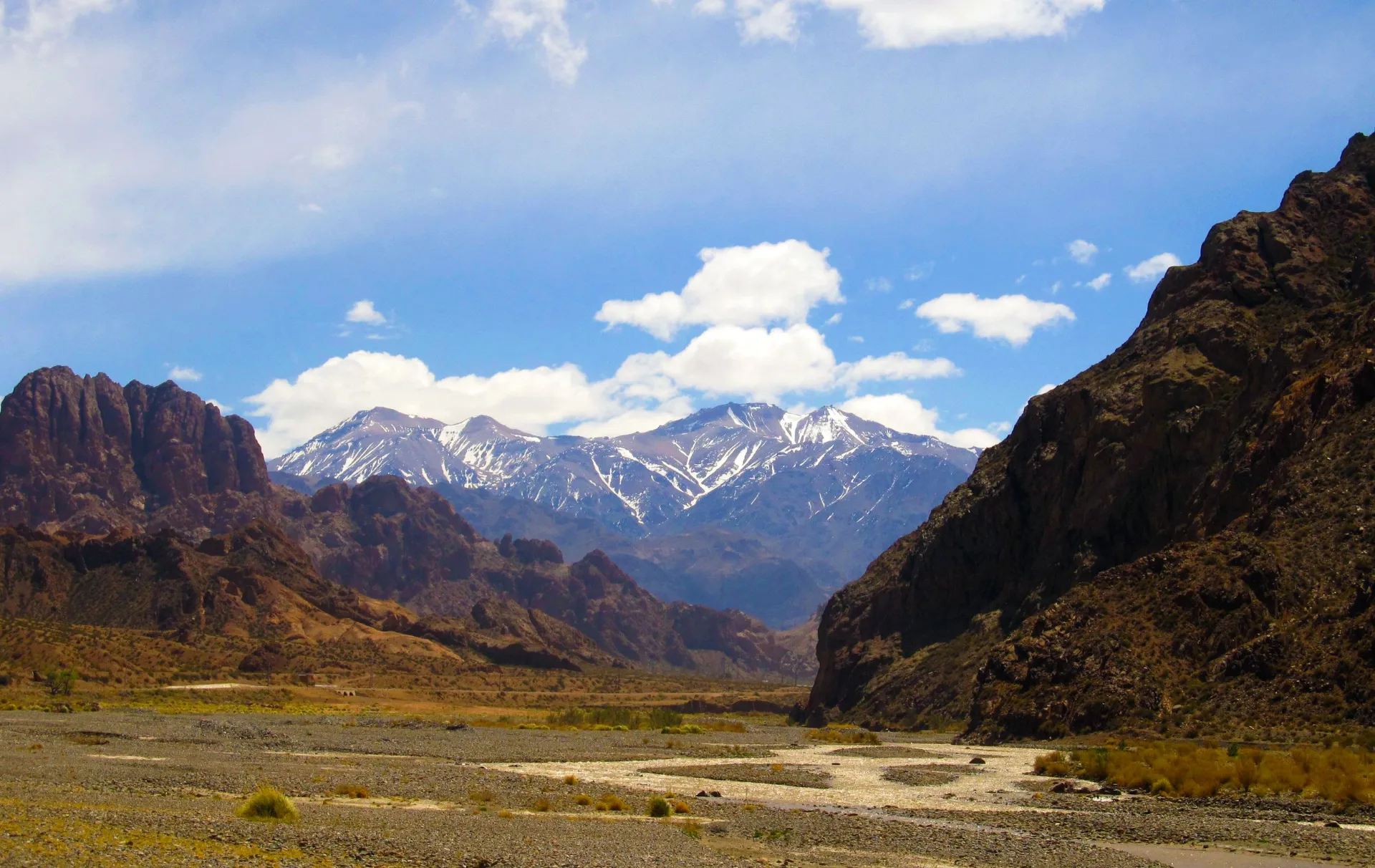 Mendoza Luxury Holiday & Hiking in Aconcagua Park
Buenos Aires - Bariloche - Mendoza
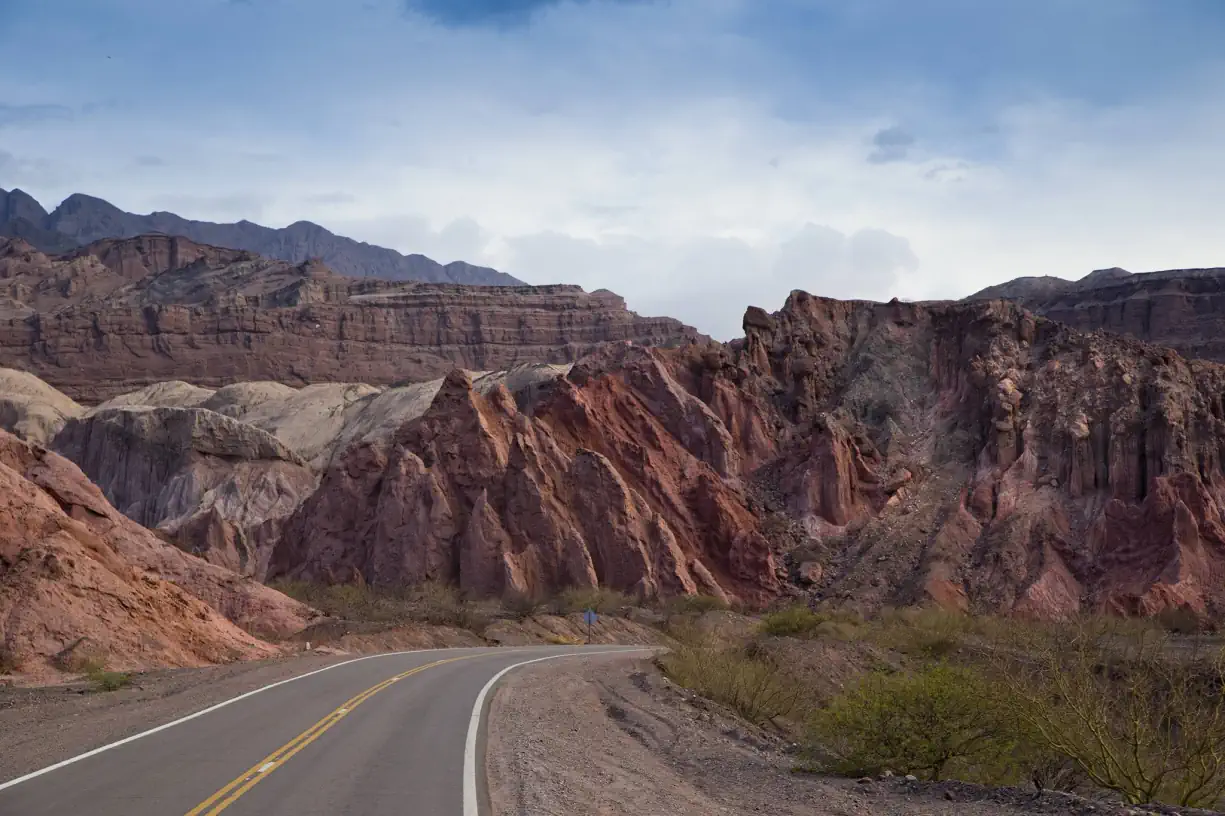 Jujuy & Salta - Hiking & Comfort
Salta - Jujuy
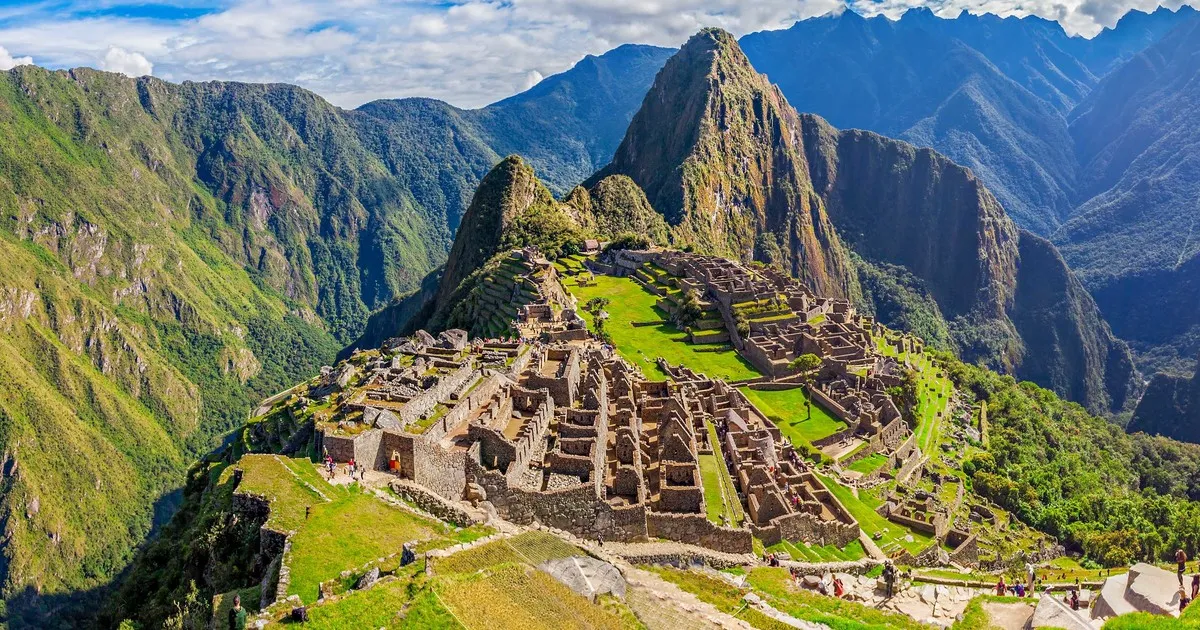 Trek South America's Highlights
Cusco, Santiago de Chile, Puerto Natales, El Calafate, El Chaltén y Buenos Aires
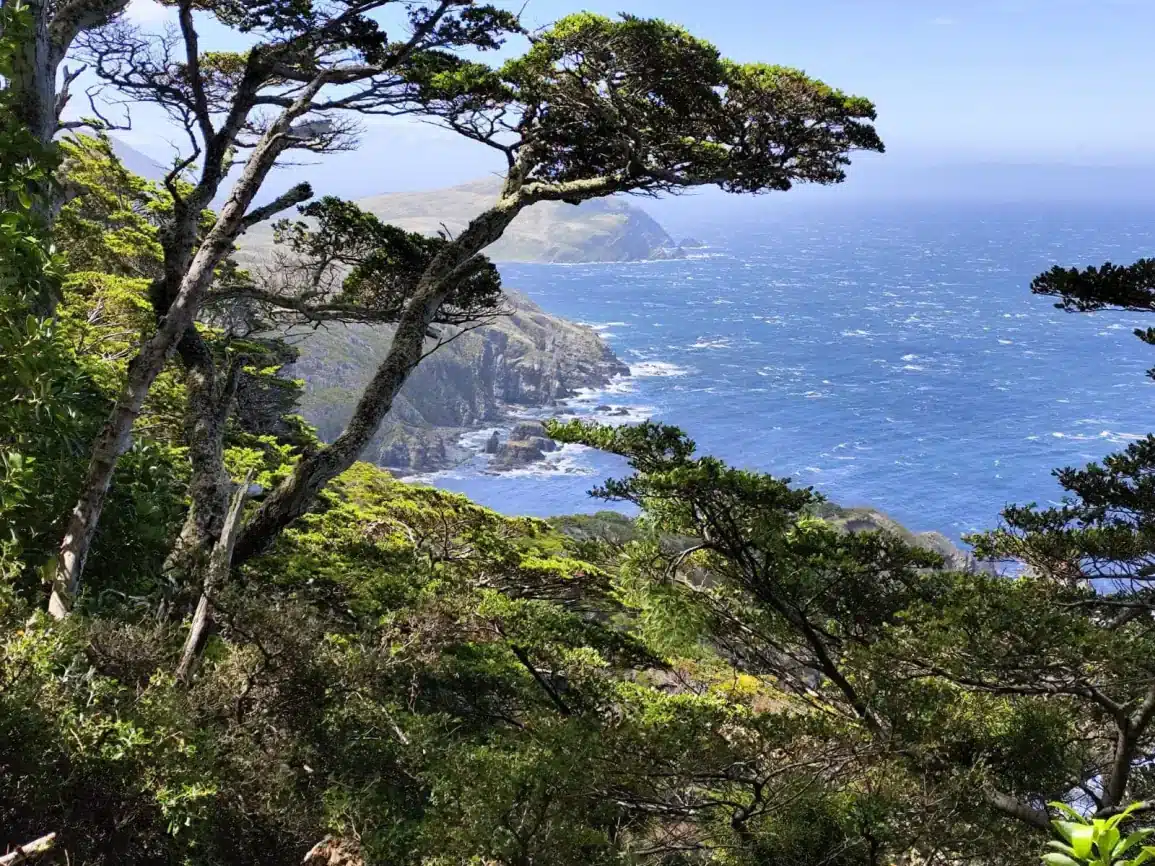 Tierra del Fuego Hiking Tour
Tierra del Fuego, Ushuaia, Tierra del Fuego National Park, Beagle Channel, Lake Fagnano & Mitre Peninsula
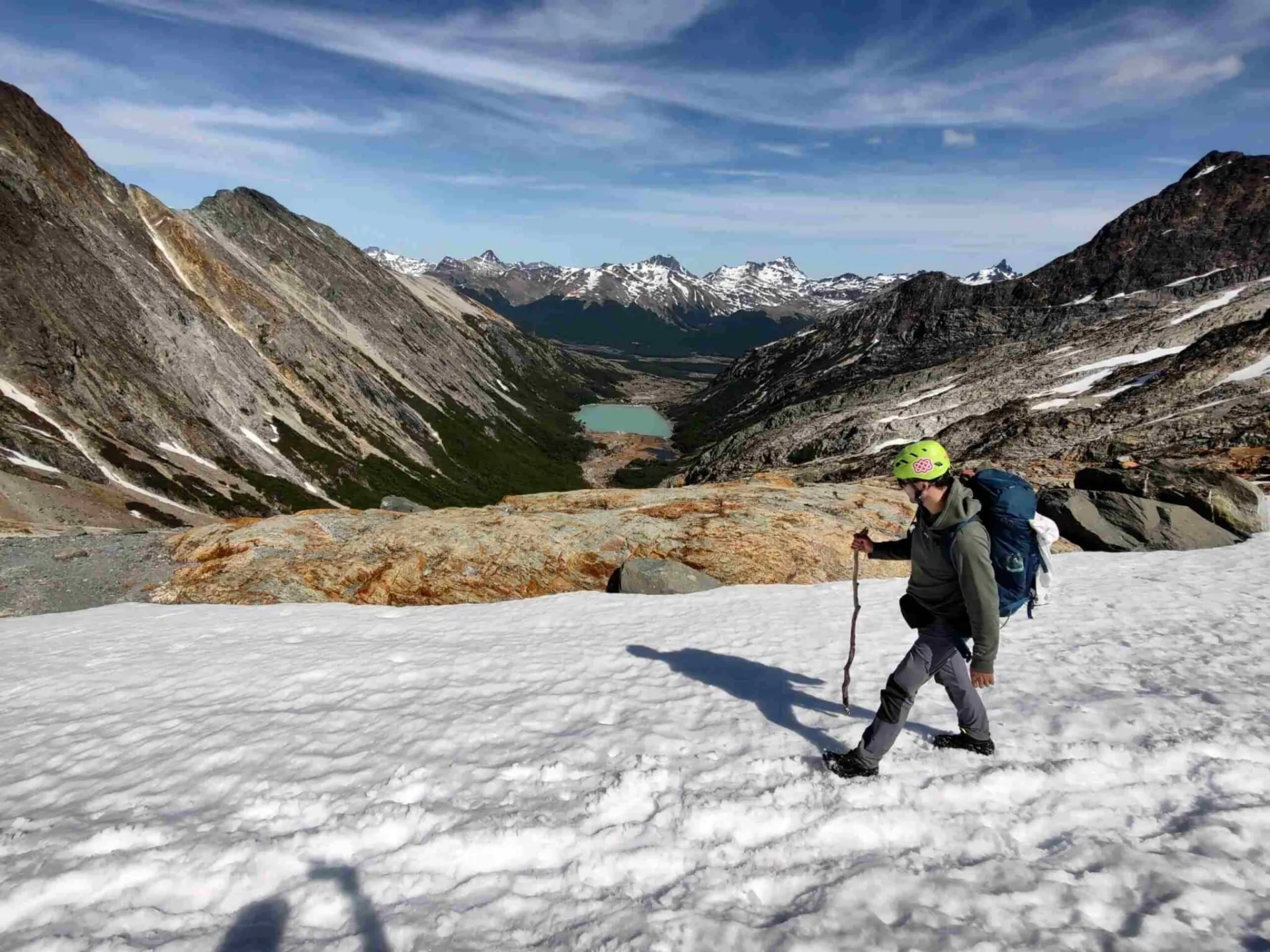 Sierra Valdivieso Circuit & Tierra del Fuego hiking tour
Ushuaia, Tierra del Fuego, Laguna Esmeralda, Lake Fagnano & Carbajal Valley.
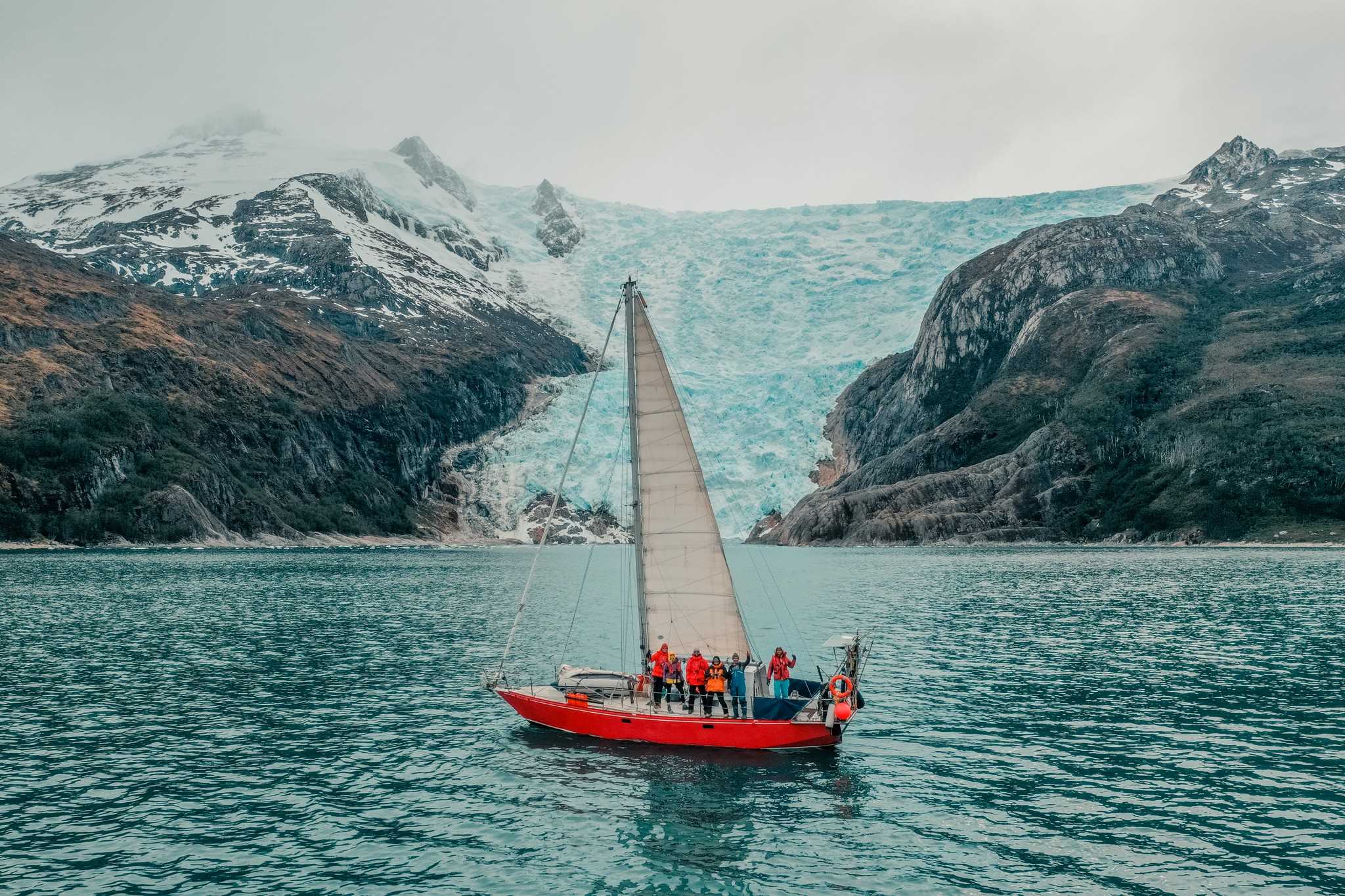 Darwin Range Patagonia Expedition (Cordillera Darwin)
Ushuaia, Puerto Williams, Beagle Channel, Darwin Range, Gordon Island, Hoste Island, Pia Fjord & Garibaldi Fjord
 Fly the Drake: Antarctic Express
Punta Arenas, King George Island, South Shetland Islands, Antarctic Peninsula, Antarctica & Drake Passage
 Patagonia Trekking Tour: El Calafate & El Chaltén
El Calafate, El Chaltén, Fitz Roy, Cerro Torre, Laguna de los Tres, Laguna Torre, Perito Moreno Glacier, Southern Patagonian Ice Field
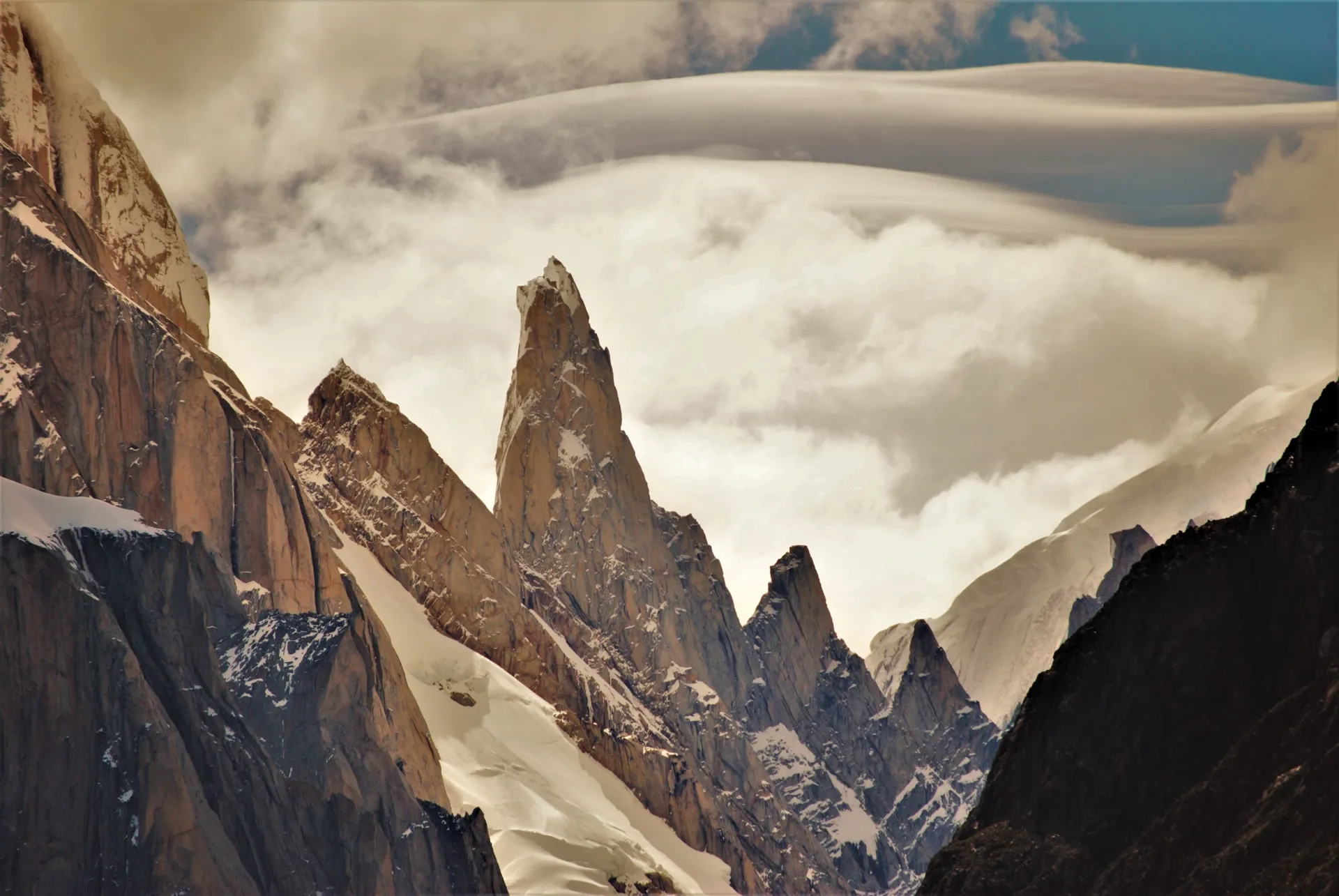 Patagonia Photo Tour
El Chaltén, El Calafate, Fitz Roy, Laguna de los Tres, Laguna Torre, Cerro Torre, Loma del Pliegue del Tumbado, Patagonia
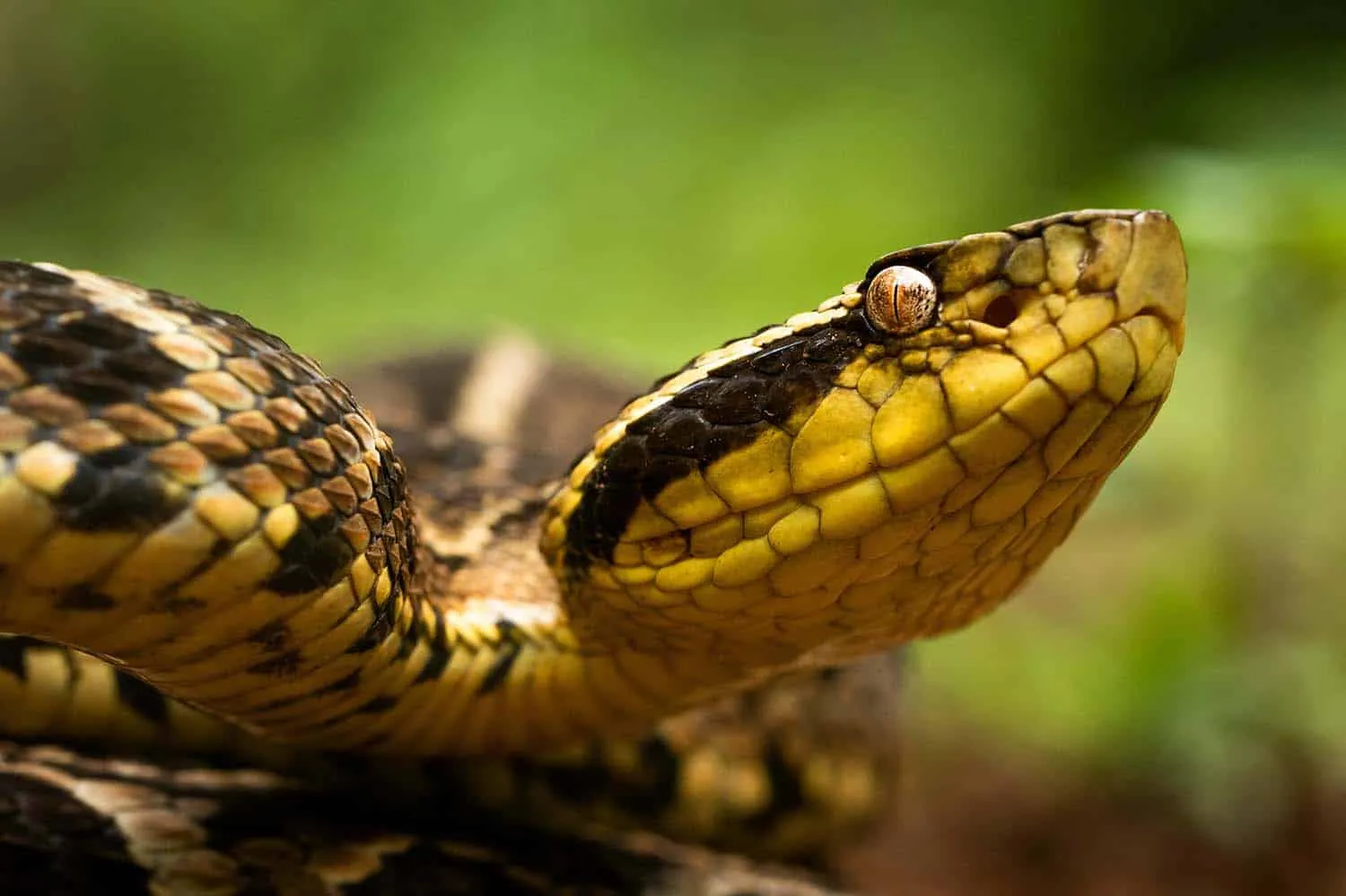 Argentina Herping Expedition
Buenos Aires, Iguazú Falls, Puerto Iguazú, Misiones, San Sebastián de la Selva, Iberá Wetlands, Posadas
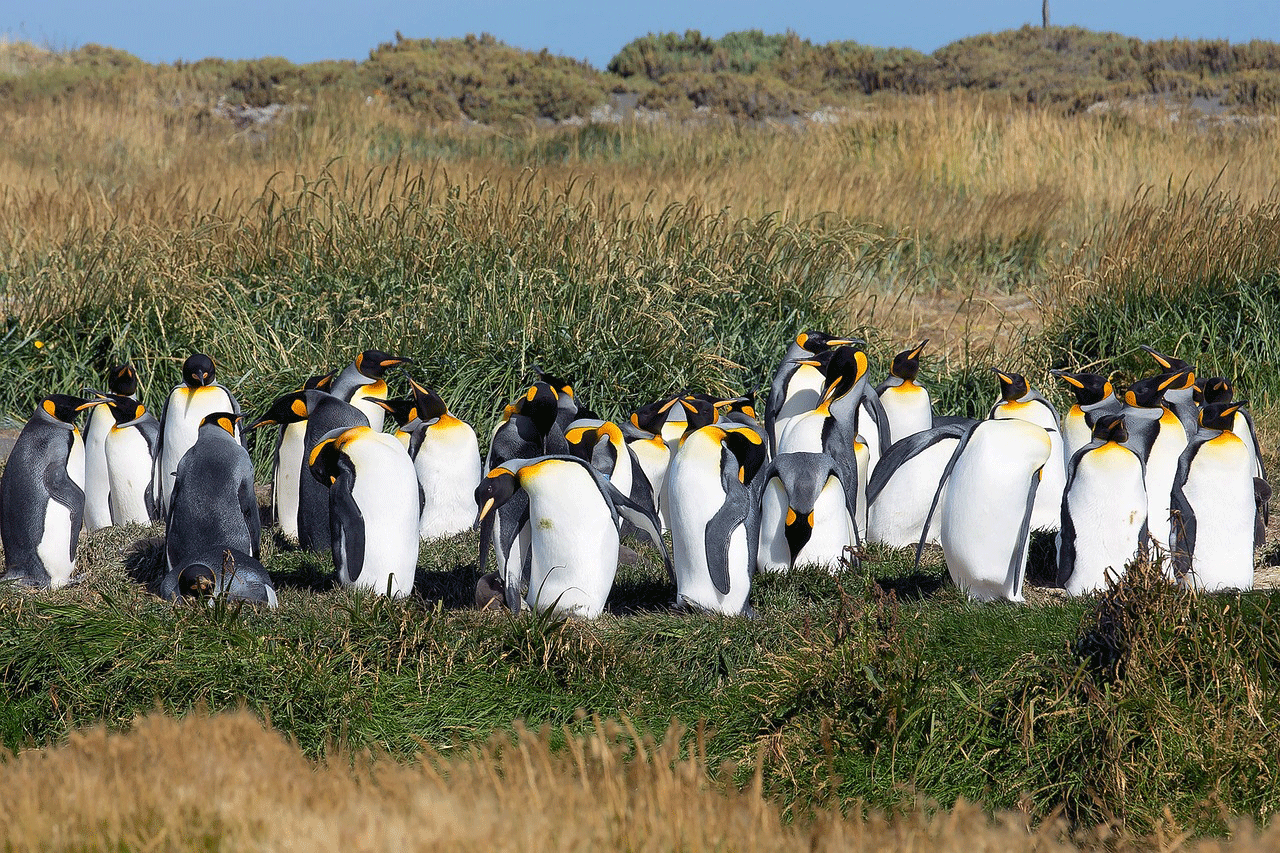 Patagonia Penguins Tour
Puerto Deseado, Peninsula Valdés, Ushuaia, Tierra del Fuego
Trips by Destination
In the following sections, you'll find tours focused on the main region you want to visit. They include traditional & thematic tours, interesting articles, and relevant information.
- Argentina
Custom-Made Experiences by Locals
 Patagonia
Custom-Made Experiences by Locals
 Chile
Custom-Made Experiences by Locals
 Northwest Argentina Holidays
Custom-Made Experiences by Locals
 Travel to Antarctica
Custom-Made Experiences by Locals
Tours by Travel Style
In the following sections, you'll find tours focused on the main region you want to visit. They include traditional & thematic tours, interesting articles, and relevant information. If your interest is focusing mainly in Chile or Antarctica, please visit our Chile and Antarctica sections.
 Classic Journeys
 Road Trips
 Hiking Adventures
 Wildlife Experiences
 Luxury Escapes
 Foodies
 Honeymoon
 Family Travel
 Cruises