Guanaco Facts
The Guanaco (Lama guanicoe) is a native South American animal. It is closely related to vicuñas, alpacas, and llamas, all of which belong to a group called "lamoids." Guanacos have a long neck, long…
What Is a Guanaco? Interesting Facts
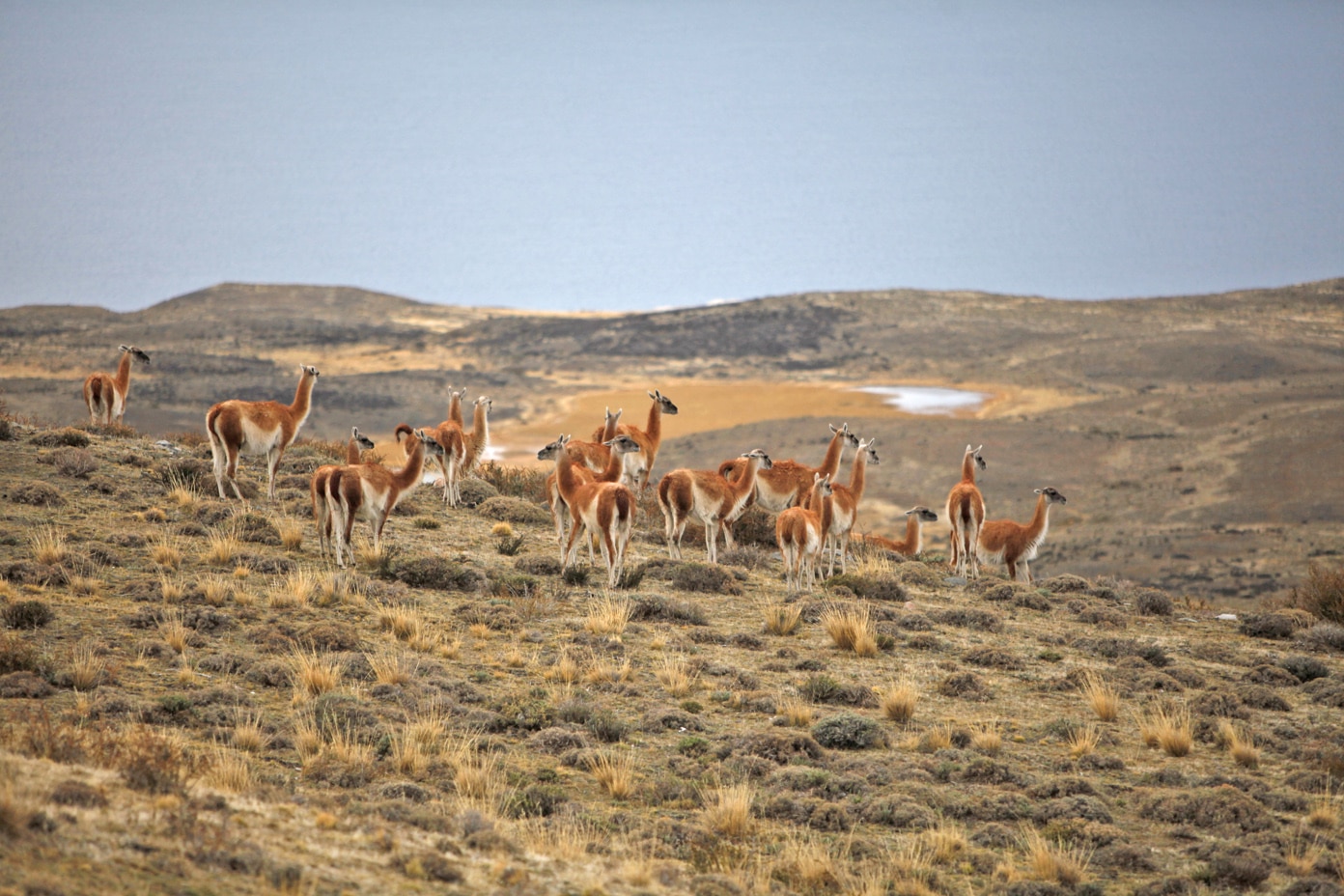
The Guanaco (Lama guanicoe) is a native South American animal. It is closely related to vicuñas, alpacas, and llamas, all of which belong to a group called "lamoids." Guanacos have a long neck, long legs, and a shoulder height of less than 4 feet (1.2 meters).
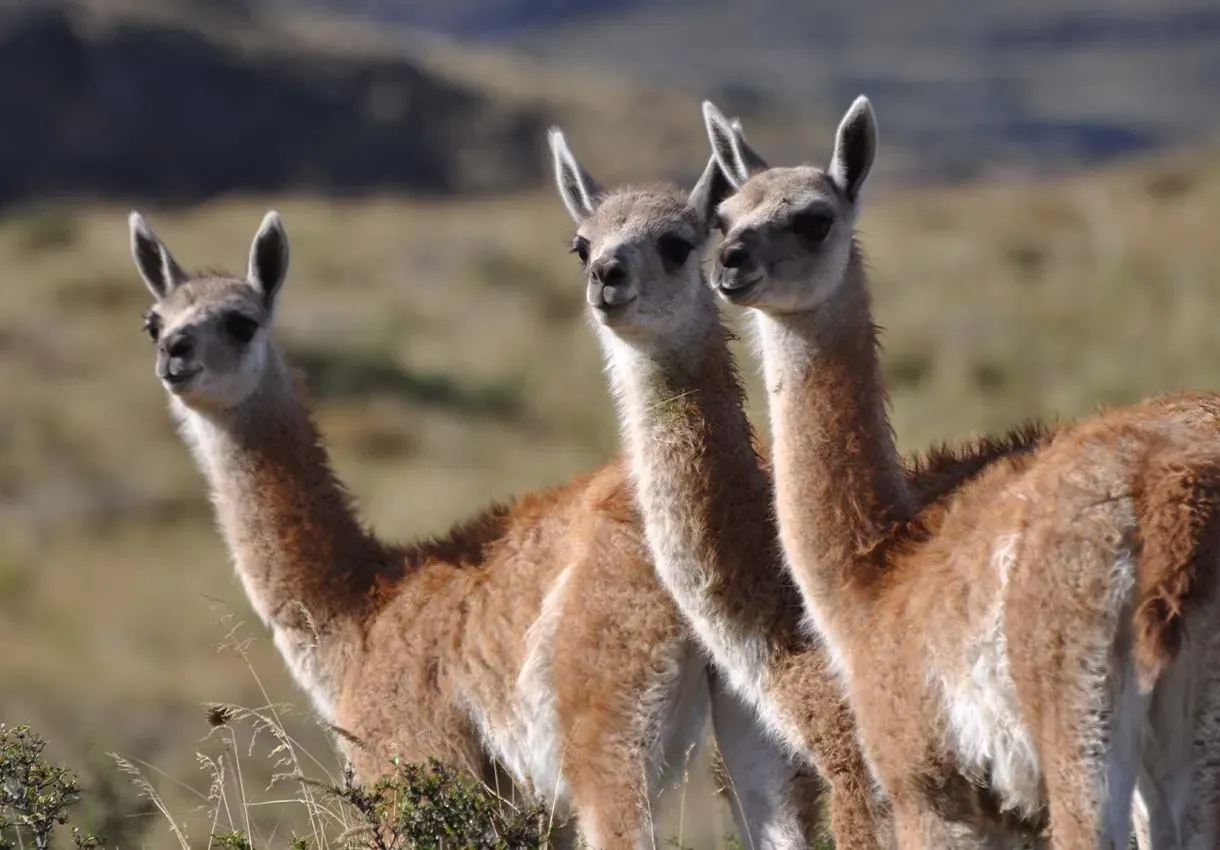
Compared to their relatives, the camels, they are smaller and shorter. Despite their slender appearance, Guanacos can weigh up to 265 pounds (120 kilograms). Males are generally larger than females. A thick, woolly coat that ranges from rusty red and brownish-yellow to light brown covers their bodies. Their head, ears, and nape are usually gray, while their belly, rump, and the backs of their legs are typically white.
The Guanaco's coloration helps it blend into its native grasslands and desert environments. To protect their eyes from dust and debris carried by strong winds, they have large eyes and thick eyelashes. They also have broad, pointed ears. Although their back structure resembles that of camels, they do not have humps.
Where Do Guanacos Live?
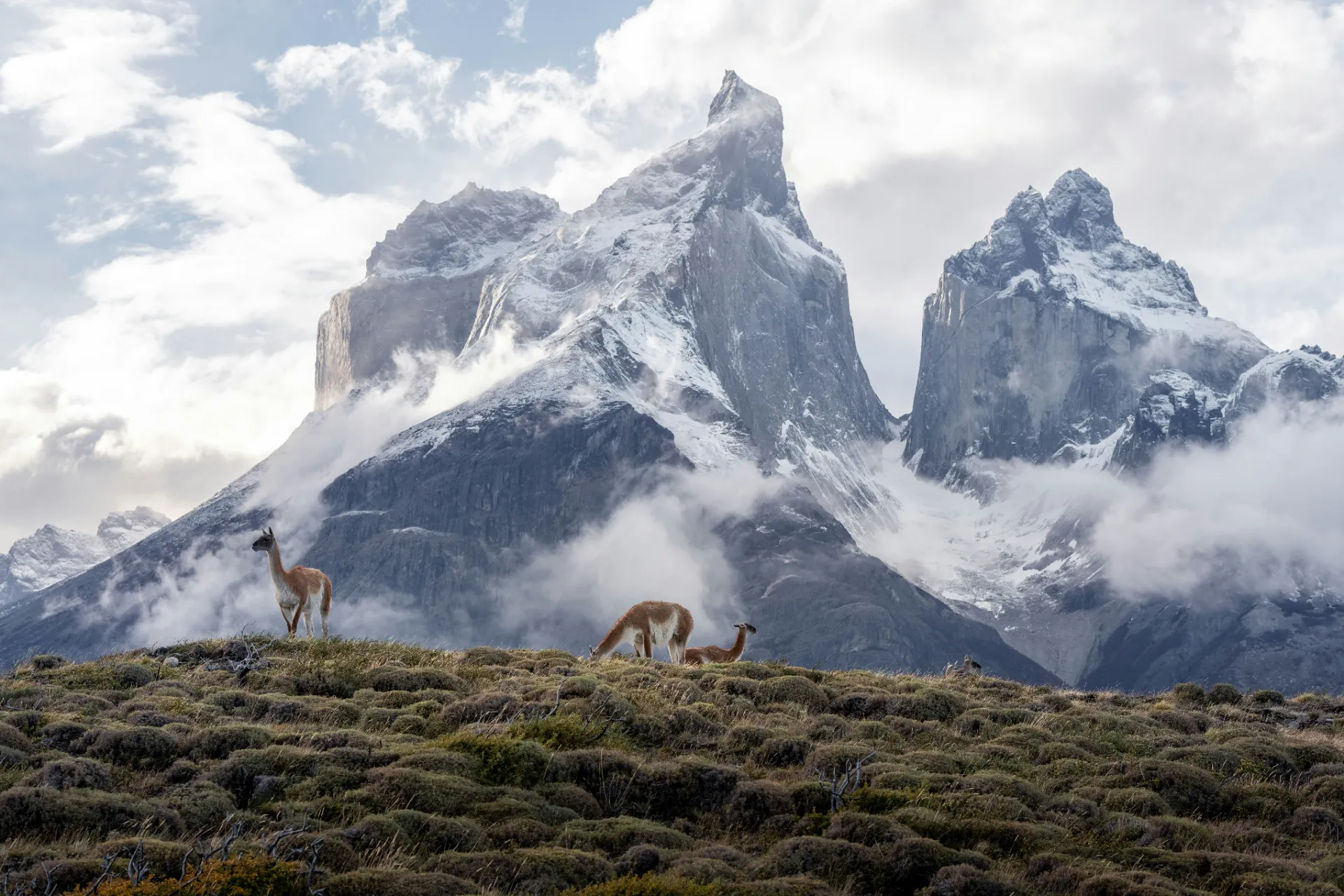
You can spot Guanacos during your trip to South America. They inhabit deserts, arid regions, open terrain, plains, and mountainous areas, ranging from Patagonia to Peru.
Guanacos in Patagonia
In the wild, Guanacos feed on thorny grasses, shrubs, leaves, and buds. They are highly adaptable and not particularly selective eaters. Because many populations live at high altitudes, they rely on the vegetation available in these environments. Guanacos spend much of their time grazing while remaining alert to predators. If you hear what sounds like a high-pitched laugh echoing across the landscape, pay attention—it is often a warning call used to alert other Guanacos to the possible presence of pumas.
Guanaco Lifestyle
Guanacos live in herds consisting of up to ten females, their young, and one dominant male. A baby Guanaco, known as a chulengo, can walk efficiently just five minutes after birth.
Male chulengos spend their first year with their mothers before being driven from the herd. After a period of living alone or in bachelor groups, they eventually establish their own herds. Due to challenging environmental conditions, especially on the Patagonian Plateau, only about 30% of chulengos survive to adulthood. The average lifespan of a Guanaco ranges from 20 to 25 years.
Wildlife Tours in Argentina, Chile, Patagonia, and Beyond
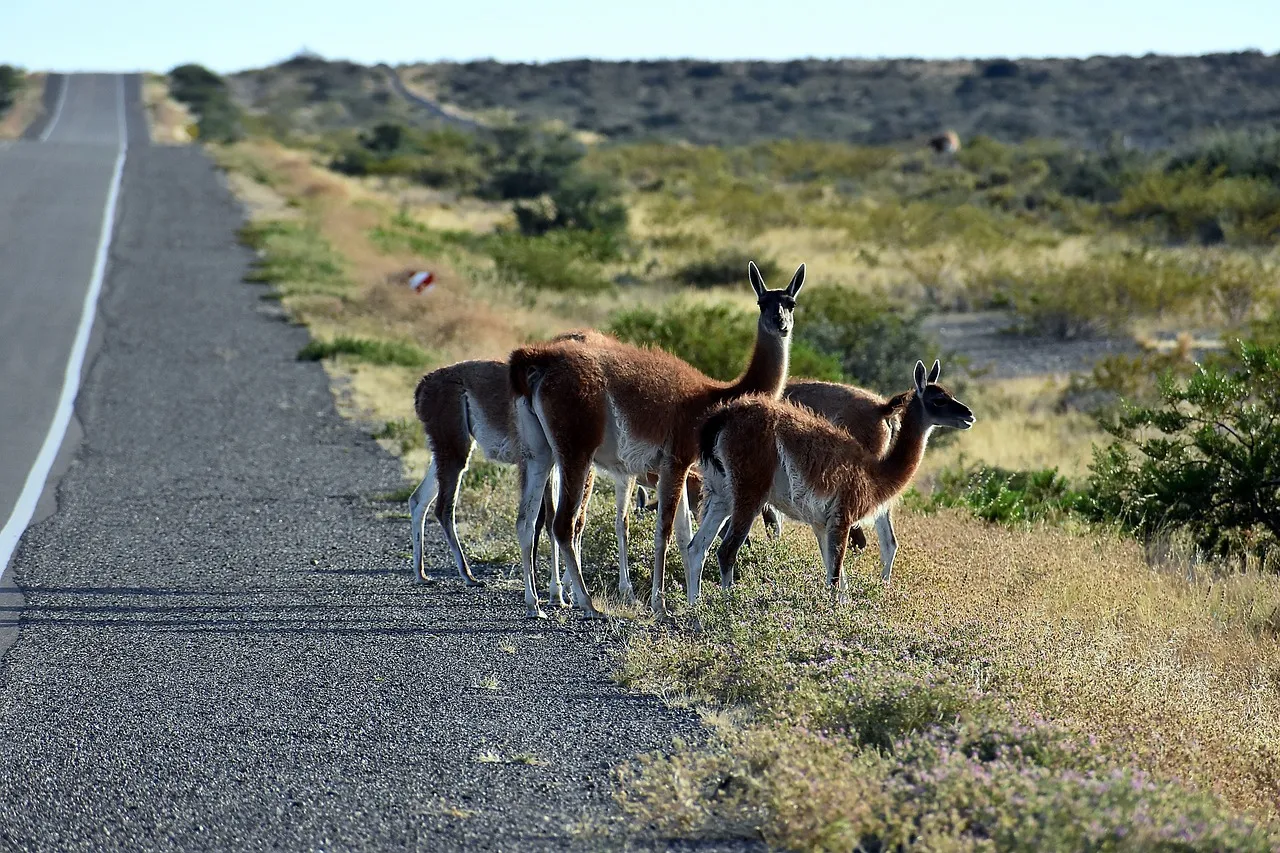
We offer custom tours throughout Argentina and Chile. Below are some of our wildlife experiences where it is very common to encounter Guanacos in their natural habitat:
- Patagonia Puma Tracking Tour and Orca Whale Watching.
- Tailor-Made Vacations in Peninsula Valdés.
- Patagonia Penguin Tour.
- Iguazú Falls, Wetlands, and Peninsula Valdés Tour.
Other wildlife experiences you may enjoy (without Guanacos):
Let's plan your personalized experience
Beyond BA Latam is a local travel agency based in Argentina that designs personalized tours in Argentina, Chile and Antarctica. We are very proud to work with a knowledgeable team capable to design trips based on your interests and traveling style. We are able to bring you a different and more enjoyable experience.
Related Articles
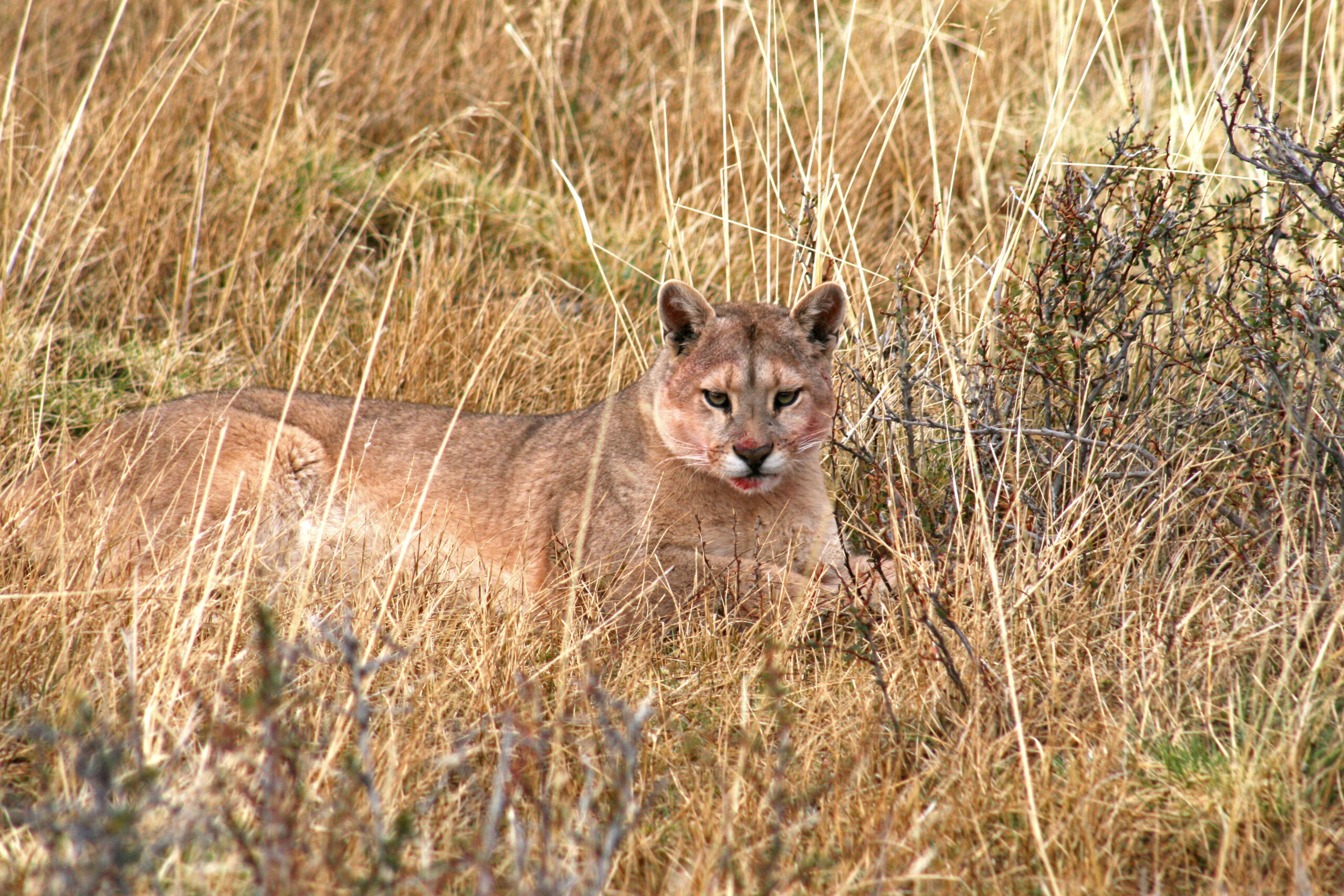 Pumas in Patagonia: An Incredible Wildlife Experience in Argentina & Chile
One of the most impressive yet elusive animals in Patagonia is the puma (Puma concolor). Also known as the mountain lion, it is one of the largest wild cats in the Americas and a powerful symbol of…
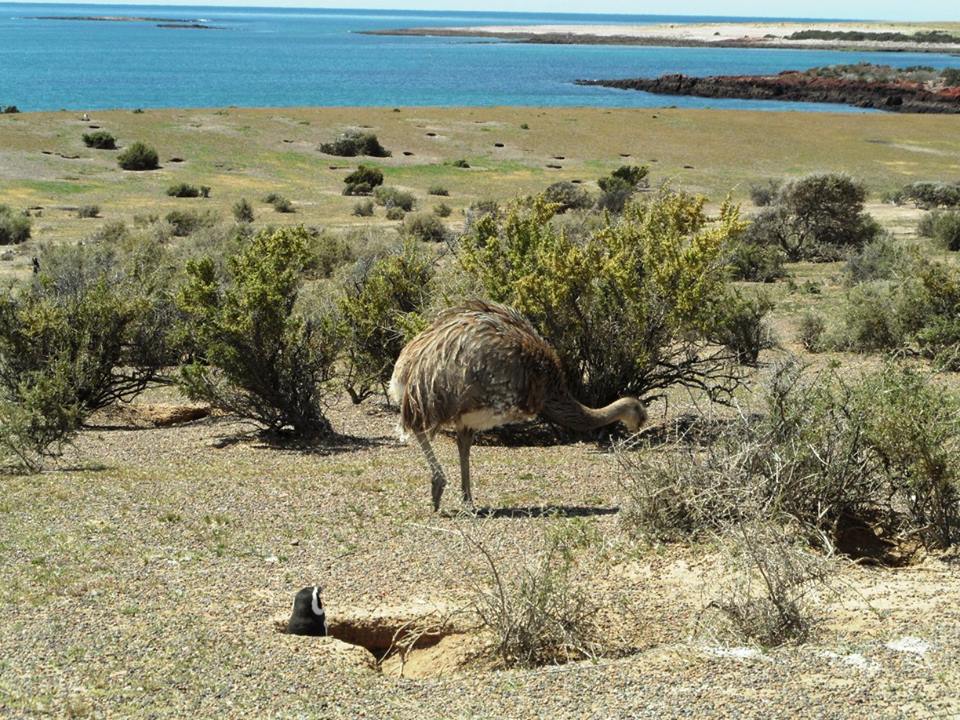 Choique (Rhea) Facts
Also known as Darwin’s rhea or Rhea pennata, the Choique is a large flightless bird native to South America. This fascinating species is often referred to as a ñandú or even a “South American ostrich”…
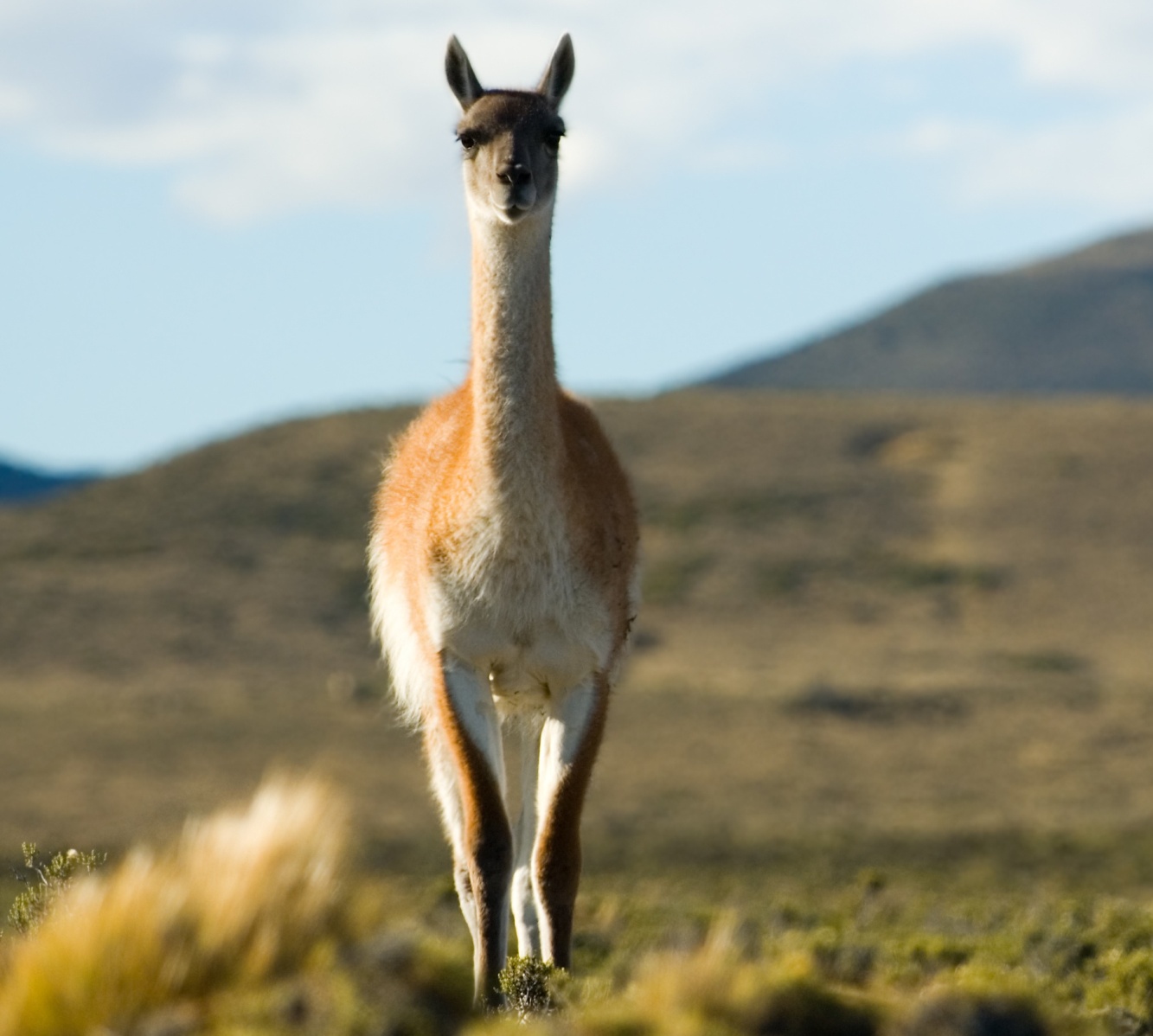 Patagonia Big Five
Even though there is no official definition of the Patagonia Big Five, many travelers and wildlife enthusiasts have embraced the idea of creating our own version of Africa’s famous safari concept.…
 Patagonian Desert (Steppe)
The Patagonian Desert, also known as the Patagonian steppe, is located mostly in southern Argentina, with a smaller portion extending into Chile. This vast and arid region is characterized by rugged…
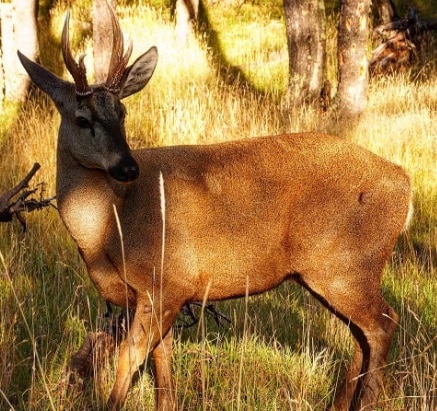 Mammals of Patagonia
Beyond Patagonia’s famous residents such as whales, penguins, and pumas, there is an extraordinary world filled with diverse wildlife. Across the untamed landscapes of Argentina and Chile, visitors…
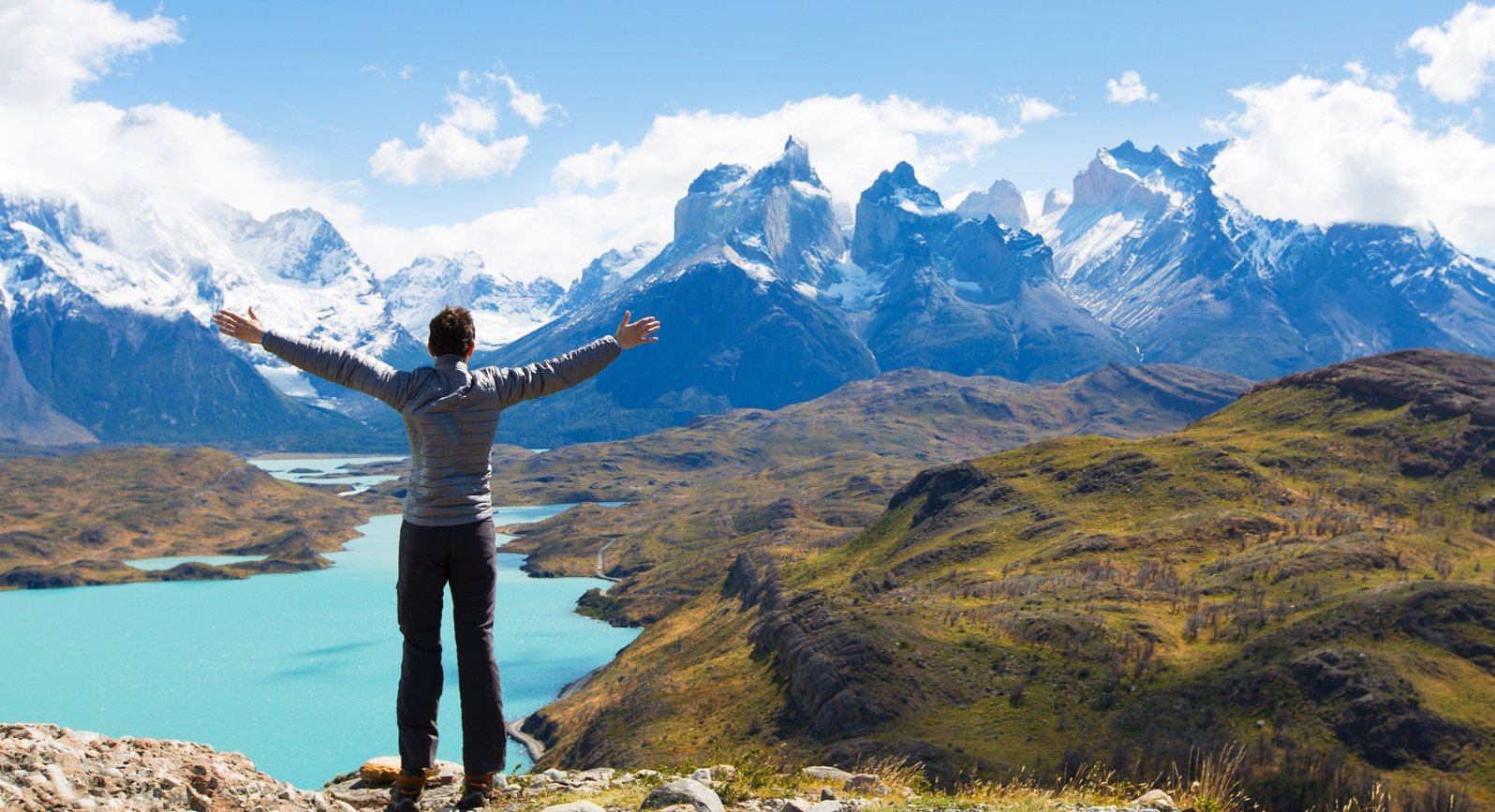 Things to do in Torres del Paine & Travel guide
Located in Chilean Patagonia, Torres del Paine National Park is one of the most spectacular destinations in South America. The park is famous for its dramatic granite peaks, glacial lagoons, turquoise…
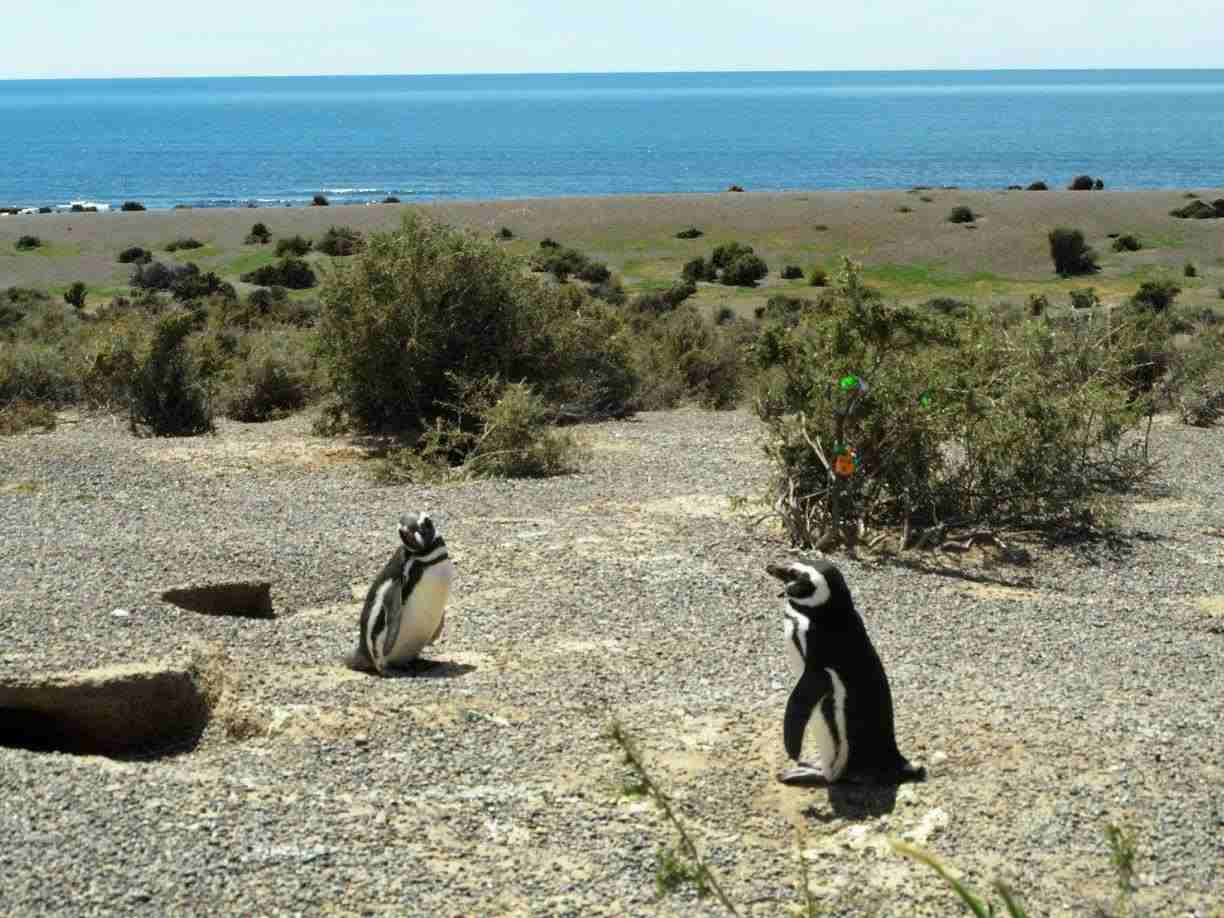 Peninsula Valdes
Peninsula Valdés, located on the Patagonian Atlantic coast of Argentina in Chubut Province, is a natural sanctuary renowned for its diverse wildlife and breathtaking landscapes. This UNESCO World…
Inspiring Tours
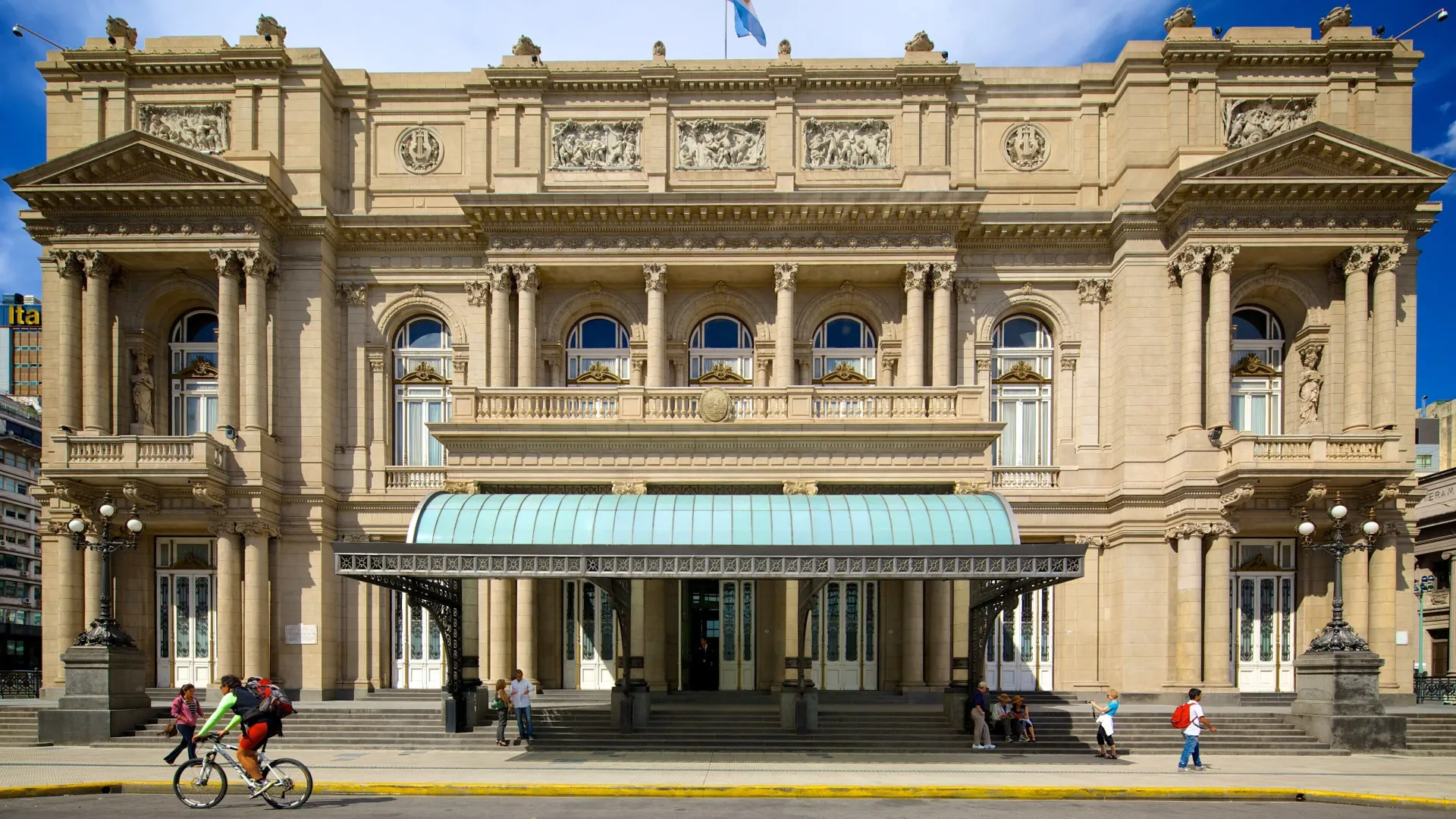 Argentina and Chile Culture: Discover Art, Architecture & Heritage
Buenos Aires, Purmamarca, Salta, Mendoza and Santiago de Chile
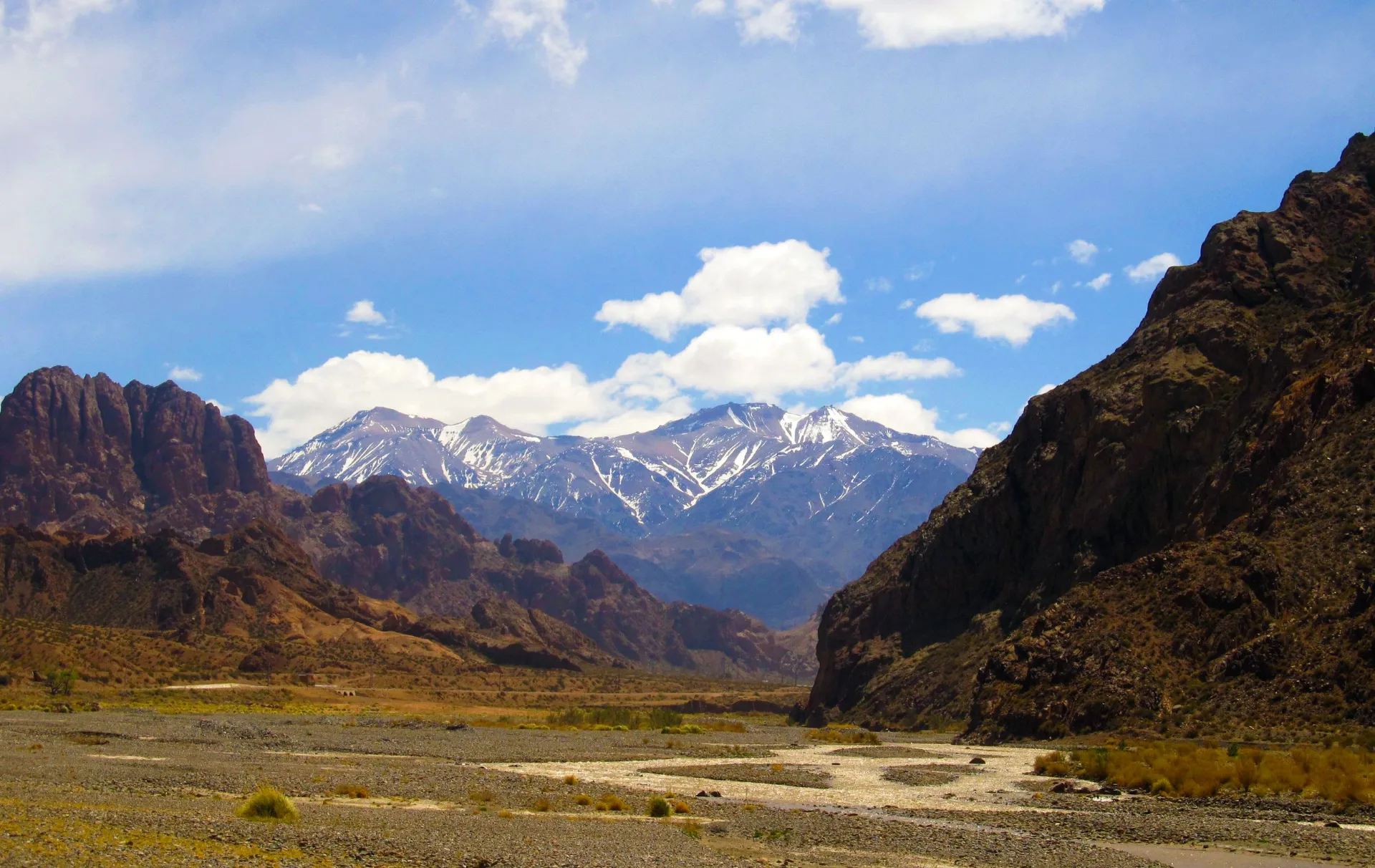 Mendoza Luxury Holiday & Hiking in Aconcagua Park
Buenos Aires - Bariloche - Mendoza
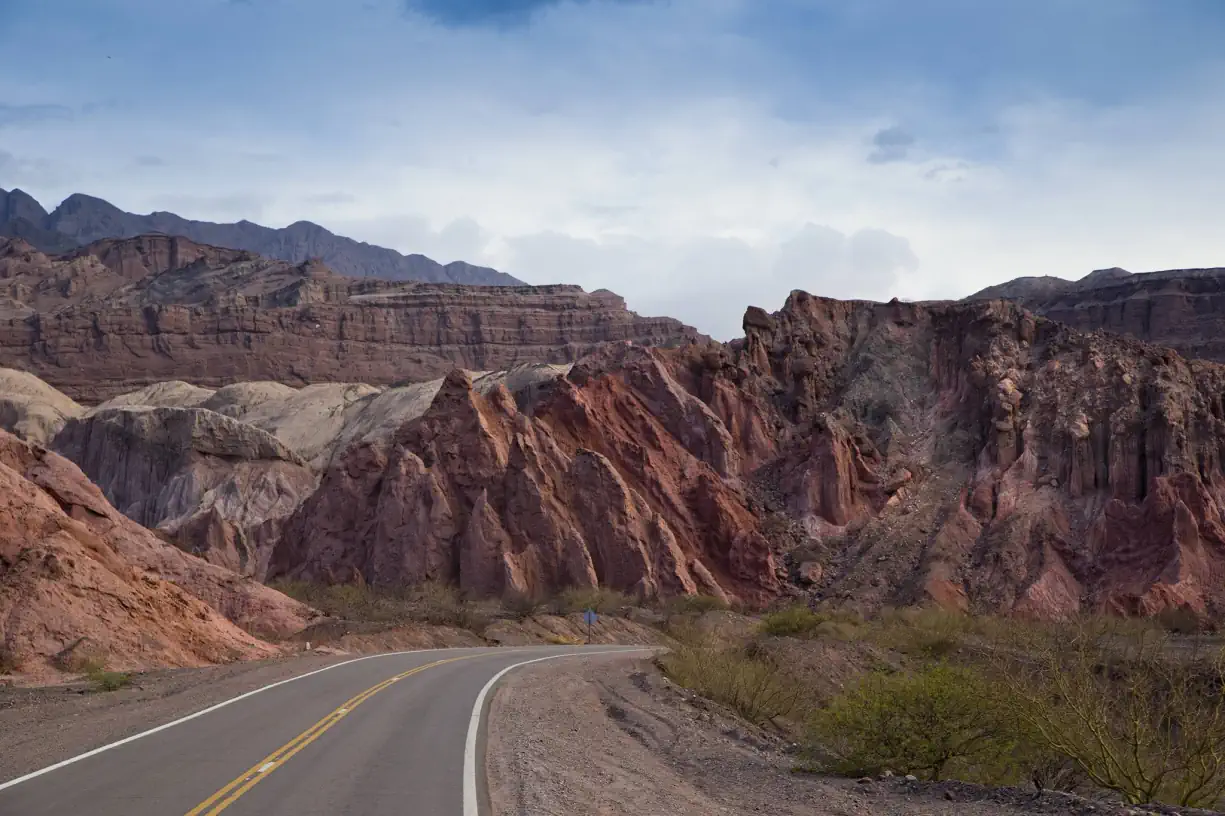 Jujuy & Salta - Hiking & Comfort
Salta - Jujuy
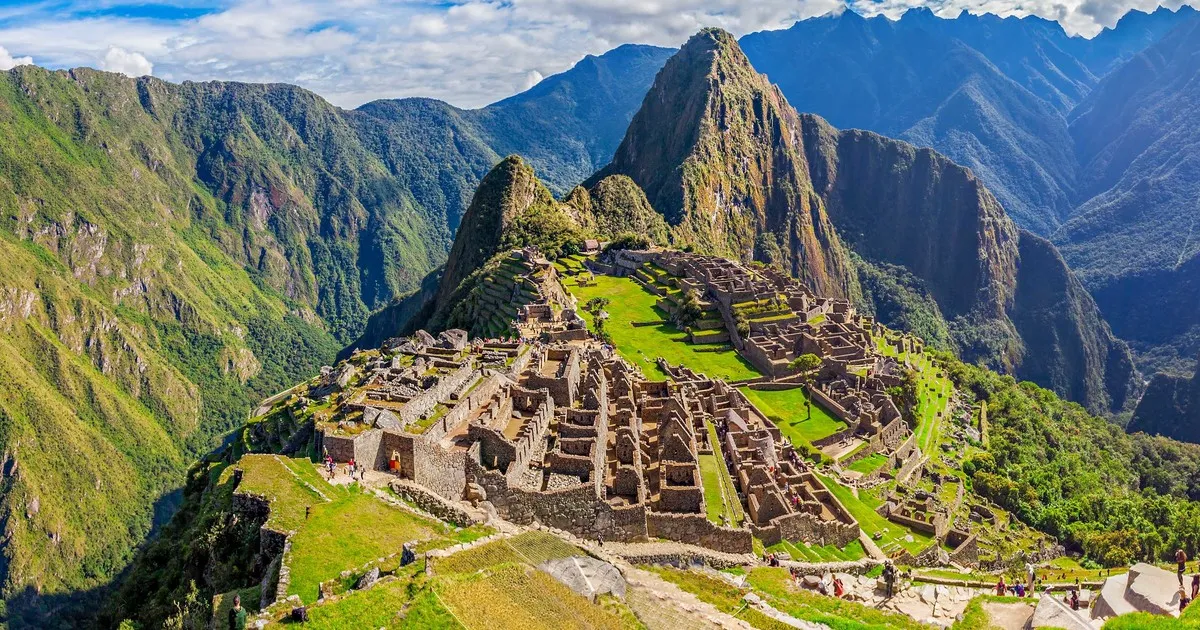 Trek South America's Highlights
Cusco, Santiago de Chile, Puerto Natales, El Calafate, El Chaltén y Buenos Aires
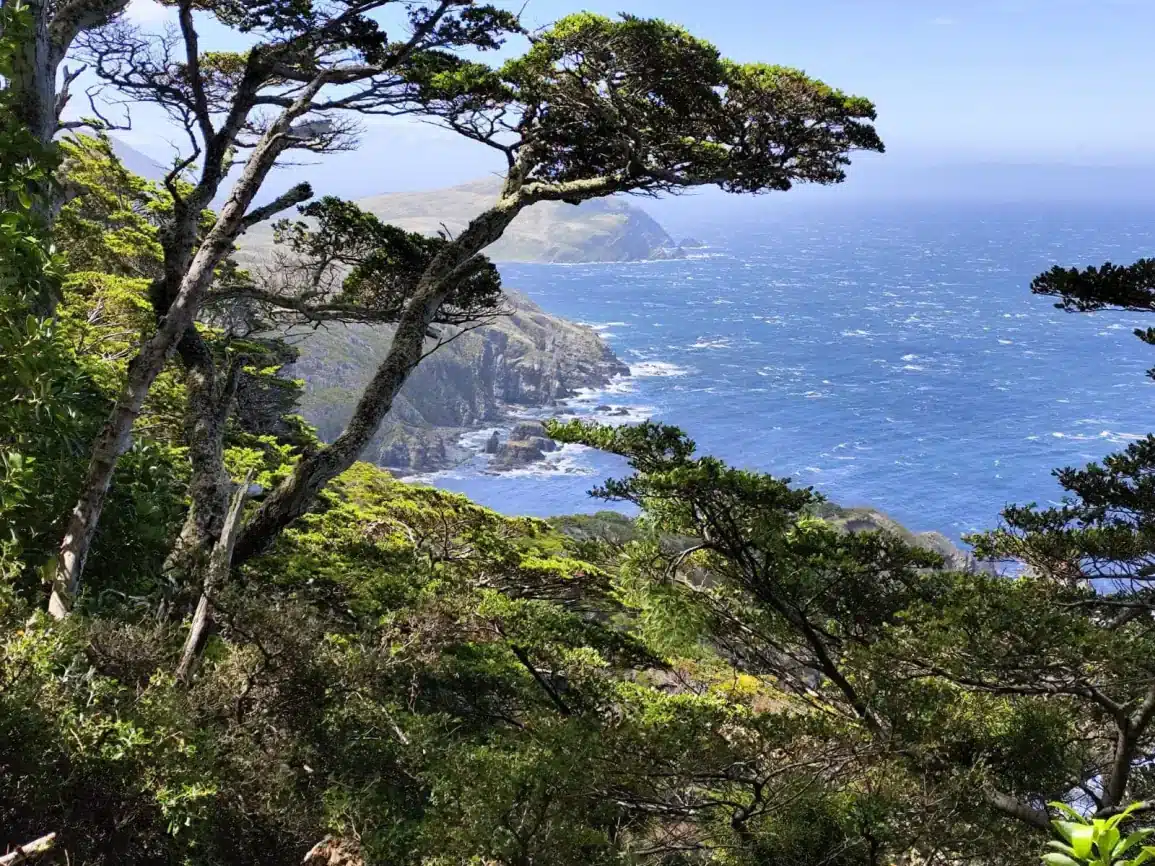 Tierra del Fuego Hiking Tour
Tierra del Fuego, Ushuaia, Tierra del Fuego National Park, Beagle Channel, Lake Fagnano & Mitre Peninsula
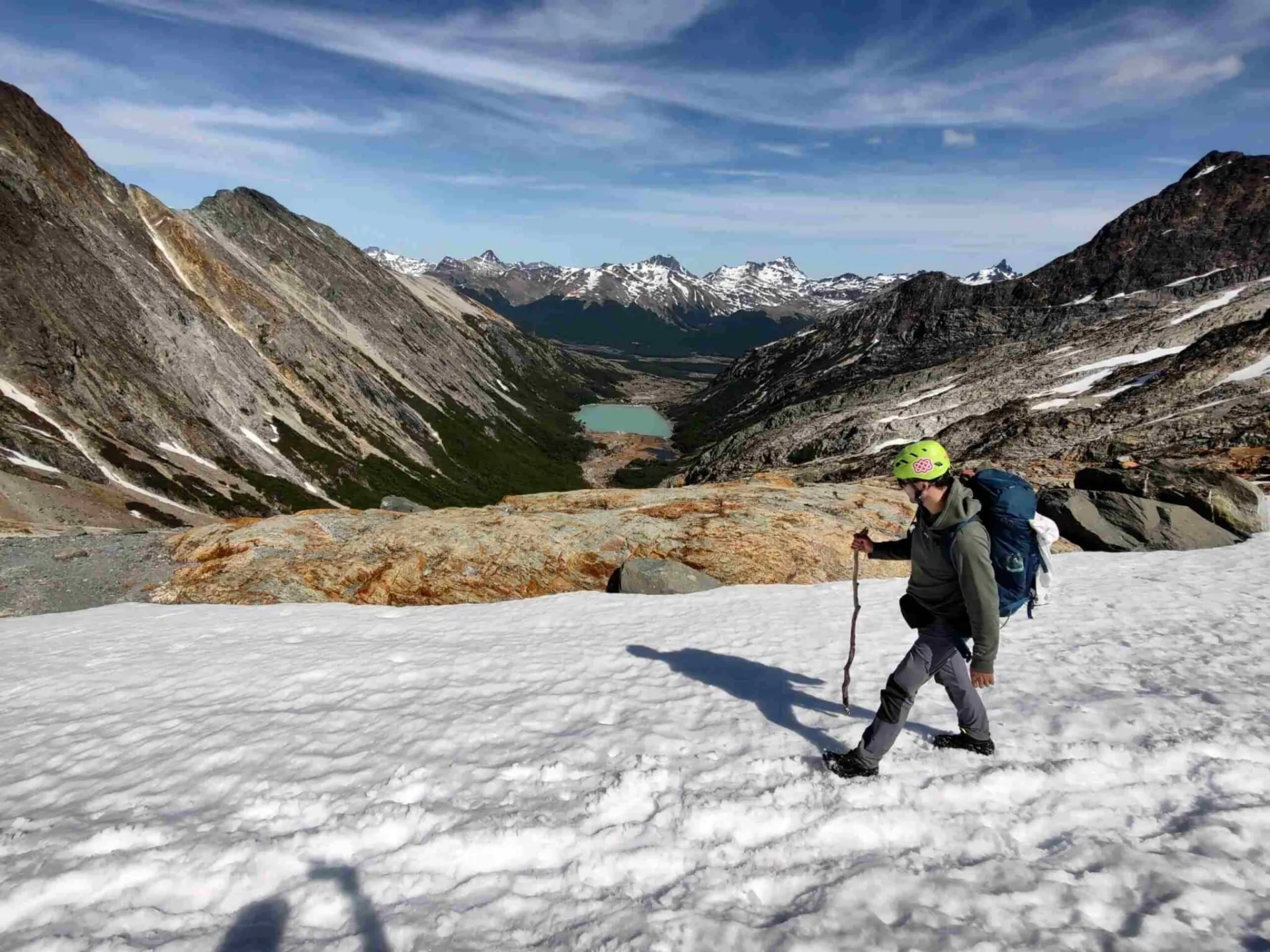 Sierra Valdivieso Circuit & Tierra del Fuego hiking tour
Ushuaia, Tierra del Fuego, Laguna Esmeralda, Lake Fagnano & Carbajal Valley.
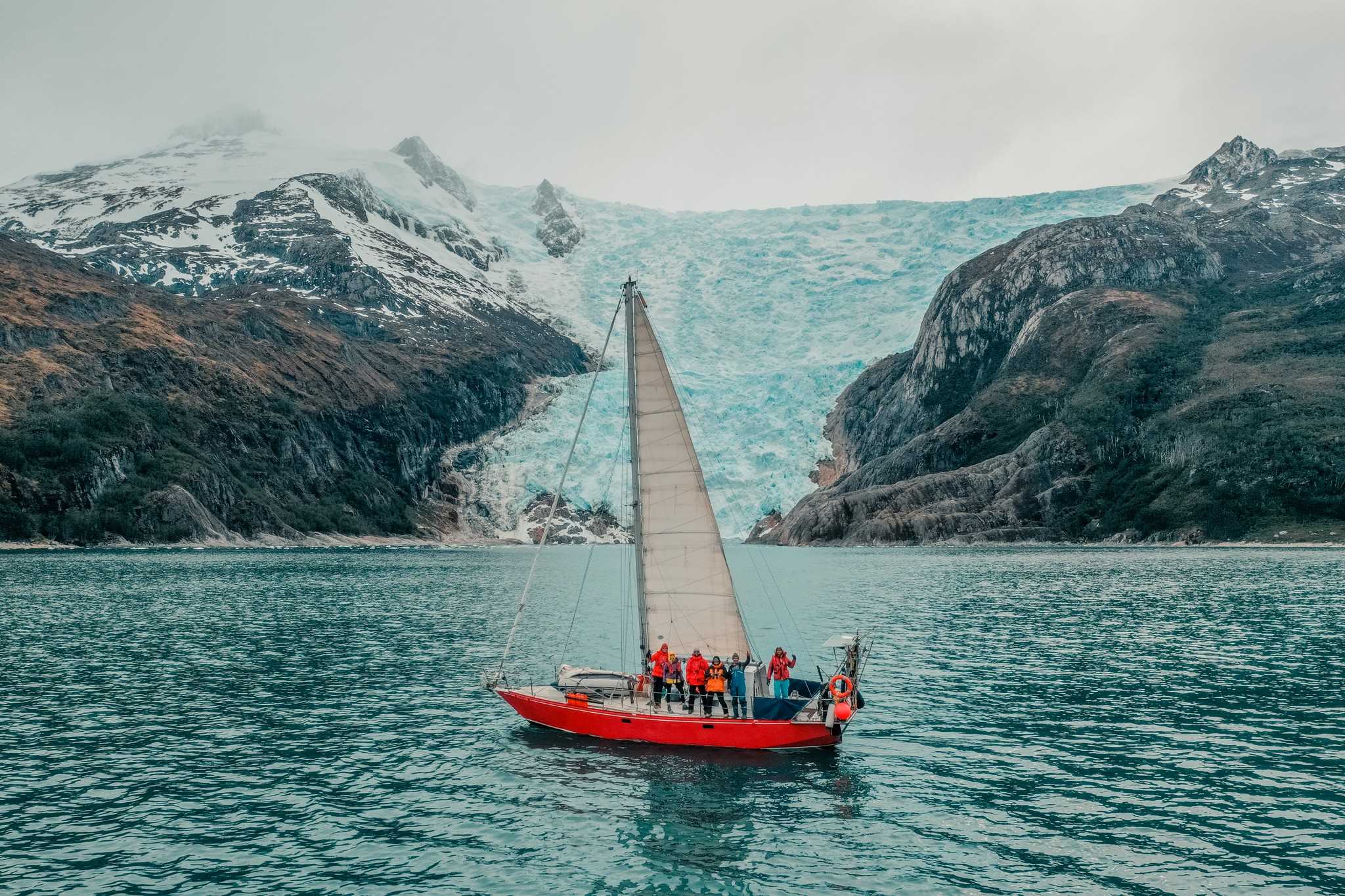 Darwin Range Patagonia Expedition (Cordillera Darwin)
Ushuaia, Puerto Williams, Beagle Channel, Darwin Range, Gordon Island, Hoste Island, Pia Fjord & Garibaldi Fjord
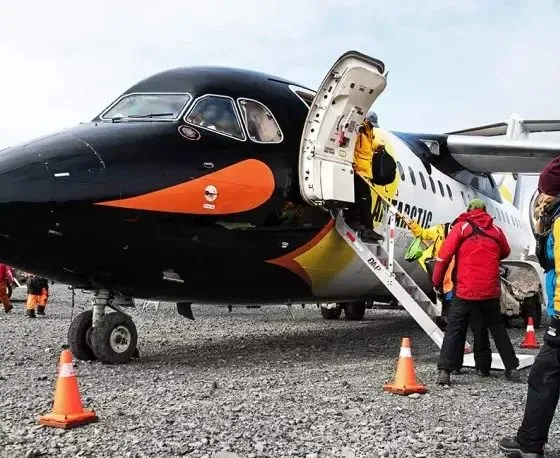 Fly the Drake: Antarctic Express
Punta Arenas, King George Island, South Shetland Islands, Antarctic Peninsula, Antarctica & Drake Passage
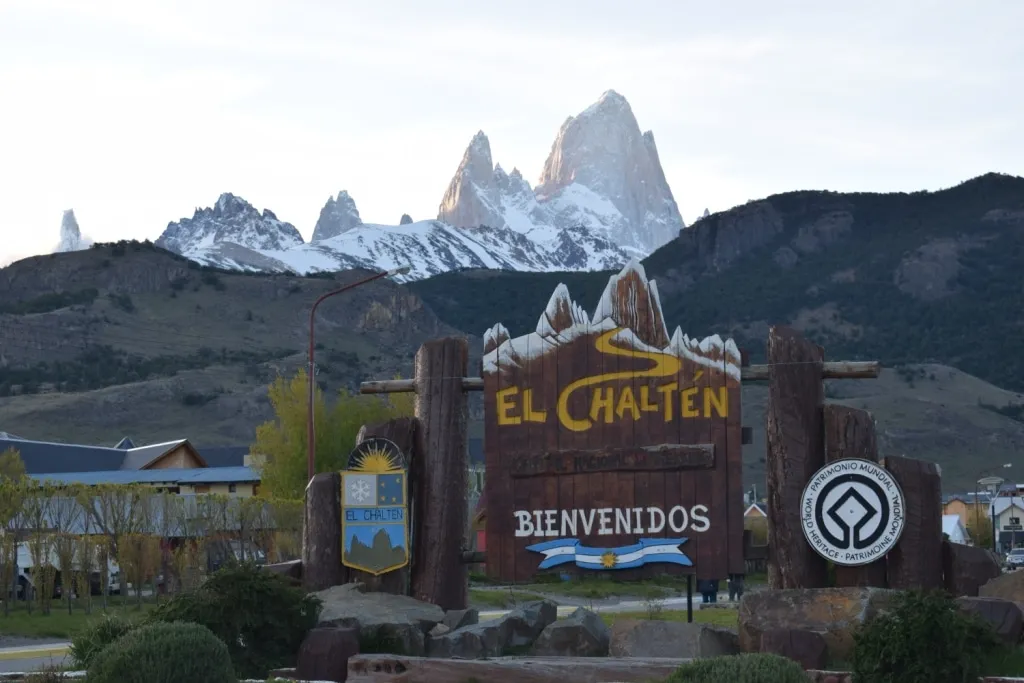 Patagonia Trekking Tour: El Calafate & El Chaltén
El Calafate, El Chaltén, Fitz Roy, Cerro Torre, Laguna de los Tres, Laguna Torre, Perito Moreno Glacier, Southern Patagonian Ice Field
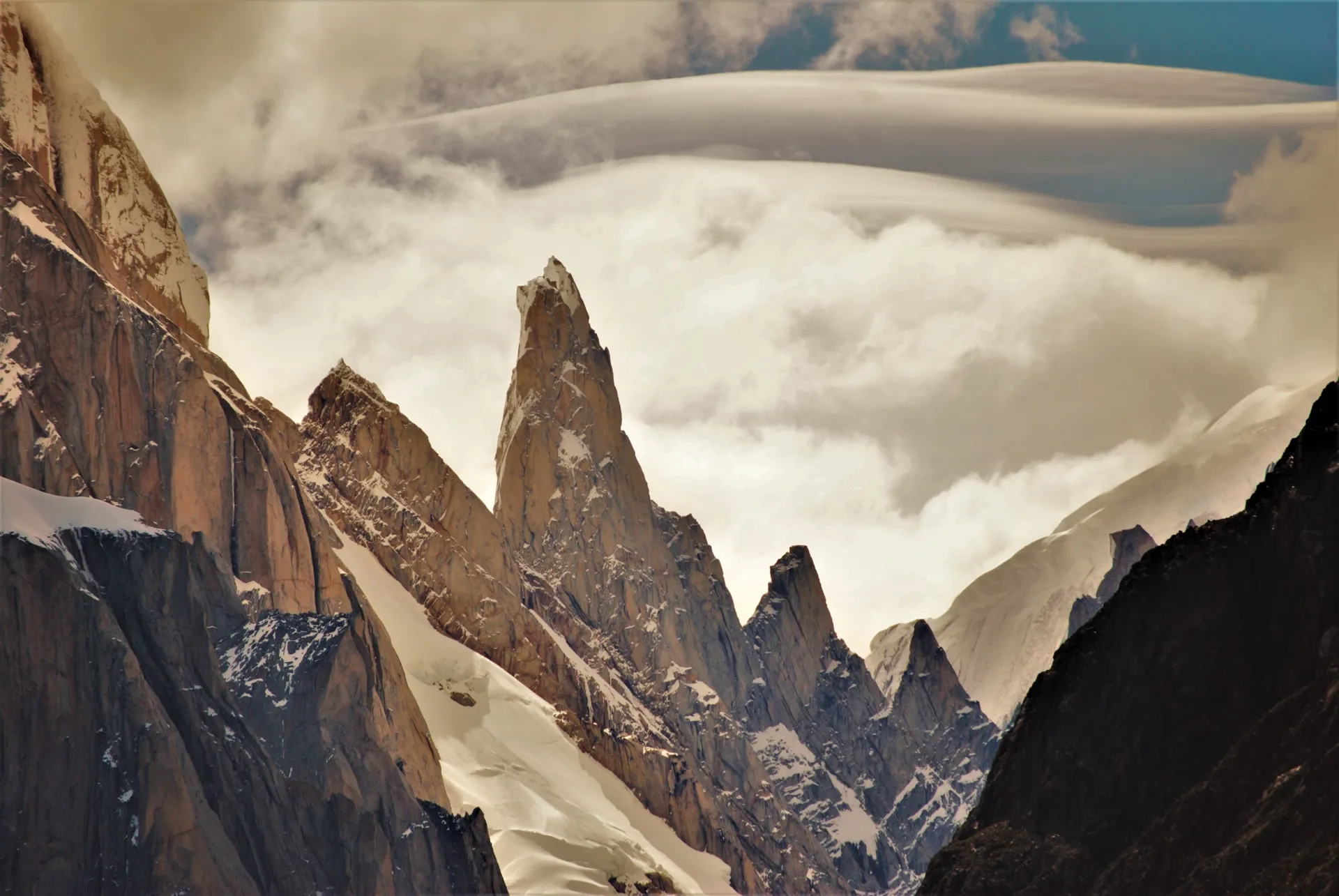 Patagonia Photo Tour
El Chaltén, El Calafate, Fitz Roy, Laguna de los Tres, Laguna Torre, Cerro Torre, Loma del Pliegue del Tumbado, Patagonia
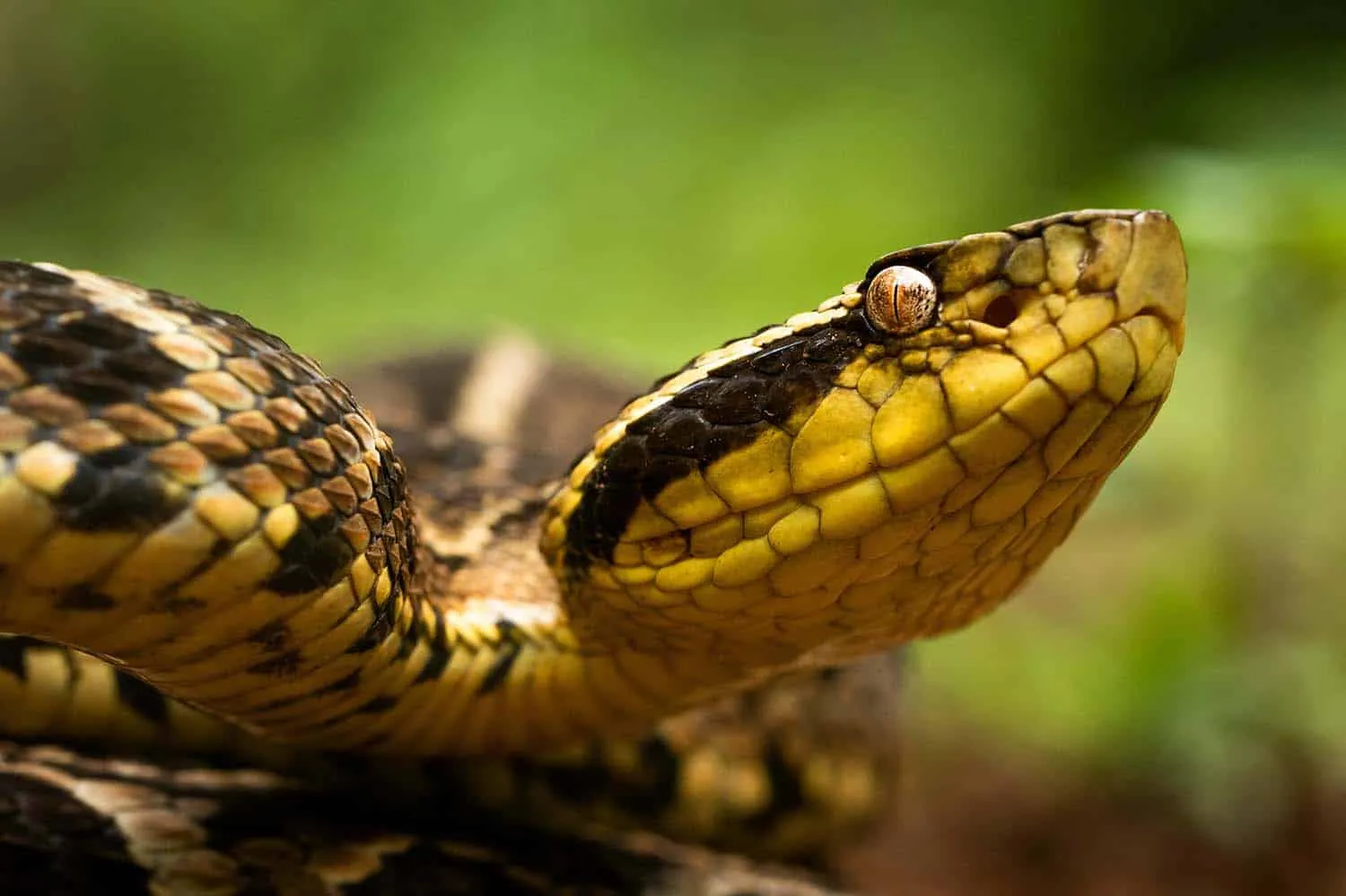 Argentina Herping Expedition
Buenos Aires, Iguazú Falls, Puerto Iguazú, Misiones, San Sebastián de la Selva, Iberá Wetlands, Posadas
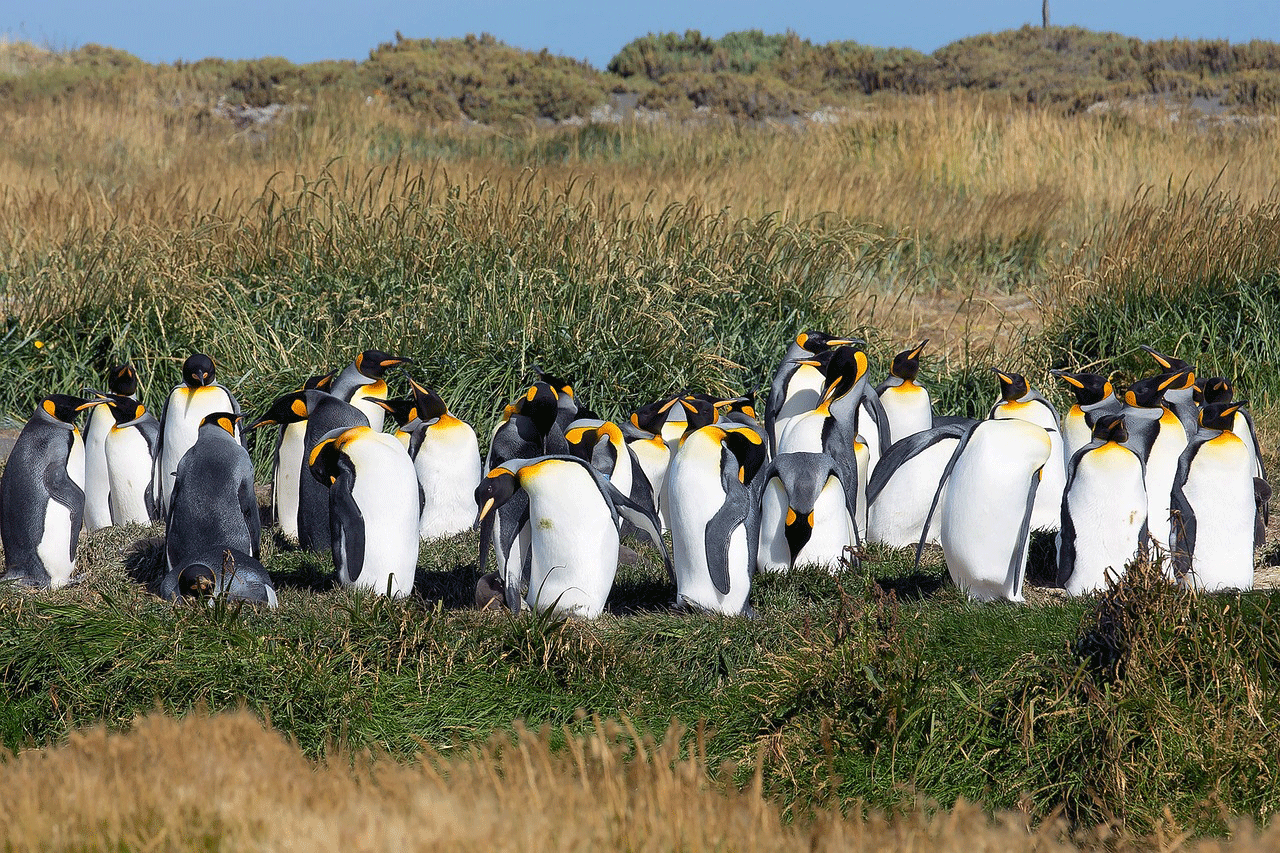 Patagonia Penguins Tour
Puerto Deseado, Peninsula Valdés, Ushuaia, Tierra del Fuego
Trips by Destination
In the following sections, you'll find tours focused on the main region you want to visit. They include traditional & thematic tours, interesting articles, and relevant information.
- Argentina
Custom-Made Experiences by Locals
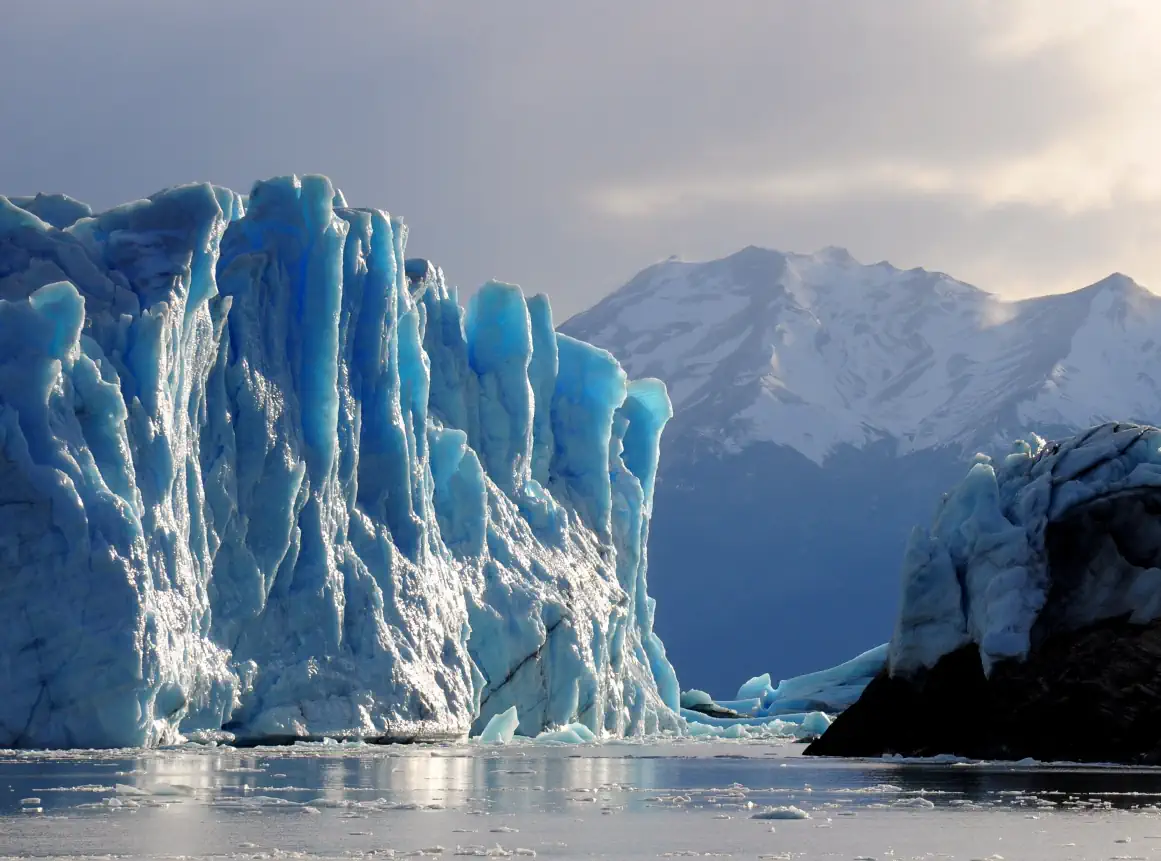 Patagonia
Custom-Made Experiences by Locals
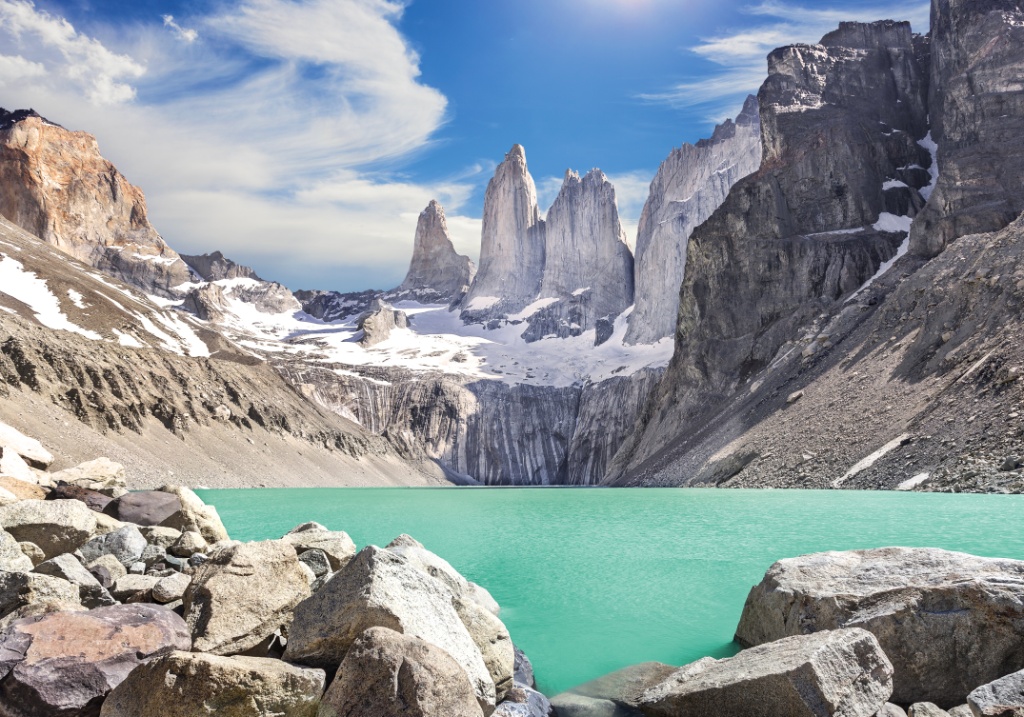 Chile
Custom-Made Experiences by Locals
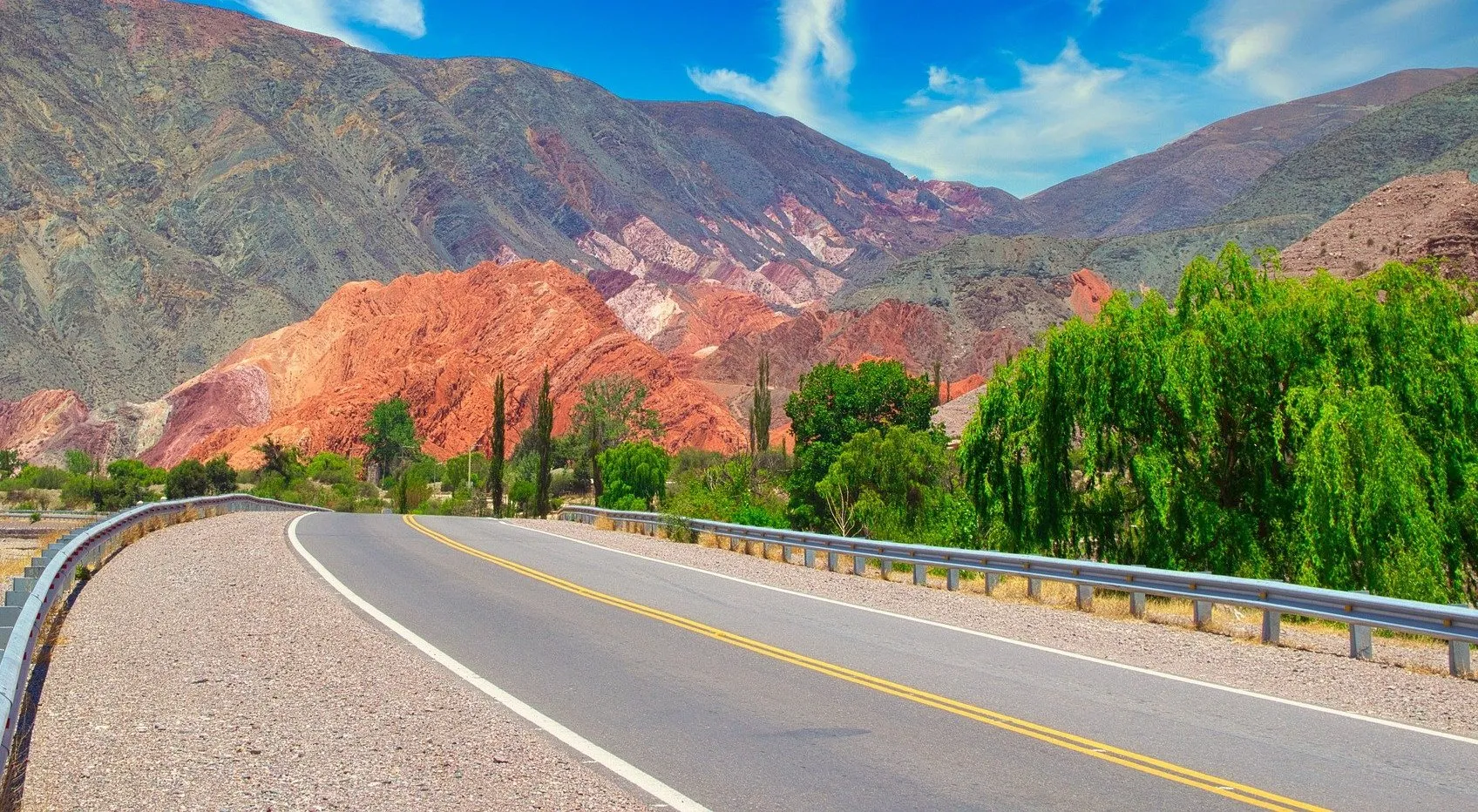 Northwest Argentina Holidays
Custom-Made Experiences by Locals
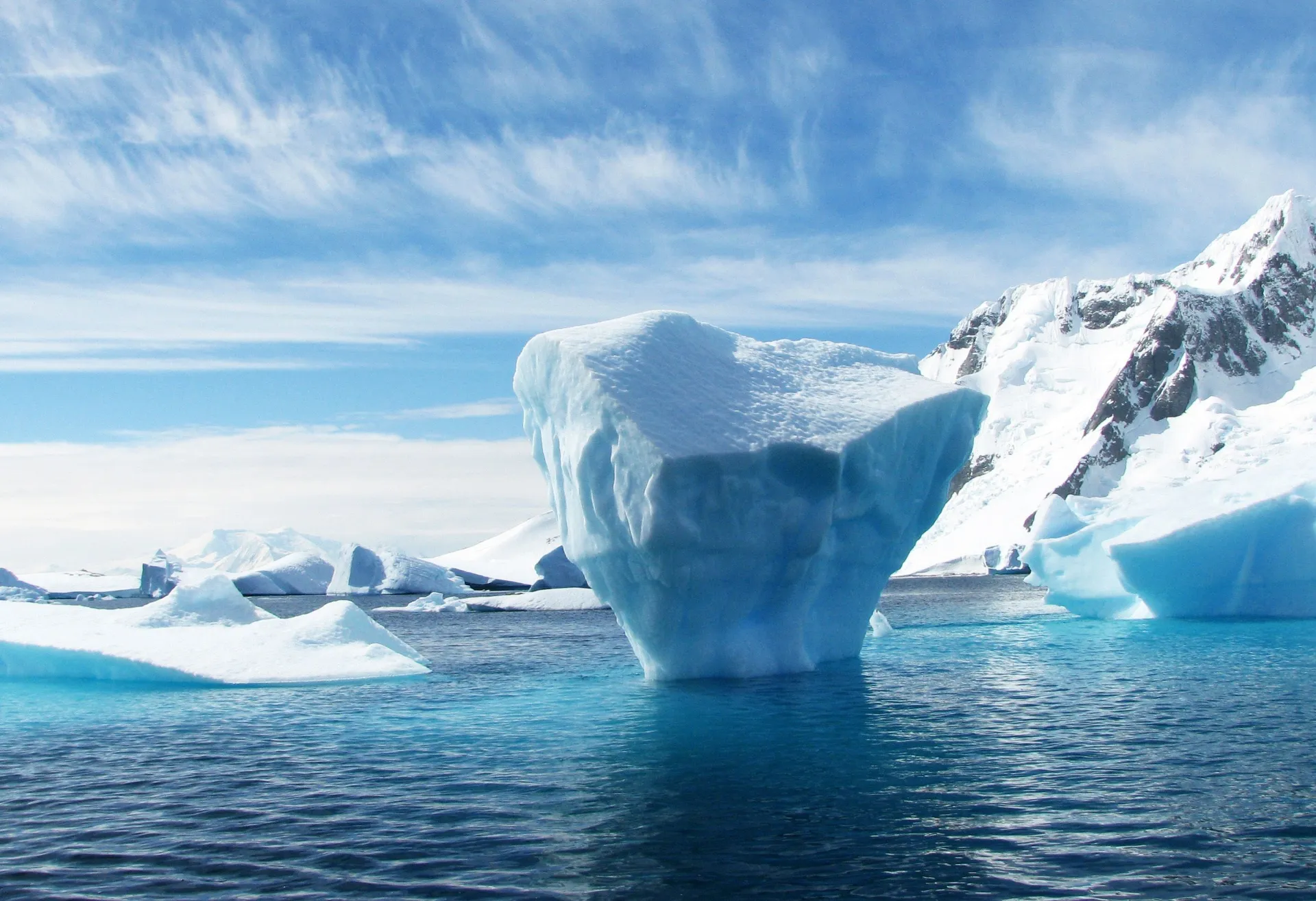 Travel to Antarctica
Custom-Made Experiences by Locals
Tours by Travel Style
In the following sections, you'll find tours focused on the main region you want to visit. They include traditional & thematic tours, interesting articles, and relevant information. If your interest is focusing mainly in Chile or Antarctica, please visit our Chile and Antarctica sections.
 Classic Journeys
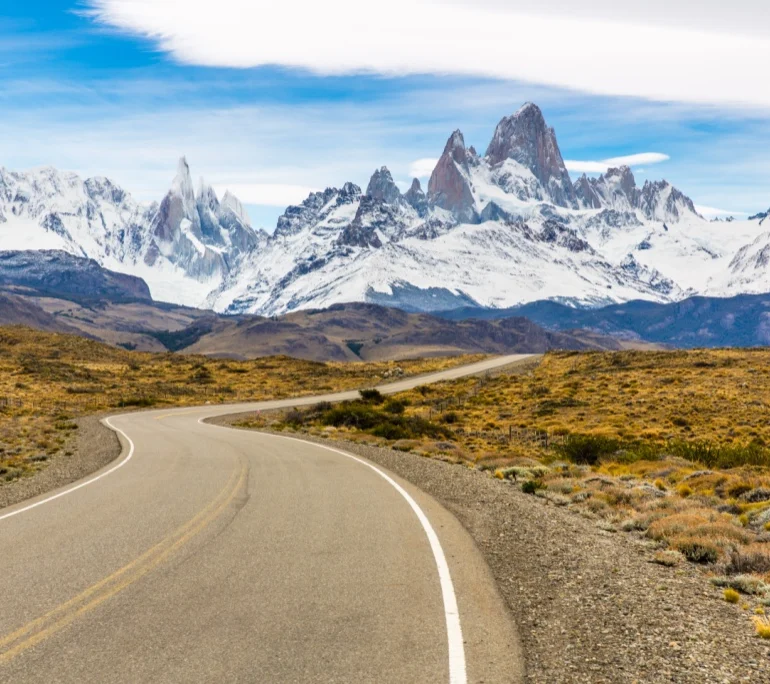 Road Trips
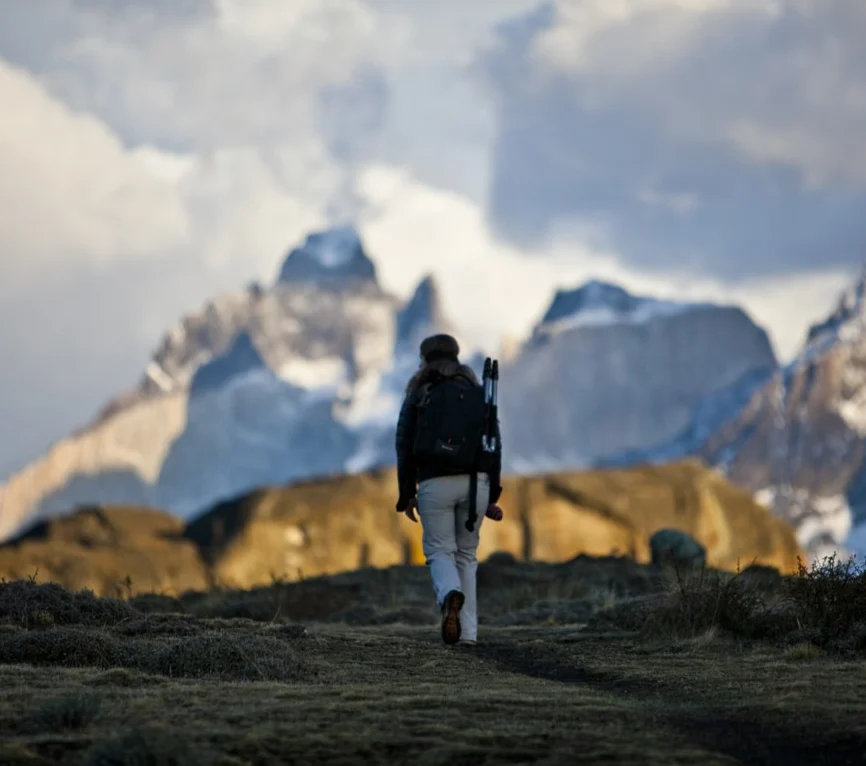 Hiking Adventures
 Wildlife Experiences
 Luxury Escapes
 Foodies
 Honeymoon
 Family Travel
 Cruises