Pumas in Patagonia: An Incredible Wildlife Experience in Argentina & Chile
One of the most impressive yet elusive animals in Patagonia is the puma (Puma concolor). Also known as the mountain lion, it is one of the largest wild cats in the Americas and a powerful symbol of…
Pumas: A Guide to Argentina & Chile’s Wild Cats
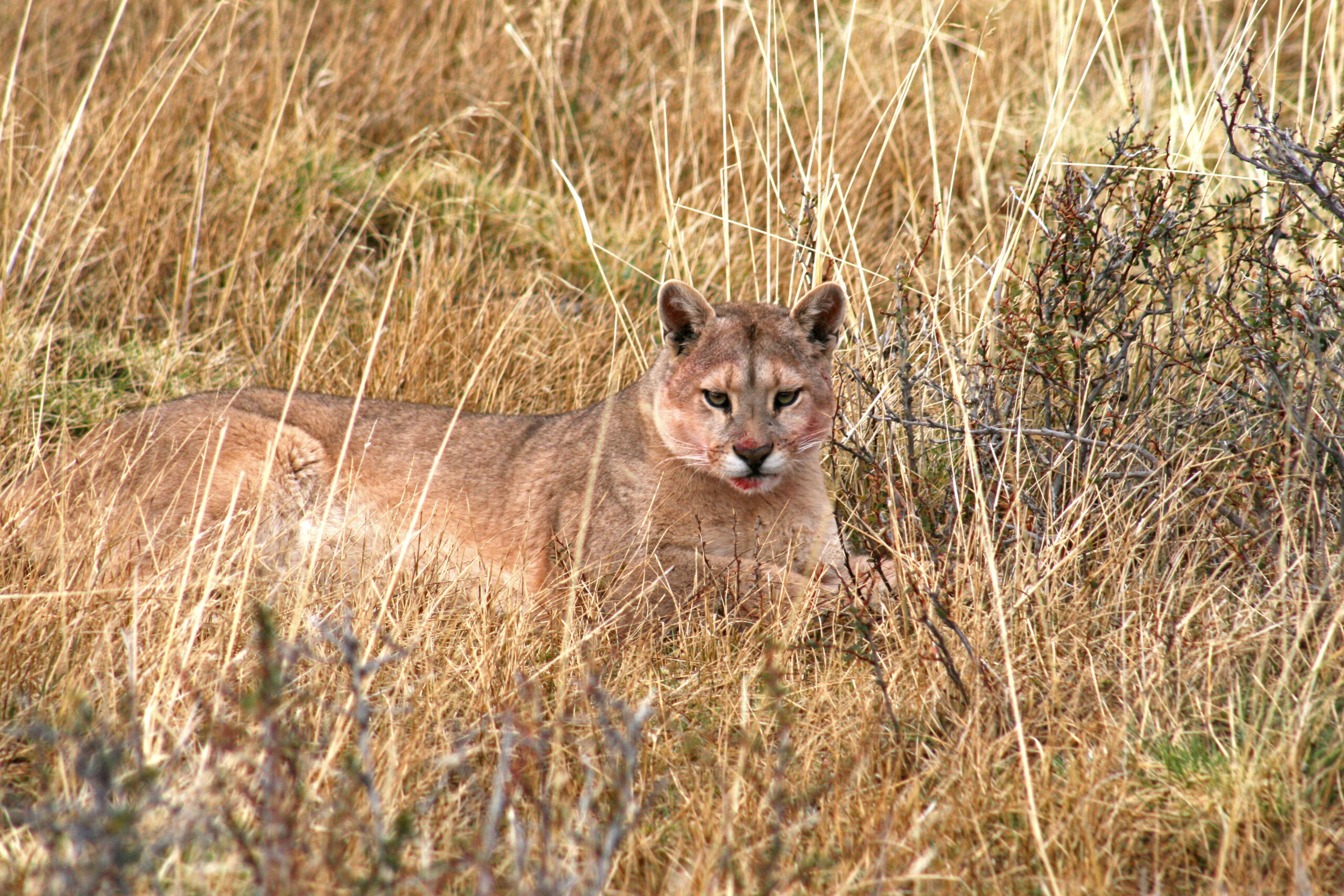
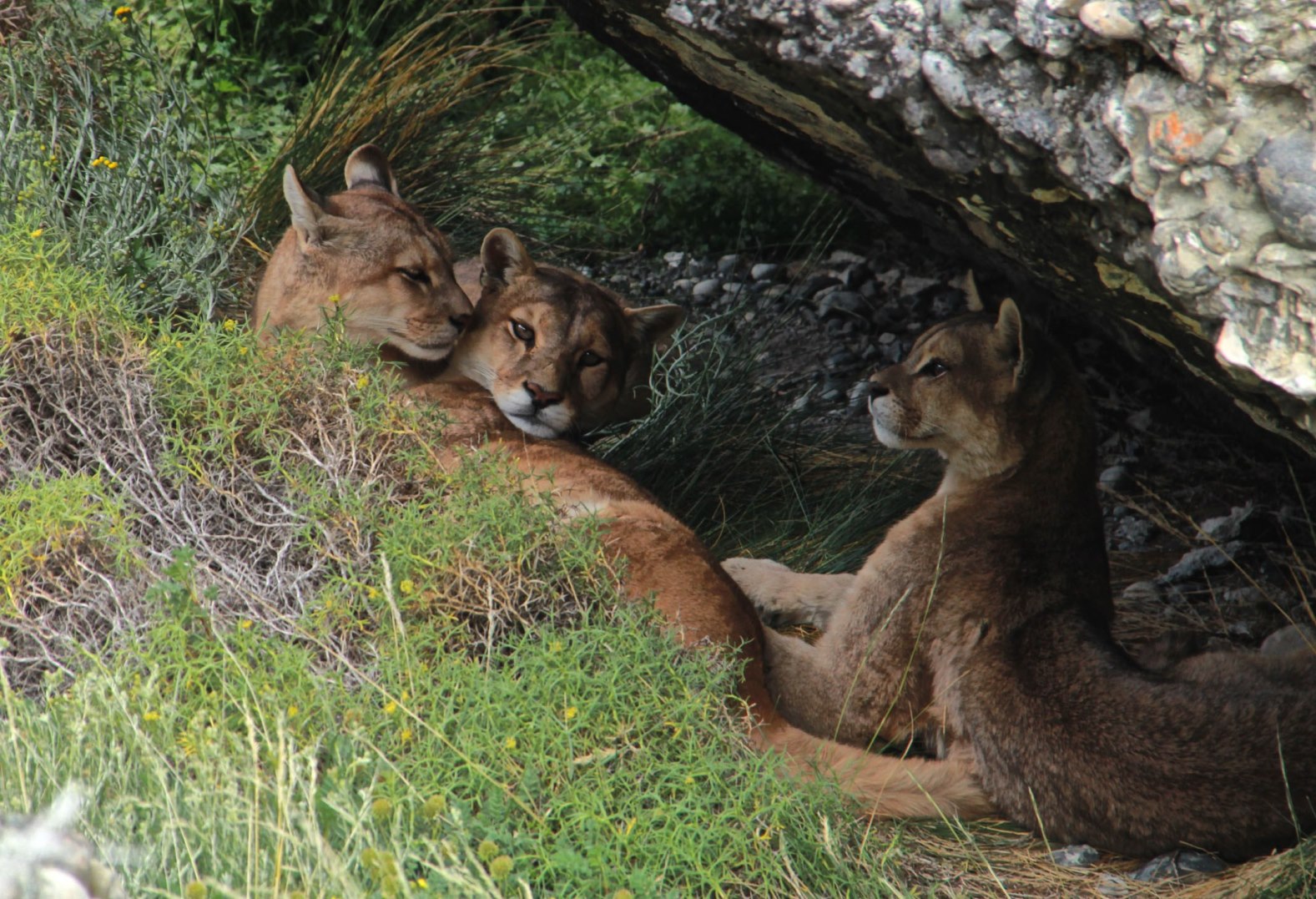
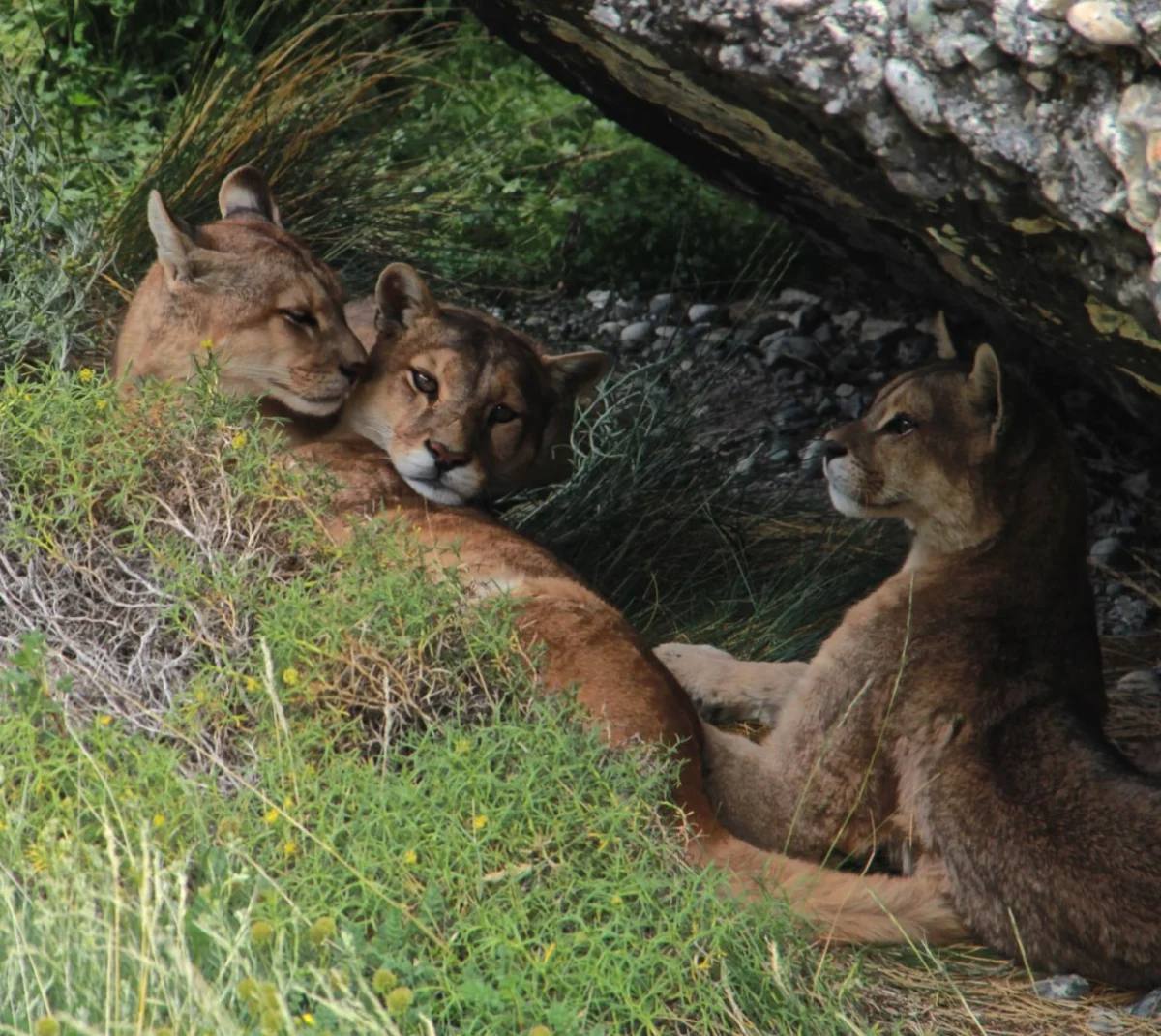
One of the most impressive yet elusive animals in Patagonia is the puma (Puma concolor). Also known as the mountain lion, it is one of the largest wild cats in the Americas and a powerful symbol of Patagonia's wildlife. Although spotting Pumas in Patagonia has traditionally been challenging, sightings are increasingly sought after in areas such as Torres del Paine National Park, where dedicated tracking experiences offer travelers a better chance of observing these magnificent predators in the wild.
Seeing a wild puma in Patagonia is an unforgettable wildlife experience, often compared to an African safari for its sense of anticipation, wilderness, and close connection with nature.
Pumas in Patagonia: Fascinating Facts & Wildlife Insights
The puma is Patagonia's largest land predator. Females typically weigh around 50 kg (110 lb), while males can reach 80 kg (176 lb) or more. Adults can measure up to 2.8 meters (9.2 ft) from head to tail and may live for around 10 years or more in the wild.
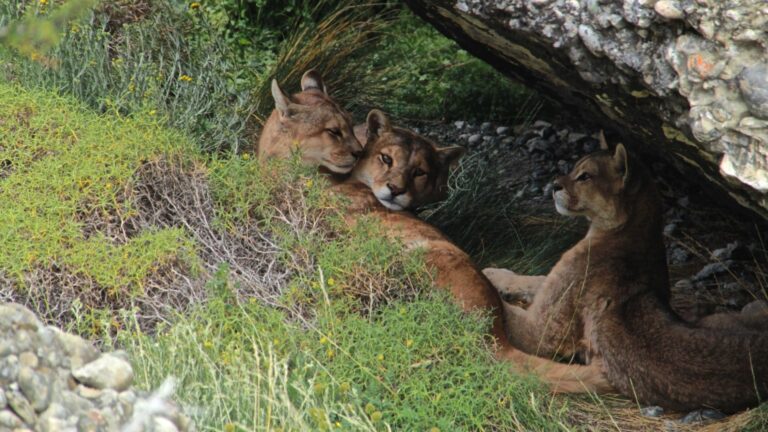
Their agility, exceptional camouflage, and highly developed senses of smell, sight, and hearing make them remarkably efficient hunters. In Patagonia, their main prey is often the guanaco, although they also hunt rheas, rodents, birds, and other mammals. Females usually give birth to one to six cubs, which remain dependent on their mother for up to around two years.
Adult pumas are generally solitary and territorial. Unlike lions and other big cats that can roar, pumas cannot roar. Instead, they communicate through a variety of vocalizations, including purr-like sounds, hisses, and growls.
Livestock and Other Challenges Facing Pumas in Patagonia
Puma attacks on humans are extremely rare. Pumas are generally wary of people and tend to avoid human contact whenever possible. However, the species has historically faced persecution, particularly because of conflicts with livestock and, in some areas, sport hunting.
In Patagonia, sheep farming takes place across vast open landscapes, making livestock vulnerable to predators. Puma predation can create significant losses for ranchers, and for many years, killing pumas was a common response. In some parts of Argentina, authorities historically even offered rewards for hunting them. Today, greater understanding of the puma's ecological role has contributed to stronger conservation efforts and a growing focus on coexistence.
Research and field programs have shown that non-lethal livestock management techniques can help reduce conflicts. Protecting natural prey populations, using livestock guardian animals such as dogs, donkeys, and mules, and improving nighttime livestock management can all help reduce predation.
Wildlife tourism can also support puma conservation by creating economic incentives to protect these predators. Responsible puma tracking attracts photographers and wildlife enthusiasts from around the world, particularly to destinations such as Torres del Paine, where puma sightings have become an important part of the region's wildlife tourism.
In Argentina, Pumakawa, a conservation-focused natural reserve in Córdoba Province, works to rescue and rehabilitate native wildlife, promote environmental education, and develop strategies to reduce conflicts between pumas and livestock. Its conservation programs include techniques such as livestock guardian animals and other measures designed to encourage coexistence.
Pumas in Patagonia: Their Role in the Ecosystem and Relationship with Humans
Pumas in Patagonia sit at the top of the food chain and are the region's principal natural predators of guanacos, their most important prey in many parts of Patagonia. When a puma kills a guanaco, the carcass can provide food for a wide range of scavengers, including condors, foxes, insects, and other species, highlighting the puma's important role in the ecosystem.
Their ecological role extends beyond predation. In places such as Torres del Paine National Park, pumas are part of a natural predator-prey relationship with guanacos. By regulating herbivore populations and influencing their behavior and distribution, predators can contribute to maintaining ecological balance and reducing pressure on vegetation. Torres del Paine is home to both pumas and large populations of guanacos, making it an excellent example of Patagonia's interconnected wildlife.
Understanding the relationship between humans and Pumas in Patagonia is equally important. Livestock farming has expanded across much of the region, creating areas where sheep and other domestic animals overlap with puma habitat and natural prey. Because guanacos and sheep share many of the same plant resources, changes in land use and prey availability can influence predator-livestock interactions. Puma predation can cause significant losses for ranchers, contributing to conflicts that have historically resulted in persecution of the species.
Female pumas with cubs may also require substantial amounts of food while raising their young, and predation on livestock can sometimes increase during this demanding period. Young pumas remain dependent on their mothers for an extended period as they learn to hunt and survive independently. If a mother is killed through illegal hunting or other human-related causes, her cubs may have little chance of surviving in the wild.
Human activity can also negatively affect Patagonia's wildlife and fragile ecosystems. Irresponsible tourism, including lighting fires outside authorized areas, leaving litter behind, or abandoning designated trails, can damage protected landscapes and disturb wildlife. Torres del Paine National Park has experienced several devastating wildfires, including major fires in 2005 and 2011–2012. CONAF identifies human activity as a major cause of wildfires in Chile, with negligence and carelessness accounting for a substantial proportion of human-caused fires.
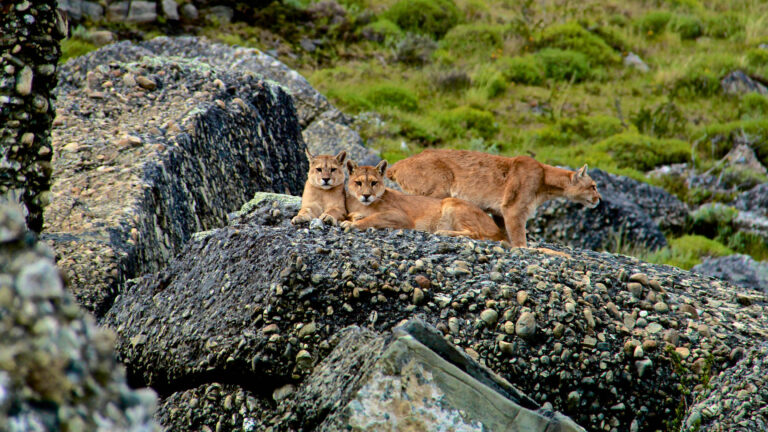
Responsible Puma Encounters in Patagonia
Absolutely—but only through responsible wildlife tourism. Whenever you visit Patagonia, remember that you are entering the natural habitat of many wild species. If you are fortunate enough to encounter a puma, observe it from a safe distance and never approach or disturb it. Respecting wildlife helps protect both visitors and animals while allowing pumas to maintain their natural behavior.
Pumas in Patagonia do not naturally consider humans their prey, but encounters should always be treated with caution. If you encounter a puma on foot, stay calm, never run, and slowly back away while keeping the animal in sight. Keep children close, maintain a safe distance, and always follow the instructions of your guide or local authorities.
How and Where Can You See Pumas in Patagonia?
Torres del Paine National Park is one of the best places in Patagonia to observe wild pumas. However, spotting one still requires patience, experience, and a little luck. The best way to observe Pumas in Patagonia responsibly is by joining a private tour with an experienced puma tracker or wildlife guide. Besides increasing your chances of a sighting, local guides can help you understand the area's unique wildlife and ecosystems.
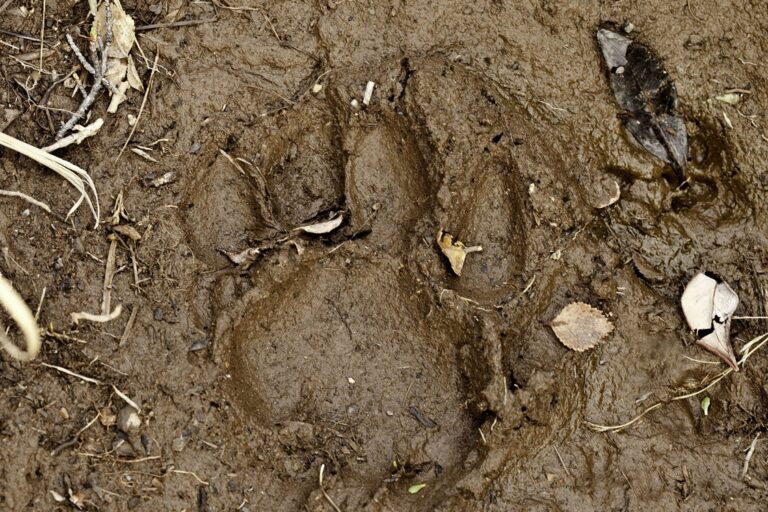
Experienced trackers pay close attention to subtle signs in the landscape, particularly the behavior of guanacos, the puma's main prey in Patagonia. When guanacos sense a predator, they become highly alert and may emit warning calls, providing valuable clues that a puma could be nearby.
Andean condors can also offer useful clues. These scavengers feed on carcasses, including guanaco remains. Several condors circling or gathering in one area may indicate a recent kill, although this does not necessarily mean a puma is still nearby.
For travelers hoping to experience Pumas in Patagonia, responsible tracking offers much more than the chance of a sighting. It provides a fascinating way to understand the connections between predators, prey, scavengers, and Patagonia's wild
Puma Watching in Torres del Paine
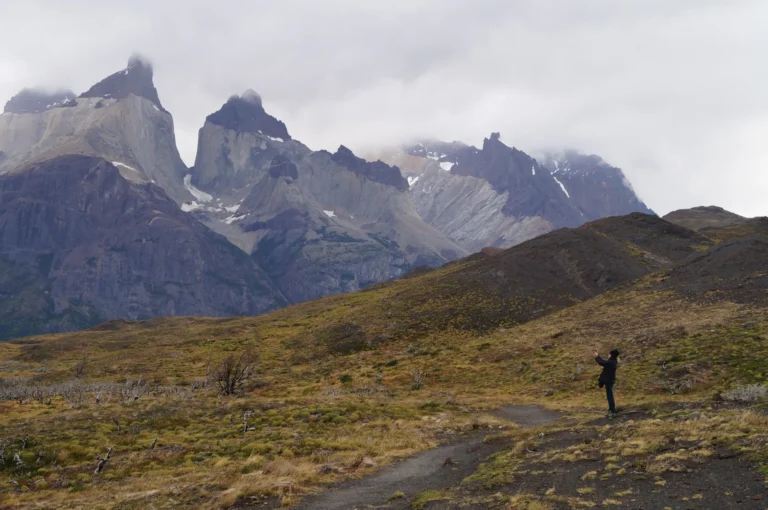
Torres del Paine National Park is one of the world's leading destinations for observing Pumas in Patagonia and has become an important center for responsible puma tourism. Years of scientific research, conservation, and wildlife monitoring have created opportunities for photographers and wildlife enthusiasts to observe these incredible predators in their natural habitat. Today, visitors from around the world travel to Torres del Paine hoping to spot a puma. Although encounters can never be guaranteed, joining an experienced puma tracker can significantly increase the chances of a sighting while ensuring that wildlife is observed responsibly. There are several puma tracking experiences available, including our Patagonia Puma Tracking Tour. Experienced local trackers use their knowledge of the landscape, puma movements, footprints, and other signs to locate areas where these elusive predators may be active. Puma tracking is possible year-round, although March to September can offer a quieter experience with fewer visitors. These wildlife experiences can be combined with trekking, scenic excursions, and other activities throughout Torres del Paine, with programs ranging from full-day excursions to multi-day puma safaris.
Pumas in Patagonia: Conservation and Sustainability in Santa Cruz
Another excellent destination for observing Pumas in Patagonia is Patagonia National Park, located in northwestern Santa Cruz Province, Argentina. This protected area preserves vast Patagonian steppe landscapes and provides important habitat for native wildlife. Organizations such as Rewilding Argentina play an important role in puma conservation, using scientific monitoring methods, including GPS collars, to study their movements and behavior and support long-term conservation strategies. Besides pumas, Patagonia National Park is home to guanacos, condors, foxes, rheas, and the remarkable Wolffsohn's viscacha, locally known as the chinchillón anaranjado.
Rewilding Argentina also works with nearby communities, particularly around the town of Perito Moreno, promoting sustainable tourism and nature-based experiences. At Estancia Los Toldos, Posta Los Toldos provides a comfortable base for exploring the region, with private rooms, a cozy lounge, regional cuisine, and a homemade observatory for stargazing. Experienced local guides lead wildlife excursions through the surrounding landscapes in search of pumas and other native species. Although sightings cannot be guaranteed, these experiences offer an opportunity to support conservation while enjoying an unforgettable wildlife encounter. From this area, visitors can also explore the spectacular Pinturas River Canyon and Cueva de las Manos (Cave of Hands), a UNESCO World Heritage Site renowned for prehistoric rock art dating back thousands of years. Most travelers reach this remote region as part of a self-drive Patagonia itinerary.
When Is the Best Time to See Pumas in Patagonia?
Pumas in Patagonia can be seen throughout the year, although winter, particularly between May and August, can offer excellent conditions for wildlife tracking in some areas. During the colder months, snow and changing wildlife movements can make animal tracks and signs easier to identify, while the park's low season means fewer visitors and less disturbance. Even so, puma tracking requires patience, experience, and a little luck. To maximize your chances of seeing a puma, we recommend staying for at least three days and joining an experienced tracker, with excursions scheduled around periods when pumas are more likely to be active, often early or later in the day.


Puma tracking is just one of Patagonia's incredible wildlife experiences. A visit to Torres del Paine can be combined with iconic destinations such as El Calafate, El Chaltén, Ushuaia, and Bariloche, as well as unforgettable whale watching, penguin colonies, and birdwatching across Argentina and Chile. Beyond Patagonia, travelers can continue their journey to Mendoza, Iguazú Falls, Northwest Argentina, and Buenos Aires, creating an unforgettable adventure filled with wildlife, nature, and culture.
Let's plan your personalized experience
Beyond BA Latam is a local travel agency based in Argentina that designs personalized tours in Argentina, Chile and Antarctica. We are very proud to work with a knowledgeable team capable to design trips based on your interests and traveling style. We are able to bring you a different and more enjoyable experience.
Related Articles
 Things to do in Torres del Paine & Travel guide
Located in Chilean Patagonia, Torres del Paine National Park is one of the most spectacular destinations in South America. The park is famous for its dramatic granite peaks, glacial lagoons, turquoise…
 Guanaco Facts
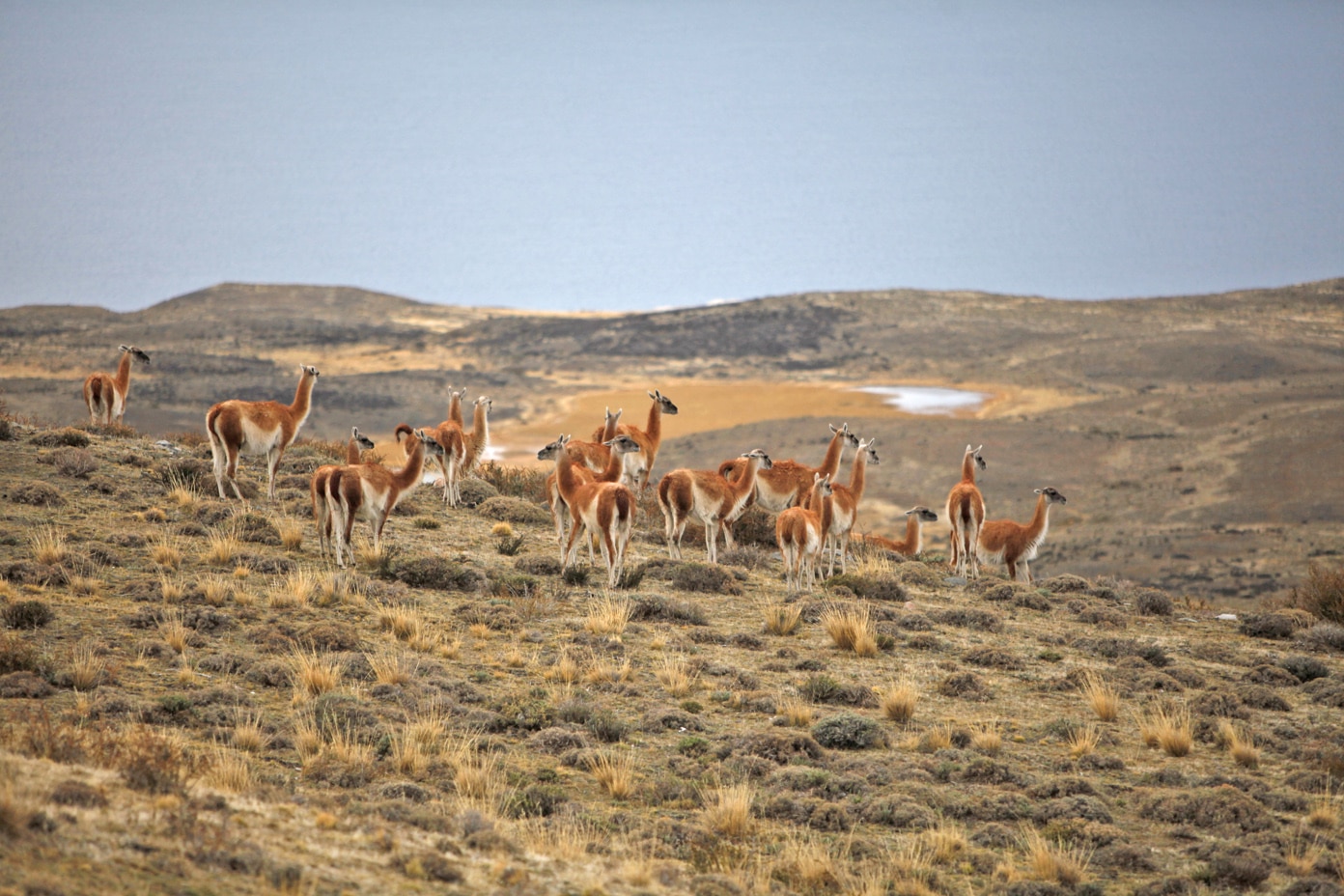
The Guanaco (Lama guanicoe) is a native South American animal. It is closely related to vicuñas, alpacas, and llamas, all of which belong to a group called "lamoids." Guanacos have a long neck, long…
 Patagonia Big Five
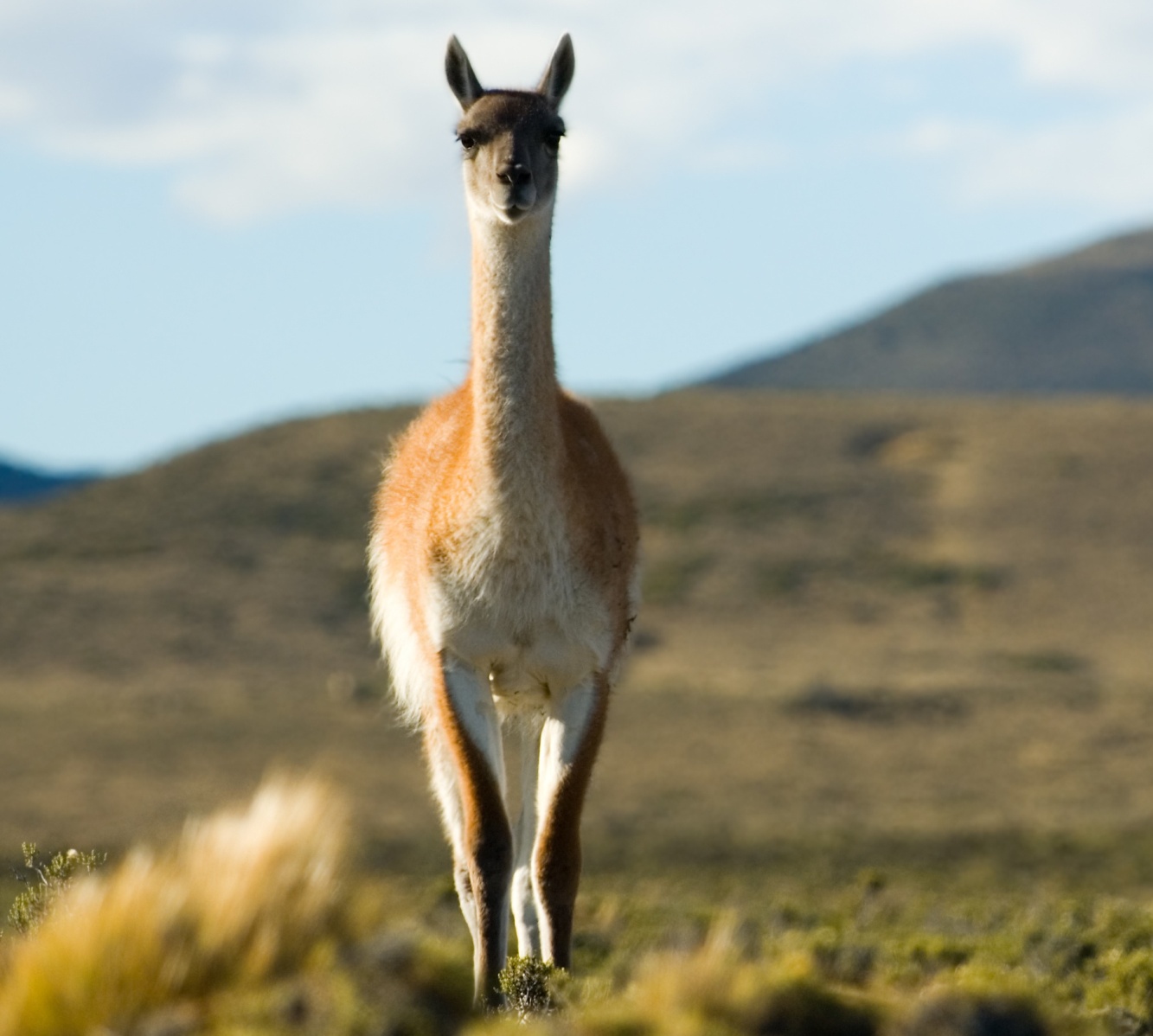
Even though there is no official definition of the Patagonia Big Five, many travelers and wildlife enthusiasts have embraced the idea of creating our own version of Africa’s famous safari concept.…
 Memorable wildlife encounters in Patagonia
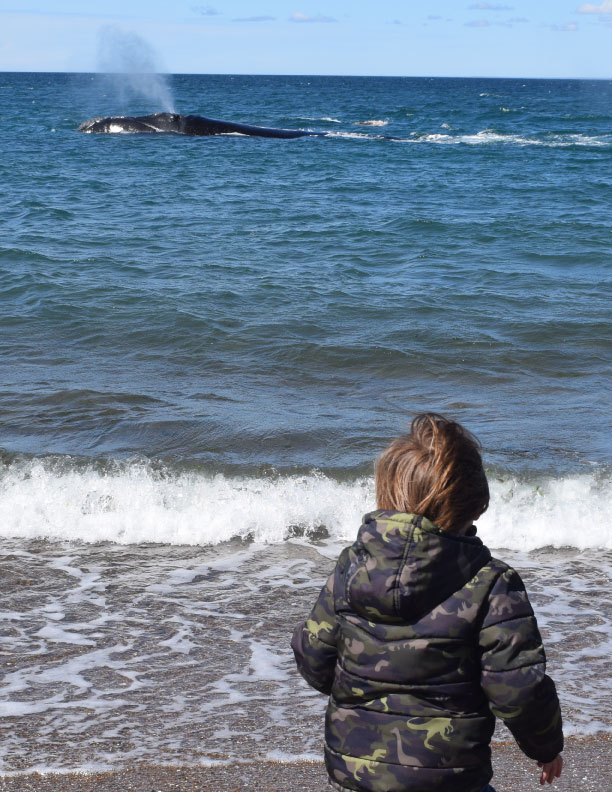
Hi there! This is Santiago, co-founder of Beyond BA Latam. As some of you may know, I’m from Argentina and I’m passionate about exploring my country — especially its wildlife. Argentina and Chile…
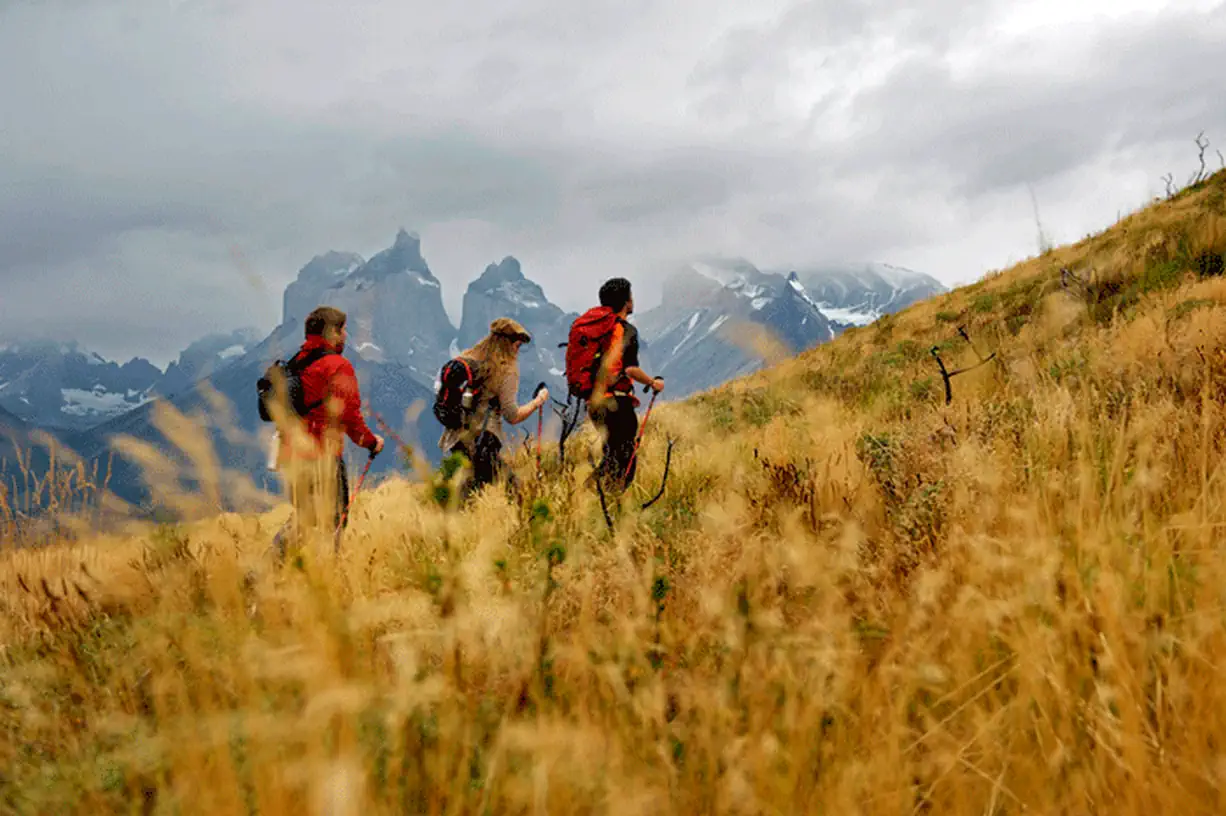 5 Travel Ideas for Low Season in Patagonia
Planning a journey to Patagonia is easy between October and March (high season), when weather conditions are ideal for exploring the region’s most famous attractions. However, the low season in…
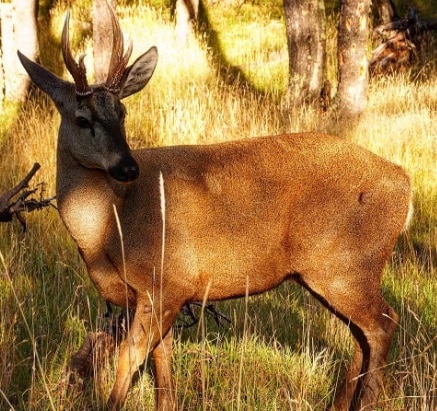 Mammals of Patagonia
Beyond Patagonia’s famous residents such as whales, penguins, and pumas, there is an extraordinary world filled with diverse wildlife. Across the untamed landscapes of Argentina and Chile, visitors…
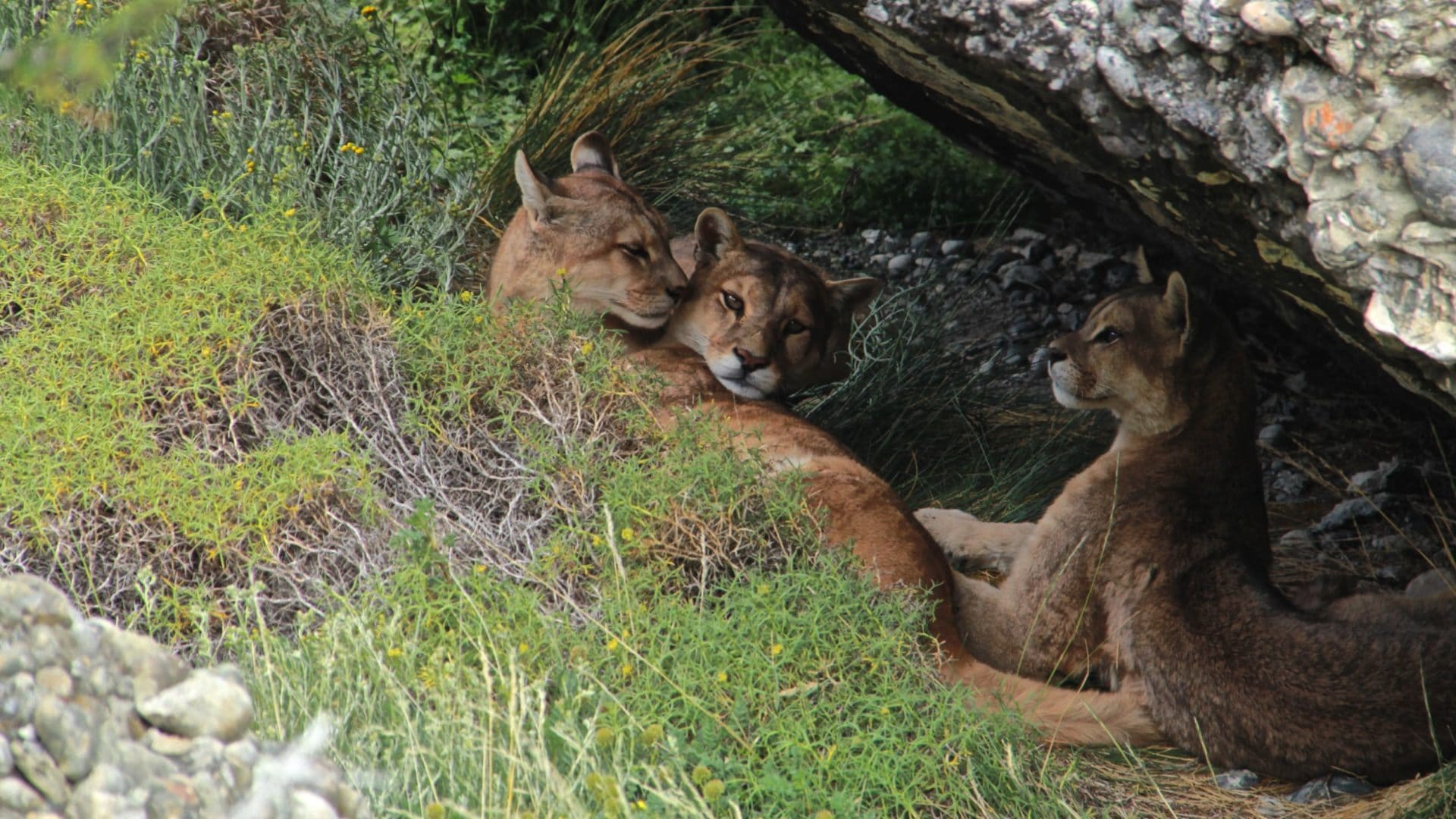 Wild Cats of Argentina
 are among the country’s most fascinating and elusive wildlife species. From the mighty jaguar roaming subtropical forests to the tiny kodkod hidden deep within Patagonian…
- Geoffroy's Cat – The Elusive Feline of the Southern Cone
Small, agile, and incredibly elusive, the Geoffroy's Cat (Leopardus geoffroyi) is one of South America’s lesser-known wild cats. Found across a wide range of habitats in Argentina, Chile, Uruguay…
 Condors in Argentina & Chile: Discover Their Majestic World
Condors in Argentina are among the country’s most impressive wildlife encounters. Gliding effortlessly over the Andes Mountains, Patagonia, and other rugged landscapes, the Andean Condor is one of the…
Inspiring Tours
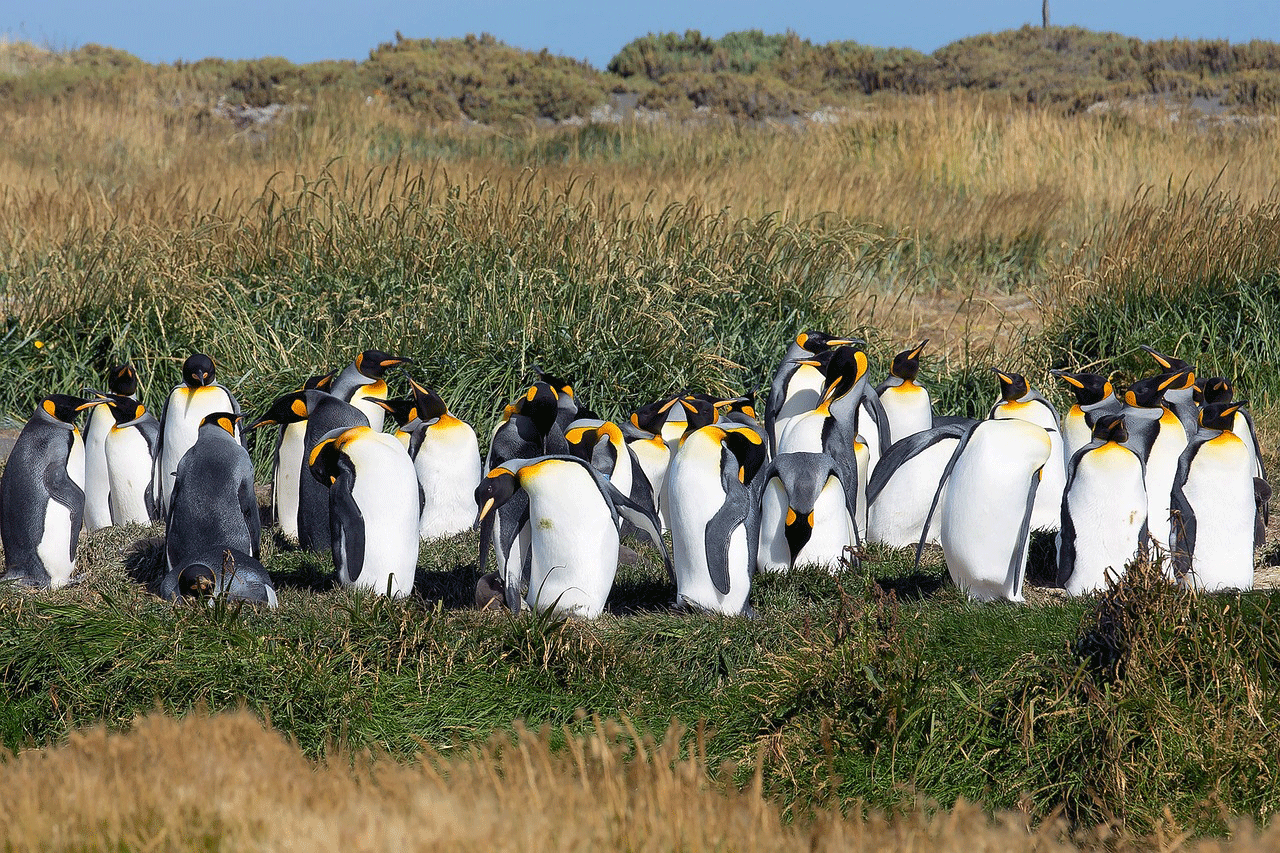 Patagonia Penguins Tour
Puerto Deseado, Peninsula Valdés, Ushuaia, Tierra del Fuego
 Wildlife: Peninsula Valdes, the Wetlands & Iguazu Falls
Buenos Aires, Peninsula Valdés, Iberá Wetlands, Iguazú Falls
 Patagonia Wildlife Safari
Peninsula Valdés, Puerto Madryn, El Calafate, Torres del Paine National Park & Puerto Natales
Trips by Destination
In the following sections, you'll find tours focused on the main region you want to visit. They include traditional & thematic tours, interesting articles, and relevant information.
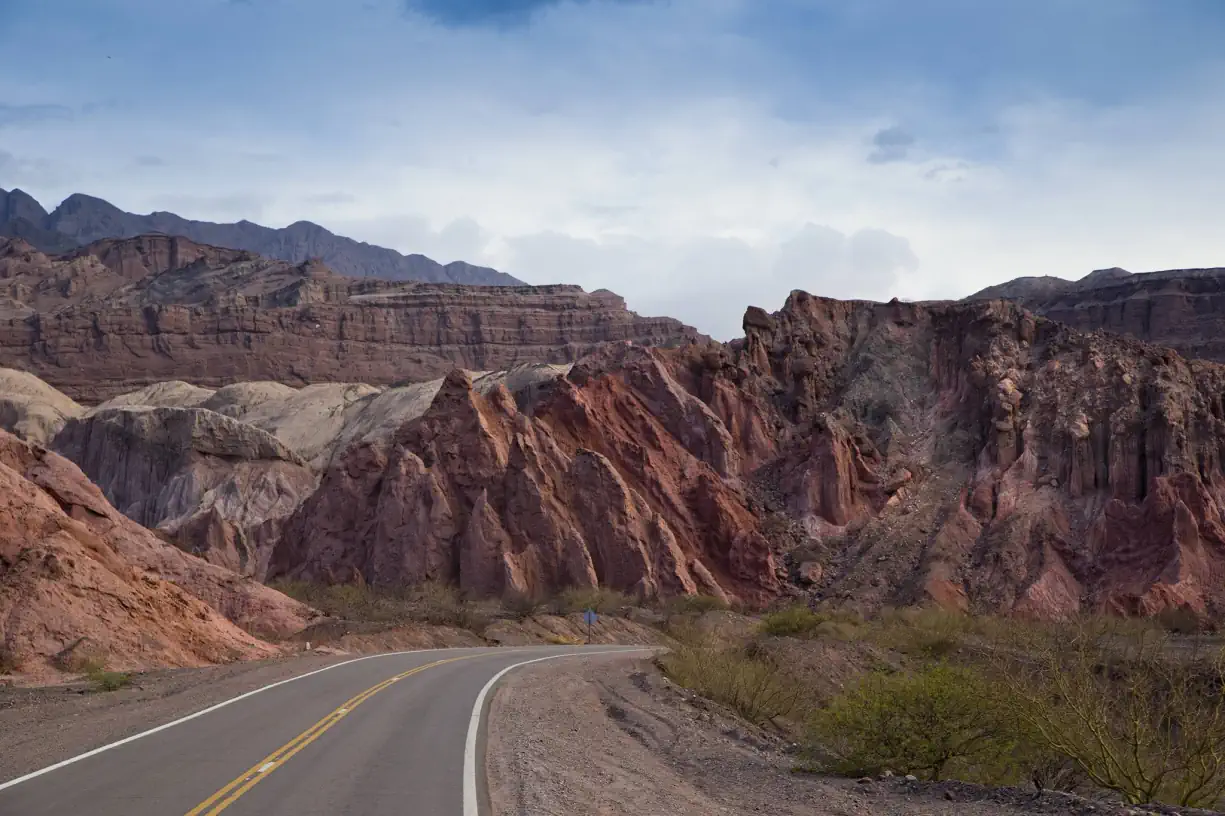 Argentina
Custom-Made Experiences by Locals
 Patagonia
Custom-Made Experiences by Locals
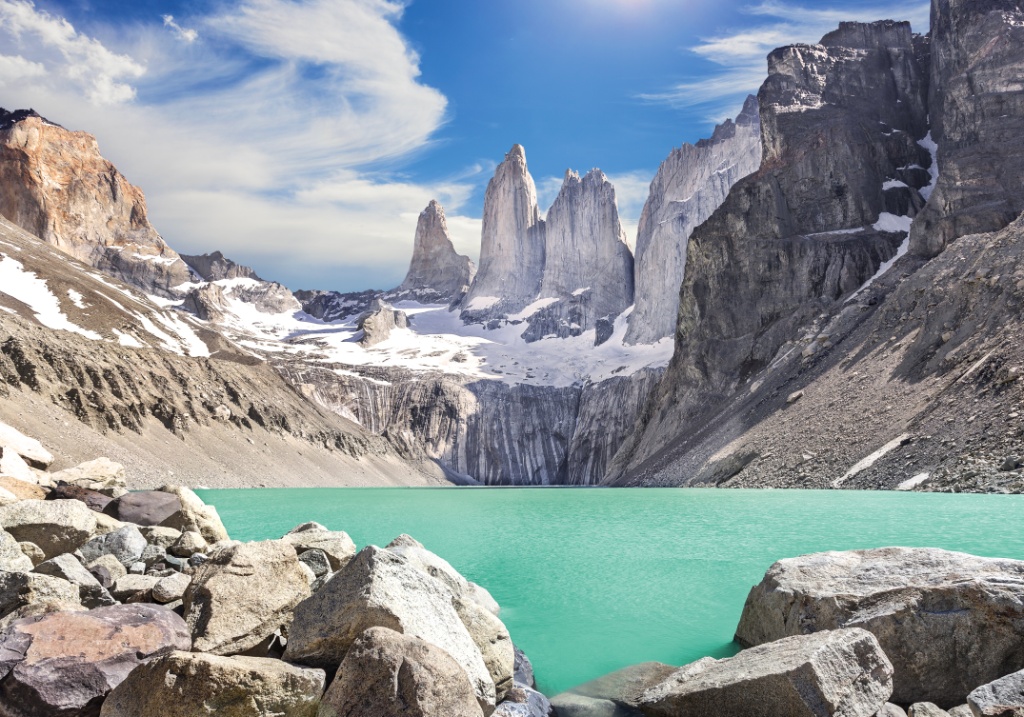 Chile
Custom-Made Experiences by Locals
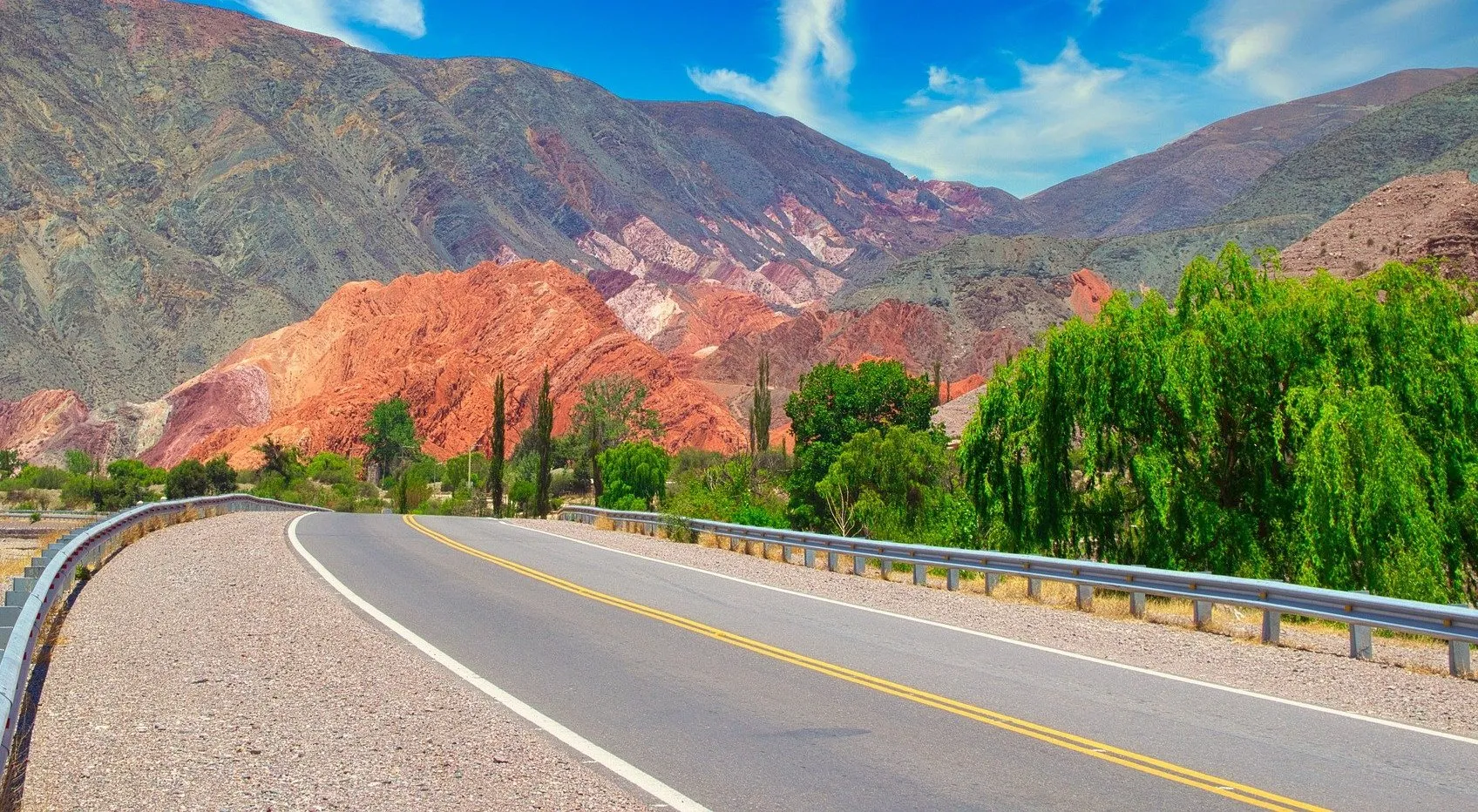 Northwest Argentina Holidays
Custom-Made Experiences by Locals
 Travel to Antarctica
Custom-Made Experiences by Locals
Tours by Travel Style
In the following sections, you'll find tours focused on the main region you want to visit. They include traditional & thematic tours, interesting articles, and relevant information. If your interest is focusing mainly in Chile or Antarctica, please visit our Chile and Antarctica sections.
 Classic Journeys
 Road Trips
 Hiking Adventures
 Wildlife Experiences
 Luxury Escapes
 Foodies
 Honeymoon
 Family Travel
 Cruises