Patagonian Desert (Steppe)
The Patagonian Desert, also known as the Patagonian steppe, is located mostly in southern Argentina, with a smaller portion extending into Chile. This vast and arid region is characterized by rugged…

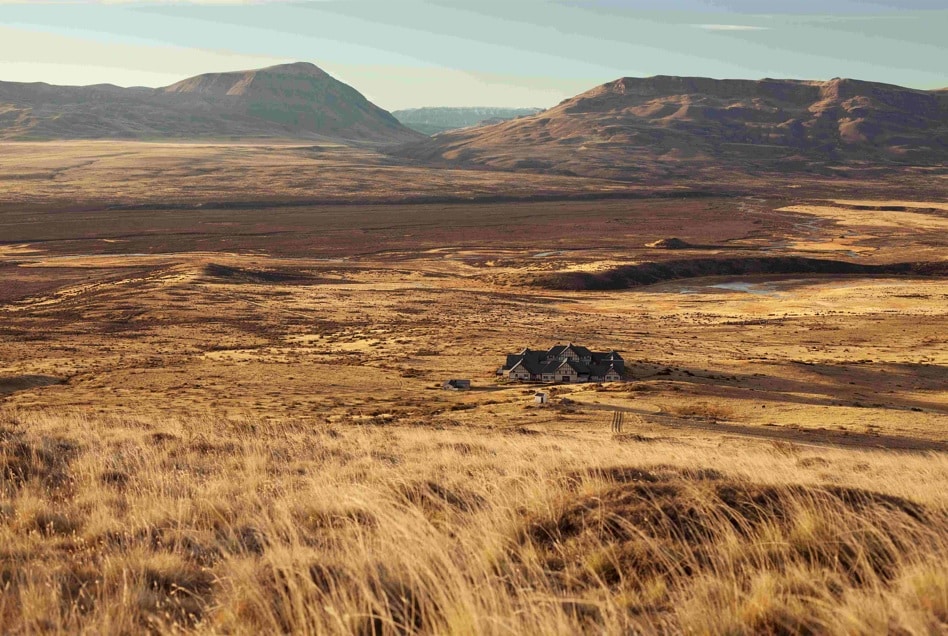
The Patagonian Desert
The Patagonian Desert, also known as the Patagonian steppe, is located mostly in southern Argentina, with a smaller portion extending into Chile. This vast and arid region is characterized by rugged landscapes, strong winds, and extreme weather conditions.
This semi-desert ecosystem stretches across more than 600,000 square kilometers, making it one of the largest and most remote environments in South America. Temperatures vary significantly throughout the year, with winters often dropping below freezing and summers reaching up to 30°C (86°F).
The region is especially known for its intense winds, which make the harsh environment even more challenging. The Patagonian steppe spreads mainly across the provinces of Chubut, Santa Cruz, and parts of Neuquén, Río Negro, and Tierra del Fuego.
Geology of the Patagonian Steppe
The geology of the Patagonian steppe is as diverse and fascinating as its wildlife. The region is characterized by vast plateaus, volcanic formations, canyons, and ancient rock outcrops.
Much of the landscape has been shaped by wind and water erosion over millions of years. The steppe features extensive basaltic lava flows and sedimentary rock layers, some dating back to the Jurassic period.
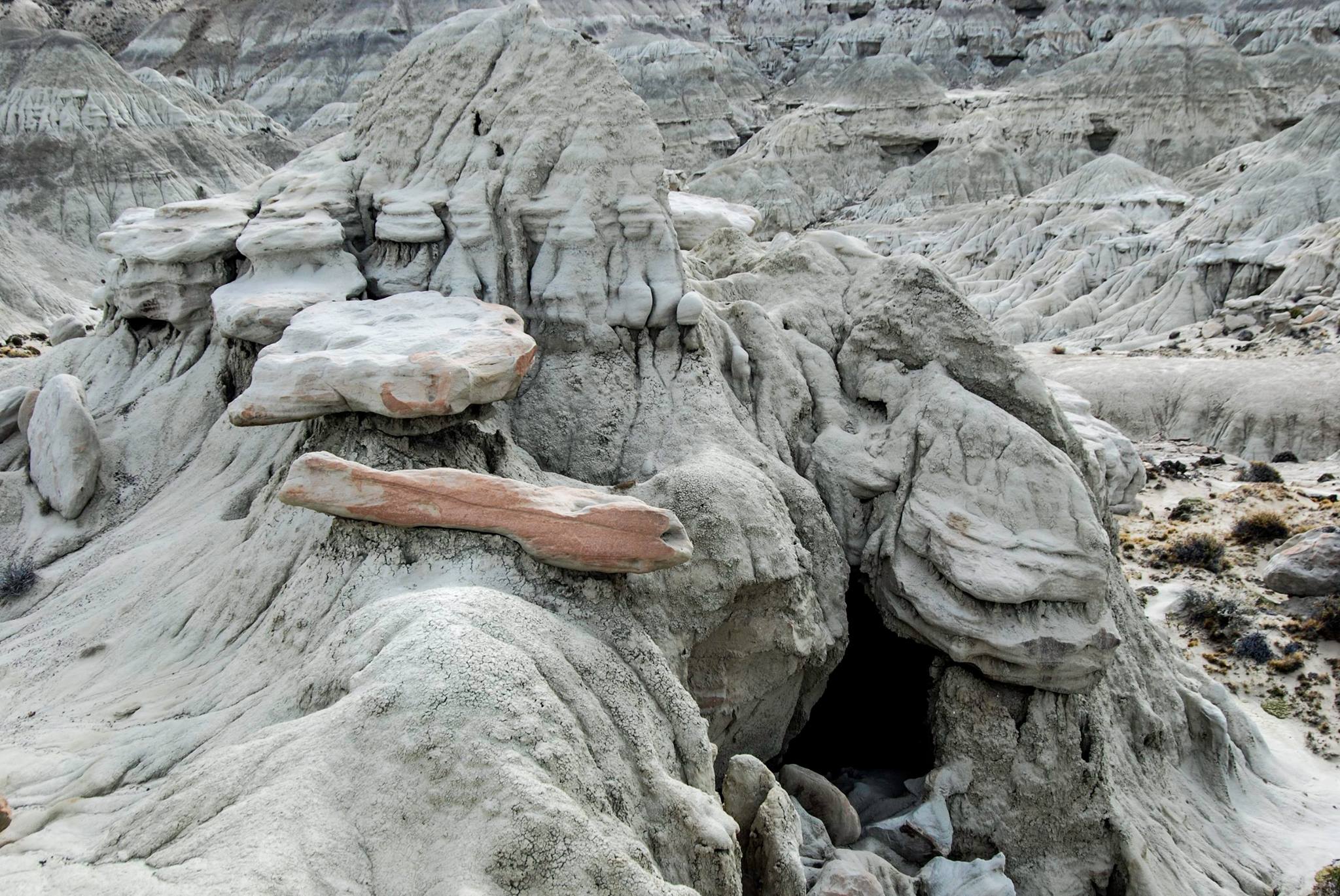
One of the most remarkable geological features is the Meseta de Somuncurá, a volcanic plateau that offers insight into the area's volcanic history. The region also contains numerous dinosaur fossils, providing a fascinating glimpse into prehistoric life.
Although the steppe is often associated with flat landscapes, it also includes impressive canyons with colorful cliffs and dramatic scenery.
Flora and Plants of the Steppe
The flora of the Patagonian steppe is specially adapted to its dry and windy conditions. Vegetation mainly consists of hardy shrubs, grasses, and thorny bushes.
Common plant species include coirón grass, which forms dense tufts that provide shelter for wildlife. Other notable plants include mata negra and neneo, both highly resistant to drought and wind.
During spring, the steppe experiences a brief but vibrant bloom of wildflowers, adding splashes of color to the otherwise muted landscape. These plants also play an essential role in preventing soil erosion and maintaining the ecosystem.
Mata negra (Junellia tridens) is a dense shrub with yellow flowers that retains moisture, making it ideal for the arid climate. Cushion plants (Azorella trifurcata) are compact and low-growing species with deep roots adapted to poor soils.
Palo amarillo (Berberis montana) adds color to the landscape with its yellow flowers and purple berries. Other important species include the peppertree (Schinus latifolius) and hierba negra (Mulinum spinosum), both well adapted to the steppe environment.
Tourist Attractions in the Patagonian Steppe
Despite its harsh conditions, the Patagonian steppe offers a remarkable variety of attractions for travelers. In this article, we also include destinations located in the Patagonian plateau, or “meseta,” which shares similarities with the steppe and is highly relevant from a tourism perspective.
One of the region’s most famous destinations is Península Valdés, a UNESCO World Heritage Site known for its dramatic coastal scenery and abundant wildlife, including southern right whales, penguins, orcas, foxes, guanacos, and rheas.
Cueva de las Manos, or Cave of Hands, is another major attraction. This archaeological site features ancient rock art dating back more than 9,000 years. Located within Patagonia Argentina National Park, the area also includes attractions such as the Pinturas River Canyon and Tierra de Colores.
Visitors can also explore the petrified forests of Sarmiento, La Leona, and Jaramillo, where fossilized trees reveal the region’s ancient geological past.
The steppe is dotted with salt flats, volcanic formations, colorful cliffs, and picturesque lakes, making it a paradise for photographers and nature enthusiasts.
Puerto Deseado and the Atlantic coast offer almost Jurassic-like scenery that combines ocean wildlife with the immensity of the Patagonian desert along Ruta 3.
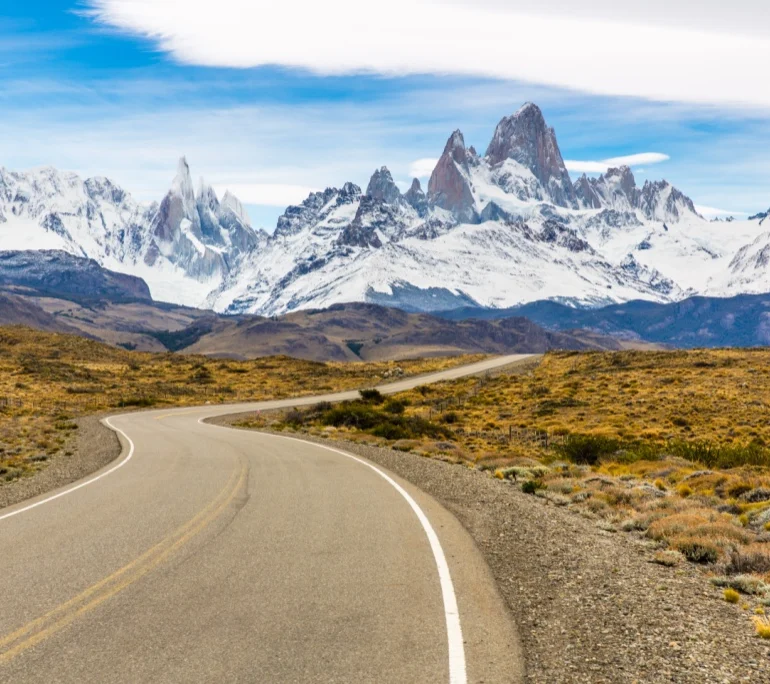
Closer to Ruta 40, travelers can combine the steppe with attractions in the Andean Patagonian forests, including El Chaltén, Mount Fitz Roy, Cerro Torre, and Los Glaciares National Park near El Calafate and Perito Moreno Glacier.
This combination creates an extraordinary contrast between the arid Patagonian desert and the glaciers, forests, rivers, and mountains of Andean Patagonia.
The Piedra Parada volcanic neck in Chubut and the basalt columns of Valle de los Altares are also remarkable geological highlights.
Campamento Darwin is another iconic site, where Charles Darwin wrote his famous phrase: “...I do not think I ever saw a spot which appeared more secluded from the rest of the world than this rocky crevice in the wide plain.”
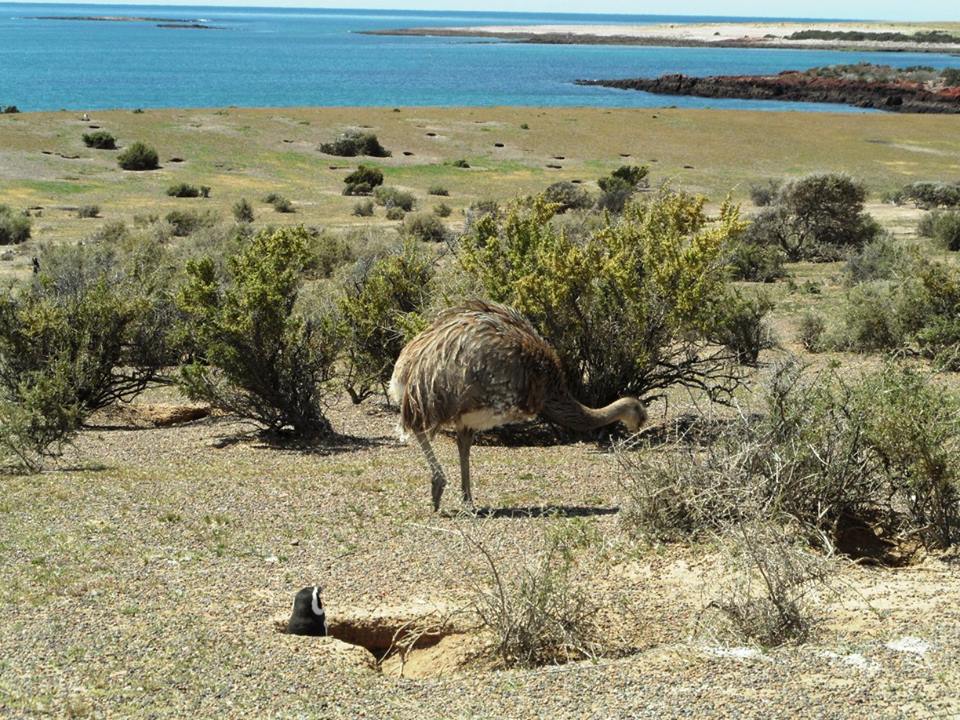
Wildlife of the Patagonian Steppe
The Patagonian steppe is home to a diverse array of wildlife uniquely adapted to survive in this demanding environment.
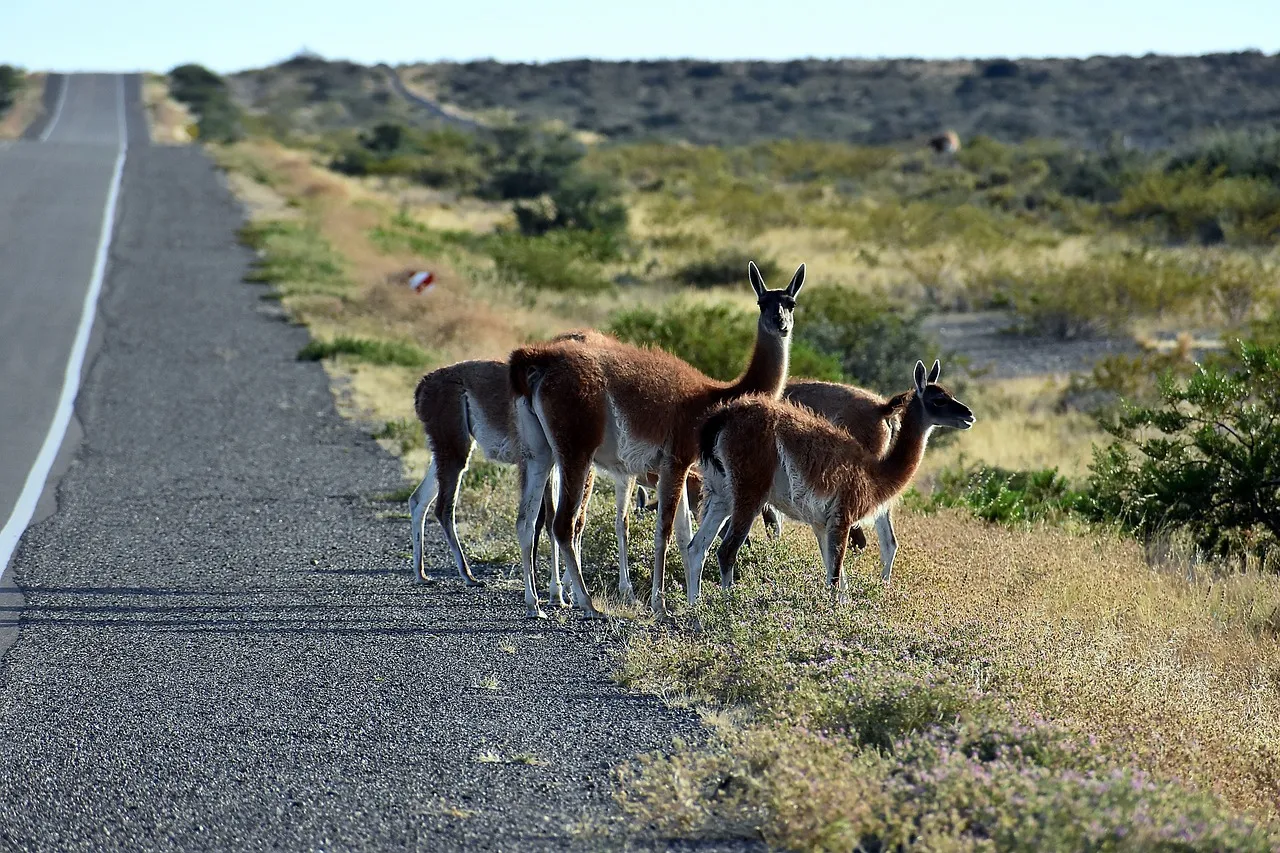
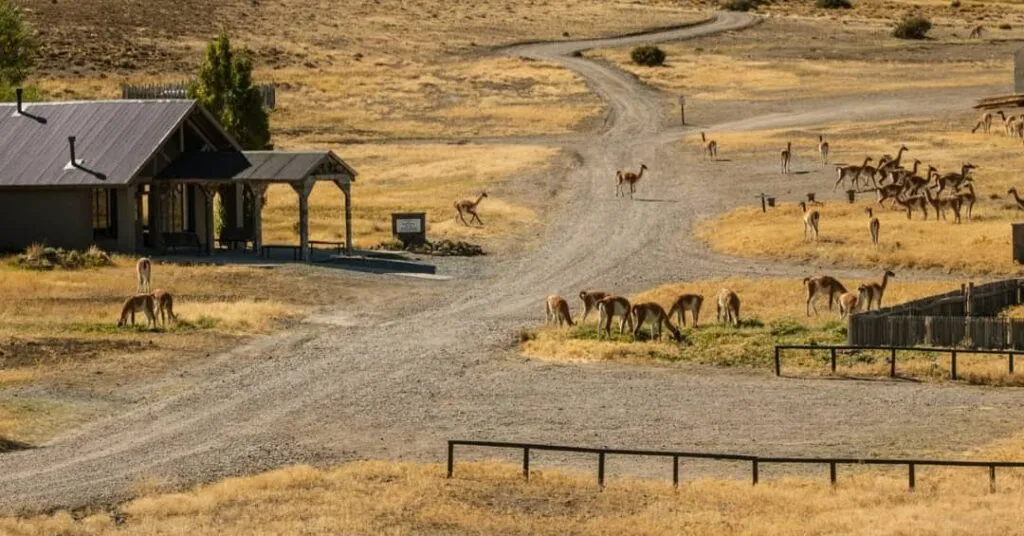
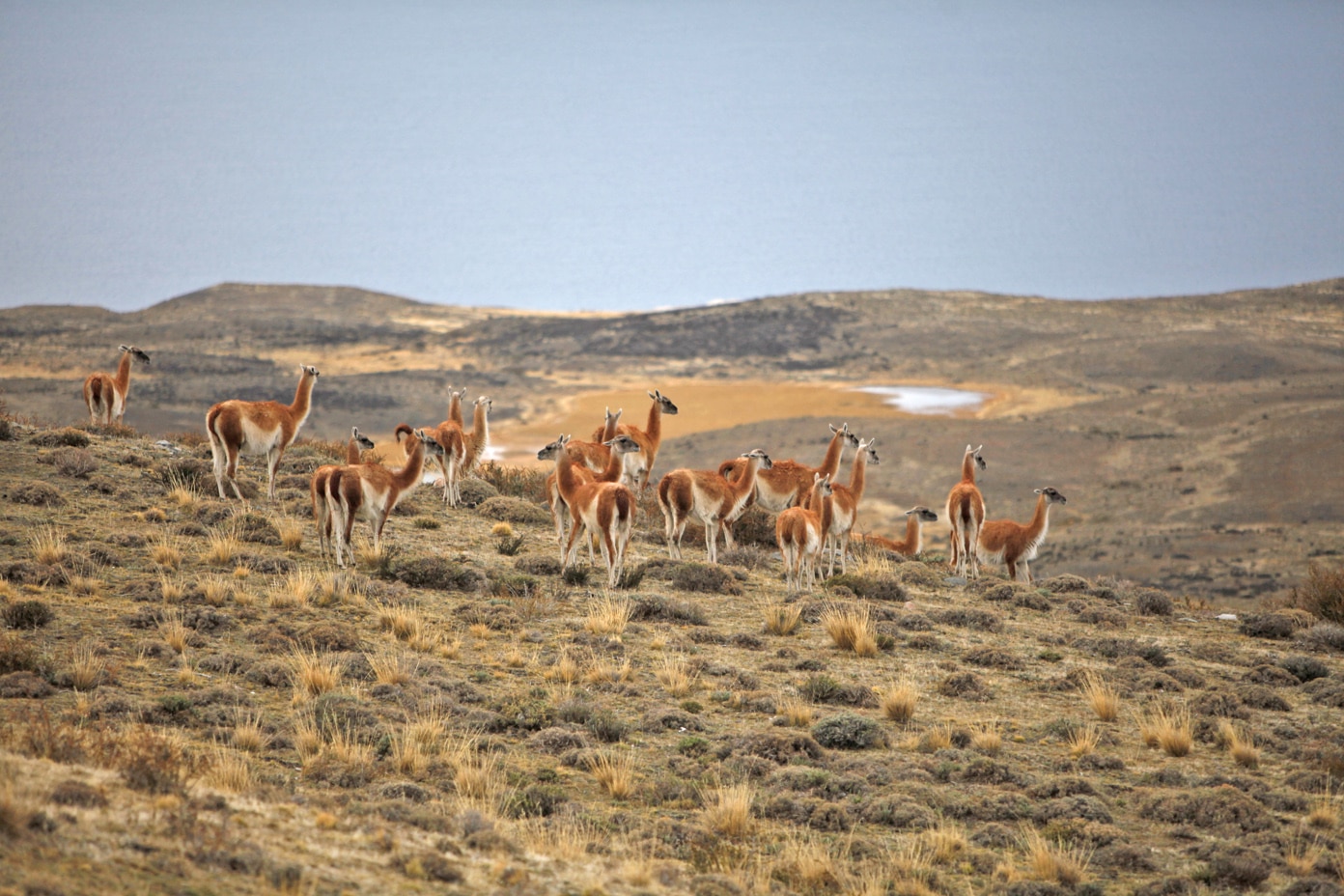
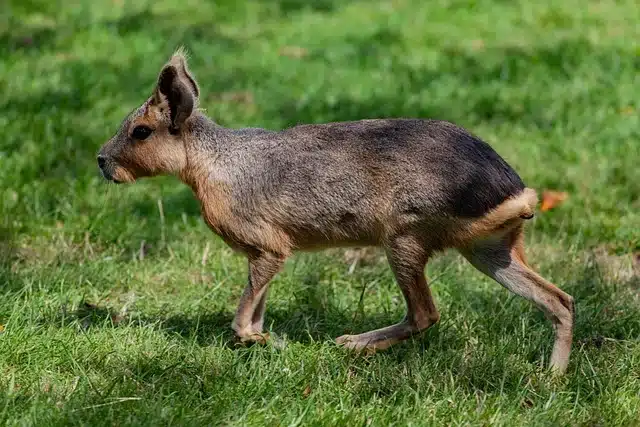
Guanacos, a species of wild camelid, are commonly seen grazing across the plains. Other notable animals include the Patagonian mara, the orange chinchilla rat, and the pichi hairy armadillo.
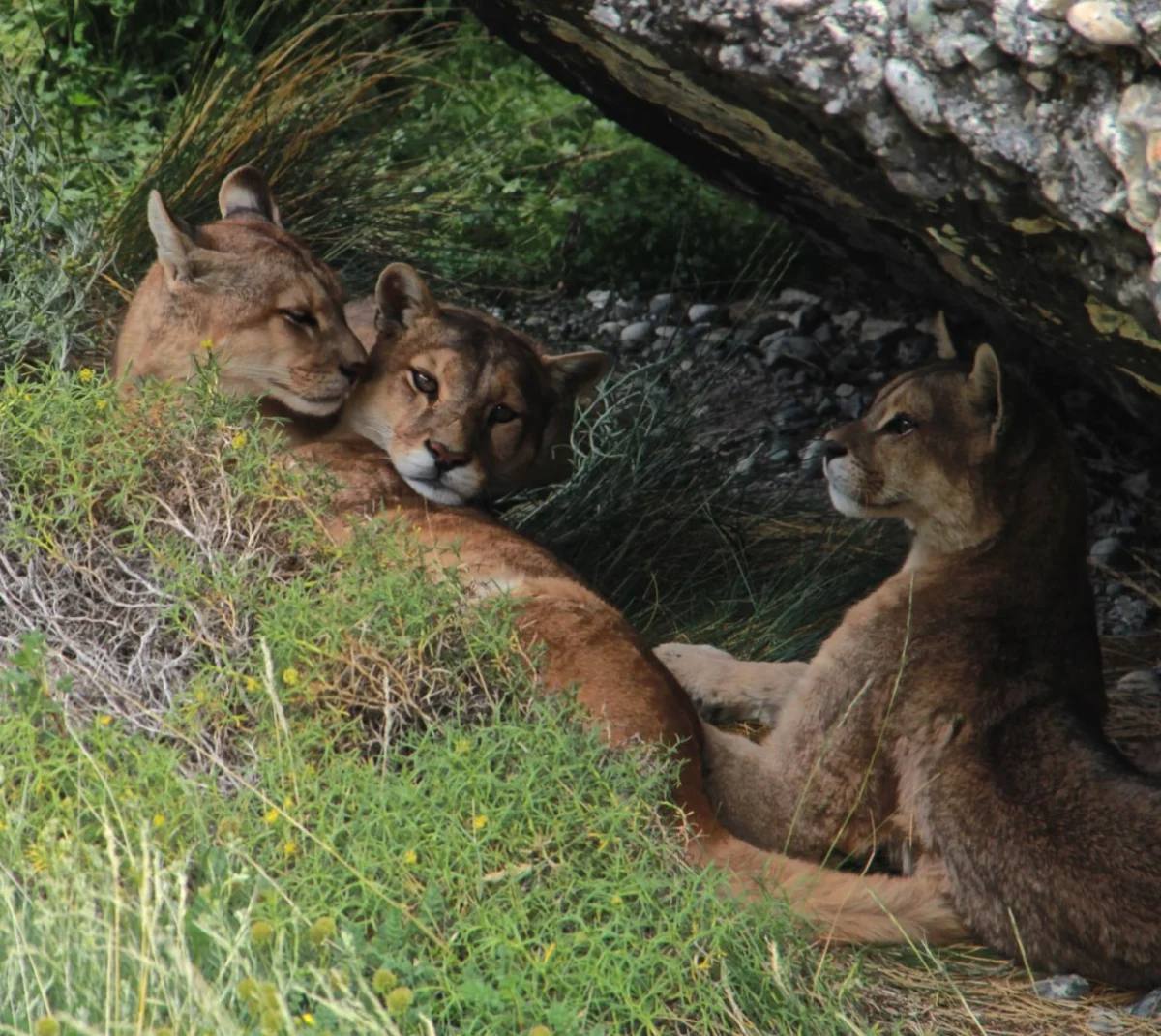
Predators such as the puma, the Patagonian gray fox, and the majestic Andean condor can also be spotted throughout the region.
Birdwatchers may encounter species such as the Macá Tobiano, cormorants, petrels, and the iconic Darwin’s rhea, a large flightless bird native to Patagonia.
Along the coast, marine wildlife includes penguins, whales, elephant seals, sea lions, and orcas.
To observe these animals in their natural habitat, travelers can visit destinations such as Península Valdés, Punta Tombo, Cueva de las Manos, Puerto Deseado, and several protected natural reserves across Patagonia.
Road Trips and Wildlife Tours in Patagonia
For travelers looking to experience the Patagonian steppe firsthand, road trips along Ruta 40 and Ruta 3 offer unforgettable adventures.
Ruta 40, one of the longest highways in the world, runs parallel to the Andes and provides access to some of Patagonia’s most spectacular scenery. Ruta 3 follows the Atlantic coast all the way to Ushuaia, the southernmost city in the world.
Both routes allow travelers to explore remote landscapes, charming towns, and incredible wildlife along the way.
The Patagonian Desert can also be explored through private or shared guided excursions, in addition to self-drive tours.
At Beyond BA Latam, we organize personalized tours in Argentina and Chile, helping travelers discover the region’s extraordinary natural beauty and diversity.
Our itineraries include attractions within the Patagonian steppe, as well as many other ecosystems and destinations throughout Patagonia.
As inspiration for your next journey, explore the following travel ideas:
Let’s plan your next Patagonian adventure!
Let's plan your personalized experience
Beyond BA Latam is a local travel agency based in Argentina that designs personalized tours in Argentina, Chile and Antarctica. We are very proud to work with a knowledgeable team capable to design trips based on your interests and traveling style. We are able to bring you a different and more enjoyable experience.
Related Articles
 Guanaco Facts
The Guanaco (Lama guanicoe) is a native South American animal. It is closely related to vicuñas, alpacas, and llamas, all of which belong to a group called "lamoids." Guanacos have a long neck, long…
- Choique (Rhea) Facts
Also known as Darwin’s rhea or Rhea pennata, the Choique is a large flightless bird native to South America. This fascinating species is often referred to as a ñandú or even a “South American ostrich”…
 Patagonian Mara
The Patagonian Mara resembles a mix between a rabbit and a small deer and is an essential part of Argentina’s wildlife. It can often be spotted in the country’s expansive grasslands and semi-desert…
- Pichi Armadillo
The Pichi Armadillo, also known as the Patagonian armadillo, Zaedyus pichiy, piche, or dwarf armadillo, is a unique and fascinating animal native to southern South America. With its distinctive…
 La Leona Petrified forest and other petrified woods in Patagonia
Millions of years ago, Patagonia was covered by vast vegetation, featuring a stable climate and large forests that stretched across the region. During the formation of the Andes Mountain Range…
 Cave of Hands
Visitors from all over the world come to see the Cave Of Hands in the province of Santa Cruz because it is an extraordinary and captivating location. It is one of Argentina’s most famous…
 From Bariloche to El Chaltén
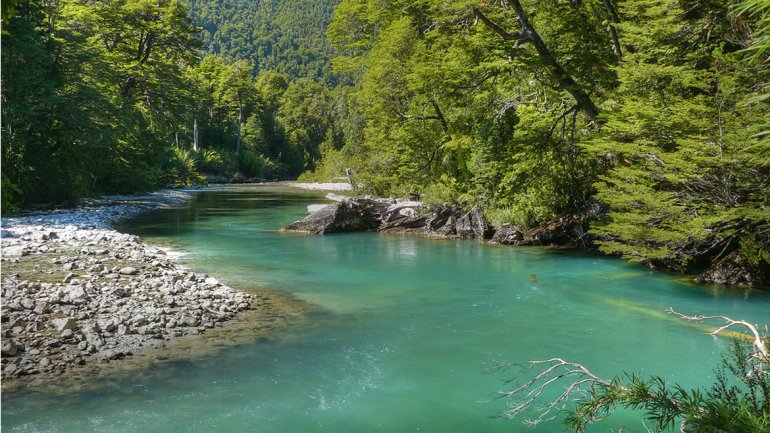
Exploring Patagonia by car is one of the best ways to immerse yourself in its vast and untamed beauty. A journey from Bariloche to El Chaltén offers the perfect blend of scenic landscapes, hidden…
Inspiring Tours
 Argentina and Chile Culture: Discover Art, Architecture & Heritage
Buenos Aires, Purmamarca, Salta, Mendoza and Santiago de Chile
 Mendoza Luxury Holiday & Hiking in Aconcagua Park
Buenos Aires - Bariloche - Mendoza
 Jujuy & Salta - Hiking & Comfort
Salta - Jujuy
 Trek South America's Highlights
Cusco, Santiago de Chile, Puerto Natales, El Calafate, El Chaltén y Buenos Aires
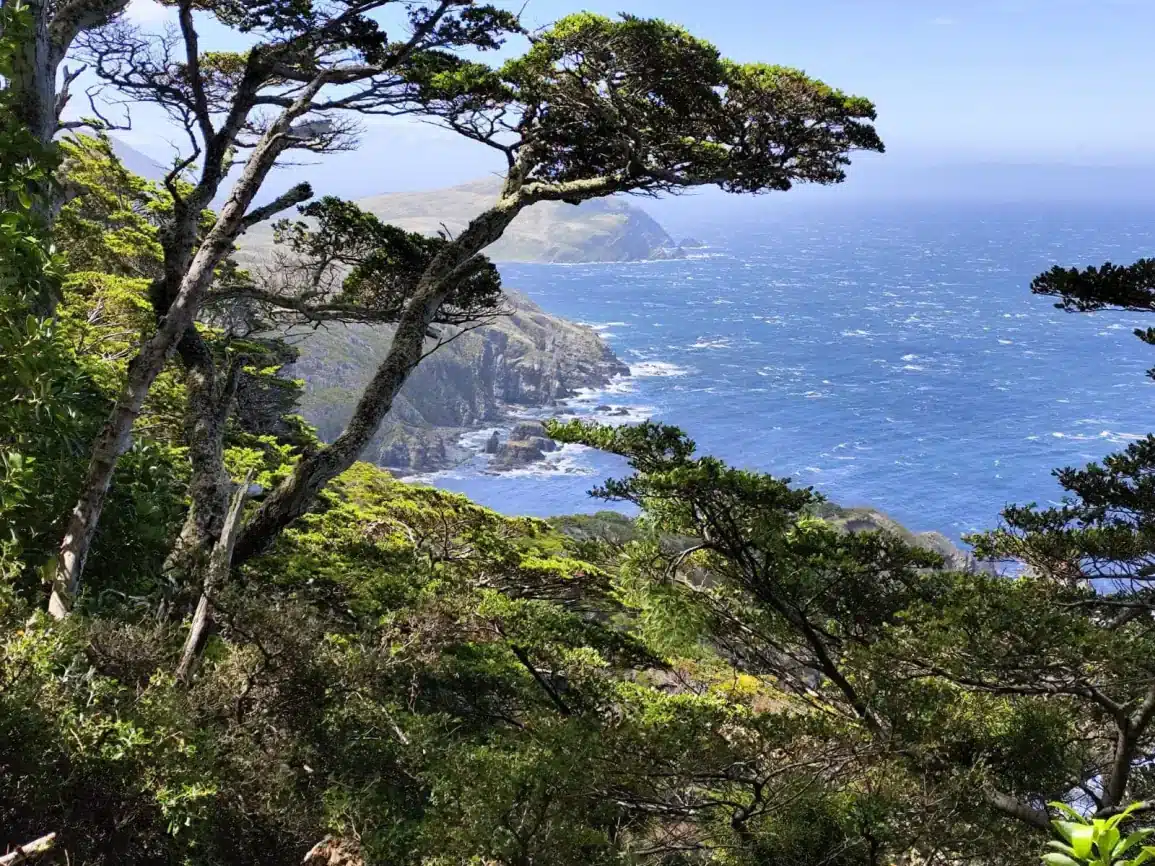 Tierra del Fuego Hiking Tour
Tierra del Fuego, Ushuaia, Tierra del Fuego National Park, Beagle Channel, Lake Fagnano & Mitre Peninsula
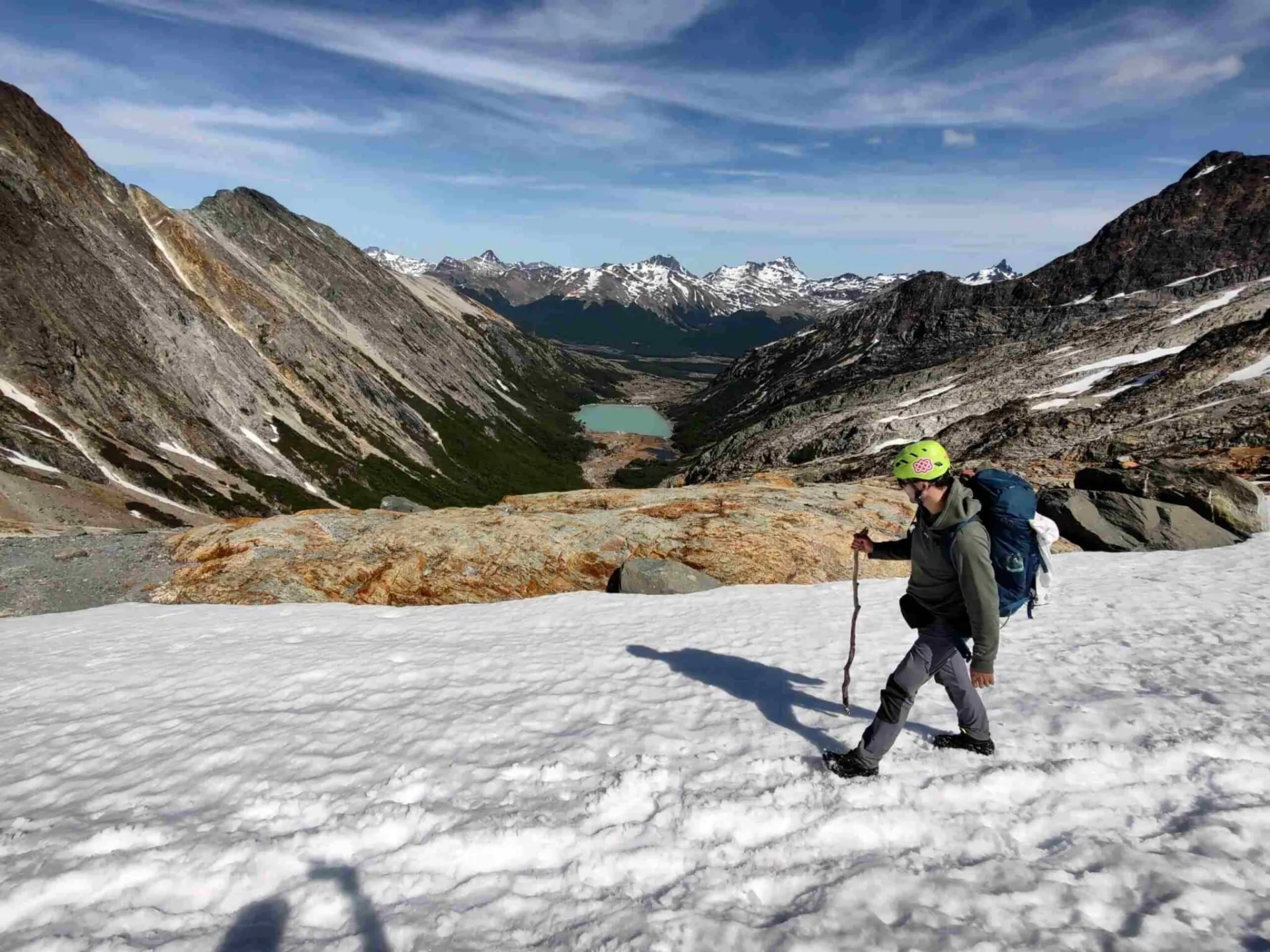 Sierra Valdivieso Circuit & Tierra del Fuego hiking tour
Ushuaia, Tierra del Fuego, Laguna Esmeralda, Lake Fagnano & Carbajal Valley.
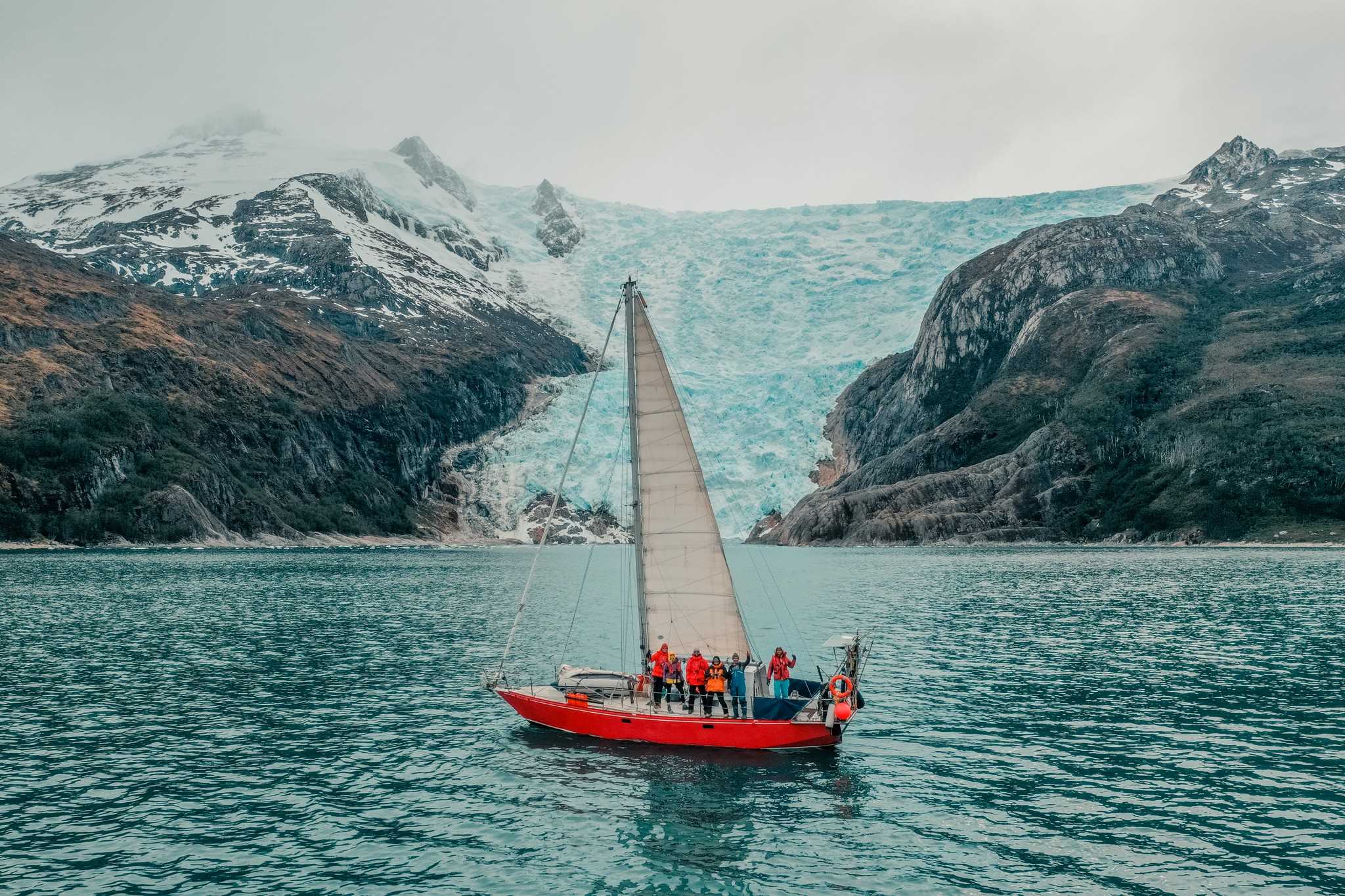 Darwin Range Patagonia Expedition (Cordillera Darwin)
Ushuaia, Puerto Williams, Beagle Channel, Darwin Range, Gordon Island, Hoste Island, Pia Fjord & Garibaldi Fjord
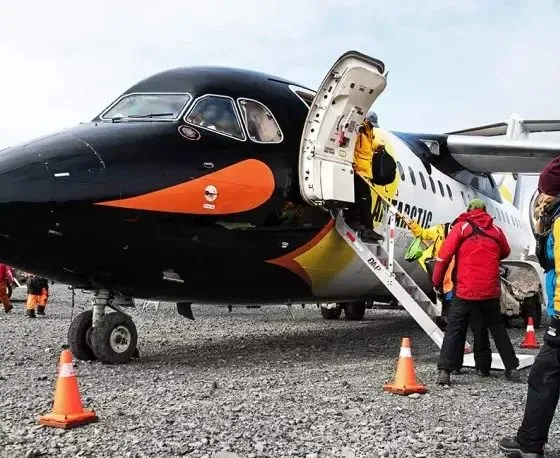 Fly the Drake: Antarctic Express
Punta Arenas, King George Island, South Shetland Islands, Antarctic Peninsula, Antarctica & Drake Passage
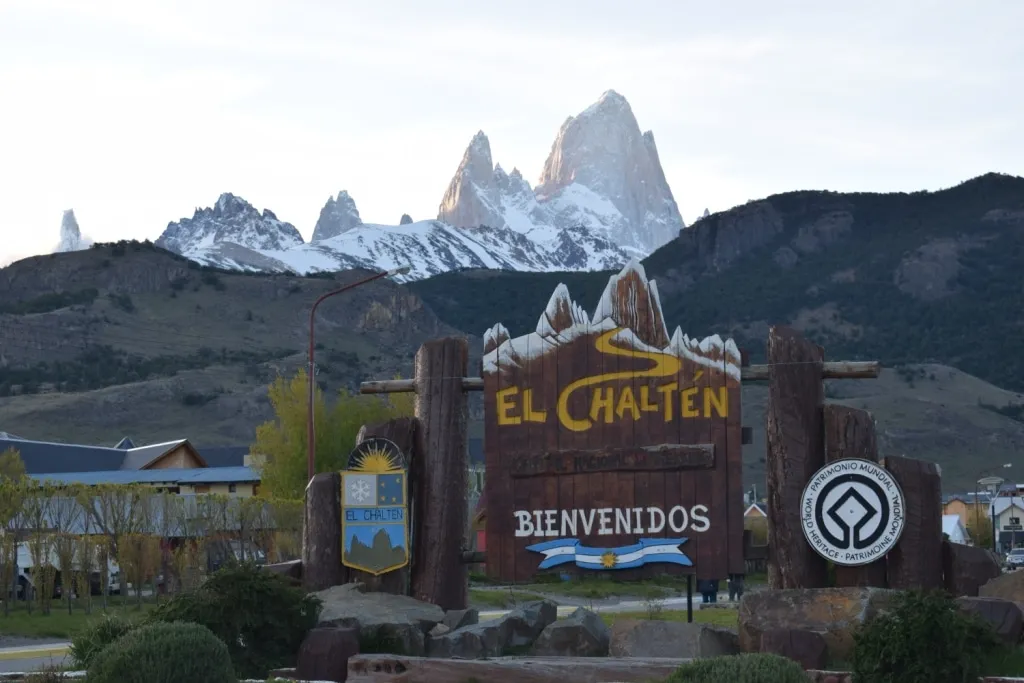 Patagonia Trekking Tour: El Calafate & El Chaltén
El Calafate, El Chaltén, Fitz Roy, Cerro Torre, Laguna de los Tres, Laguna Torre, Perito Moreno Glacier, Southern Patagonian Ice Field
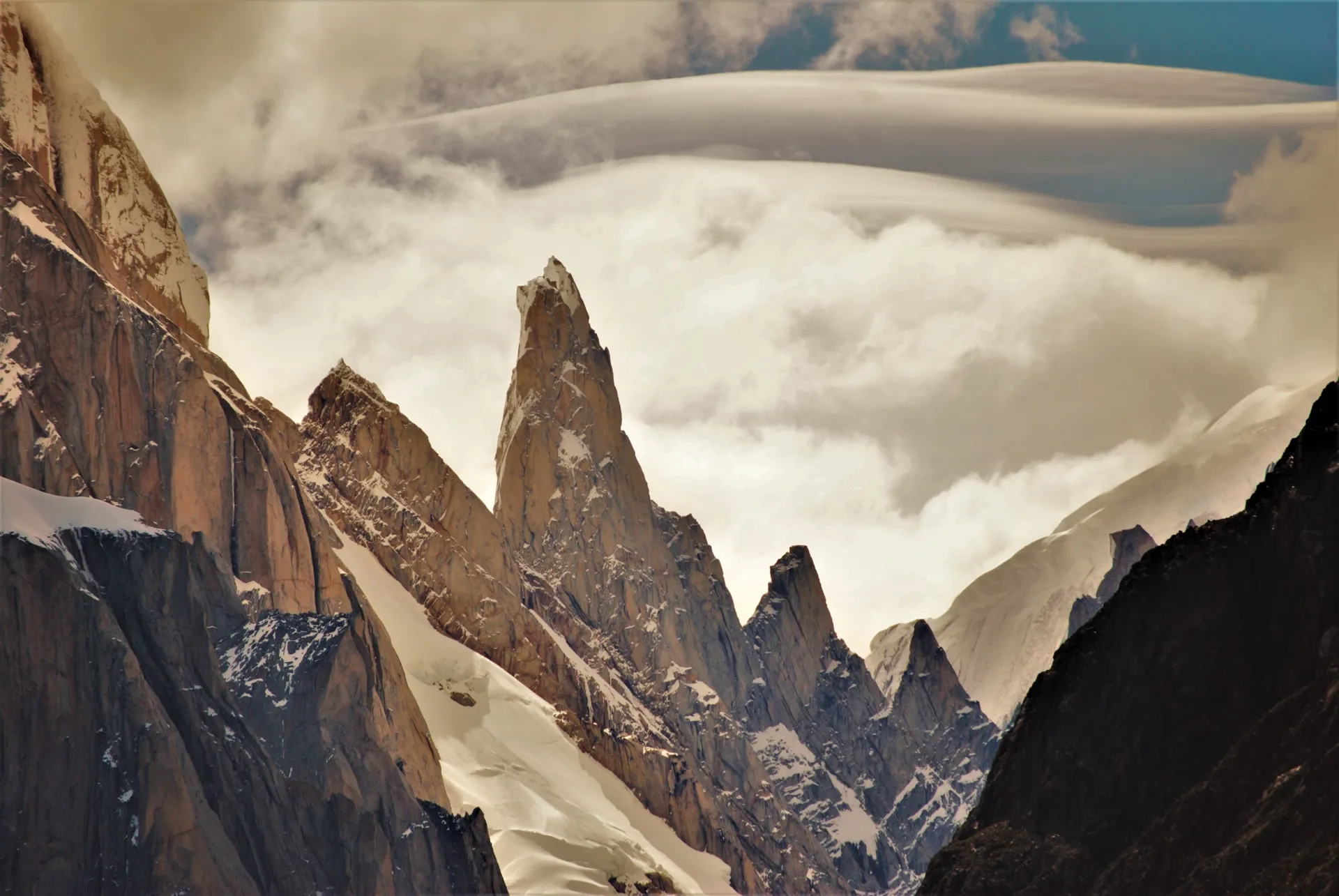 Patagonia Photo Tour
El Chaltén, El Calafate, Fitz Roy, Laguna de los Tres, Laguna Torre, Cerro Torre, Loma del Pliegue del Tumbado, Patagonia
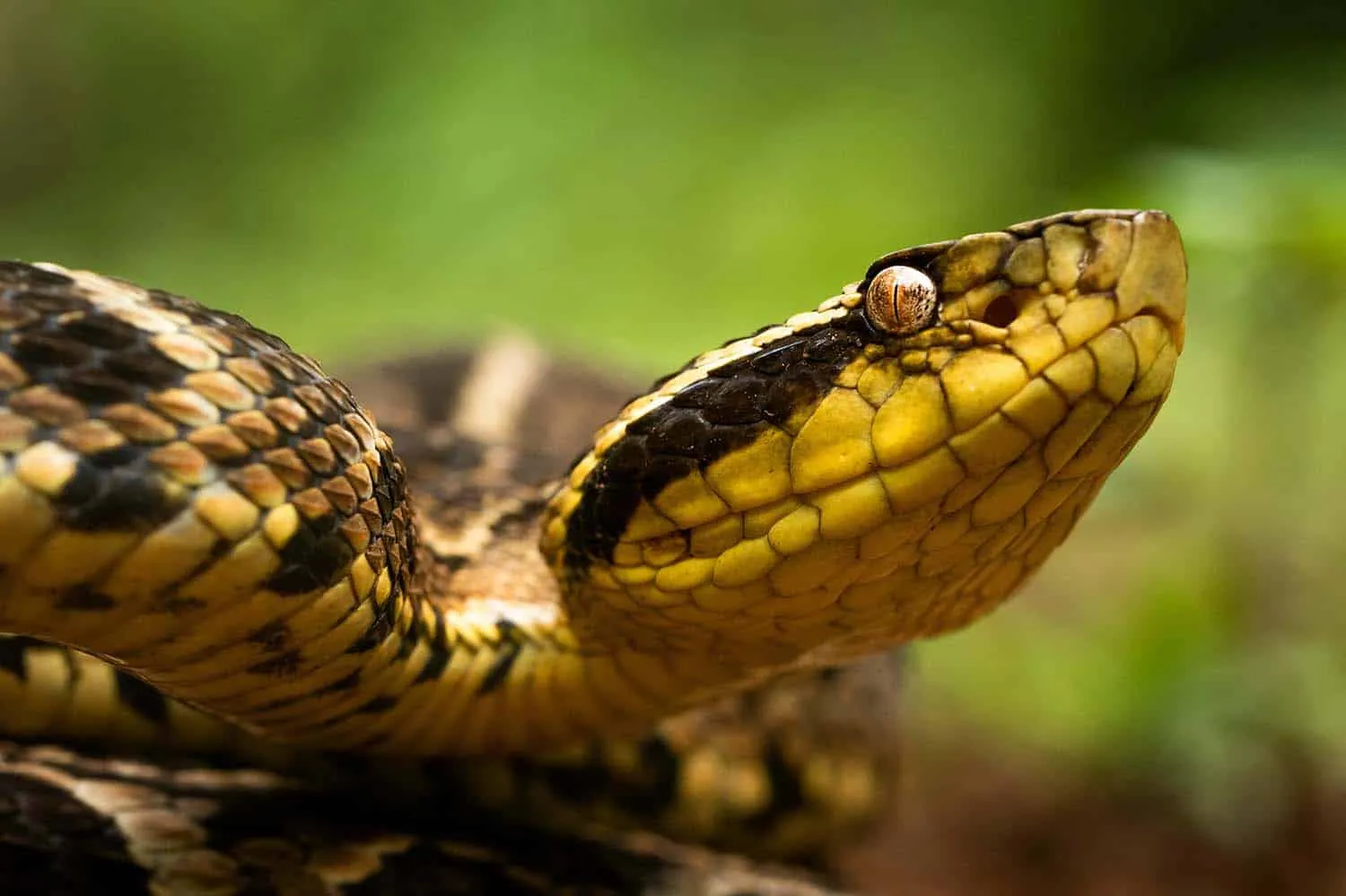 Argentina Herping Expedition
Buenos Aires, Iguazú Falls, Puerto Iguazú, Misiones, San Sebastián de la Selva, Iberá Wetlands, Posadas
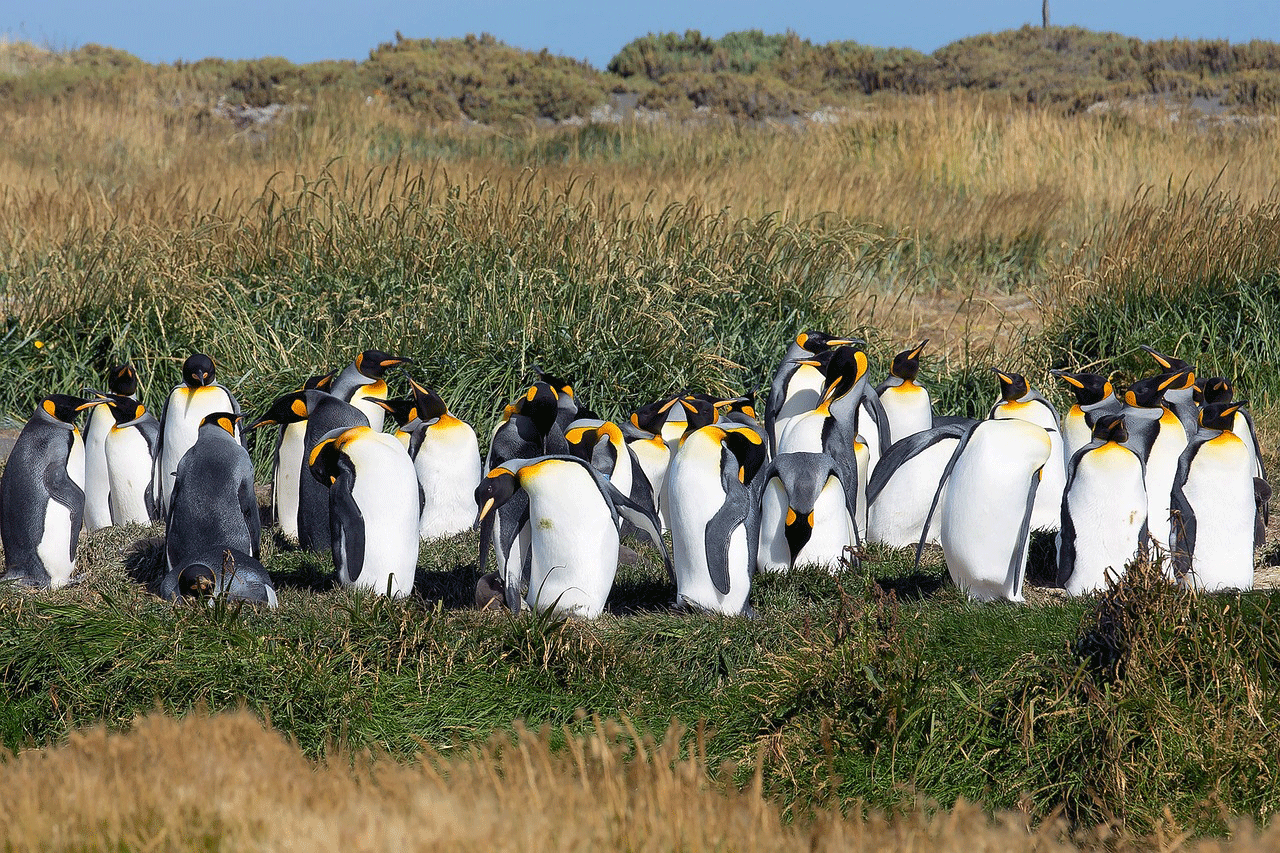 Patagonia Penguins Tour
Puerto Deseado, Peninsula Valdés, Ushuaia, Tierra del Fuego
Trips by Destination
In the following sections, you'll find tours focused on the main region you want to visit. They include traditional & thematic tours, interesting articles, and relevant information.
- Argentina
Custom-Made Experiences by Locals
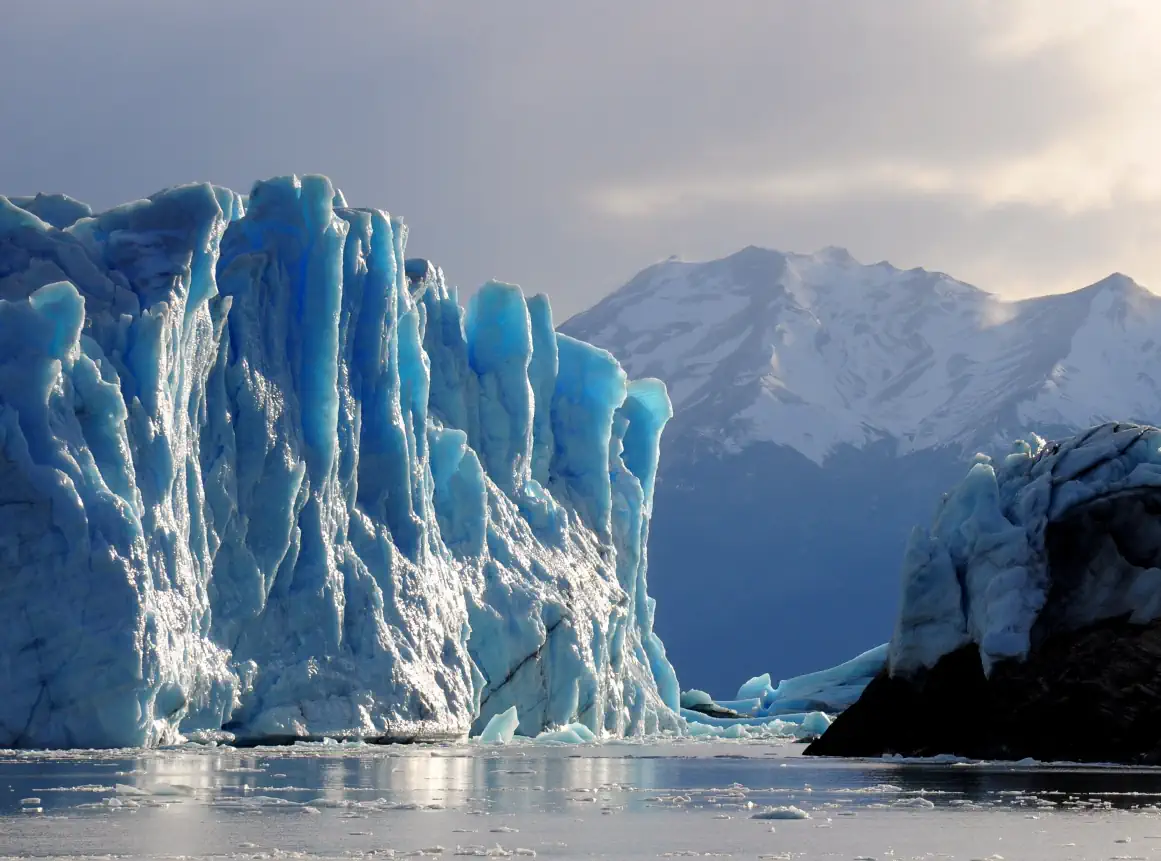 Patagonia
Custom-Made Experiences by Locals
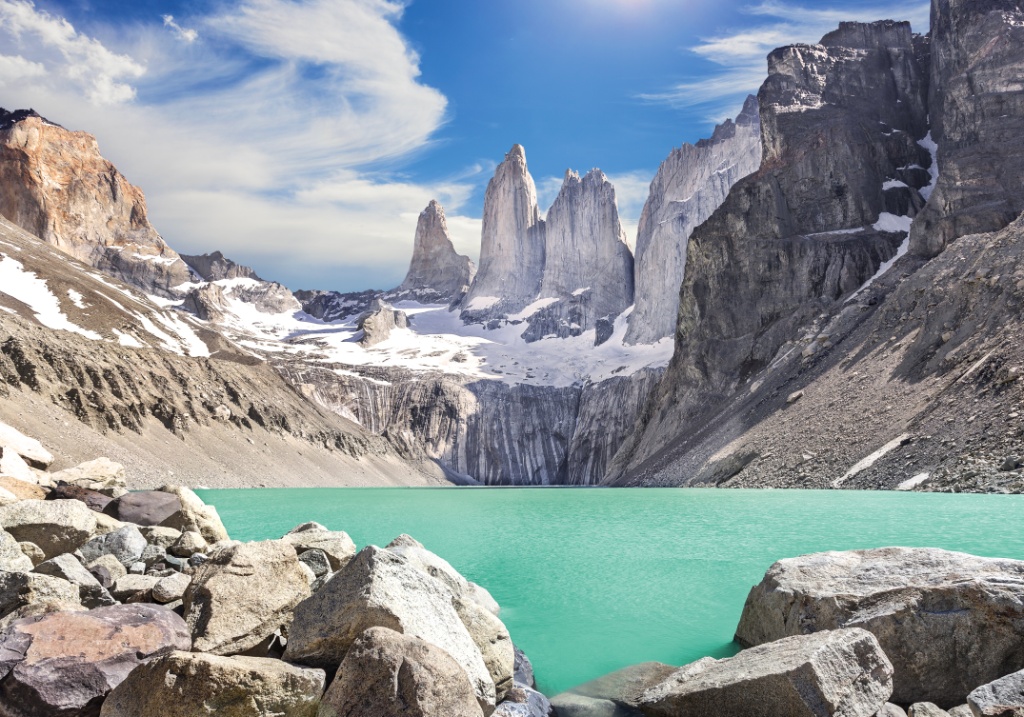 Chile
Custom-Made Experiences by Locals
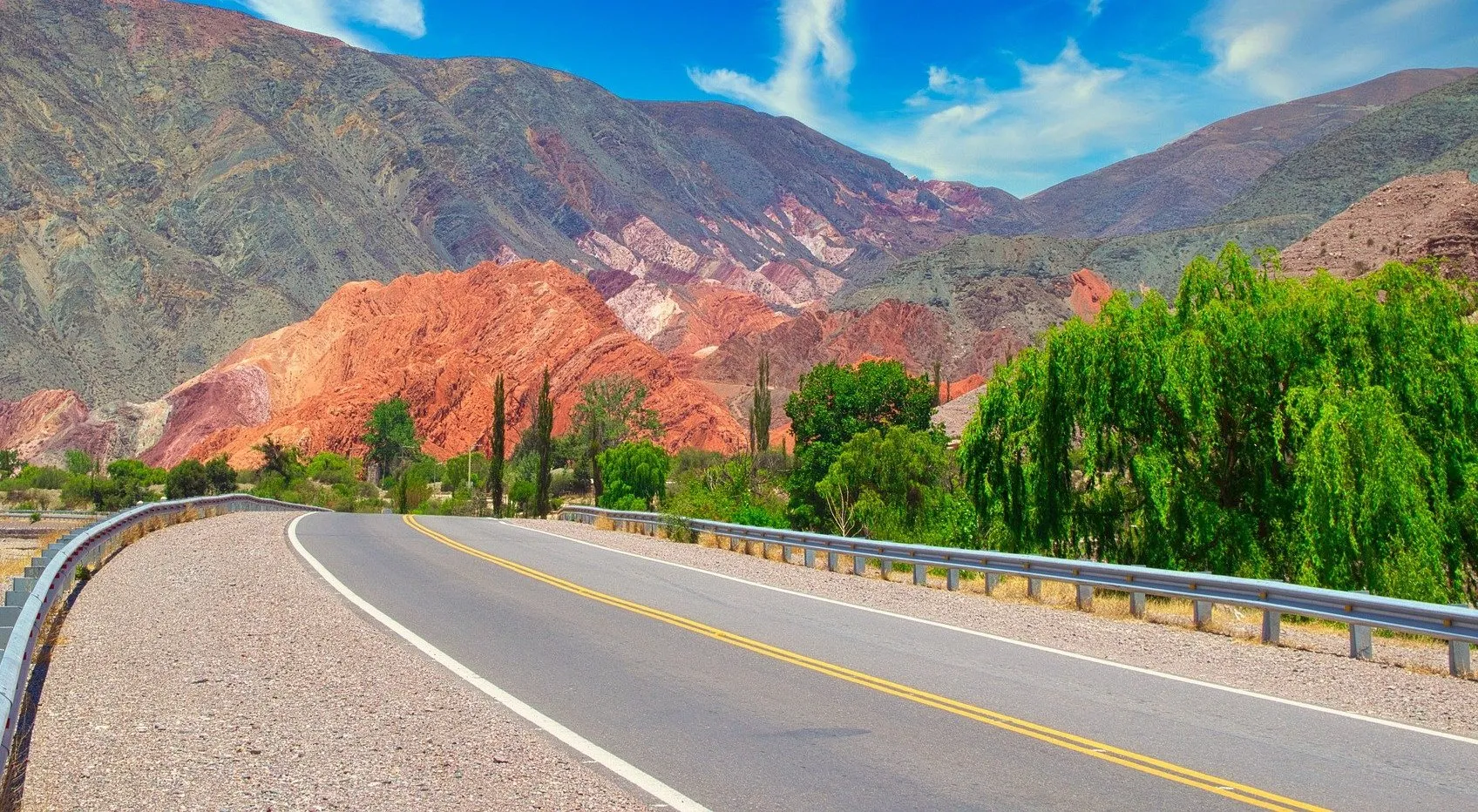 Northwest Argentina Holidays
Custom-Made Experiences by Locals
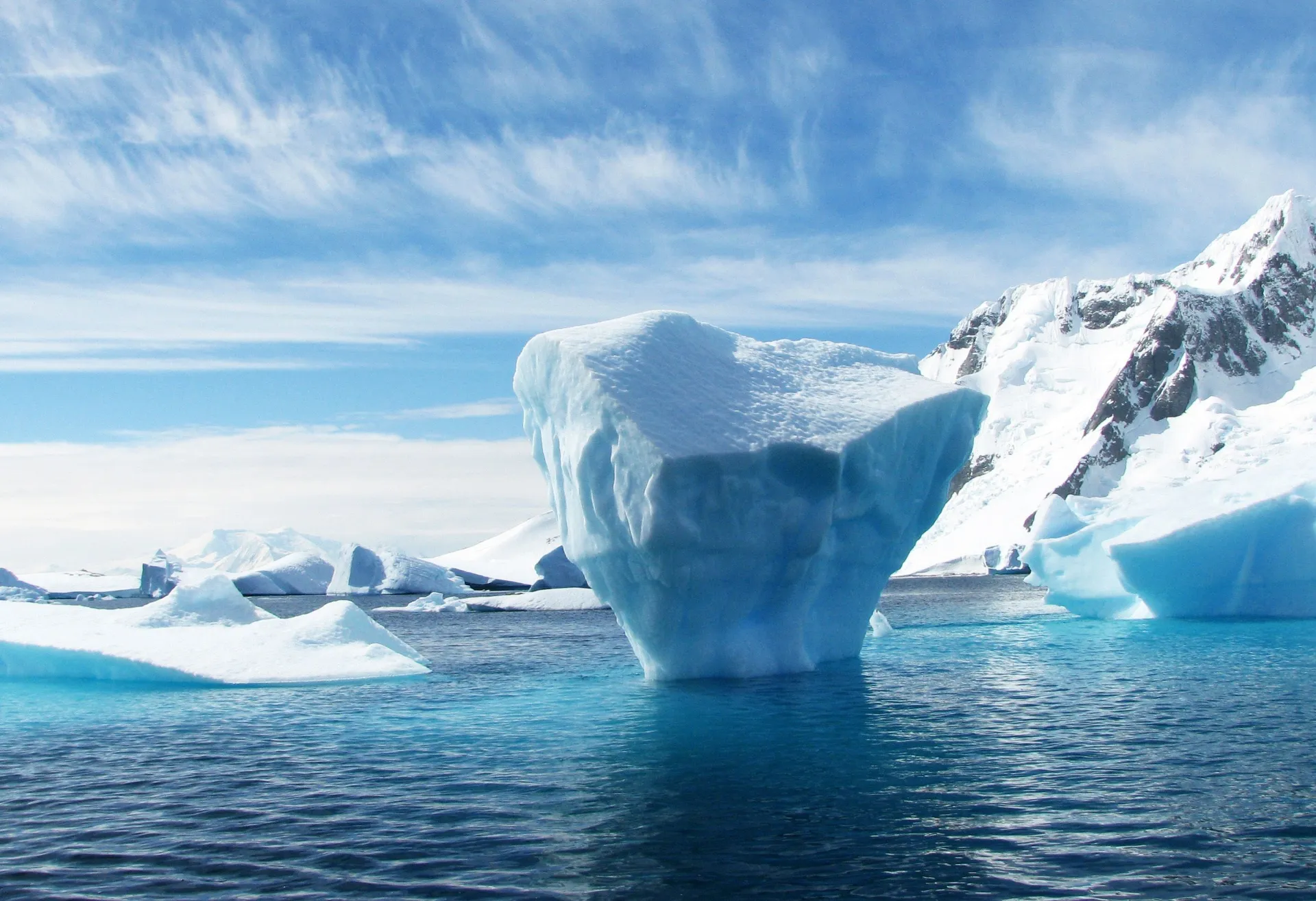 Travel to Antarctica
Custom-Made Experiences by Locals
Tours by Travel Style
In the following sections, you'll find tours focused on the main region you want to visit. They include traditional & thematic tours, interesting articles, and relevant information. If your interest is focusing mainly in Chile or Antarctica, please visit our Chile and Antarctica sections.
 Classic Journeys
 Road Trips
 Hiking Adventures
 Wildlife Experiences
 Luxury Escapes
 Foodies
 Honeymoon
 Family Travel
 Cruises