Beavers in Tierra del Fuego
Beavers in Tierra del Fuego may appear cute and harmless, but they have become one of the region’s most problematic invasive species. Introduced from North America during the 1940s, these…
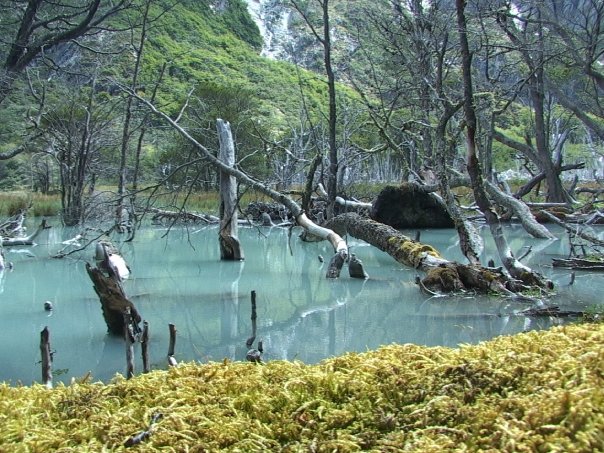
Beavers in Tierra del Fuego may appear cute and harmless, but they have become one of the region’s most problematic invasive species.
Introduced from North America during the 1940s, these industrious rodents have caused severe environmental damage throughout southern Patagonia.
In this article, we explore how beavers arrived in Tierra del Fuego, the ecological impact they created, and the ongoing efforts to manage their population. We also touch on other invasive species, such as American bison and feral cattle, that present similar environmental challenges.
The Beaver Invasion: Humans Did It Again
How Beavers Ended Up in Tierra del Fuego
In the 1940s, approximately 50 beavers were introduced to Tierra del Fuego in an attempt to establish a fur trade industry.
However, the project failed commercially, and the animals were eventually released into the wild.
Without natural predators and with highly favorable environmental conditions, the beaver population expanded rapidly across the region.
Some theories suggest the fur quality was not commercially viable, while others argue that premium fur only develops in environments where beavers face natural predators and harsher survival conditions.
Environmental Impact: Beavers Wreaking Havoc
Destruction of Forests and Waterways
Beavers are natural ecosystem engineers that build dams and lodges using trees and branches.
In Tierra del Fuego, they have destroyed extensive areas of native forest while altering rivers, streams, and wetlands.
Their dams change water flow patterns, flood large areas, and significantly transform the natural landscape, negatively affecting native plants, birds, and aquatic ecosystems.
Efforts to Control the Beaver Population
Managing the Beaver Problem in Patagonia
Different strategies have been implemented to control the beaver population, including trapping and removal programs aimed at reducing environmental damage.
However, managing the issue remains extremely difficult due to the remote geography and rugged terrain of Tierra del Fuego.
At the same time, many environmental activists oppose large-scale killing programs, arguing that beavers themselves are not responsible for the situation — humans introduced them into the ecosystem.
Despite differing opinions, there is broad agreement that action is necessary to prevent further ecological destruction.
As a curious fact, Tierra del Fuego’s main ski resort is called Cerro Castor (“Beaver Hill”), and several wildlife excursions focus on spotting beavers and their dams in the wilderness.
Beaver dam in Tierra del Fuego.
Other Invasive Species in Tierra del Fuego
The American Bison: Another Invasive Challenge
The American bison was introduced to Tierra del Fuego during the late 19th century.
Like beavers, these large herbivores lack natural predators in the region and have contributed to the degradation of grasslands and forests through overgrazing and trampling vegetation.
There are also reports suggesting that they may feed on the eggs of endemic bird species such as the cauquén.
Baguales: Wild and Destructive Cattle
Baguales are feral cattle that roam freely across Tierra del Fuego.
These animals descend from livestock abandoned by ranches that are no longer operational. Today, gathering them is not economically viable because they are dispersed across enormous and remote territories.
They compete with native species for food and water resources and can severely impact fragile ecosystems.
Something similar occurred with wild horses, although their environmental impact appears to be less significant.
Why Invasive Species Are a Serious Problem
Understanding the Ecological Impact
Invasive species such as beavers, bison, and baguales disrupt the balance of local ecosystems.
They compete with native wildlife for food and habitat, potentially causing population declines and ecosystem degradation.
These impacts can trigger broader environmental consequences, affecting soil stability, biodiversity, water quality, and forest regeneration.
Raising Awareness About Invasive Species in Tierra del Fuego
The story of Beavers in Tierra del Fuego is a powerful example of how introducing non-native species can generate long-term ecological consequences.
Although conservation programs continue working to control invasive populations and restore damaged environments, the process remains complex and ongoing.
The situation also highlights the importance of protecting native ecosystems and preventing similar environmental mistakes in the future.
Tierra del Fuego’s battle with invasive species serves as a reminder of the delicate balance that exists within natural ecosystems and the importance of sustainable conservation practices.
Wildlife Tours in Argentina and Chile
We are a travel agency based in Argentina specializing in customized tours across Argentina and Chile.
As part of our sustainability principles, we aim to support regional economies and environmentally responsible tourism initiatives.
We invite you to explore some of our featured tours:
Cruise Ushuaia to Punta Arenas
Whale Watching in Península Valdés & Puerto Madryn
Peninsula Mitre Trekking Expedition
Let’s start planning your next Patagonia adventure!
Let's plan your personalized experience
Beyond BA Latam is a local travel agency based in Argentina that designs personalized tours in Argentina, Chile and Antarctica. We are very proud to work with a knowledgeable team capable to design trips based on your interests and traveling style. We are able to bring you a different and more enjoyable experience.
Related Articles
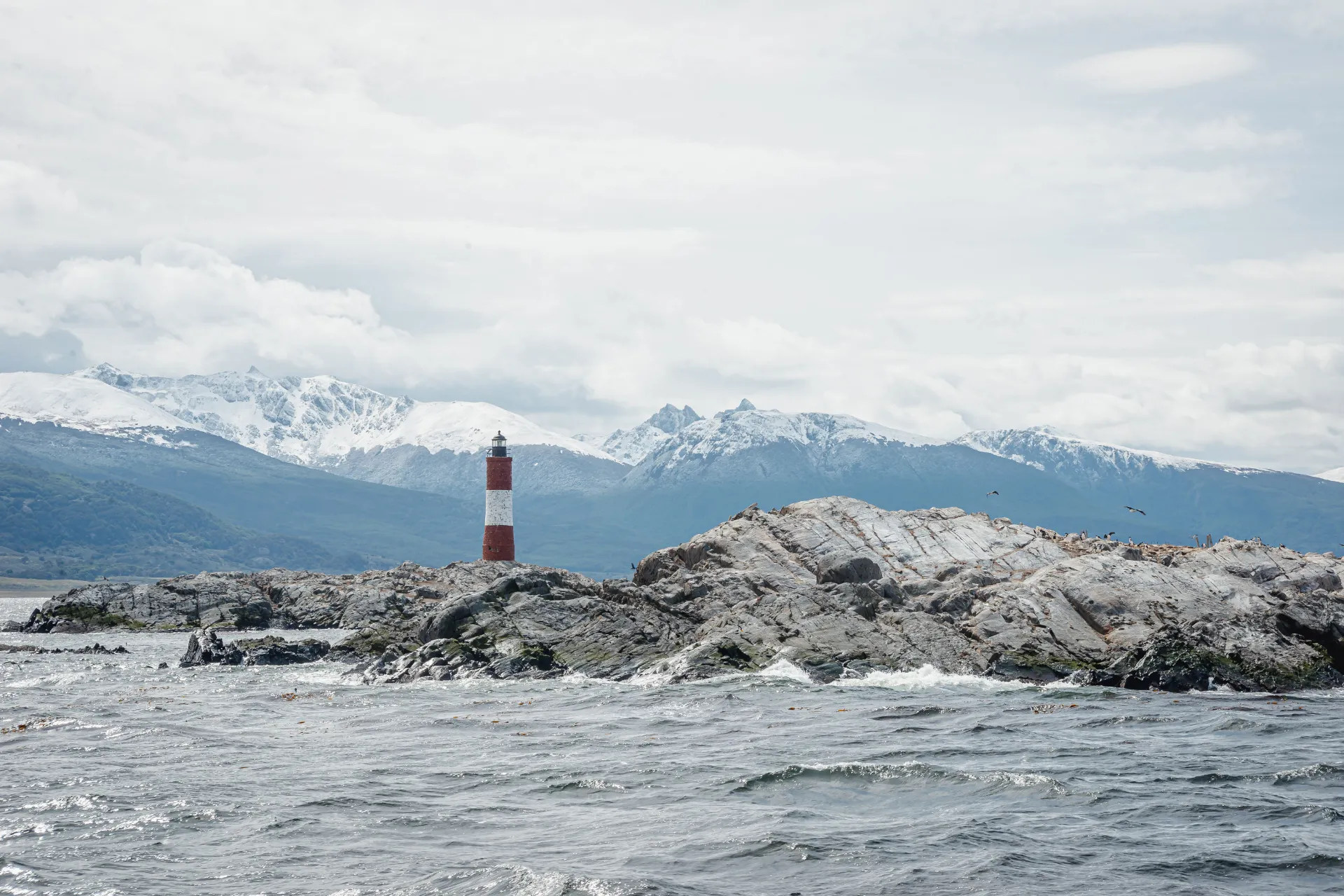 Things to Do in Ushuaia: The Ultimate End-of-the-World Adventure
From exploring the surrounding wilderness to sailing the Beagle Channel, the best Things to Do in Ushuaia go far beyond the city itself. Located at the southern tip of Argentina, Ushuaia is the…
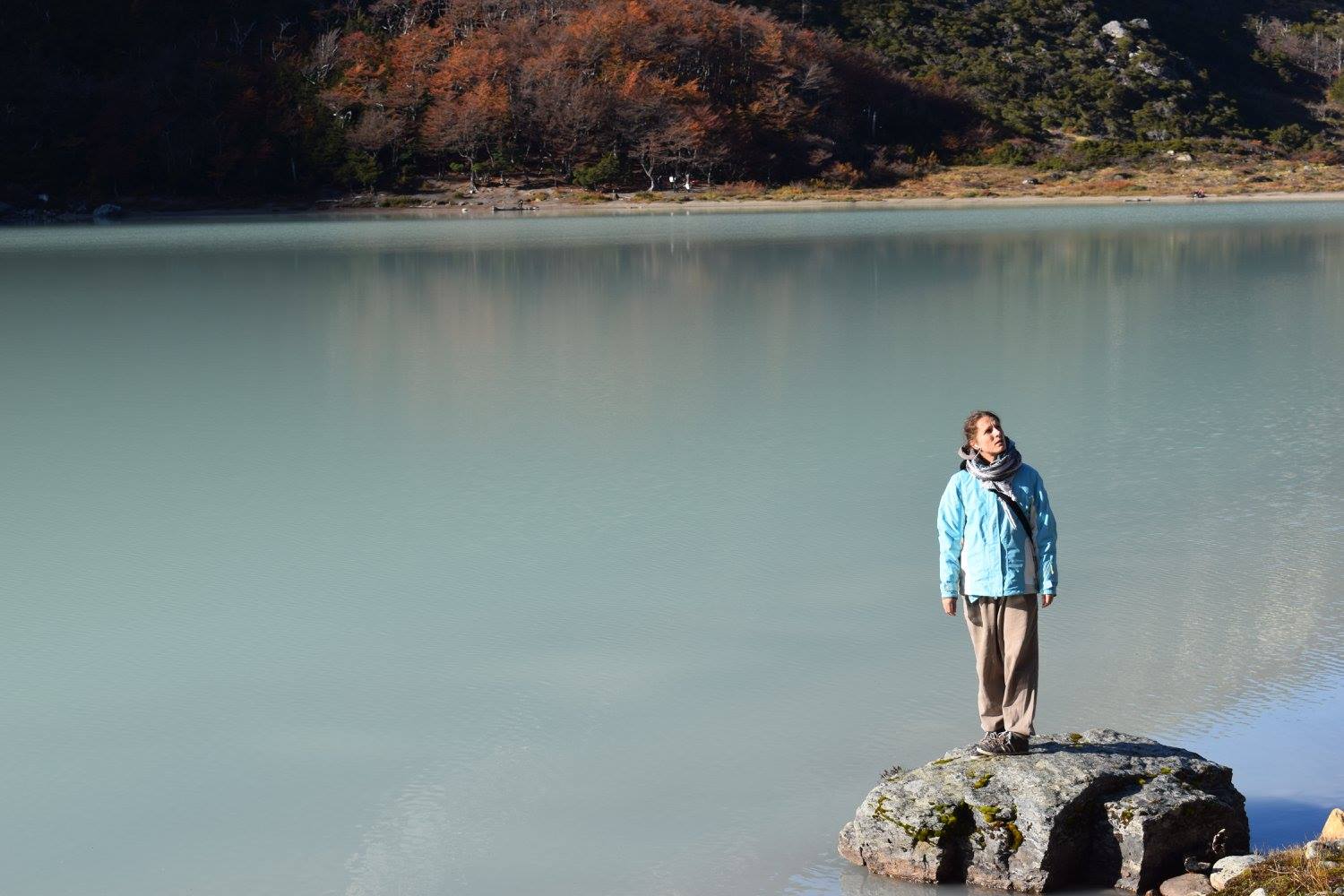 Best Hikes in Ushuaia: A Complete Guide
Ushuaia, the southernmost city in the world, is one of the best destinations in Patagonia for hiking enthusiasts. Surrounded by the dramatic landscapes of Tierra del Fuego, the Fuegian Andes, and…
- Patagonia Wildfires and Native Forest Recovery
Hi, Santiago (one of the founders of Beyond BA) here again! This time, I’d like to talk about something that has sadly become part of Patagonia’s reality year after year: wildfires, their impact on…
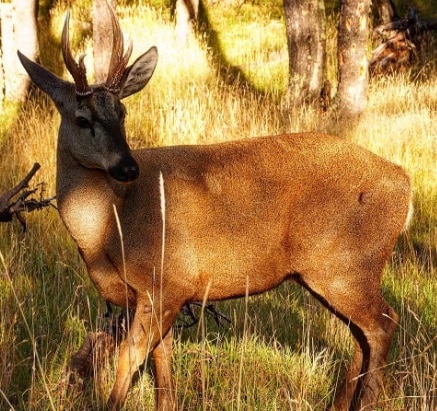 Mammals of Patagonia
Beyond Patagonia’s famous residents such as whales, penguins, and pumas, there is an extraordinary world filled with diverse wildlife. Across the untamed landscapes of Argentina and Chile, visitors…
 Sustainable Travel in Argentina: A Powerful Partnership
At Beyond BA, we believe that sustainable travel in Argentina is not only about discovering the country’s extraordinary landscapes, but also about helping protect them for future generations. Since…
Inspiring Tours
 Argentina and Chile Culture: Discover Art, Architecture & Heritage
Buenos Aires, Purmamarca, Salta, Mendoza and Santiago de Chile
 Mendoza Luxury Holiday & Hiking in Aconcagua Park
Buenos Aires - Bariloche - Mendoza
 Jujuy & Salta - Hiking & Comfort
Salta - Jujuy
 Trek South America's Highlights
Cusco, Santiago de Chile, Puerto Natales, El Calafate, El Chaltén y Buenos Aires
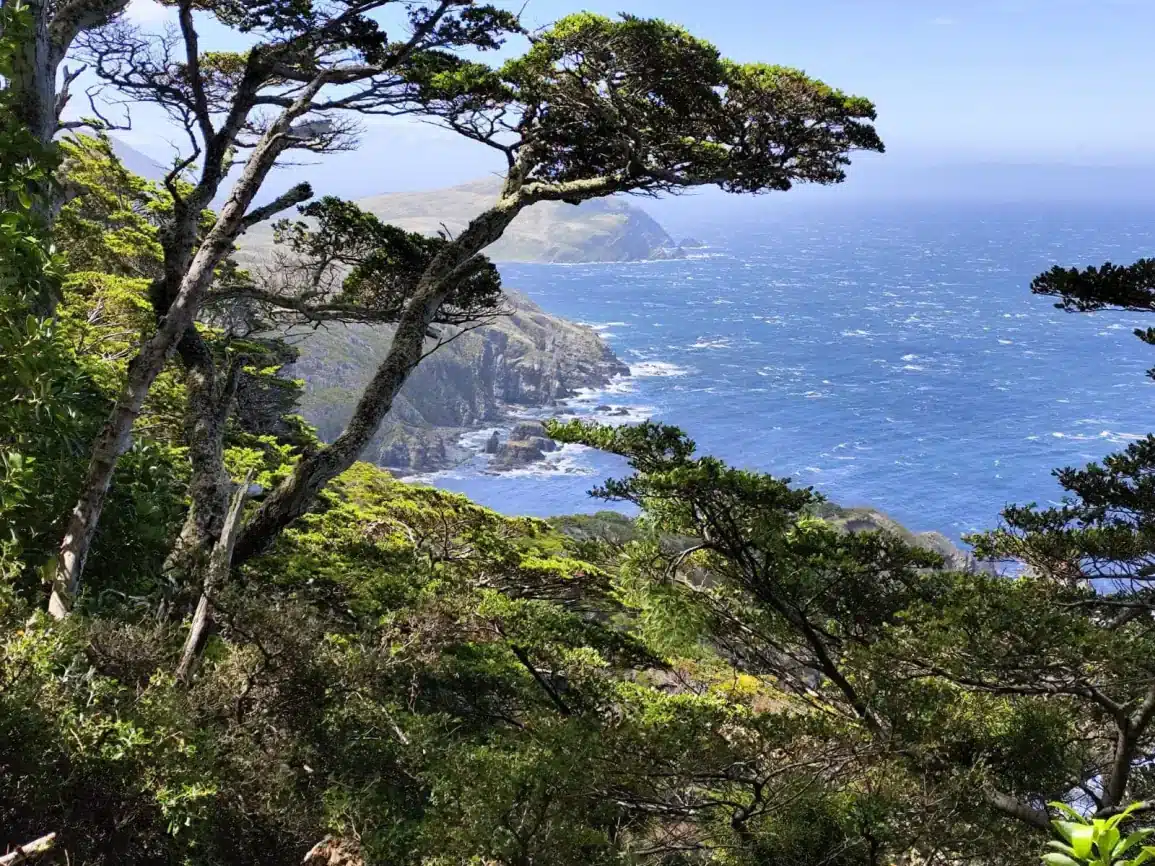 Tierra del Fuego Hiking Tour
Tierra del Fuego, Ushuaia, Tierra del Fuego National Park, Beagle Channel, Lake Fagnano & Mitre Peninsula
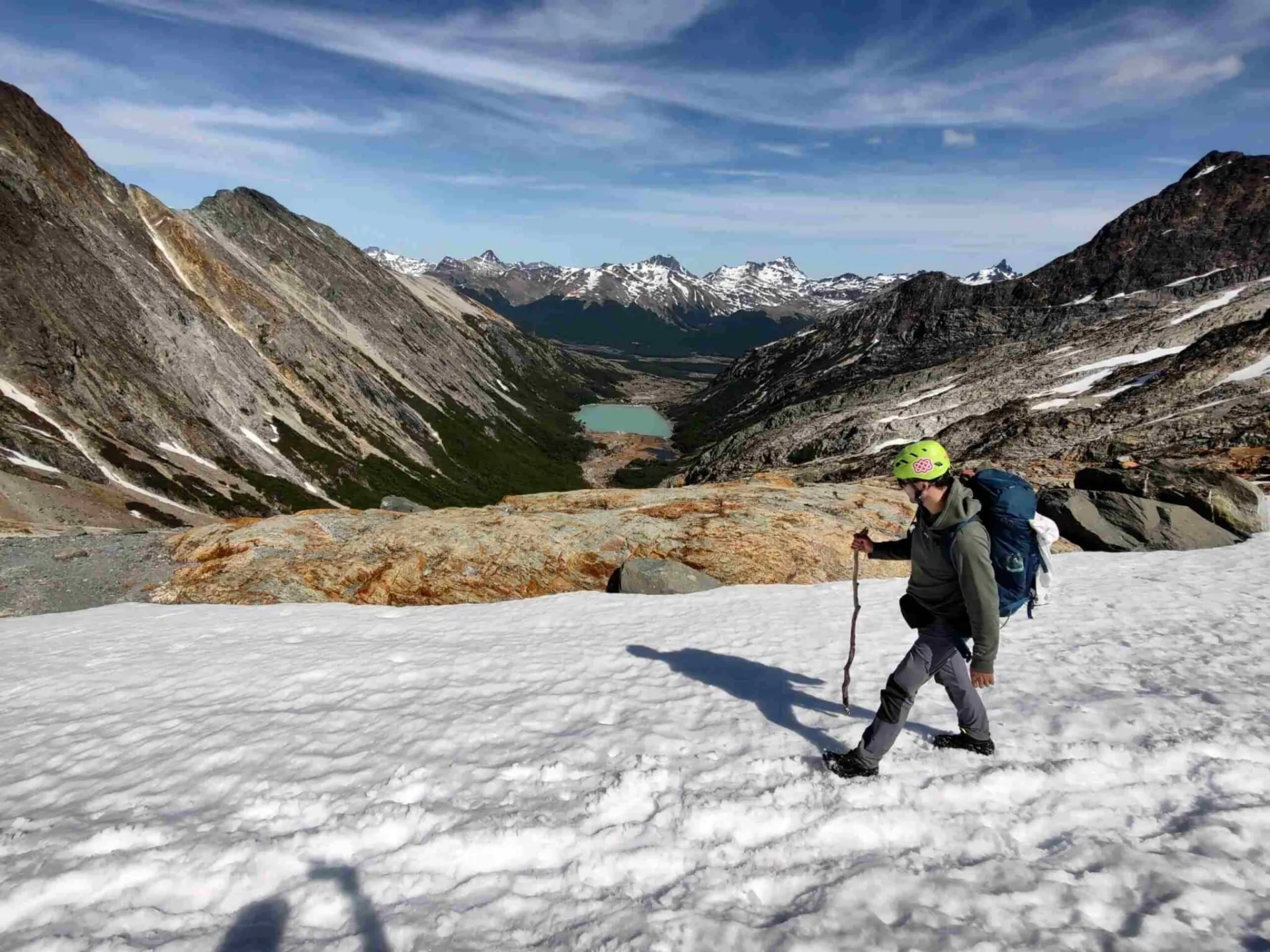 Sierra Valdivieso Circuit & Tierra del Fuego hiking tour
Ushuaia, Tierra del Fuego, Laguna Esmeralda, Lake Fagnano & Carbajal Valley.
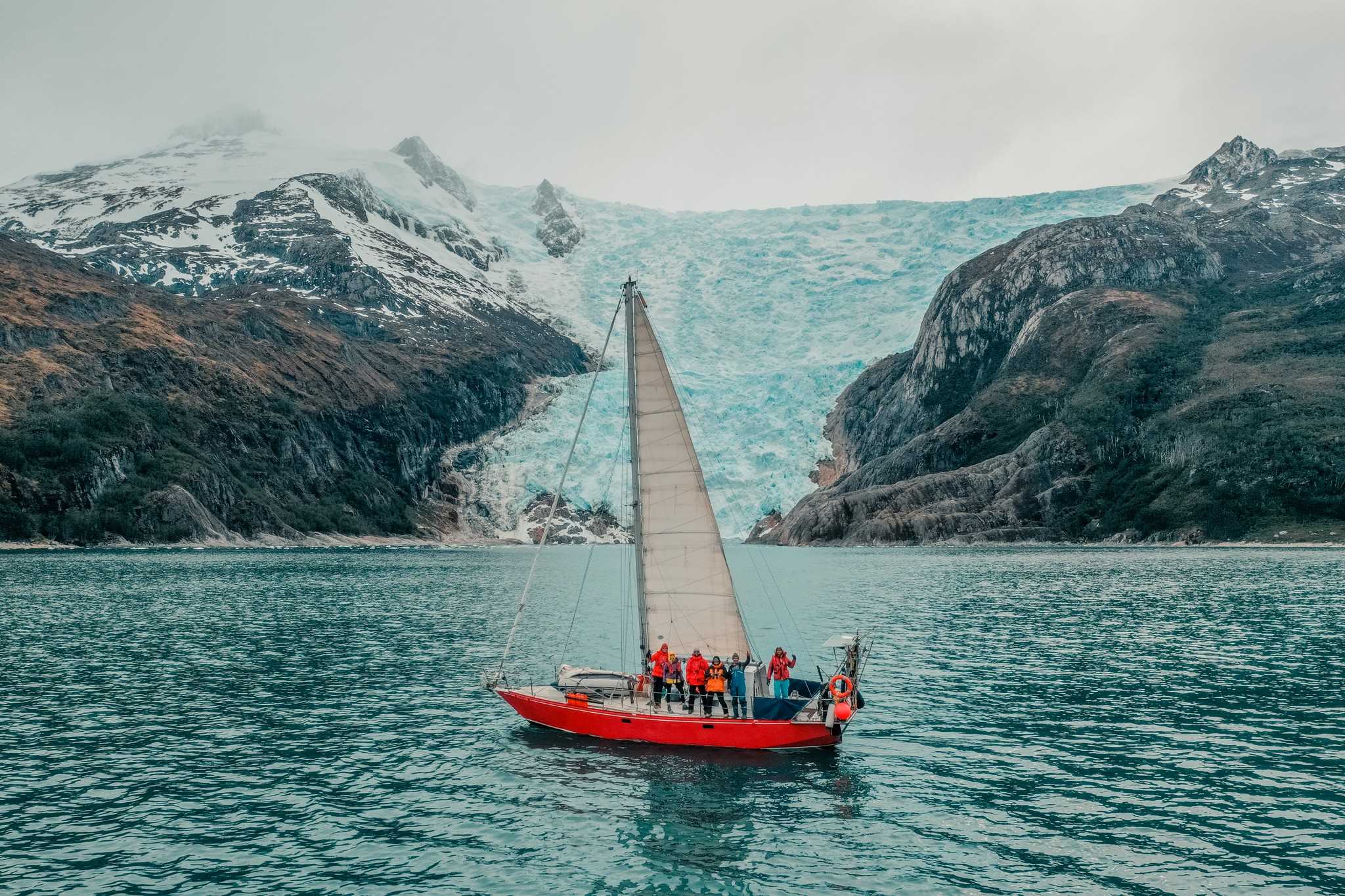 Darwin Range Patagonia Expedition (Cordillera Darwin)
Ushuaia, Puerto Williams, Beagle Channel, Darwin Range, Gordon Island, Hoste Island, Pia Fjord & Garibaldi Fjord
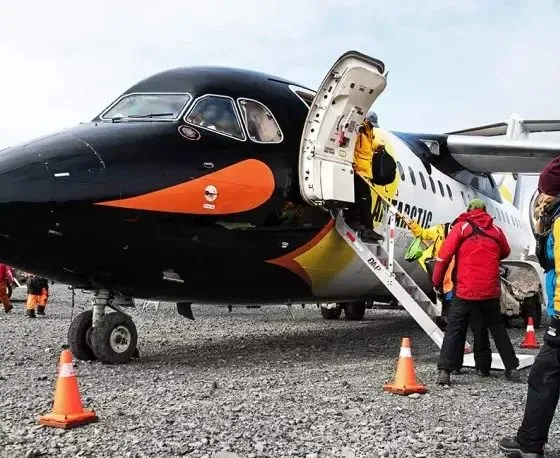 Fly the Drake: Antarctic Express
Punta Arenas, King George Island, South Shetland Islands, Antarctic Peninsula, Antarctica & Drake Passage
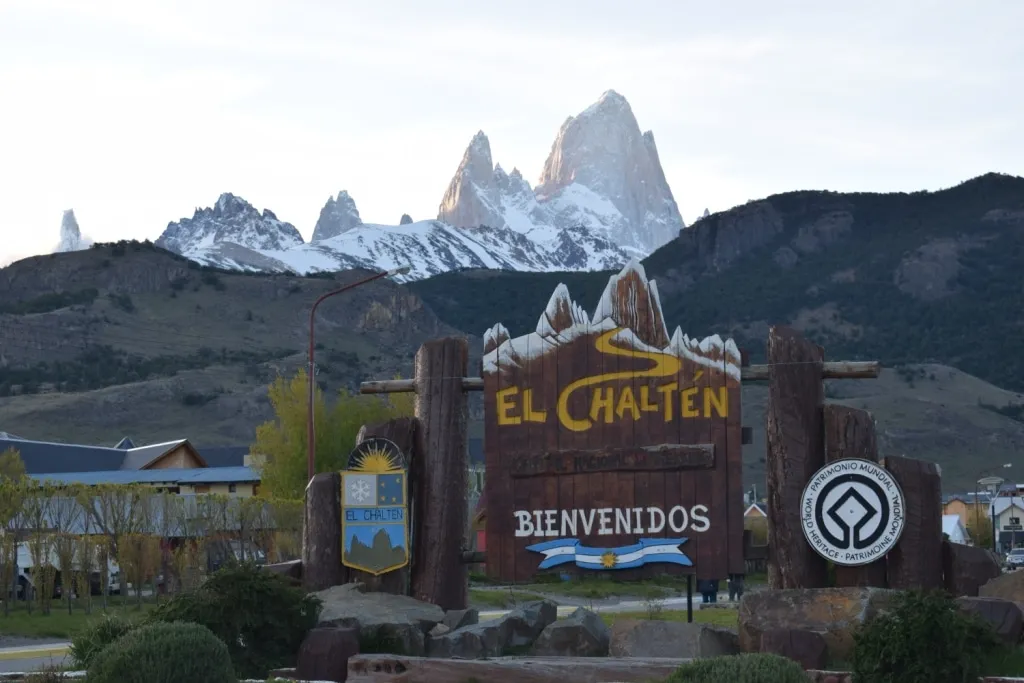 Patagonia Trekking Tour: El Calafate & El Chaltén
El Calafate, El Chaltén, Fitz Roy, Cerro Torre, Laguna de los Tres, Laguna Torre, Perito Moreno Glacier, Southern Patagonian Ice Field
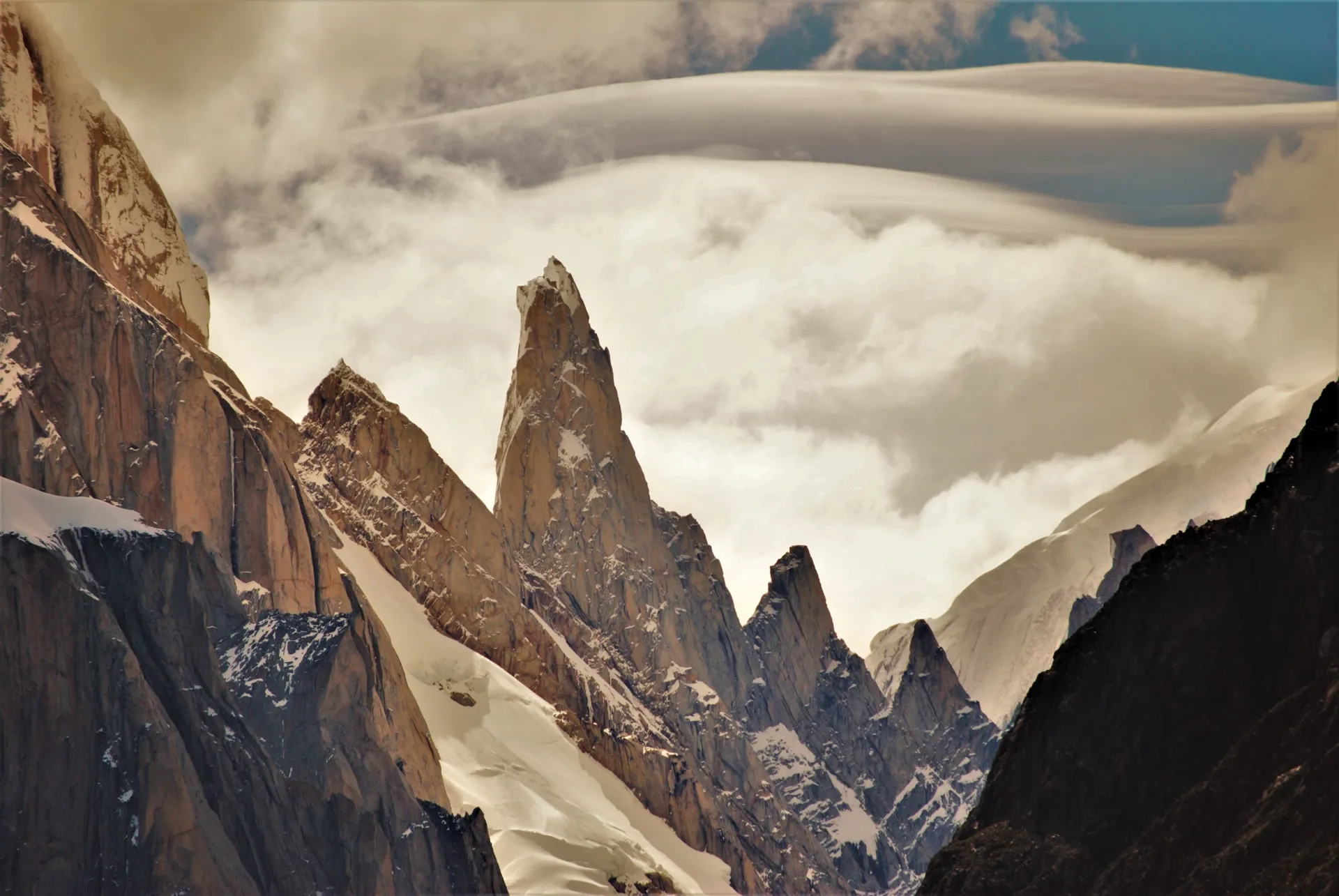 Patagonia Photo Tour
El Chaltén, El Calafate, Fitz Roy, Laguna de los Tres, Laguna Torre, Cerro Torre, Loma del Pliegue del Tumbado, Patagonia
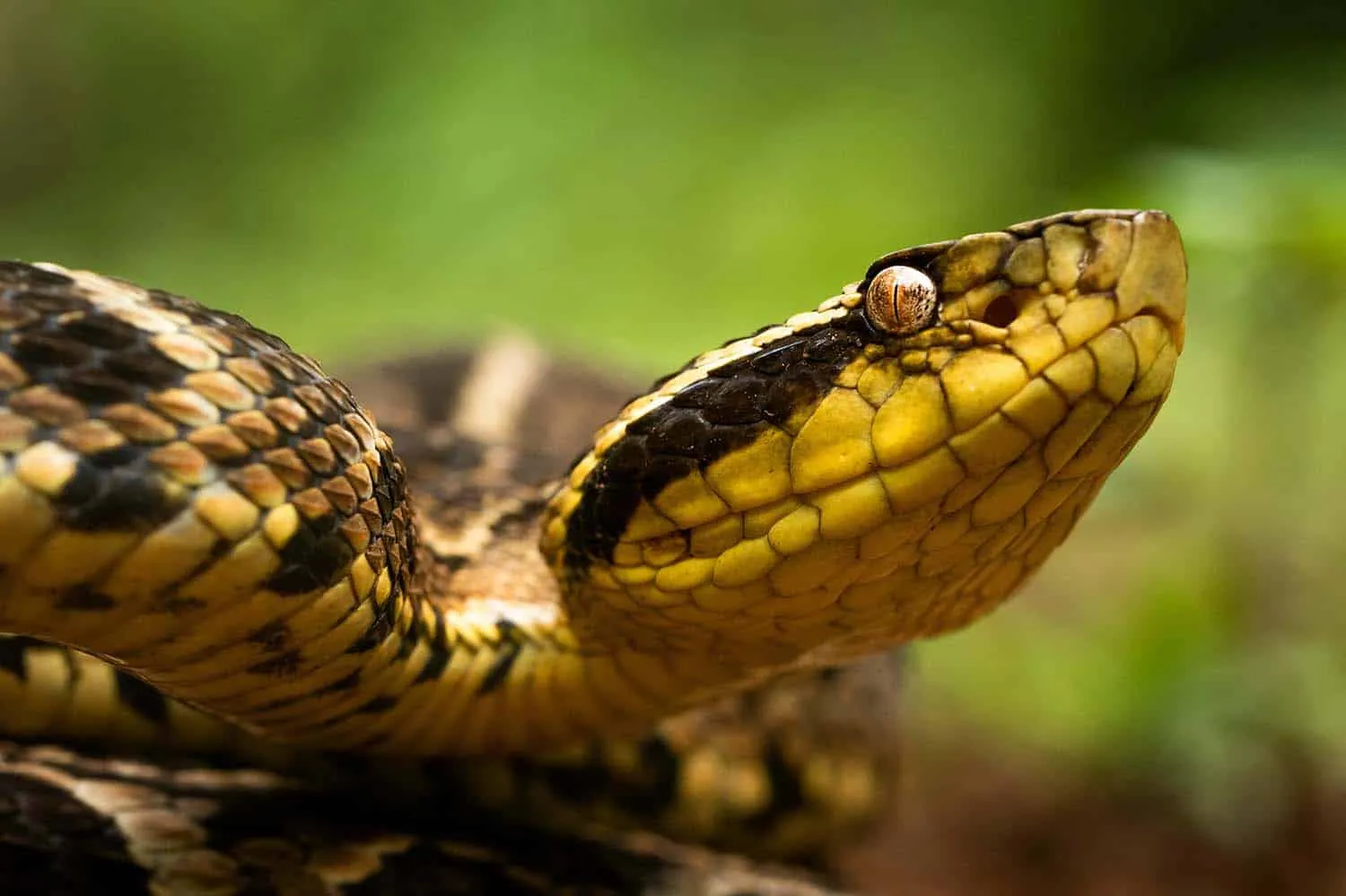 Argentina Herping Expedition
Buenos Aires, Iguazú Falls, Puerto Iguazú, Misiones, San Sebastián de la Selva, Iberá Wetlands, Posadas
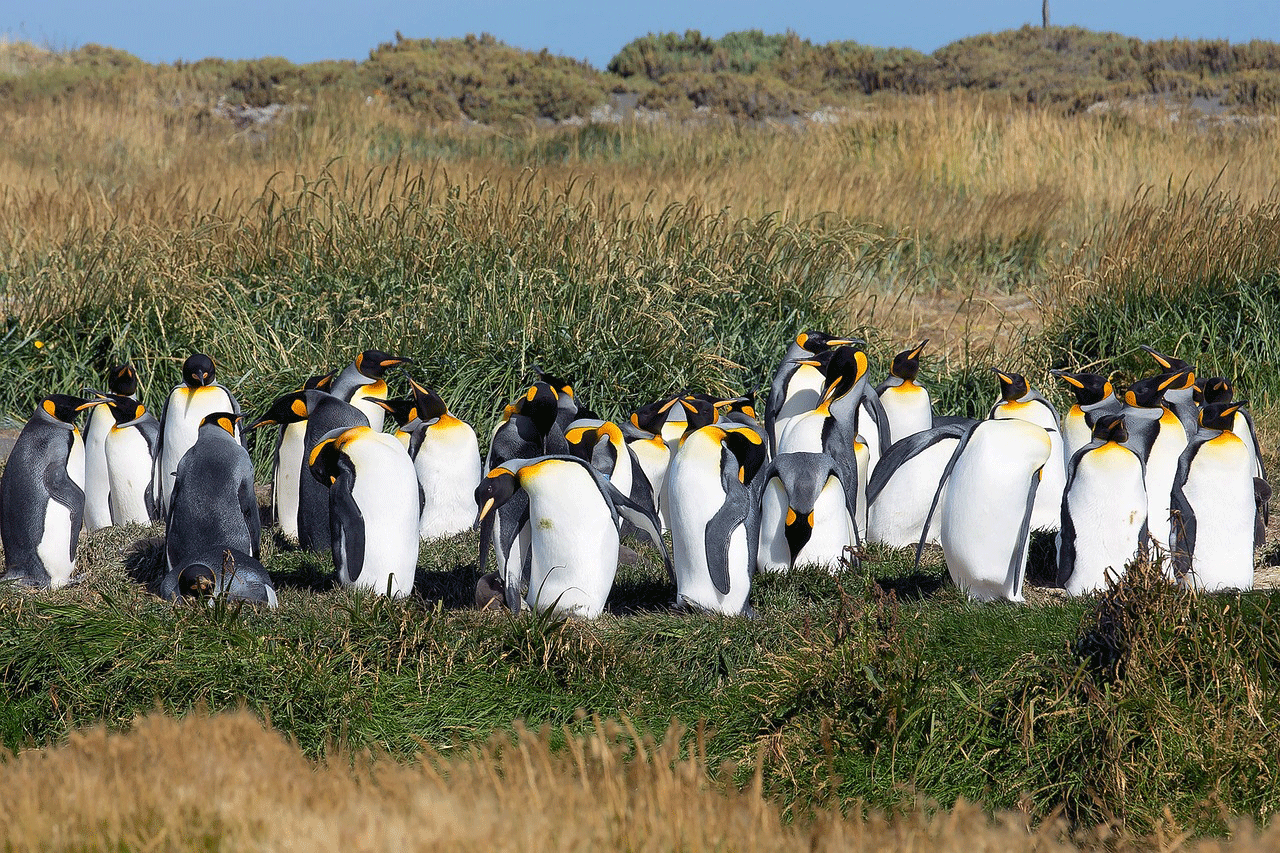 Patagonia Penguins Tour
Puerto Deseado, Peninsula Valdés, Ushuaia, Tierra del Fuego
Trips by Destination
In the following sections, you'll find tours focused on the main region you want to visit. They include traditional & thematic tours, interesting articles, and relevant information.
- Argentina
Custom-Made Experiences by Locals
 Patagonia
Custom-Made Experiences by Locals
 Chile
Custom-Made Experiences by Locals
 Northwest Argentina Holidays
Custom-Made Experiences by Locals
 Travel to Antarctica
Custom-Made Experiences by Locals
Tours by Travel Style
In the following sections, you'll find tours focused on the main region you want to visit. They include traditional & thematic tours, interesting articles, and relevant information. If your interest is focusing mainly in Chile or Antarctica, please visit our Chile and Antarctica sections.
 Classic Journeys
 Road Trips
 Hiking Adventures
 Wildlife Experiences
 Luxury Escapes
 Foodies
 Honeymoon
 Family Travel
 Cruises