Patagonia Wildfires and Native Forest Recovery
Hi, Santiago (one of the founders of Beyond BA) here again! This time, I’d like to talk about something that has sadly become part of Patagonia’s reality year after year: wildfires, their impact on…
Hi, Santiago (one of the founders of Beyond BA) here again! This time, I’d like to talk about something that has sadly become part of Patagonia’s reality year after year: wildfires, their impact on native forests, and what can actually be done to support recovery. For travelers who love Patagonia’s landscapes — its forests, lakes, mountains, and wildlife — this is not just environmental news. It’s about understanding the territory you’re visiting and why responsible travel and conservation matter more than ever.
Wildfires in Patagonia
Every year, thousands of hectares of land are burned in Patagonia, both in Argentina and Chile. In late 2025 and early 2026, the Biobío region in Chile, considered by many people as the northern gateway to Chilean Patagonia, suffered extensive fires that affected vast areas of land, caused tragic human losses, and left hundreds injured. On the Argentine side, more than 30,000 hectares of protected and highly scenic areas were affected by different fire outbreaks, including areas near Los Alerces National Park and other parts of Chubut Province.
Similar situations have occurred in recent years around El Bolsón, Lanín National Park, and across the Andes in Chile. Unfortunately, these events are not isolated. They are part of a broader pattern influenced by climate conditions, land use, and human activity.
What Causes Wildfires in Patagonia?
There is no single cause, and the dynamics may differ between Argentina and Chile. However, we can group the causes into two broad categories.
Natural Causes
- Lightning during dry electrical storms and other natural events.
Something important to understand — and something that sometimes surprises travelers — is that fire is not always completely “unnatural.” Some Patagonian ecosystems have historically experienced occasional, low-intensity fires, often triggered by lightning. These events could open parts of the forest, help certain species regenerate, and create ecological diversity.
The problem today is frequency and intensity. Modern wildfires can burn hotter, spread faster, and occur more frequently than many ecosystems evolved to withstand.
Human-Related Causes
Human activity is responsible for many wildfire outbreaks, particularly during periods of extreme dryness and strong winds.
- Negligence during very dry and windy periods.
- Campfires in unauthorized or high-risk areas.
- Cigarette butts that are not properly extinguished.
- Suspected intentional fires linked to speculative interests.
- Accidents involving machinery, vehicles, or power lines.
Climate change also plays a major role:
- Longer drought periods.
- Higher temperatures.
- Stronger winds.
These conditions can combine with limited emergency response capacity, making fires spread faster and burn more intensely.
Another important factor in some areas of Patagonia is the presence of exotic tree plantations, including certain pine species introduced during the 20th century. These trees can grow rapidly, contain highly flammable resins, spread beyond planted areas, and alter soil and ecosystem dynamics.
This combination can make some landscapes considerably more fire-prone than native forests.
Meanwhile, even with committed firefighting brigades and strong community support, emergency response teams can struggle against the speed and scale of modern wildfires.
Understanding Patagonia’s Native Forests
To understand the impact of fires, we first need to understand what kind of forests are being affected.
Patagonian Forests
- Chilean Patagonia has extensive areas of continuous forest cover.
- Argentine Patagonia has forests mainly along the Andes, with large areas of steppe to the east. Important forest regions include the Lake District, Los Glaciares National Park, Tierra del Fuego, and ecotone zones where forests transition into steppe.
Dominant Native Tree Species
- Nothofagus forests, including lenga, ñire, and coihue.
- Alerce, one of the longest-living trees on Earth.
- Cypress of the Andes.
- Araucaria, especially in northern Patagonia.
These forests are home to iconic wildlife such as:
- Huemul deer.
- Puma.
- Magellanic woodpecker.
- Foxes, condors, and many endemic bird species.
These forests are not simply beautiful landscapes. They are complex, slow-evolving ecosystems that have taken centuries to develop.
How Long Does a Patagonian Forest Take to Recover After Fire?
This is one of the most important questions when discussing Patagonia wildfires.
After a fire, grasses and shrubs may return relatively quickly, but native trees take much longer to recover.
Species such as lenga and coihue can take decades to form mature forests again. Depending on the ecosystem and severity of the fire, some areas may require 50–100 years or more to regain their previous structure — and that is only if recovery takes place under favorable conditions.
Severe fires can also:
- Erode soil.
- Change water cycles.
- Favor invasive species.
- Reduce biodiversity.
And this part is often overlooked: when forests disappear, it is not just about losing trees. Vegetation plays a key role in:
- Stabilizing soil.
- Filtering water.
- Regulating snowmelt and river flows.
In a region that feeds major lakes, rivers, and glacier systems, forest loss can have long-term hydrological consequences. Recovery is not automatic.
Reforestation in Patagonia: Why Native Species Matter
Planting trees is not as simple as it sounds.
Volunteers from the NGO Amigos de la Patagonia working in the Ñorquinco area of Lanín National Park.
Reforestation should prioritize native species because:
- They are adapted to local soils and climate.
- They support native wildlife.
- They help maintain natural water cycles.
- They are better integrated into local ecosystems.
Planting exotic species such as certain pines may be faster, but it can:
- Increase fire risk.
- Alter soil chemistry.
- Prevent native vegetation from returning.
Ecological restoration requires scientific knowledge and long-term planning, rather than simply planting trees wherever they are needed.
What Is Being Done — and How Can We Help?
Patagonia wildfires are likely to remain a challenge in the future, but their impact can be reduced through prevention, better planning, and responsible behavior.
What Is Needed at a Structural Level
- Stronger fire prevention policies.
- Better equipment and training for firefighting brigades.
- Early detection systems.
- Responsible land-use planning.
- More efficient legal action against intentional fires.
What Individuals and Travelers Can Do
- Never light fires outside permitted areas.
- Respect national park and protected-area regulations.
- Avoid smoking in natural areas.
- Support organizations working on native forest restoration.
At Beyond BA, we support conservation-focused initiatives such as Amigos de la Patagonia and encourage travelers to learn about the ecosystems they visit. Traveling responsibly also means understanding that these landscapes are fragile.
Why Patagonia Wildfires Matter for Travelers
When you walk through a Patagonian forest and see young trees growing among blackened trunks, you are witnessing resilience in real time. These landscapes carry memory — of fire, recovery, and adaptation.
Understanding this changes the way we experience nature: not simply as scenery, but as a living process.
Patagonia is not alone. From Australia and California to the Mediterranean, fire regimes are changing around the world.
The future of Patagonia will not depend only on firefighting capacity, but also on how societies choose to live with these landscapes — how we build, travel, consume, and protect. Fire reminds us that nature is dynamic, powerful, and interconnected.
Even though many fires are linked to human causes, human action can also be part of the solution. And yes — it is still possible to believe in recovery, resilience, and a better balance between people and nature.
Tailor-Made Travel in Argentina & Chile
We’re a local travel agency based in Argentina that offers personalized tours in Argentina and Chile. We’d love to help you design your next experience, so don’t hesitate to contact us for your next adventure!
As a starting point, we invite you to explore some of our following tours and posts:
El Calafate to Ushuaia Road Trip
Let's plan your personalized experience
Beyond BA Latam is a local travel agency based in Argentina that designs personalized tours in Argentina, Chile and Antarctica. We are very proud to work with a knowledgeable team capable to design trips based on your interests and traveling style. We are able to bring you a different and more enjoyable experience.
Related Articles
 Sustainable Travel in Argentina: A Powerful Partnership
At Beyond BA, we believe that sustainable travel in Argentina is not only about discovering the country’s extraordinary landscapes, but also about helping protect them for future generations. Since…
 Ecotourism in Argentina: Unforgettable Nature Experiences
The concept of Ecotourism in Argentina can be reflected in many different ways, but only a few destinations combine all the elements that define it. Among these sites, two areas stand out as role…
 Argentina’s Carbon Footprint: Understanding Its Urgent Climate Impact
Argentina’s Carbon Footprint reflects the greenhouse gas (GHG) emissions associated with activities across the country, including energy production and use, transportation, agriculture, livestock…
- Los Alerces National Park: Patagonia’s Ancient Forest Sanctuary
A UNESCO World Heritage Site and one of Argentina’s most pristine protected areas, Los Alerces National Park is a breathtaking landscape of emerald lakes, ancient forests, glaciers, and…
- Nahuel Huapi National Park: The Crown Jewel of Northern Patagonia
Nahuel Huapi National Park, founded in 1934, is Argentina’s oldest national park and one of the most spectacular protected areas in Patagonia. Stretching across the provinces of Río Negro and Neuquén…
Inspiring Tours
 Argentina and Chile Culture: Discover Art, Architecture & Heritage
Buenos Aires, Purmamarca, Salta, Mendoza and Santiago de Chile
 Mendoza Luxury Holiday & Hiking in Aconcagua Park
Buenos Aires - Bariloche - Mendoza
 Jujuy & Salta - Hiking & Comfort
Salta - Jujuy
 Trek South America's Highlights
Cusco, Santiago de Chile, Puerto Natales, El Calafate, El Chaltén y Buenos Aires
 Tierra del Fuego Hiking Tour
Tierra del Fuego, Ushuaia, Tierra del Fuego National Park, Beagle Channel, Lake Fagnano & Mitre Peninsula
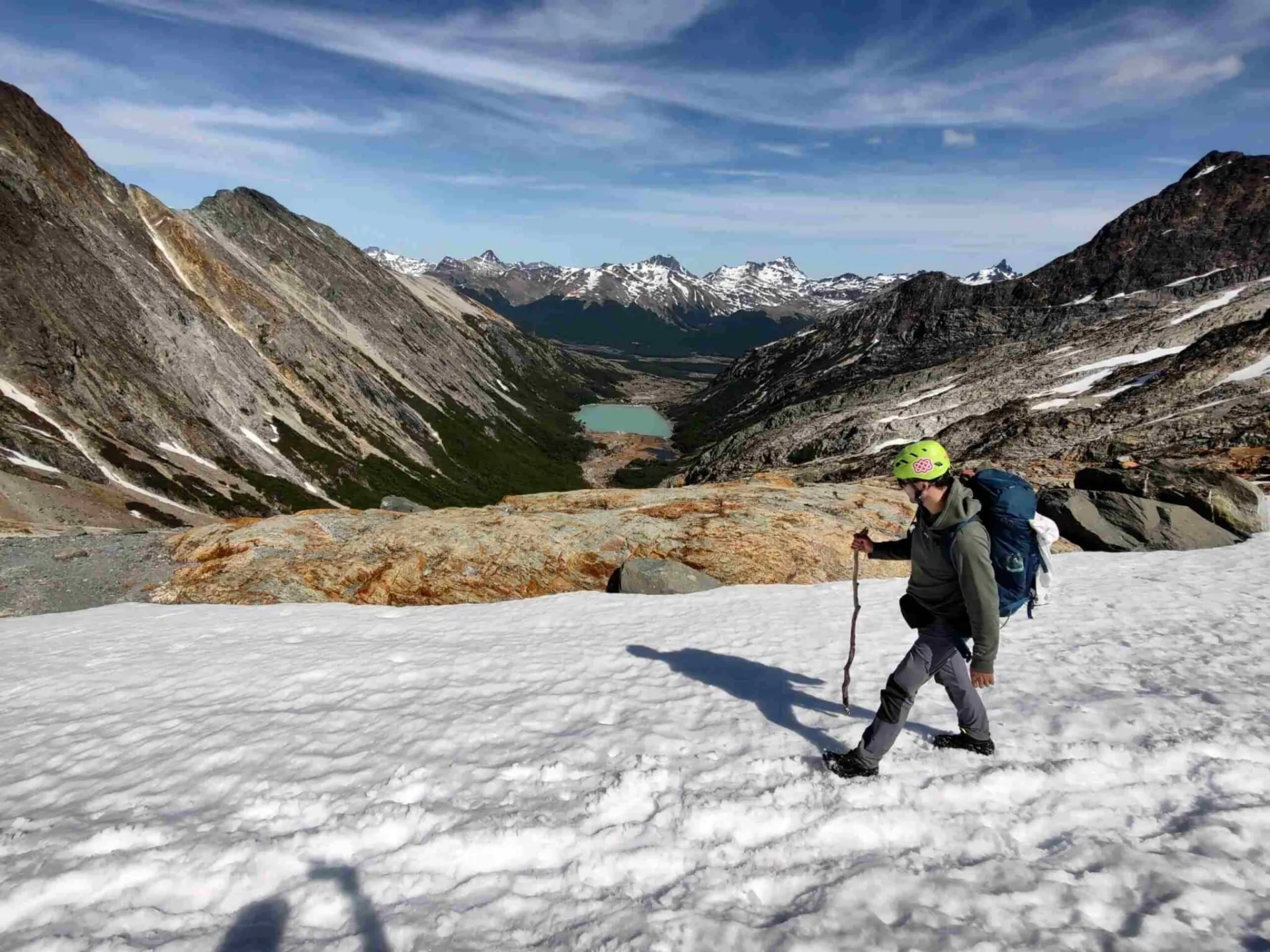 Sierra Valdivieso Circuit & Tierra del Fuego hiking tour
Ushuaia, Tierra del Fuego, Laguna Esmeralda, Lake Fagnano & Carbajal Valley.
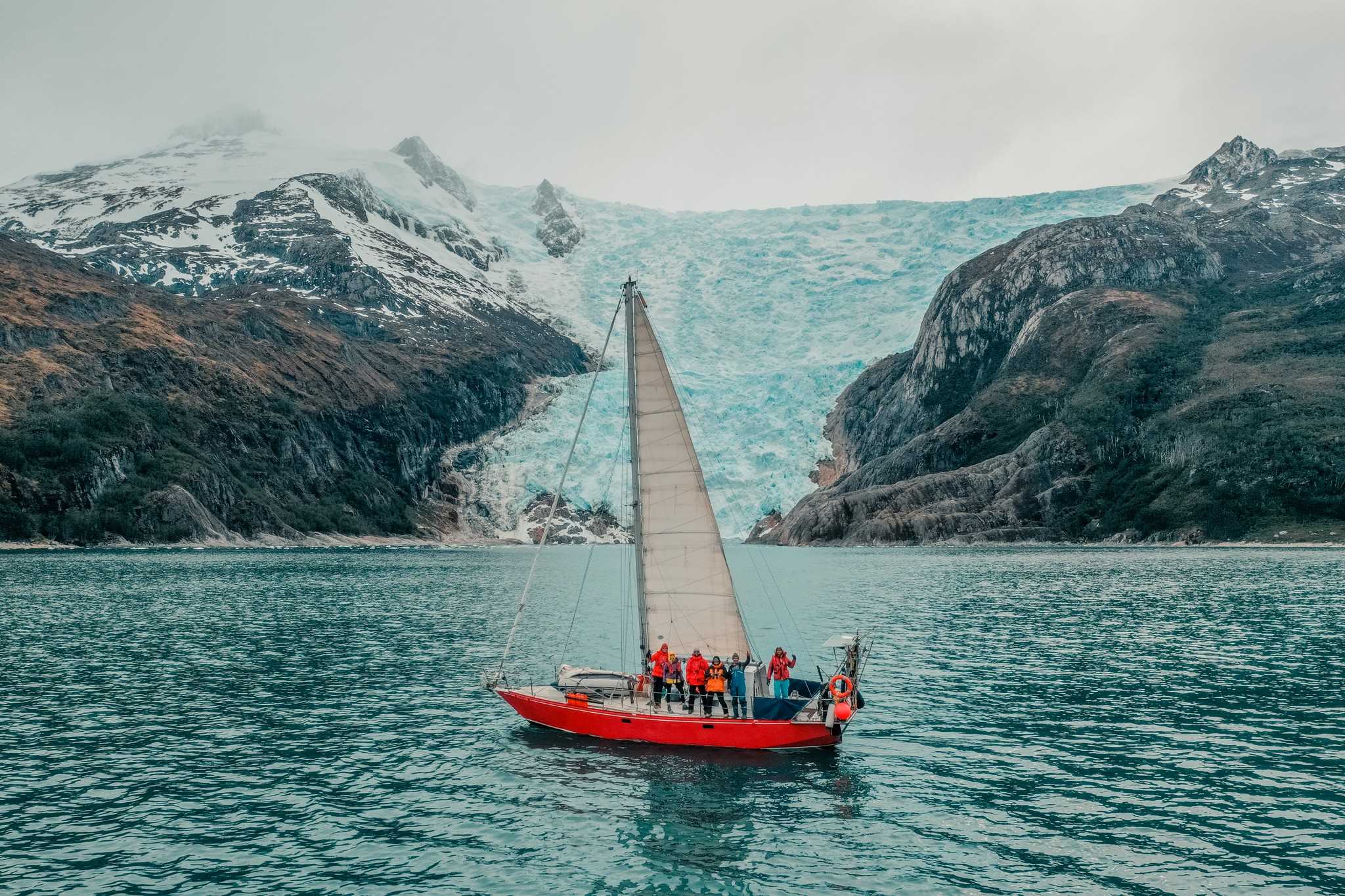 Darwin Range Patagonia Expedition (Cordillera Darwin)
Ushuaia, Puerto Williams, Beagle Channel, Darwin Range, Gordon Island, Hoste Island, Pia Fjord & Garibaldi Fjord
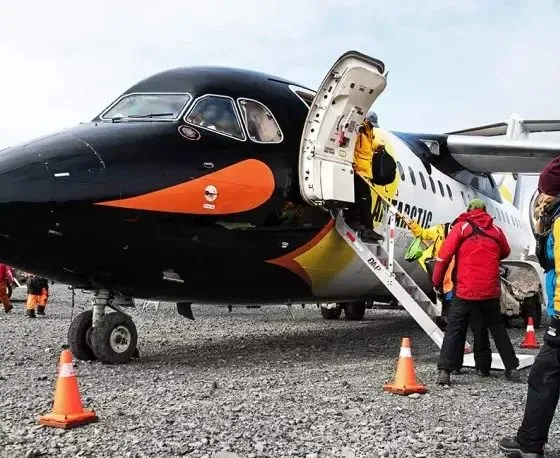 Fly the Drake: Antarctic Express
Punta Arenas, King George Island, South Shetland Islands, Antarctic Peninsula, Antarctica & Drake Passage
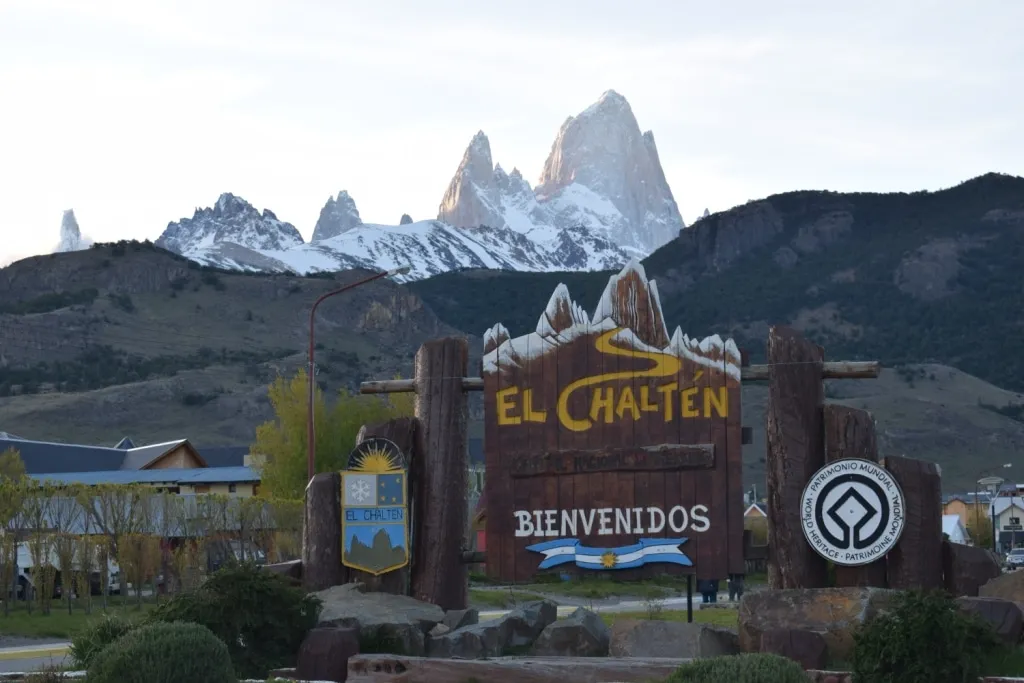 Patagonia Trekking Tour: El Calafate & El Chaltén
El Calafate, El Chaltén, Fitz Roy, Cerro Torre, Laguna de los Tres, Laguna Torre, Perito Moreno Glacier, Southern Patagonian Ice Field
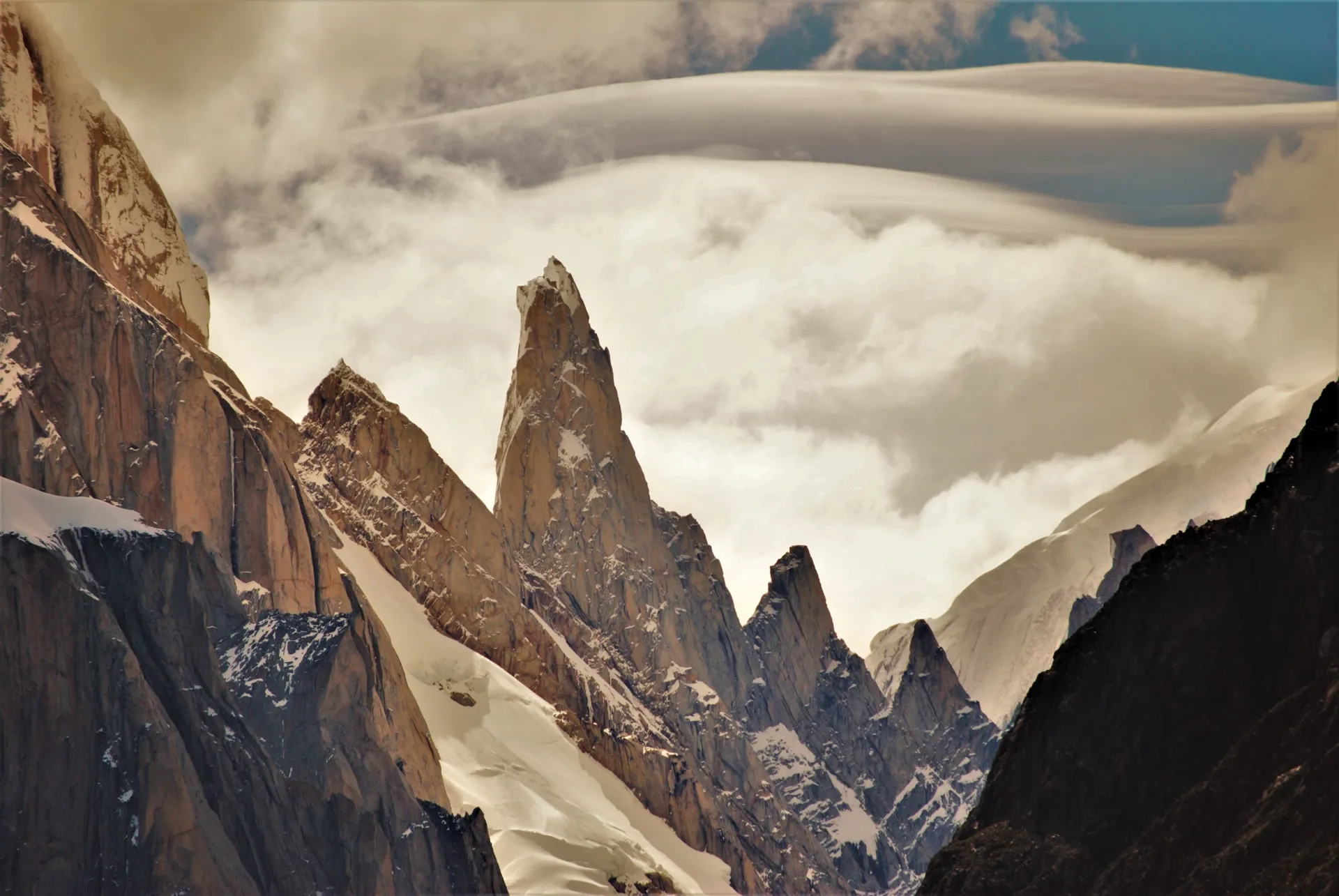 Patagonia Photo Tour
El Chaltén, El Calafate, Fitz Roy, Laguna de los Tres, Laguna Torre, Cerro Torre, Loma del Pliegue del Tumbado, Patagonia
 Argentina Herping Expedition
Buenos Aires, Iguazú Falls, Puerto Iguazú, Misiones, San Sebastián de la Selva, Iberá Wetlands, Posadas
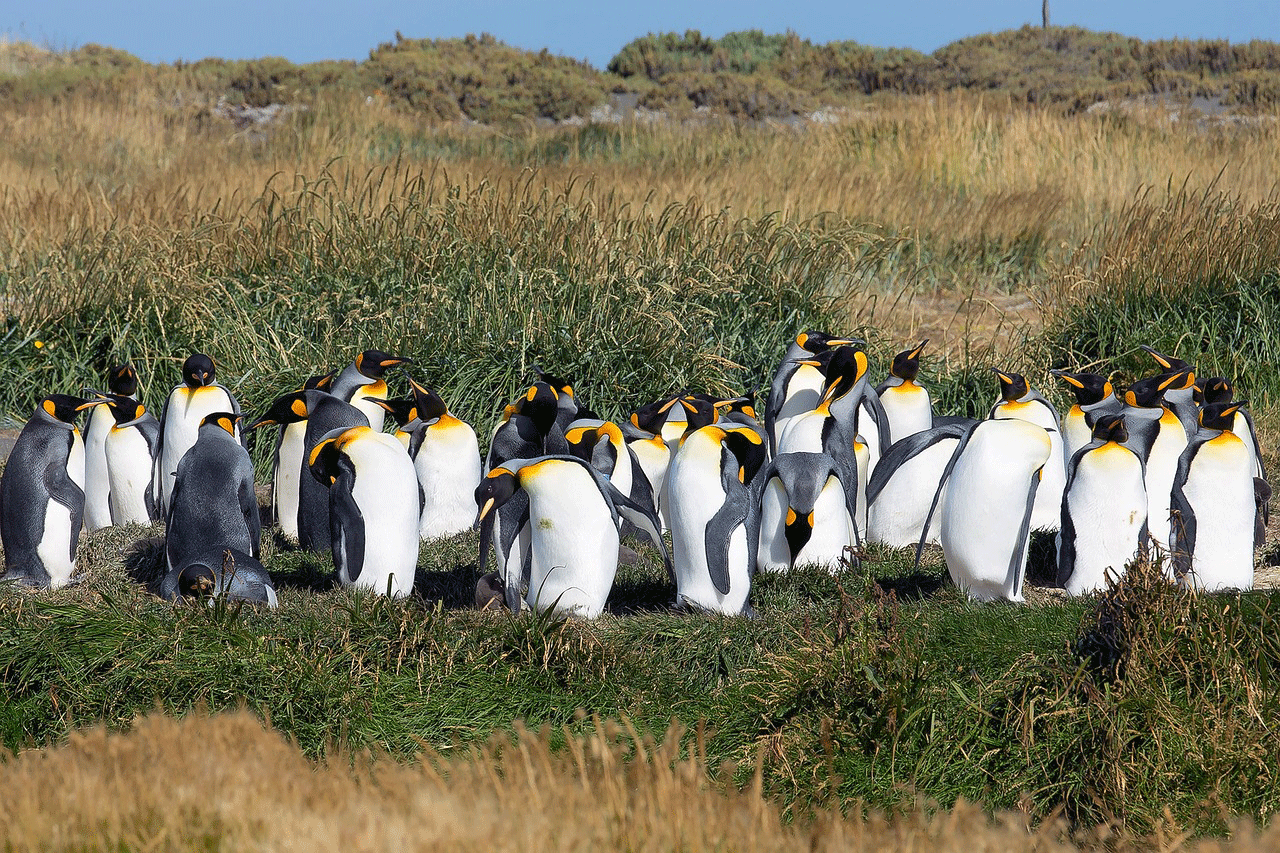 Patagonia Penguins Tour
Puerto Deseado, Peninsula Valdés, Ushuaia, Tierra del Fuego
Trips by Destination
In the following sections, you'll find tours focused on the main region you want to visit. They include traditional & thematic tours, interesting articles, and relevant information.
- Argentina
Custom-Made Experiences by Locals
 Patagonia
Custom-Made Experiences by Locals
 Chile
Custom-Made Experiences by Locals
 Northwest Argentina Holidays
Custom-Made Experiences by Locals
 Travel to Antarctica
Custom-Made Experiences by Locals
Tours by Travel Style
In the following sections, you'll find tours focused on the main region you want to visit. They include traditional & thematic tours, interesting articles, and relevant information. If your interest is focusing mainly in Chile or Antarctica, please visit our Chile and Antarctica sections.
 Classic Journeys
 Road Trips
 Hiking Adventures
 Wildlife Experiences
 Luxury Escapes
 Foodies
 Honeymoon
 Family Travel
 Cruises