History of Patagonia
Patagonia, a vast region at the southern end of South America spanning Argentina and Chile, has a rich and complex past. This land of rugged landscapes and dramatic climates has been home to diverse…
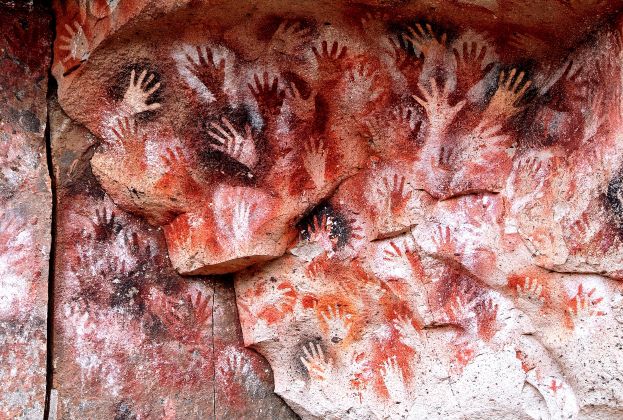
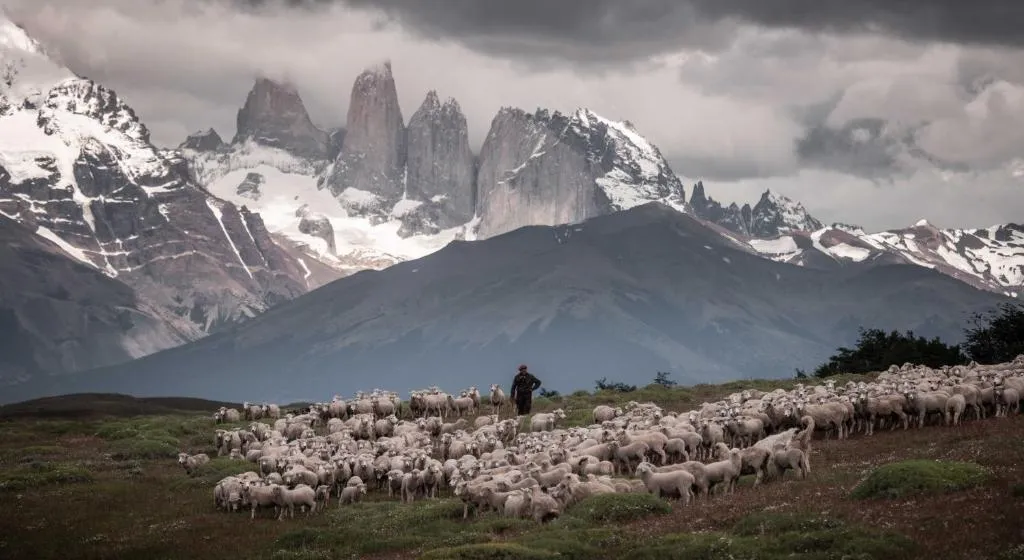
Patagonia, a vast region at the southern end of South America spanning Argentina and Chile, has a rich and complex past. This land of rugged landscapes and dramatic climates has been home to diverse cultures and has witnessed significant historical events. This article explores the History of Patagonia, from the pre-Columbian civilizations that first inhabited the region to European colonization and the development of modern Patagonia.
Pre-Columbian Civilizations
Long before the arrival of Europeans, Patagonia was inhabited by various indigenous groups that adapted to its harsh environments. Among the most prominent cultures were the Tehuelche, Mapuche, and Selk'nam (Ona).
- The Tehuelche: The Tehuelche people roamed the vast Patagonian steppes, including present-day Chubut and Santa Cruz provinces, living as nomadic hunter-gatherers. They relied on guanacos for food, clothing, and tools, while developing a rich oral tradition and deep knowledge of their environment.
- The Mapuche: Originally from central Chile, the Mapuche gradually expanded into northern Patagonia. Known for their resistance to both Inca and Spanish invasions, they maintained a strong cultural identity over centuries.
- The Selk'nam (Ona): The Selk'nam inhabited Tierra del Fuego and were also hunter-gatherers, recognized for their elaborate initiation ceremonies and distinctive body painting traditions.
These groups developed complex social structures, spiritual beliefs, and a profound connection to the land, which they managed sustainably for thousands of years.
European Exploration and Colonization
European exploration of Patagonia began in the early 16th century, driven by the search for new trade routes and territories.
- Ferdinand Magellan: In 1520, Portuguese explorer Ferdinand Magellan became the first European to navigate the strait that now bears his name, marking the beginning of European interest in Patagonia. His encounters with indigenous peoples inspired myths of a land inhabited by giants.
- Sir Francis Drake: The English privateer Sir Francis Drake passed through the Strait of Magellan in 1578 during his circumnavigation of the globe, increasing European awareness of the region’s strategic importance.
Colonization efforts were initially sporadic and difficult due to Patagonia’s harsh climate and remote geography. However, by the 18th and 19th centuries, Spanish and British explorers and settlers had begun establishing a more permanent presence.
19th Century: Conquest and Settlement
The 19th century brought major changes to Patagonia as Argentina and Chile consolidated control over the region, resulting in significant demographic and cultural transformations.
- The Conquest of the Desert: In the late 19th century, the Argentine government launched a military campaign aimed at expanding national territory and subduing indigenous populations. Led by General Julio Argentino Roca, this campaign caused the displacement and decimation of many native communities.
- Chilean Expansion: Chile also expanded into western Patagonia through military campaigns and colonization efforts, integrating the region into its national territory.
European immigrants, particularly from Wales, Germany, and Italy, settled in Patagonia and established agricultural colonies. The Welsh settlement in the Chubut Valley remains one of the most remarkable examples, preserving its language and traditions to this day.
Argentina and Chile experienced territorial disputes throughout the years until the current international borders were established. Most of the boundary follows the highest peaks of the Andes Mountains, while other sections are marked by the Beagle Channel and the 68° meridian in Tierra del Fuego. The Strait of Magellan remained under Chilean control. In addition, a small portion of the Southern Patagonian Ice Field remains undefined due to the difficulty of establishing borders in ice-covered terrain.
20th Century: Economic Development and Conservation
The 20th century brought significant economic and infrastructural development to Patagonia, driven by several major industries.
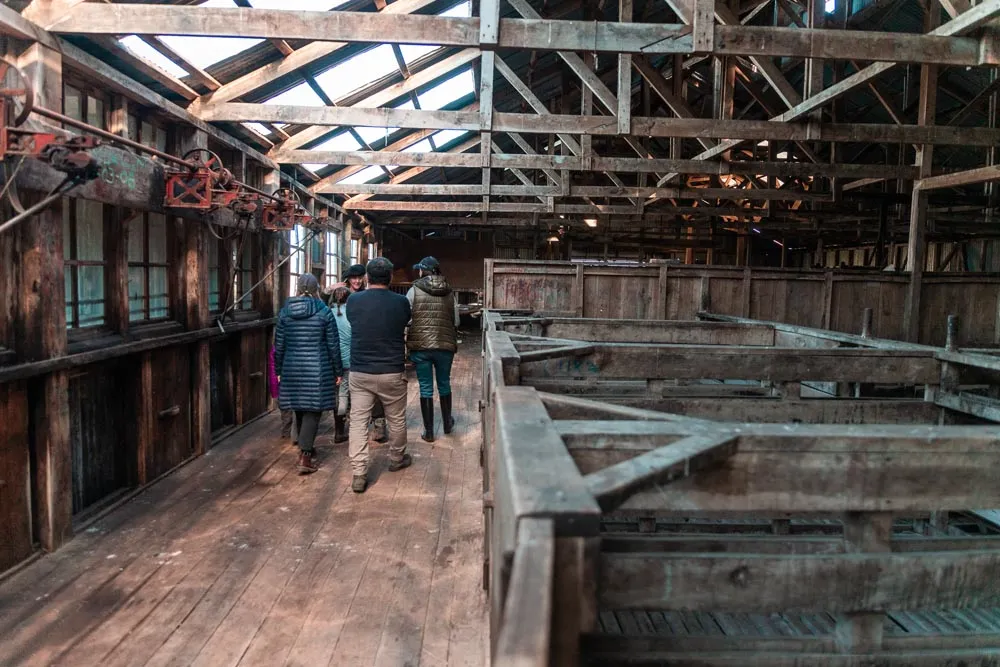
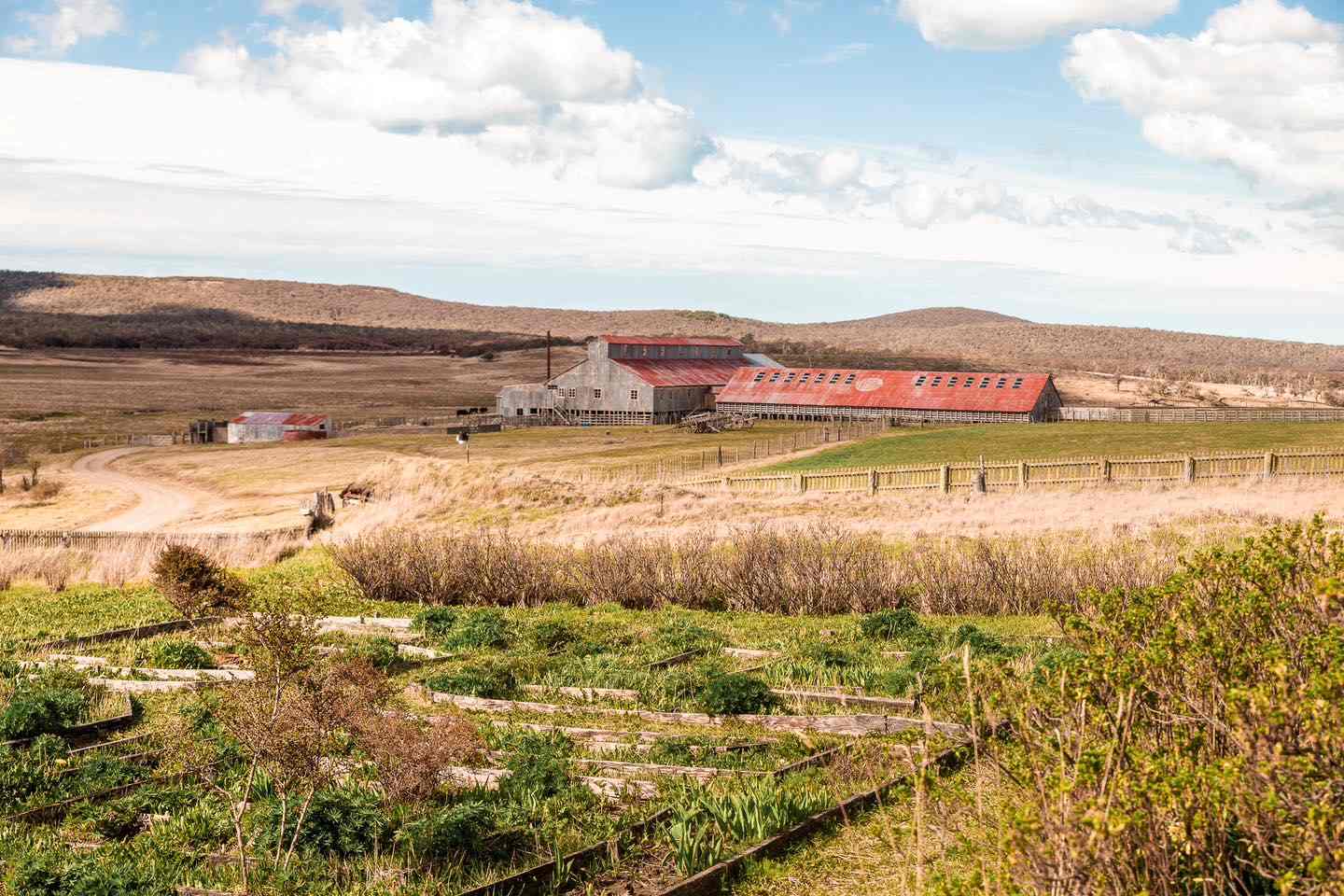
- Sheep Ranching: Sheep ranching became one of Patagonia’s dominant economic activities, transforming both the landscape and the regional economy. Large estancias were established, many of which still operate today.
- Oil and Gas: The discovery of oil in Comodoro Rivadavia in 1907 fueled economic growth and urban expansion throughout the region.
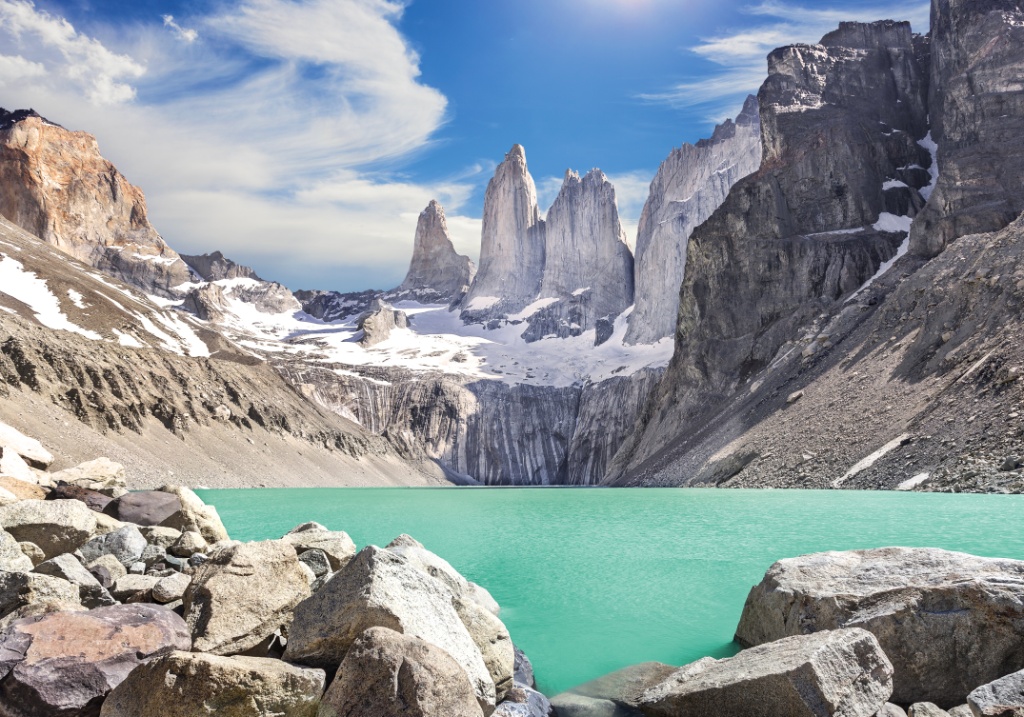
- Tourism and Conservation: Patagonia’s spectacular natural beauty attracted travelers and conservationists alike. National parks such as Los Glaciares in Argentina and Torres del Paine in Chile were established to protect these landscapes while promoting eco-tourism.
Contemporary Patagonia
Today, Patagonia is internationally recognized for its extraordinary landscapes, cultural diversity, and environmental importance.
- Cultural Revival: Indigenous cultures are experiencing renewed recognition, with efforts focused on preserving languages, traditions, and community rights.
- Environmental Challenges: Patagonia faces environmental threats including climate change, deforestation, and invasive species. Conservation initiatives remain essential to protecting its ecosystems.
- Economic Activities: Modern Patagonia supports a diverse economy that includes agriculture, oil and gas, mining, and tourism. Eco-tourism has become especially important, emphasizing sustainable travel and environmental preservation.
The Rich Tapestry of Patagonian History
The History of Patagonia is woven from indigenous heritage, European exploration, colonization, and modern development. From the ancient cultures that first inhabited this remote land to current efforts to balance economic growth with environmental conservation, Patagonia remains one of the world’s most fascinating and significant regions.
Personalized Tours in Argentina and Chile
We are Beyond BA Latam, a local travel agency based in Argentina specializing in custom tours across Patagonia and other regions of Argentina and Chile. To get started, we invite you to explore the following travel experiences:
Ushuaia to Cape Horn and Other Cruises in Patagonia
Let’s start planning your next Patagonia experience!
Let's plan your personalized experience
Beyond BA Latam is a local travel agency based in Argentina that designs personalized tours in Argentina, Chile and Antarctica. We are very proud to work with a knowledgeable team capable to design trips based on your interests and traveling style. We are able to bring you a different and more enjoyable experience.
Related Articles
 Cave of Hands
Visitors from all over the world come to see the Cave Of Hands in the province of Santa Cruz because it is an extraordinary and captivating location. It is one of Argentina’s most famous…
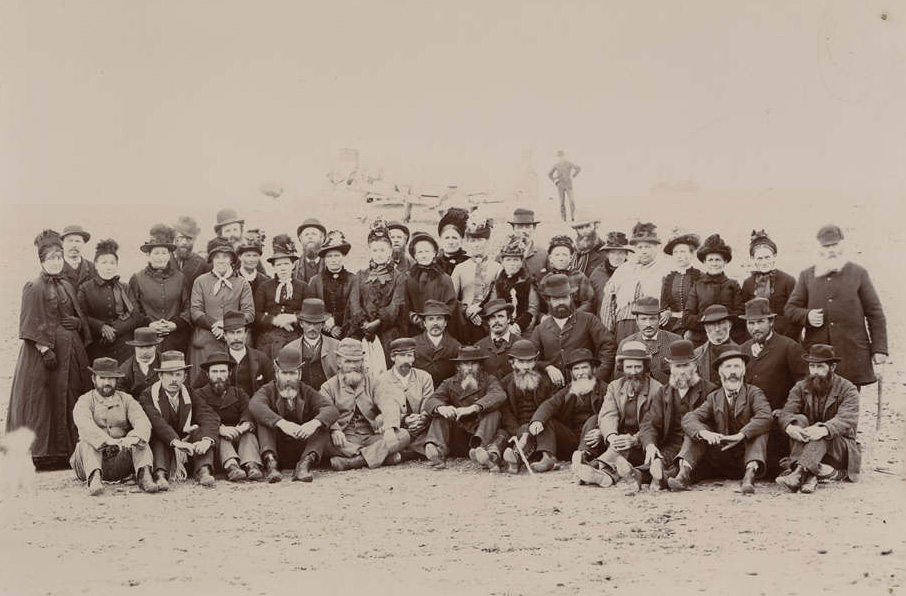 Welsh Patagonia: The Extraordinary Legacy of Wales in Argentina
Welsh Patagonia is one of the most fascinating chapters in Argentina’s history. In 1865, a group of Welsh settlers arrived in Patagonia aboard the Mimosa, seeking a place where their language…
 Tierra del Fuego Gold Rush
At the southernmost tip of South America lies the rugged and mysterious region of Tierra del Fuego, a land of windswept plains, dramatic coastlines, and fascinating history. Beyond its icy fjords…
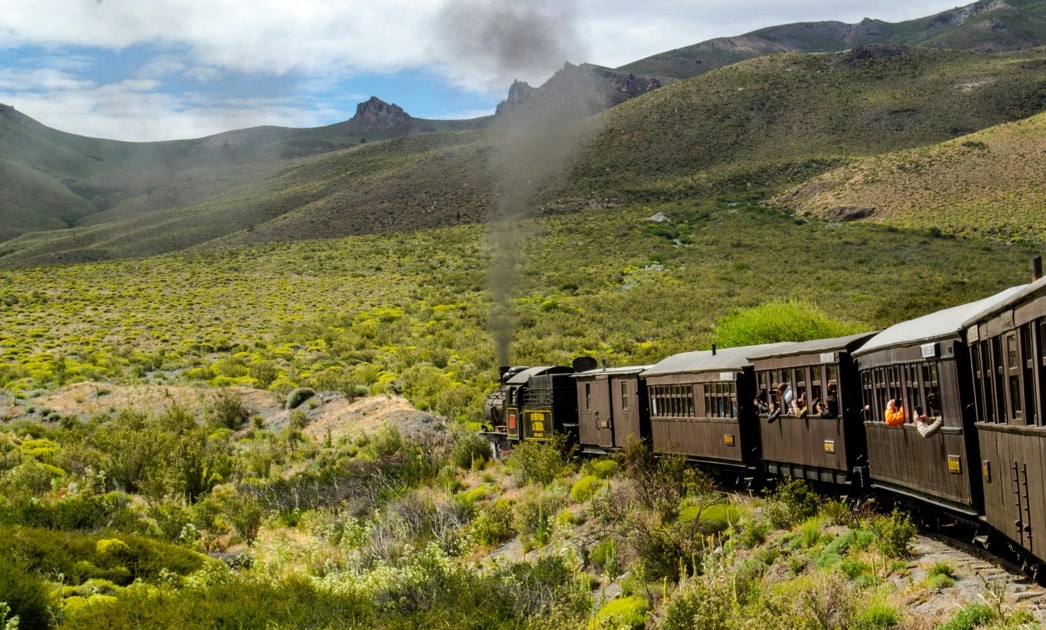 La Trochita – The Old Patagonian Express: A Journey Back in Time
In the heart of Patagonia, La Trochita—officially known as the Old Patagonian Express—invites travelers to step back in time aboard one of Argentina’s most iconic trains. Famous for its vintage…
- The Beagle Channel
The Beagle Channel is a spectacular waterway that connects the Atlantic and Pacific Oceans along 240 km of breathtaking landscapes. Shared by Argentina and Chile, it separates Tierra del Fuego from…
 Cultural Sites in Argentina: Amazing Places to Visit & Discover
From historic landmarks and archaeological sites to remarkable architecture and places connected to Argentina’s traditions, cultural sites in Argentina reveal the country’s diverse heritage and…
Inspiring Tours
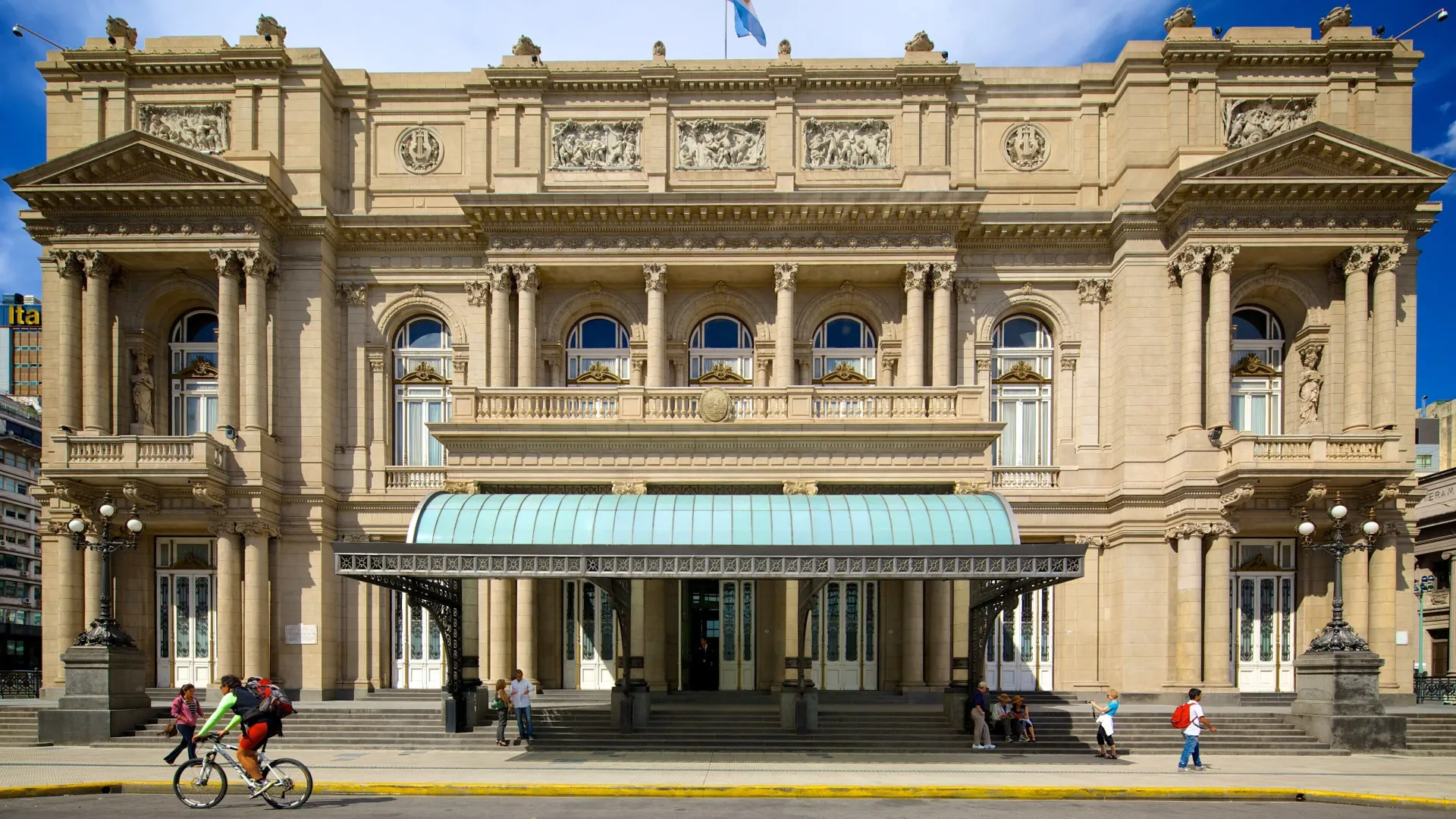 Argentina and Chile Culture: Discover Art, Architecture & Heritage
Buenos Aires, Purmamarca, Salta, Mendoza and Santiago de Chile
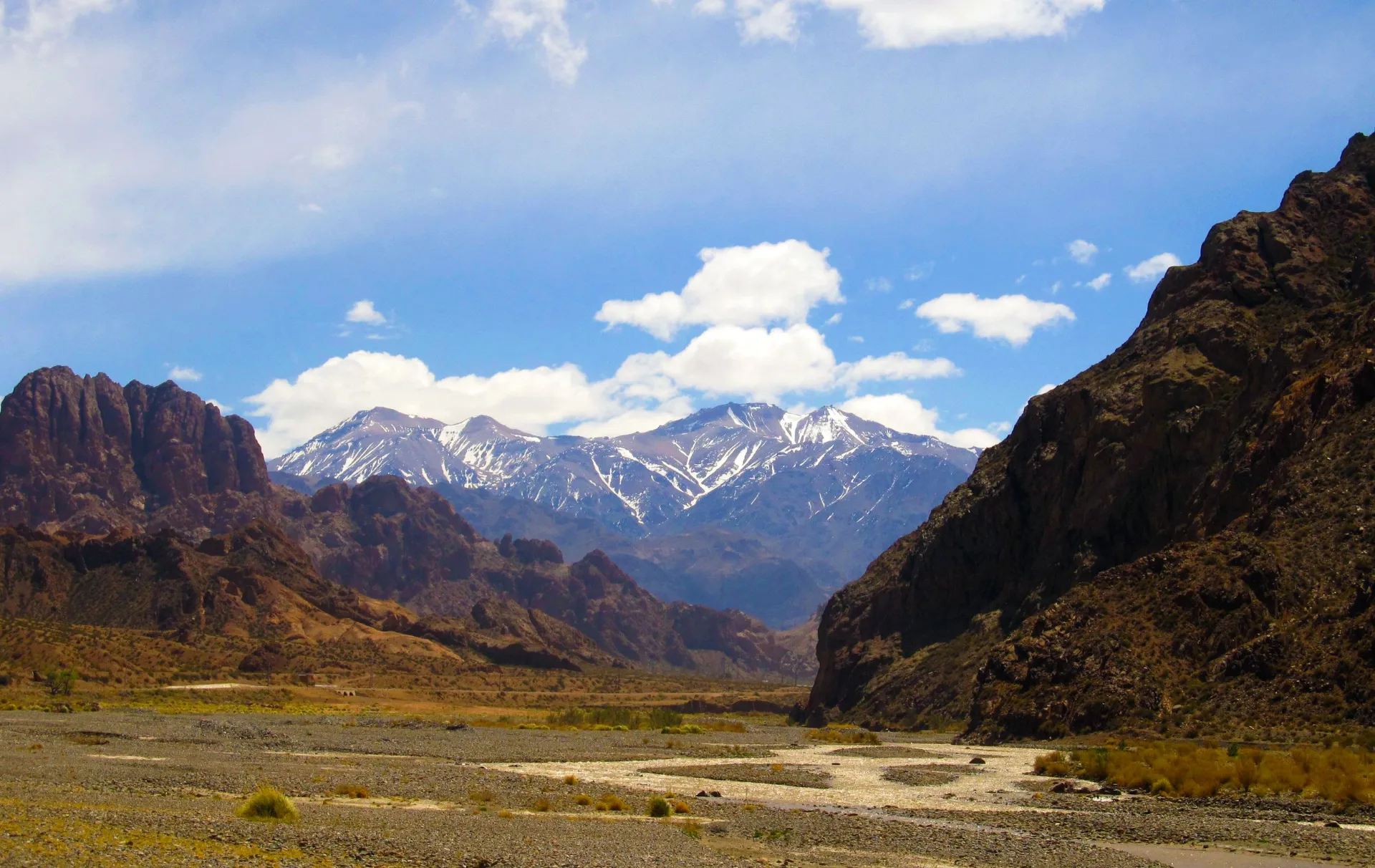 Mendoza Luxury Holiday & Hiking in Aconcagua Park
Buenos Aires - Bariloche - Mendoza
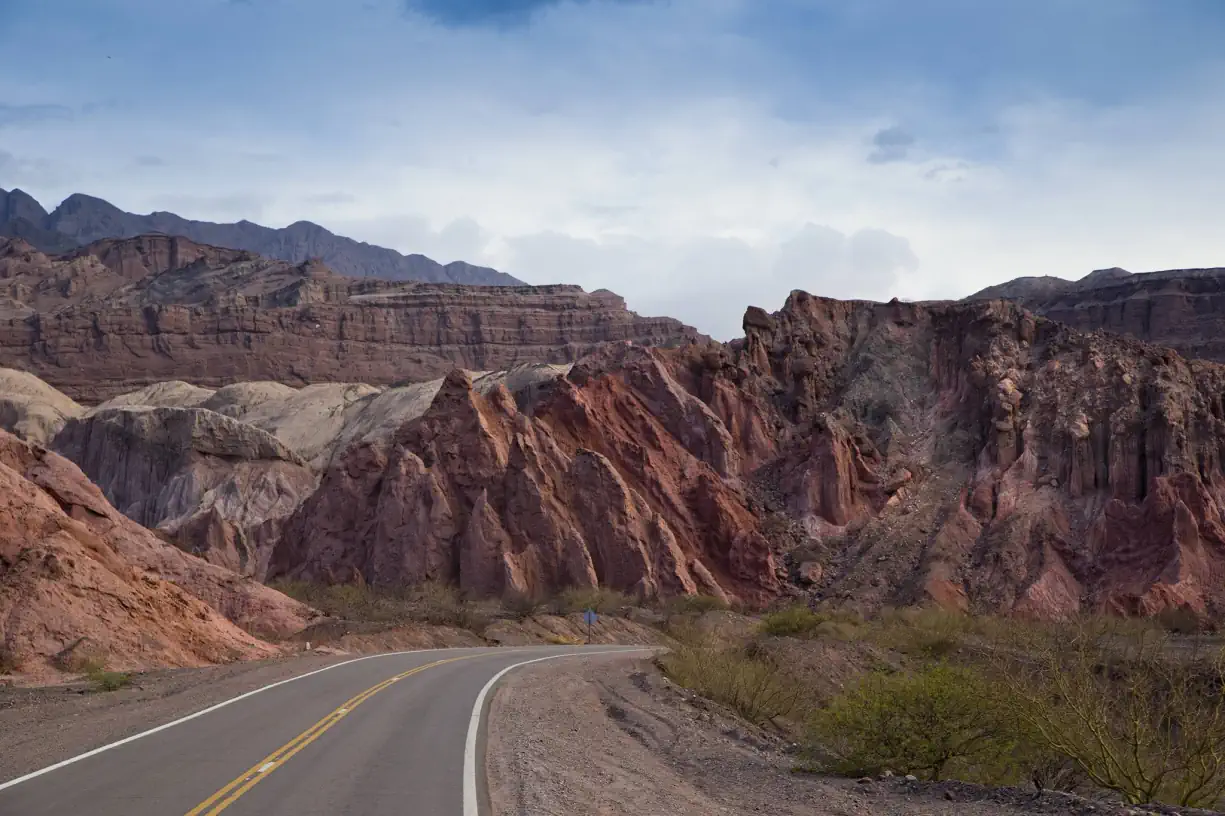 Jujuy & Salta - Hiking & Comfort
Salta - Jujuy
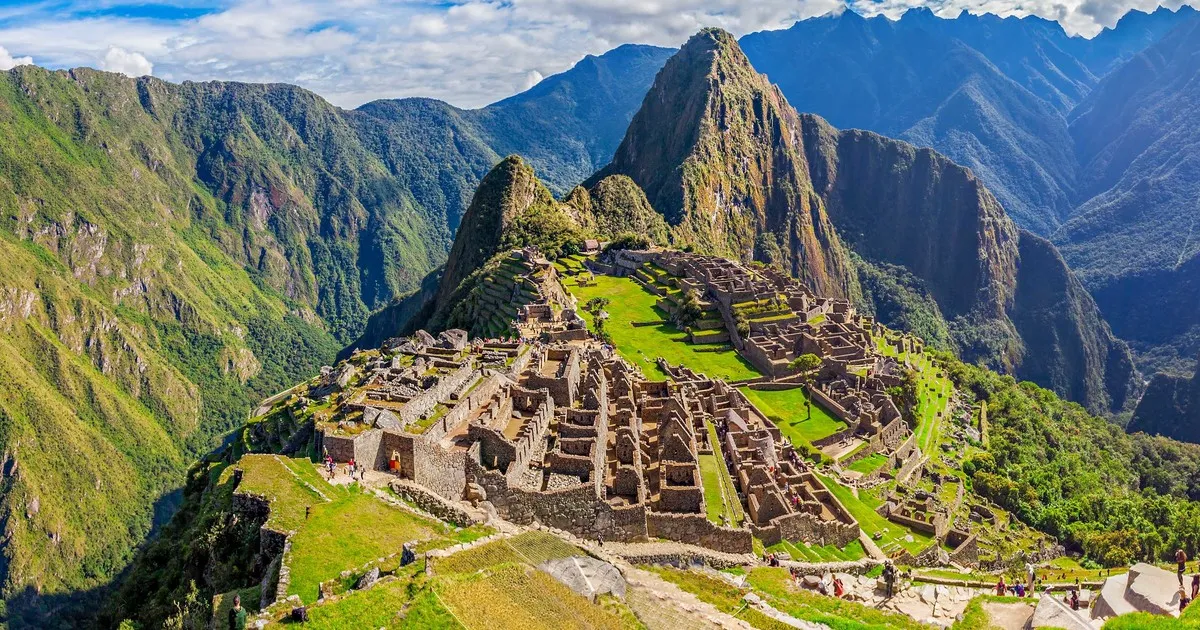 Trek South America's Highlights
Cusco, Santiago de Chile, Puerto Natales, El Calafate, El Chaltén y Buenos Aires
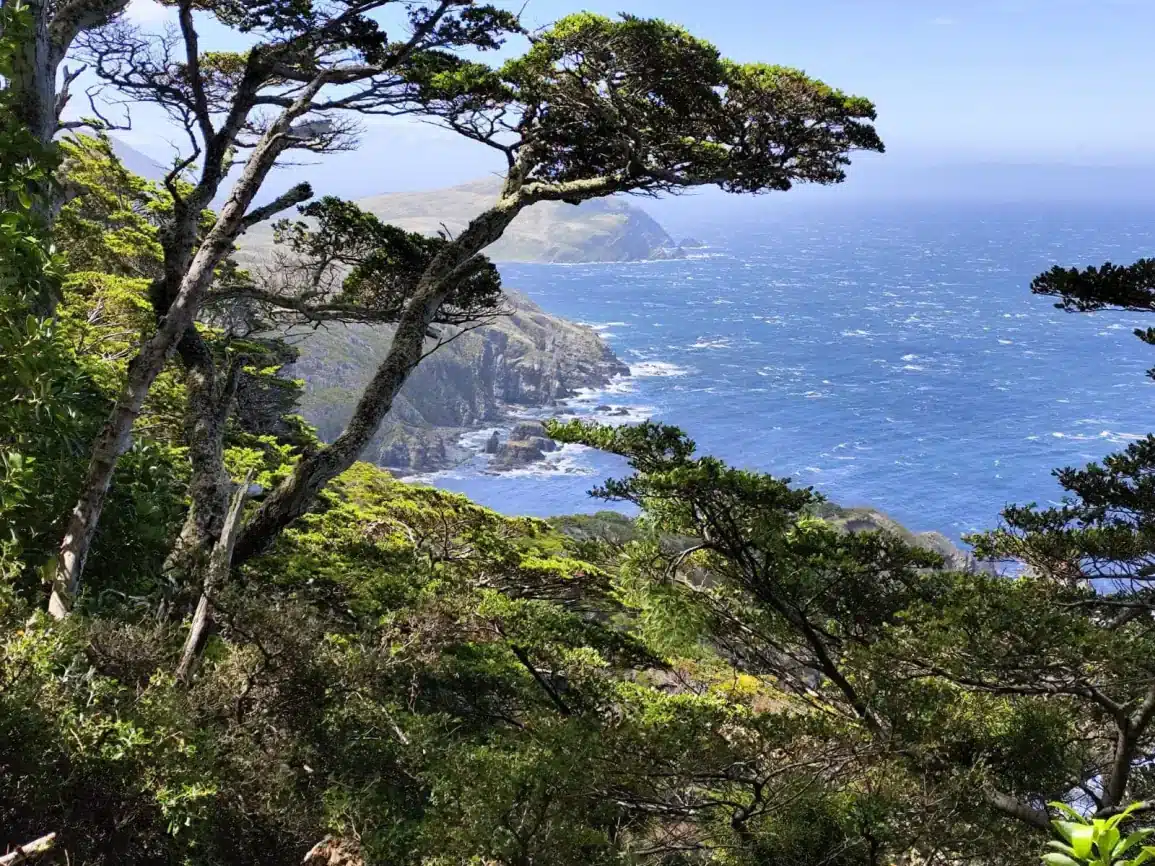 Tierra del Fuego Hiking Tour
Tierra del Fuego, Ushuaia, Tierra del Fuego National Park, Beagle Channel, Lake Fagnano & Mitre Peninsula
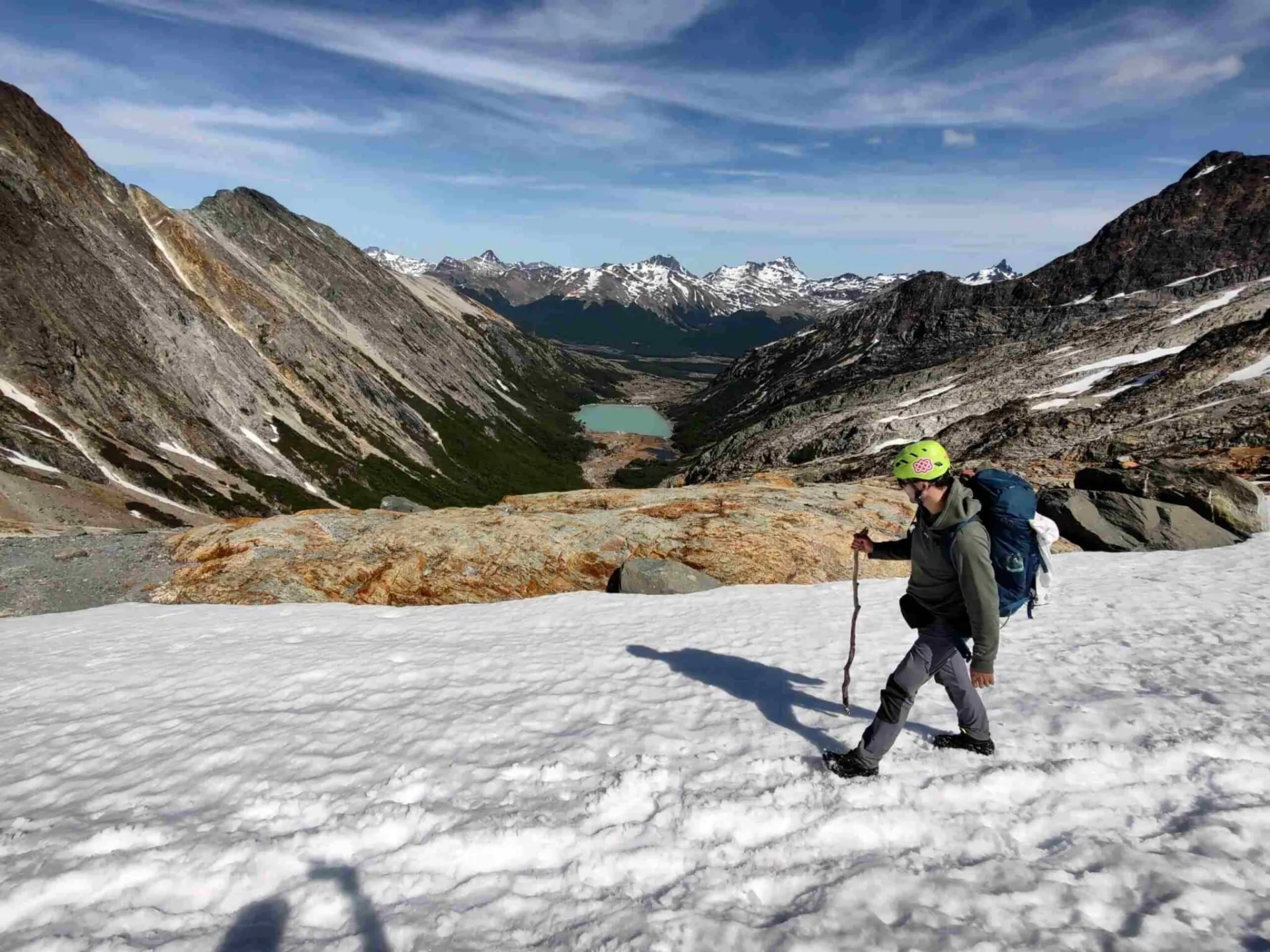 Sierra Valdivieso Circuit & Tierra del Fuego hiking tour
Ushuaia, Tierra del Fuego, Laguna Esmeralda, Lake Fagnano & Carbajal Valley.
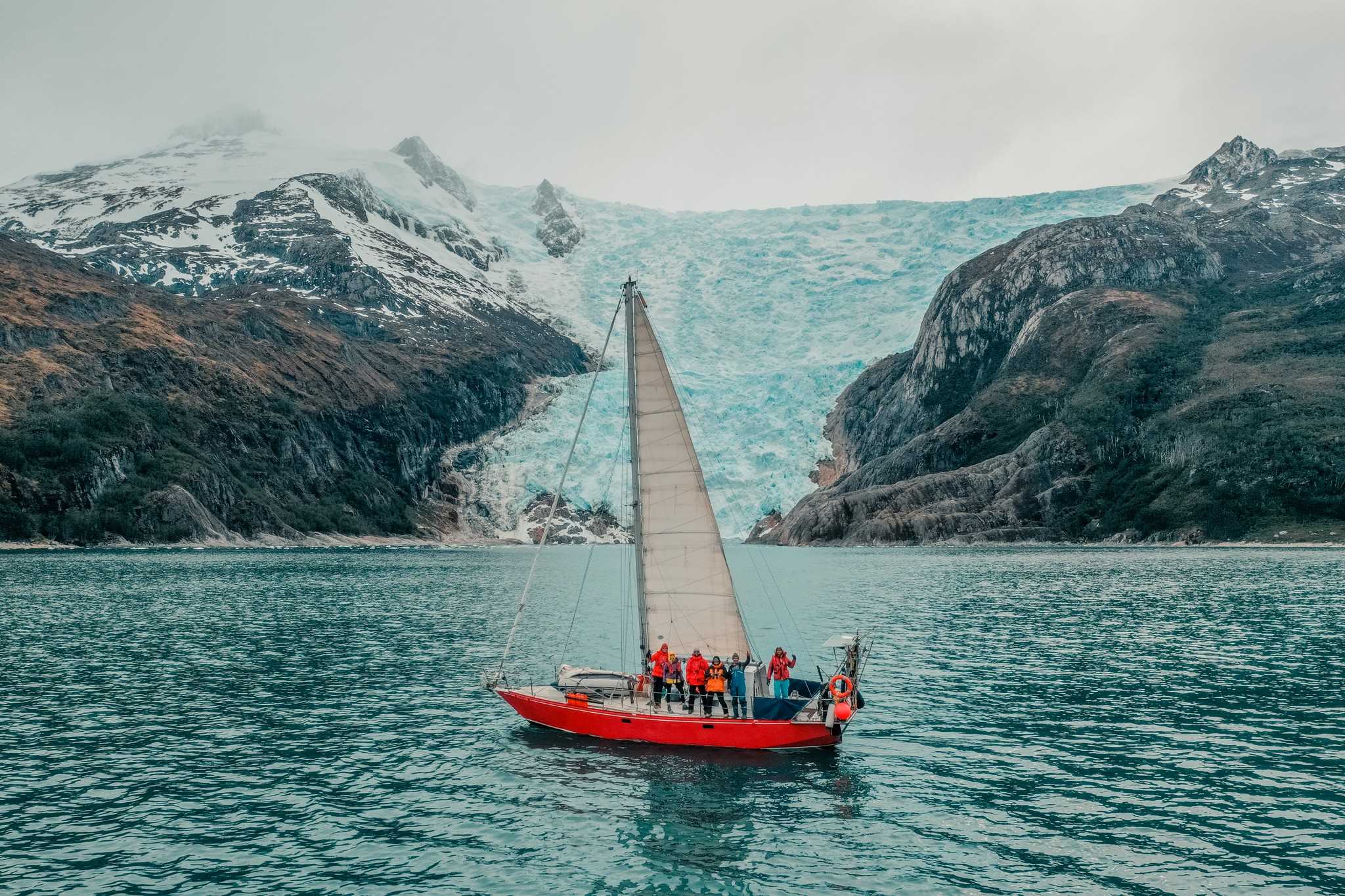 Darwin Range Patagonia Expedition (Cordillera Darwin)
Ushuaia, Puerto Williams, Beagle Channel, Darwin Range, Gordon Island, Hoste Island, Pia Fjord & Garibaldi Fjord
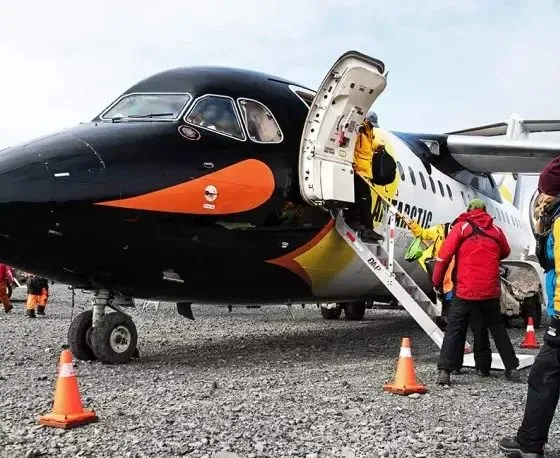 Fly the Drake: Antarctic Express
Punta Arenas, King George Island, South Shetland Islands, Antarctic Peninsula, Antarctica & Drake Passage
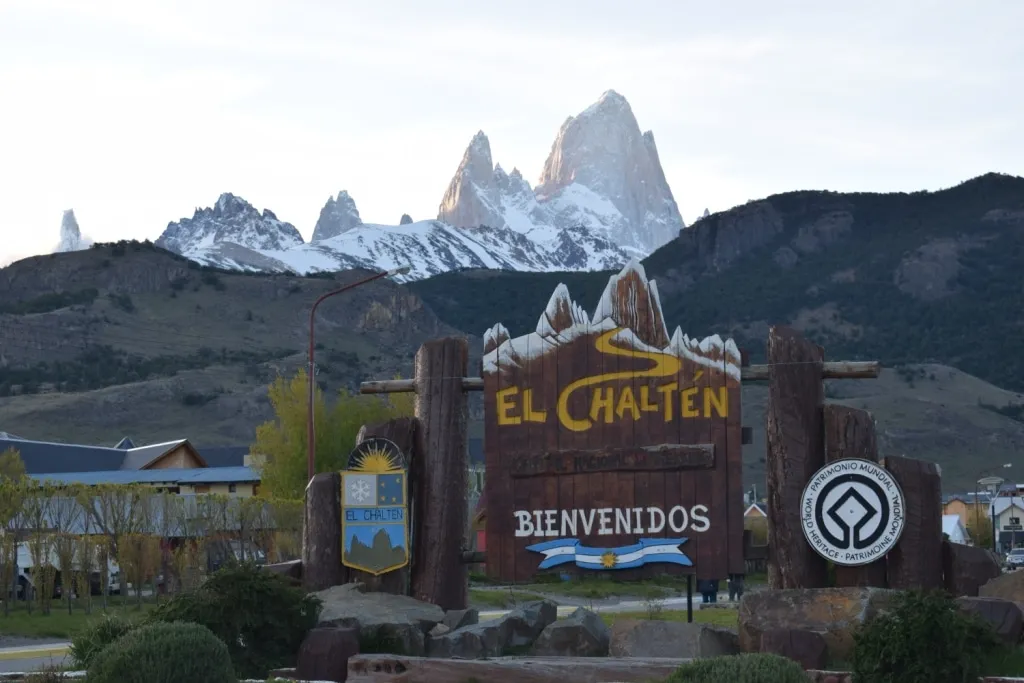 Patagonia Trekking Tour: El Calafate & El Chaltén
El Calafate, El Chaltén, Fitz Roy, Cerro Torre, Laguna de los Tres, Laguna Torre, Perito Moreno Glacier, Southern Patagonian Ice Field
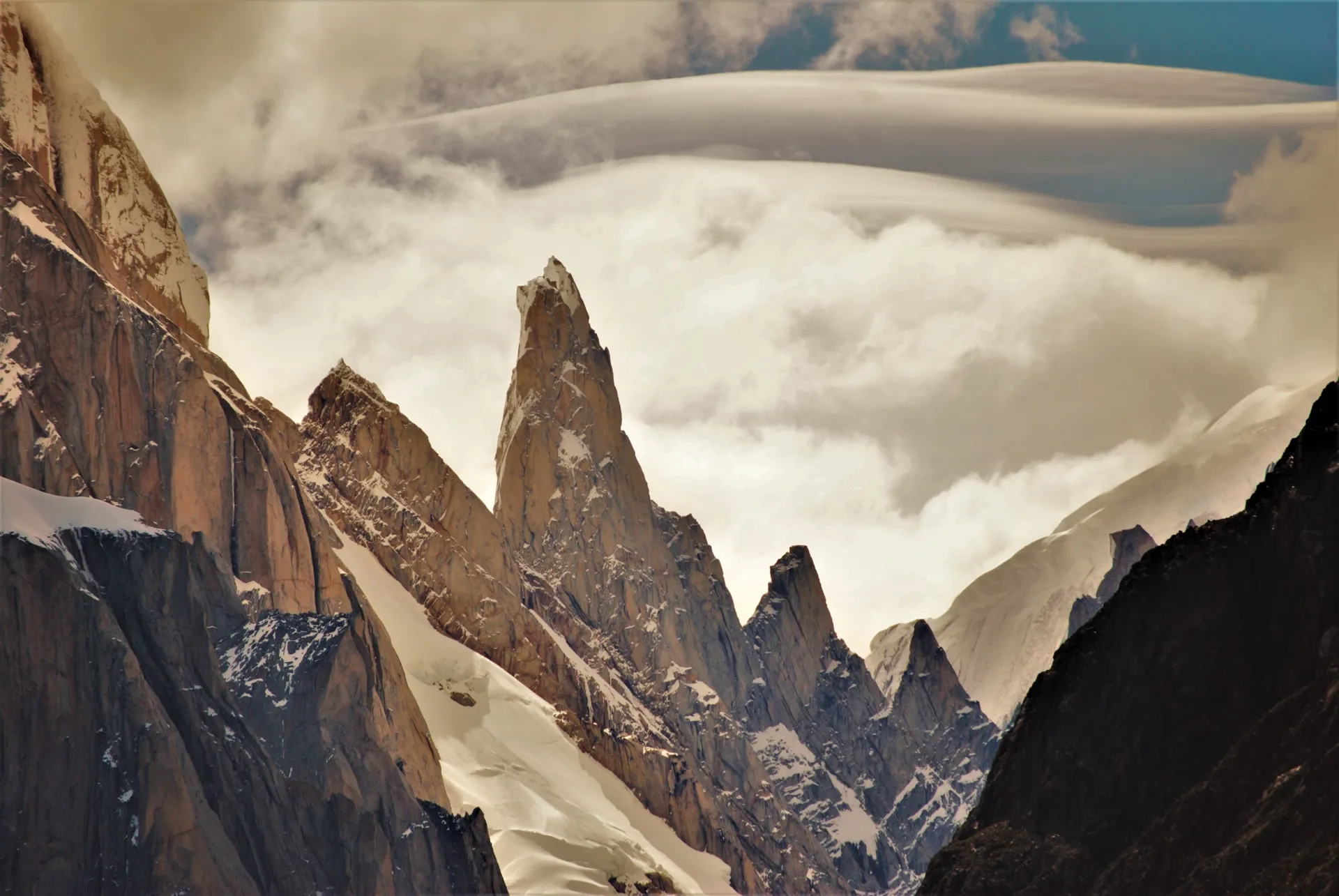 Patagonia Photo Tour
El Chaltén, El Calafate, Fitz Roy, Laguna de los Tres, Laguna Torre, Cerro Torre, Loma del Pliegue del Tumbado, Patagonia
 Argentina Herping Expedition
Buenos Aires, Iguazú Falls, Puerto Iguazú, Misiones, San Sebastián de la Selva, Iberá Wetlands, Posadas
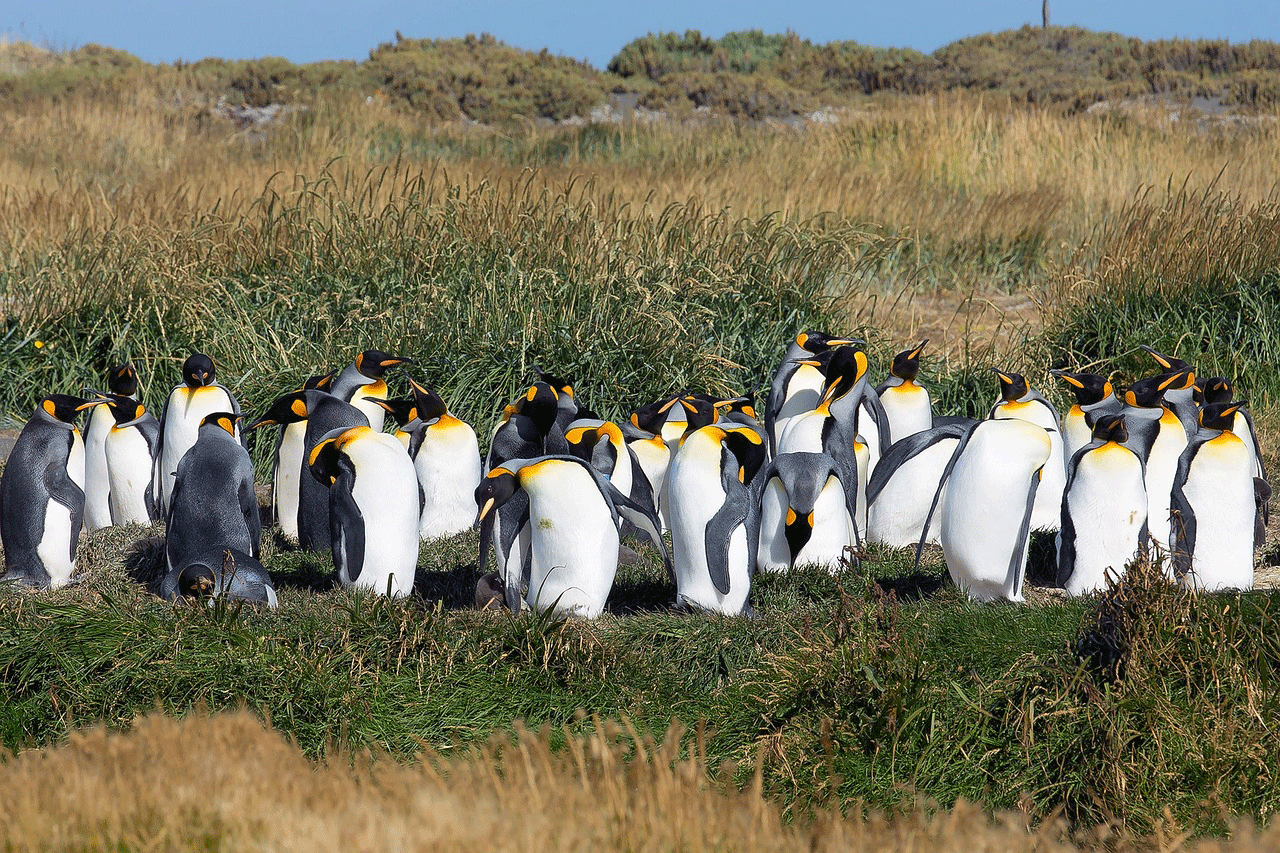 Patagonia Penguins Tour
Puerto Deseado, Peninsula Valdés, Ushuaia, Tierra del Fuego
Trips by Destination
In the following sections, you'll find tours focused on the main region you want to visit. They include traditional & thematic tours, interesting articles, and relevant information.
- Argentina
Custom-Made Experiences by Locals
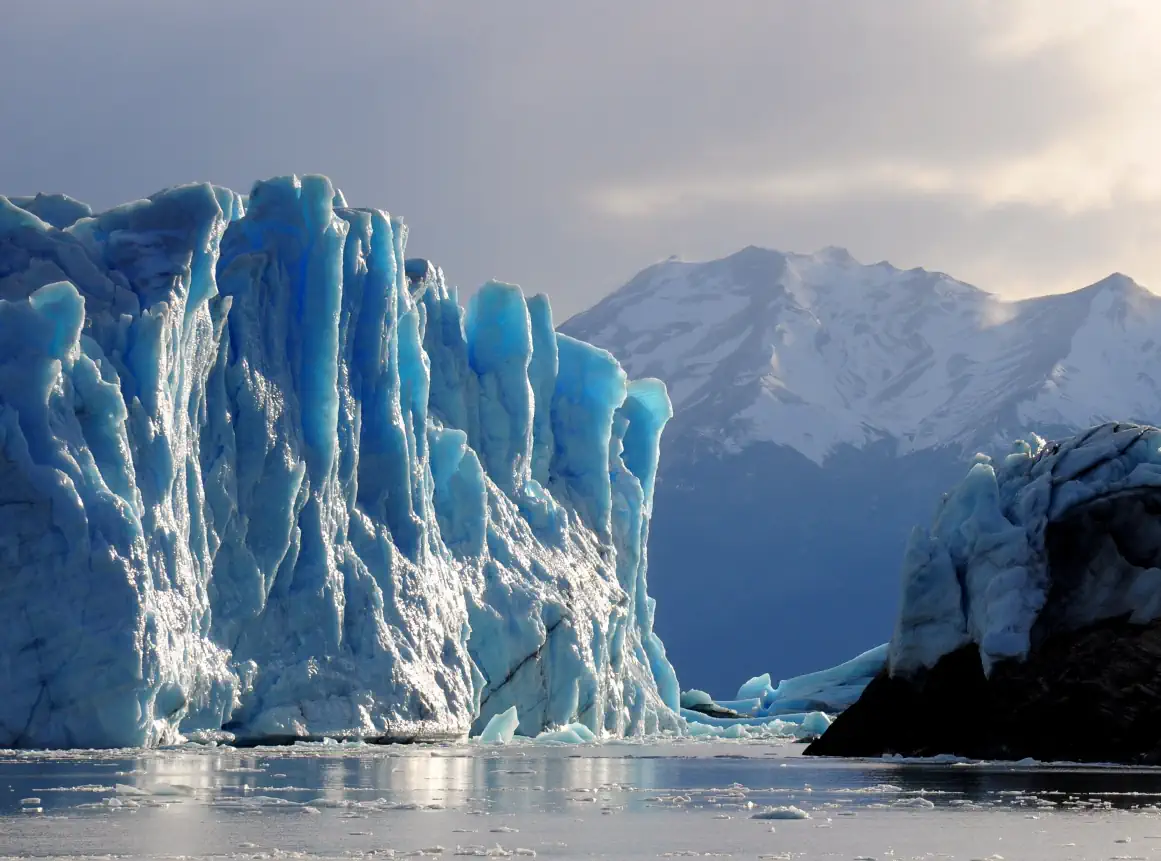 Patagonia
Custom-Made Experiences by Locals
 Chile
Custom-Made Experiences by Locals
 Northwest Argentina Holidays
Custom-Made Experiences by Locals
 Travel to Antarctica
Custom-Made Experiences by Locals
Tours by Travel Style
In the following sections, you'll find tours focused on the main region you want to visit. They include traditional & thematic tours, interesting articles, and relevant information. If your interest is focusing mainly in Chile or Antarctica, please visit our Chile and Antarctica sections.
 Classic Journeys
 Road Trips
 Hiking Adventures
 Wildlife Experiences
 Luxury Escapes
 Foodies
 Honeymoon
 Family Travel
 Cruises