Cultural Sites in Argentina: Amazing Places to Visit & Discover
From historic landmarks and archaeological sites to remarkable architecture and places connected to Argentina’s traditions, cultural sites in Argentina reveal the country’s diverse heritage and…

Immersing in Argentina’s Cultural Heritage
From historic landmarks and archaeological sites to remarkable architecture and places connected to Argentina’s traditions, cultural sites in Argentina reveal the country’s diverse heritage and regional identities. Across Buenos Aires, the Northwest, Córdoba, Cuyo, and Patagonia, these places offer insight into Indigenous cultures, colonial history, immigration, art, architecture, and the country’s natural and paleontological heritage. Together, they provide fascinating ways to explore Argentina beyond its best-known destinations.
Teatro Colón — Buenos Aires
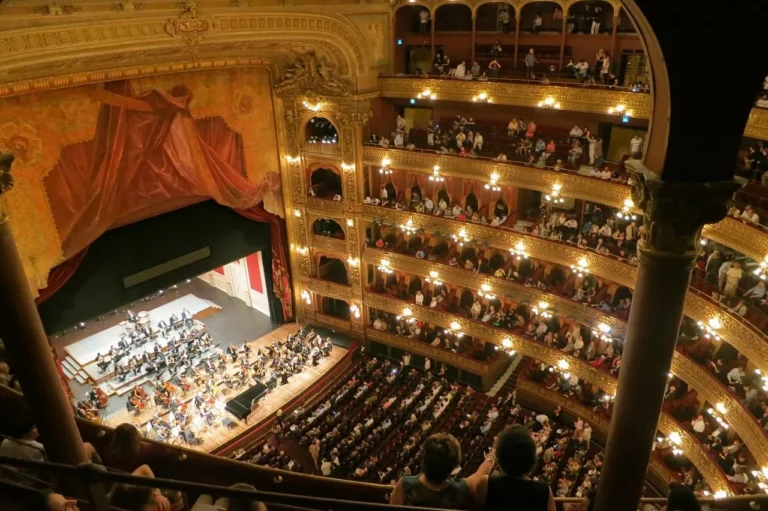
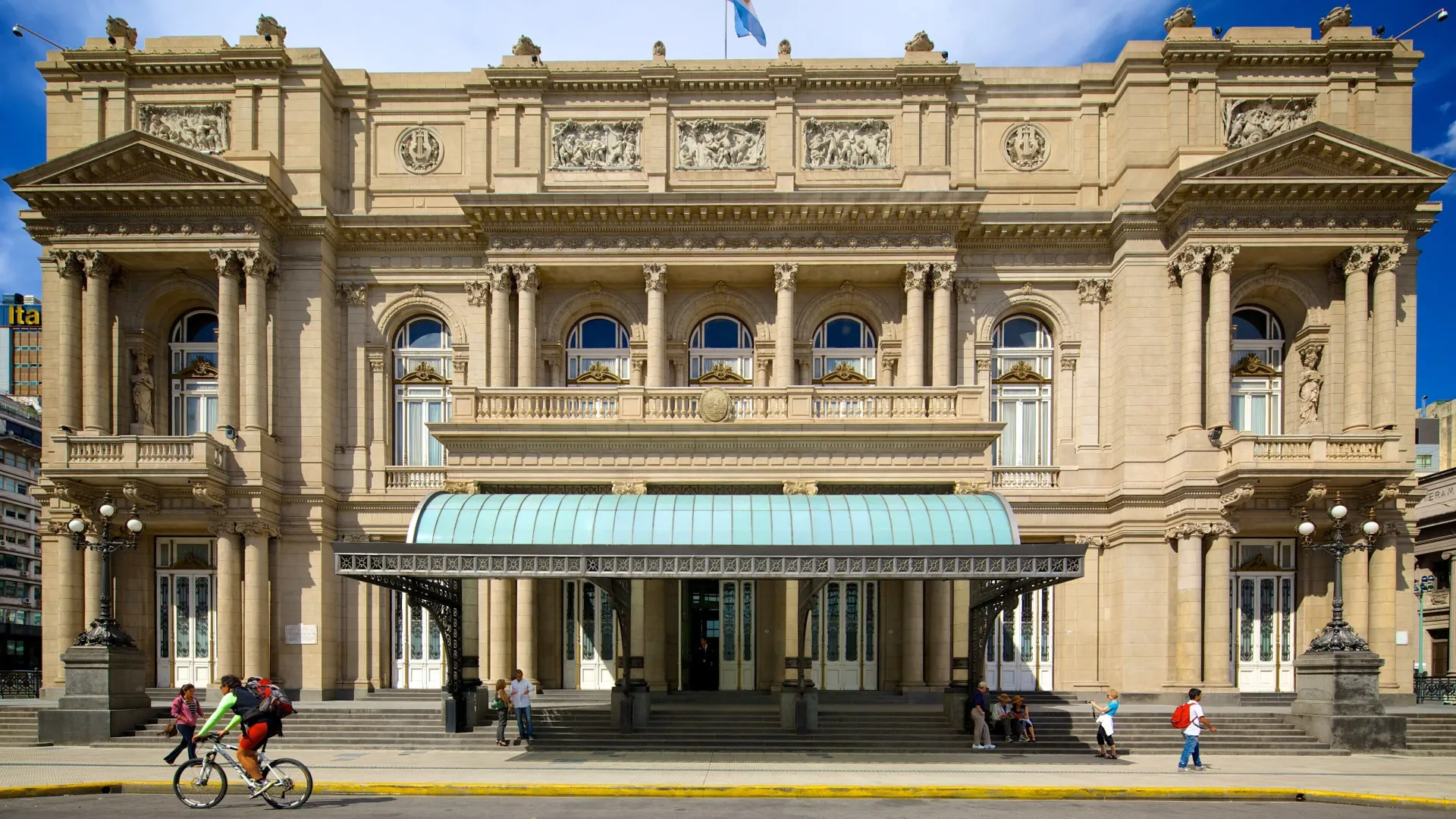
The Teatro Colón in Buenos Aires is one of Argentina’s most important cultural landmarks and one of the world’s renowned opera houses. Its current building opened in 1908 and is celebrated for its grand architecture, horseshoe-shaped auditorium, and exceptional acoustics. Beyond its performances, the theater represents an important part of Argentina’s musical and performing arts heritage, making it a notable addition to the cultural sites in Argentina.
Palacio Barolo — Buenos Aires
The Palacio Barolo is one of Buenos Aires’ most distinctive architectural landmarks and a remarkable example of the cultural sites in Argentina. Designed by Italian architect Mario Palanti and inaugurated in 1923, the building incorporates numerous references to Dante Alighieri’s Divine Comedy, including its symbolic division into Hell, Purgatory, and Heaven. Its eclectic architecture, reinforced-concrete structure, and iconic lighthouse make it a fascinating expression of Buenos Aires’ architectural and cultural heritage.
Manzana de las Luces and Zanjón de Granados — Buenos Aires
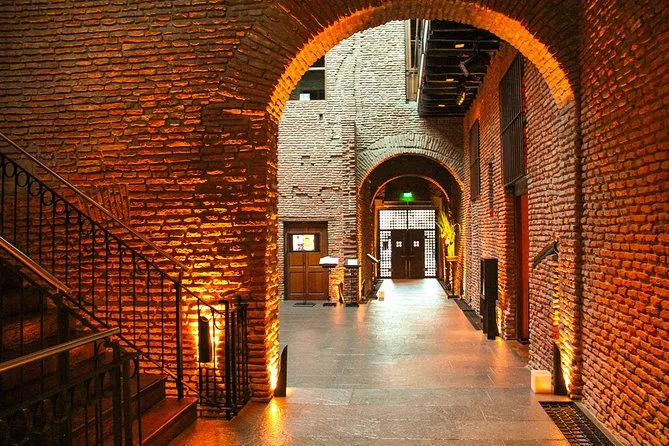
The Manzana de las Luces and Zanjón de Granados in Buenos Aires offer two different perspectives on the city’s colonial and urban history. The Manzana de las Luces is associated with some of Buenos Aires’ oldest institutions and historic buildings, while archaeological excavations at the Zanjón de Granados have uncovered tunnels, cisterns, wells, utensils, and construction remains dating from the 18th and 19th centuries. Together, they reveal layers of Buenos Aires’ past hidden beneath the modern city and form an important part of the cultural sites in Argentina.
Planetario Galileo Galilei and Floralis Genérica — Buenos Aires
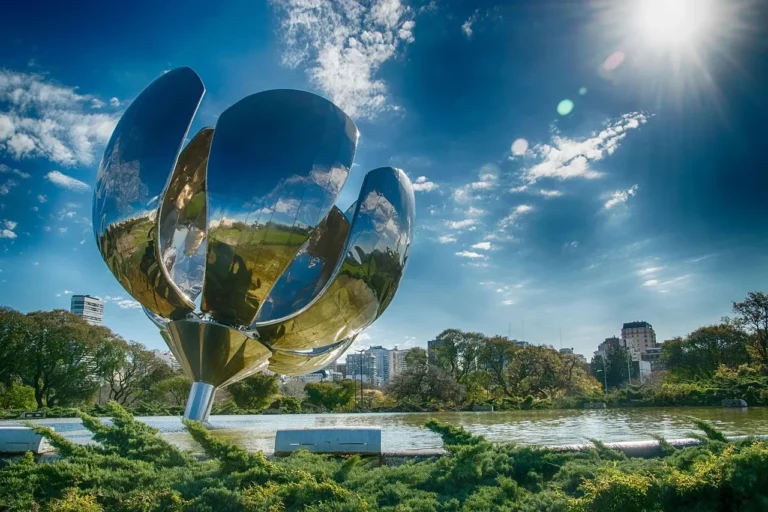
The Planetario Galileo Galilei and Floralis Genérica are two iconic landmarks in Buenos Aires’ modern cultural landscape and notable examples of the cultural sites in Argentina. The Planetario combines astronomy exhibitions and educational experiences within one of the city’s most recognizable buildings. Nearby, Floralis Genérica is a 20-meter stainless-steel and aluminum sculpture created by Argentine architect Eduardo Catalano and inaugurated in 2002. Together, they highlight Buenos Aires’ architectural, scientific, and artistic heritage.
Cementerio de Recoleta — Buenos Aires
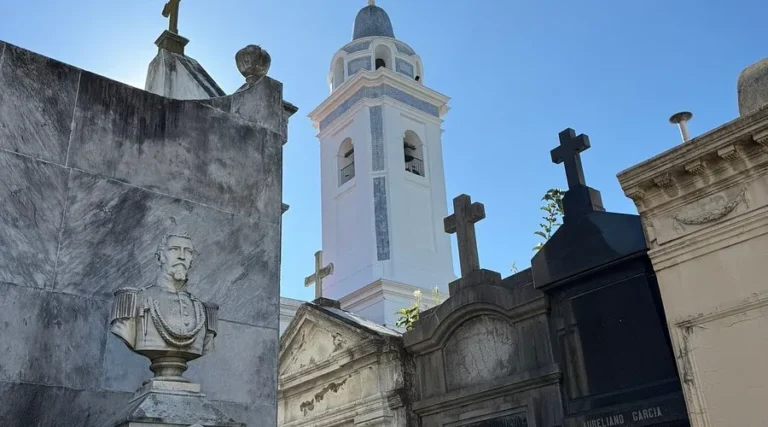
The Recoleta Cemetery is one of Buenos Aires’ most remarkable historic and architectural sites and an important part of the cultural sites in Argentina. Established in 1822 as the city’s first public cemetery, it is known for its elaborate mausoleums, sculptures, and diverse architectural styles, as well as the graves of prominent figures from Argentine history. More than 90 of its vaults have been declared National Historic Monuments, making the cemetery an important part of Buenos Aires’ cultural heritage.
Bar El Cairo — Rosario
Bar El Cairo is one of Rosario’s best-known historic cafés and an important part of the city’s cultural identity. Located on Santa Fe Street, the bar became closely associated with writer and cartoonist Roberto Fontanarrosa, who immortalized it in La mesa de los galanes. Its connection to Rosario’s literary and artistic life makes it a memorable cultural landmark and one of the more fascinating cultural sites in Argentina.
Manzana Jesuítica — Córdoba
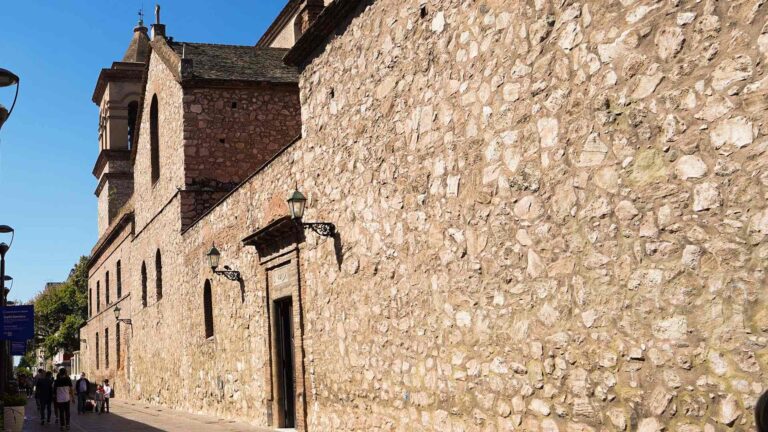
At the heart of Córdoba, the Manzana Jesuítica comprises the former Jesuit university, church, residence, and Colegio Montserrat. Together with the five Jesuit estancias in the province, it forms the UNESCO-listed Jesuit Block and Estancias of Córdoba. The complex illustrates the educational, religious, social, and economic activities developed by the Society of Jesus in the region during the 17th and 18th centuries, making it an important landmark among the cultural sites in Argentina and a key example of the country’s colonial heritage.
San Ignacio Miní — Misiones
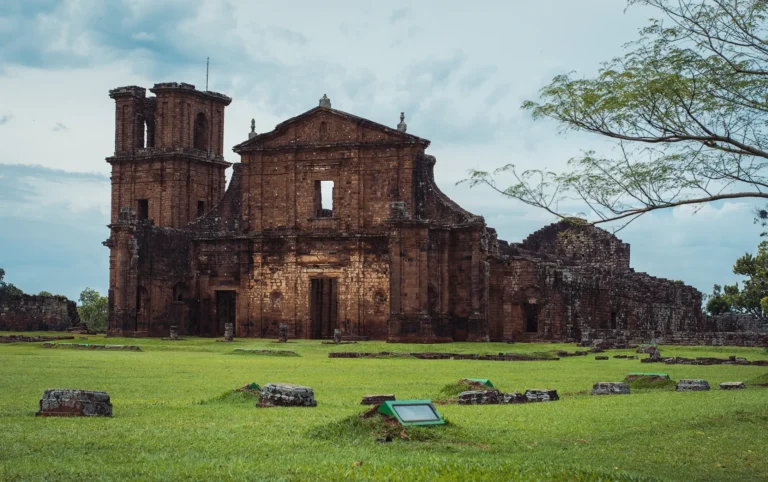
San Ignacio Miní, in Misiones, preserves the impressive remains of a 17th-century Jesuit mission and offers an important insight into the history of Jesuit and Guaraní communities in northeastern Argentina. Built using local red sandstone, the ruins include the church, residential quarters, workshops, and other structures that reveal the scale and organization of the former settlement. Recognized as a UNESCO World Heritage Site, San Ignacio Miní is one of the most significant cultural sites in Argentina, combining colonial history, Jesuit heritage, Indigenous traditions, and remarkable architecture.

La Aripuca — Iguazú
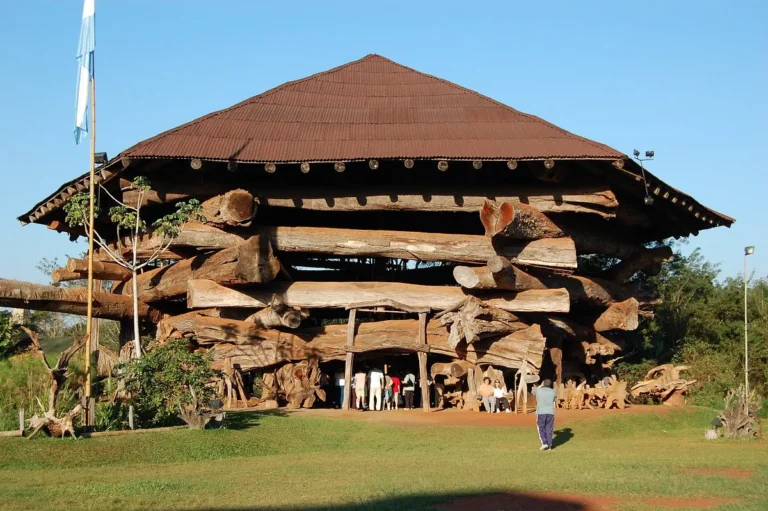
La Aripuca is a cultural attraction in Puerto Iguazú that highlights the rainforest of Misiones and Guaraní heritage. Its imposing central structure is inspired by the traditional aripuca trap and was built using reclaimed wood from native tree species. Along with trails, regional crafts, and local food, the site explores the relationship between Guaraní culture, the Misiones rainforest, and environmental conservation, making it a fascinating addition to the cultural sites in Argentina.
Pucará de Tilcara — Jujuy
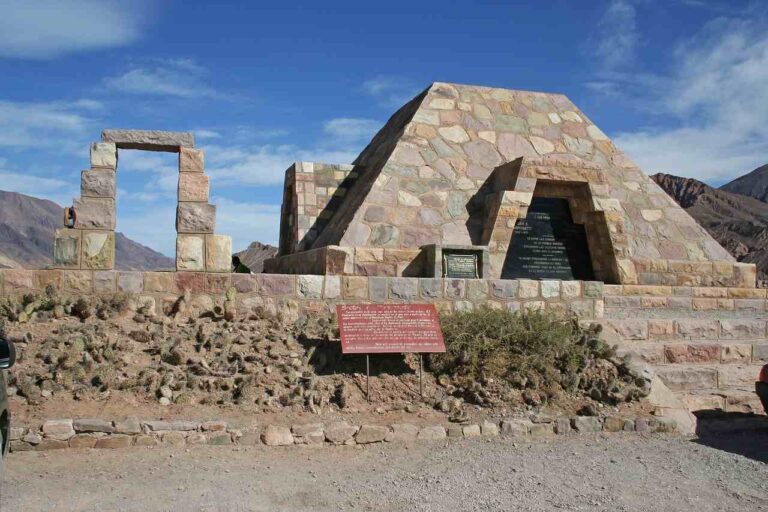
The Pucará de Tilcara is one of the most important pre-Hispanic archaeological sites in the Quebrada de Humahuaca and a significant example of the cultural sites in Argentina. The settlement was occupied from around the 10th century and includes residential, ceremonial, and craft areas, including a stone-working workshop associated with the Inca period. Set above the town of Tilcara, the site offers an important glimpse into the Indigenous history of northwestern Argentina and stands among the country’s most significant archaeological landmarks.
Ruinas de Quilmes — Tucumán
The Ruins of Quilmes preserve the remains of one of the largest pre-Hispanic settlements in northwestern Argentina. Located in the Calchaquí Valleys of Tucumán, this archaeological site features terraces, residential structures, streets, and defensive elements built along the surrounding mountains. The ruins offer important insight into the history of the Quilmes people and the Indigenous cultures that inhabited the region before and during the arrival of the Spanish, making them a significant part of Argentina’s archaeological heritage and cultural sites.
Ruta del Adobe — Catamarca
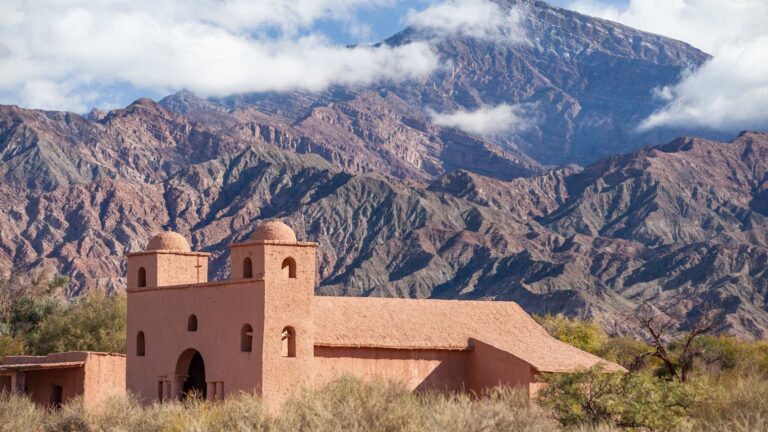
The Ruta del Adobe is a 55-kilometer cultural route between Tinogasta and Fiambalá in Catamarca, featuring historic adobe architecture and heritage sites in northwestern Argentina. The route includes chapels, churches, houses, and former estancias, some more than 300 years old. Built using traditional adobe techniques, these structures reflect the region’s colonial history, local traditions, and Indigenous heritage, making the route a distinctive addition to the cultural sites in Argentina.
El Shincal de Quimivil — Catamarca
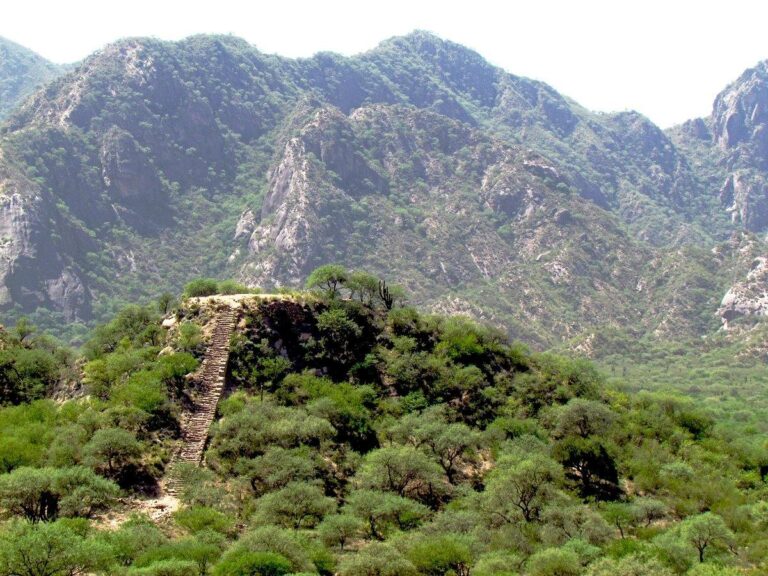
El Shincal de Quimivil, in Catamarca, is one of Argentina’s most important Inca archaeological sites and a fascinating example of the country’s pre-Hispanic heritage. Located near Londres in the Calchaquí Valleys, the ancient settlement features ceremonial spaces, plazas, residences, and other structures that reflect the organization of the Inca Empire in northwestern Argentina. Its archaeological significance and connection to Indigenous history make El Shincal an important part of the cultural sites in Argentina.
Ischigualasto Provincial Park (Valley of the Moon) — San Juan
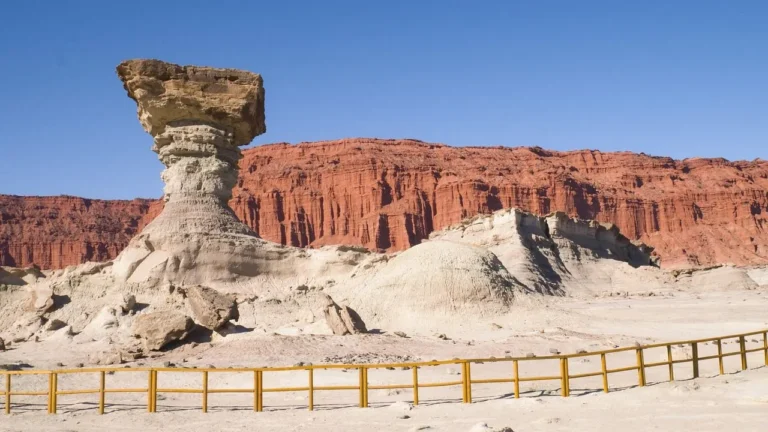
Known as the Valley of the Moon, Ischigualasto Provincial Park in San Juan is one of Argentina’s most important paleontological landscapes. Its exceptionally complete Triassic geological record preserves fossils of plants and animals dating from roughly 250 to 200 million years ago, offering valuable evidence of the evolutionary history surrounding the emergence of dinosaurs and early mammals. Together with neighboring Talampaya National Park, Ischigualasto forms a UNESCO World Heritage property, adding an important natural and paleontological dimension to the cultural sites in Argentina.
Parque Paleontológico Bryn Gwyn — Trelew
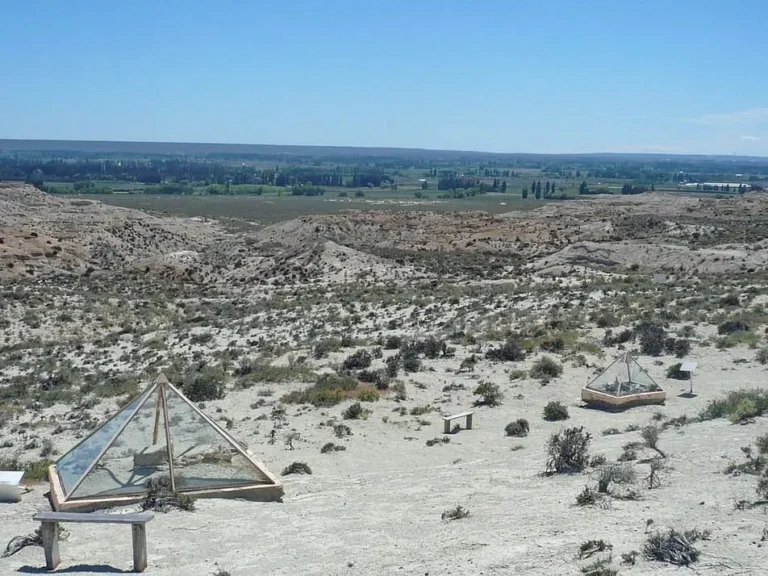
The Parque Paleontológico Bryn Gwyn, near Gaiman in Chubut, offers a glimpse into Patagonia’s prehistoric past through an open-air paleontological setting. Located within the Welsh-influenced landscape of the lower Chubut Valley, the park forms part of a broader heritage experience that combines geological history with the region’s Welsh settlements and cultural traditions. Its connection to this diverse heritage adds a fascinating prehistoric dimension to the cultural sites in Argentina, linking Patagonia’s ancient past with its distinctive regional identity.
Bosque Petrificado — Sarmiento
The Bosque Petrificado de Sarmiento in Chubut offers a remarkable glimpse into Patagonia’s ancient geological past. Located near the town of Sarmiento, the protected area preserves fossilized tree trunks and other remnants of prehistoric forests, revealing how the region’s landscape has changed over millions of years. Its striking geological formations and paleontological significance add a fascinating natural dimension to the diverse cultural and heritage sites in Argentina.
Cueva de Las Manos — Los Antiguos
The Cueva de las Manos is one of Argentina’s most extraordinary archaeological sites, preserving prehistoric rock art in the Río Pinturas canyon of Santa Cruz. The paintings include stenciled human hands, hunting scenes, and animals such as guanacos, with the earliest works dating back thousands of years. Recognized as a UNESCO World Heritage Site in 1999, the site provides remarkable evidence of the cultures and artistic traditions of some of Patagonia’s earliest hunter-gatherer societies and represents an important part of Argentina’s cultural heritage.

Ready to discover Argentina’s art, history and heritage?
Contact us and let our local team help you plan a memorable cultural journey tailored to your interests!
Let's plan your personalized experience
Beyond BA Latam is a local travel agency based in Argentina that designs personalized tours in Argentina, Chile and Antarctica. We are very proud to work with a knowledgeable team capable to design trips based on your interests and traveling style. We are able to bring you a different and more enjoyable experience.
Related Articles
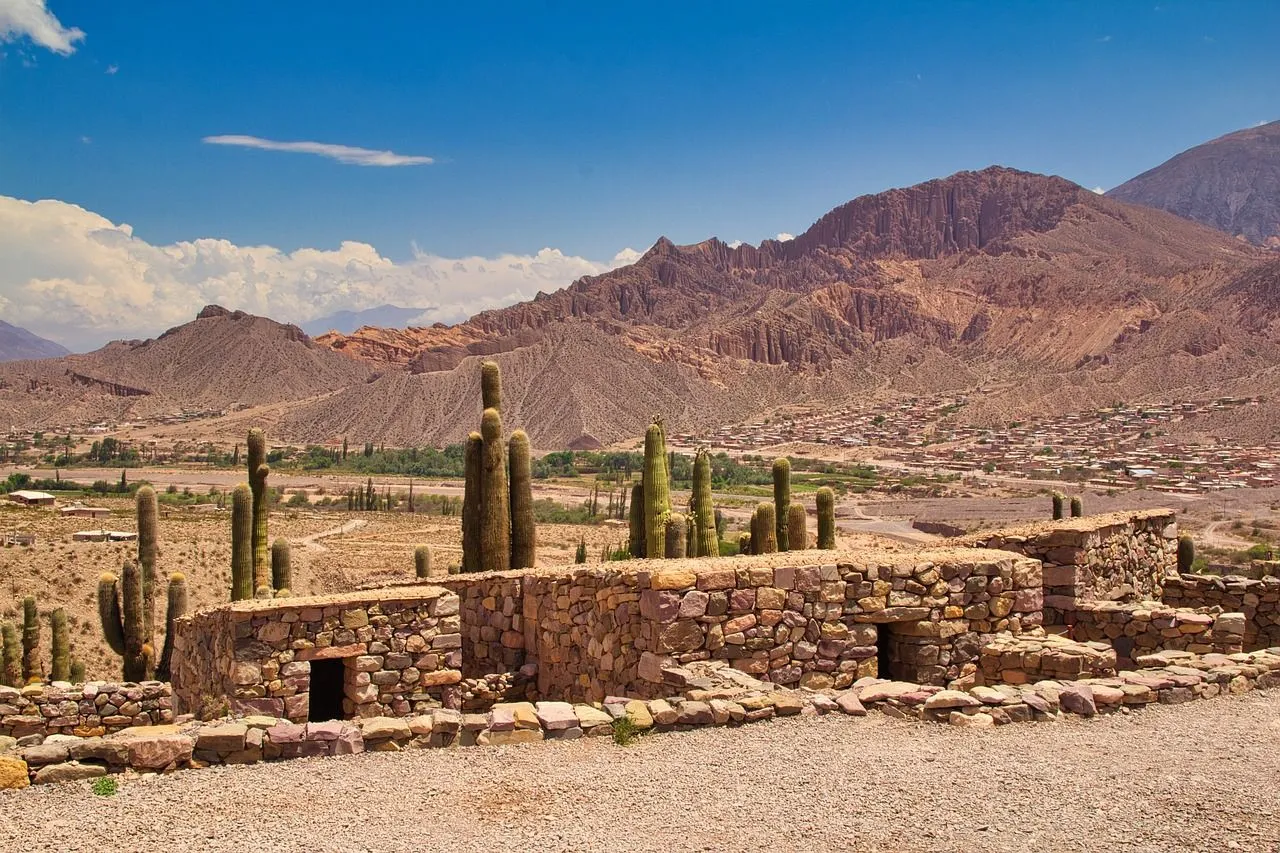 12 Incredible UNESCO Sites in Argentina You Should Visit
From spectacular glaciers and dense rainforests to ancient rock art, historic Jesuit missions, and remarkable examples of modern architecture, Argentina is home to 12 UNESCO World Heritage Sites.…
 Museums in Argentina: Prehistoric Fossils, Iconic Art & Historic Treasures
Step inside a museum in Argentina and you’ll discover far more than paintings, artifacts, and historic objects. These cultural spaces bring the country’s history, art, traditions, and identity to…
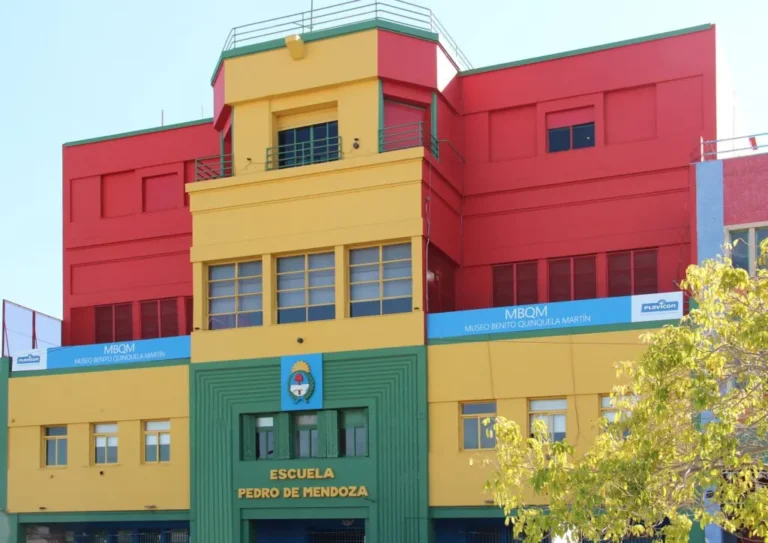 Best Museums in Buenos Aires: A Visitor’s Guide
Buenos Aires, the dynamic capital of Argentina, is known for its tango, architecture, gastronomy, and rich cultural scene. It is also home to an impressive variety of museums, offering everything from…
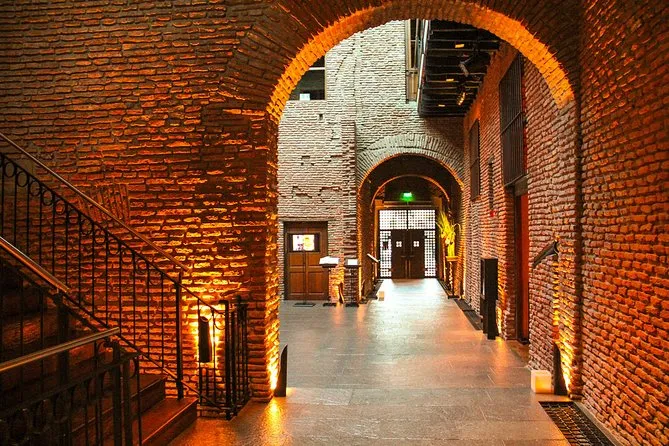 Underground Buenos Aires: Discover Fascinating Tunnels & Colonial History
Discover underground Buenos Aires, a hidden side of the city beneath its streets, where secret tunnels, archaeological sites, and colonial history reveal stories from the city’s past. From historic…
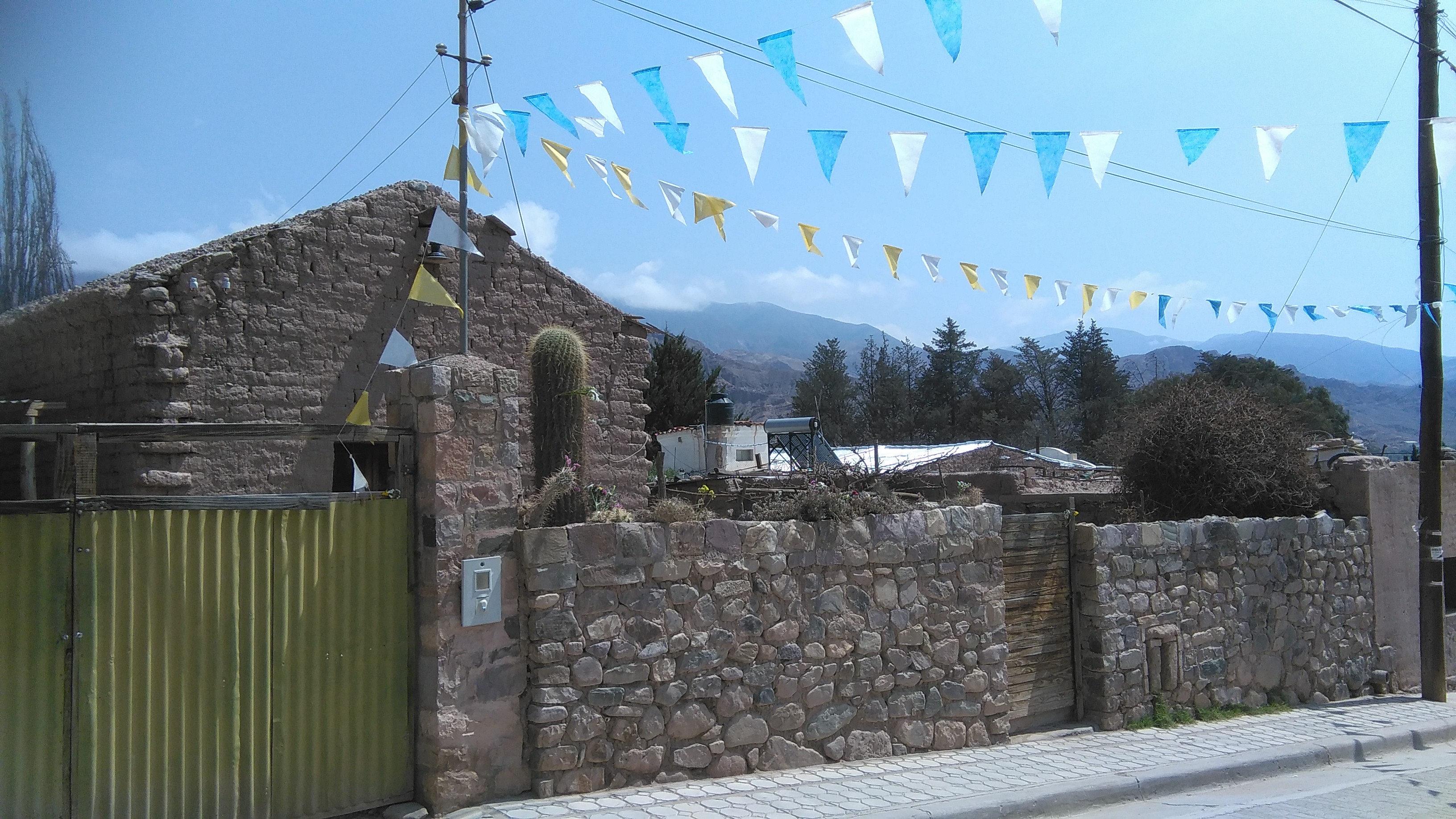 Quebrada de Humahuaca
In northwestern Argentina, the magnificent Quebrada de Humahuaca is known for its breathtaking beauty and extensive cultural history. About 150 kilometers of this canyon are enclosed by soaring…
 Welsh Patagonia: The Extraordinary Legacy of Wales in Argentina
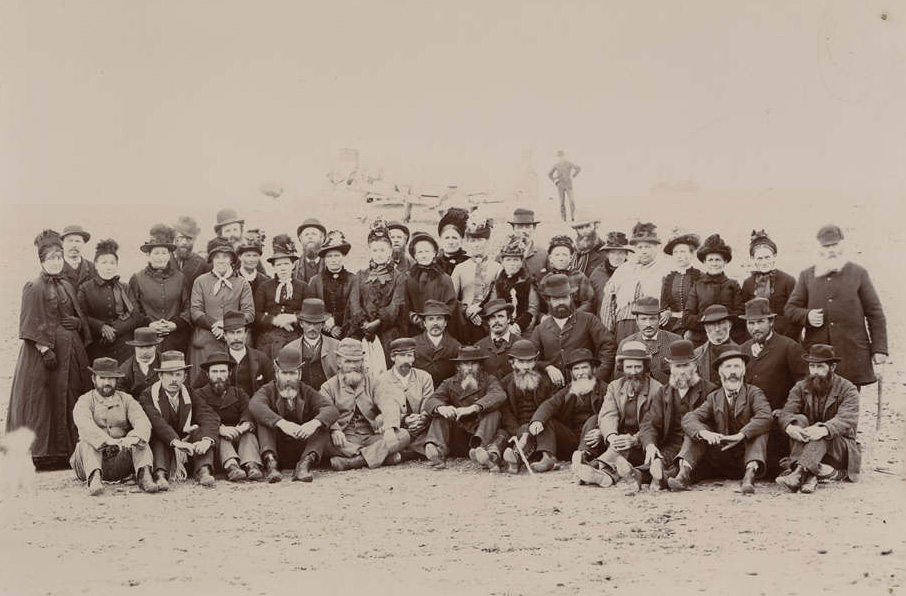
Welsh Patagonia is one of the most fascinating chapters in Argentina’s history. In 1865, a group of Welsh settlers arrived in Patagonia aboard the Mimosa, seeking a place where their language…
- Gauchos of Argentina
The Gauchos of Argentina are among the country’s most iconic cultural symbols. Deeply connected to the vast pampas, these legendary horsemen embody freedom, resilience, and tradition. With their…
Inspiring Tours
 Argentina Highlights Tour
Buenos Aires - Iguazu Falls - the Northwest - El Calafate - El Chaltén - Ushuaia
 Patagonia Highlights Tour Itinerary
Buenos Aires - Ushuaia - El Calafate - El Chaltén - Torres del Paine - Bariloche
 Salta and Jujuy, combined with Iguazu Falls
Buenos Aires - Salta - Jujuy - Iguazú Falls
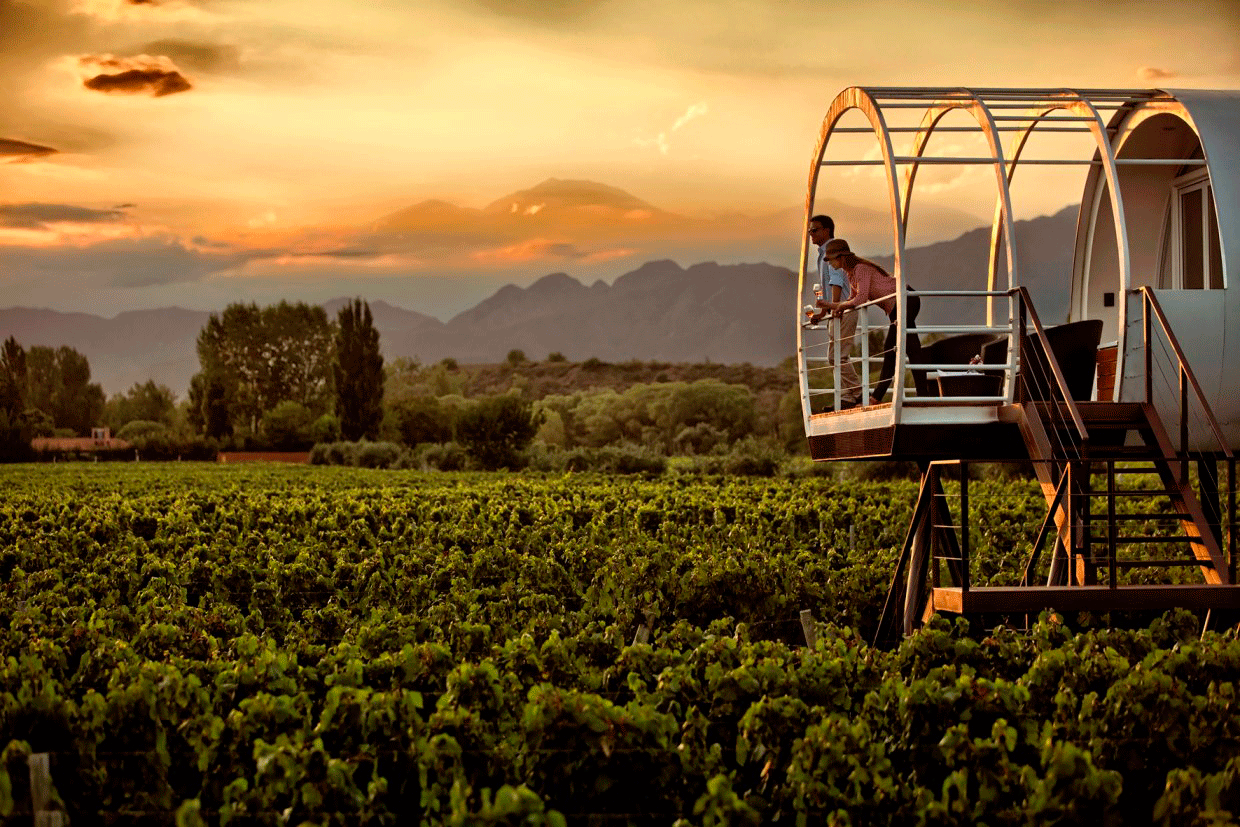 Tailor Made Holidays in Mendoza & Buenos Aires
Buenos Aires - Mendoza
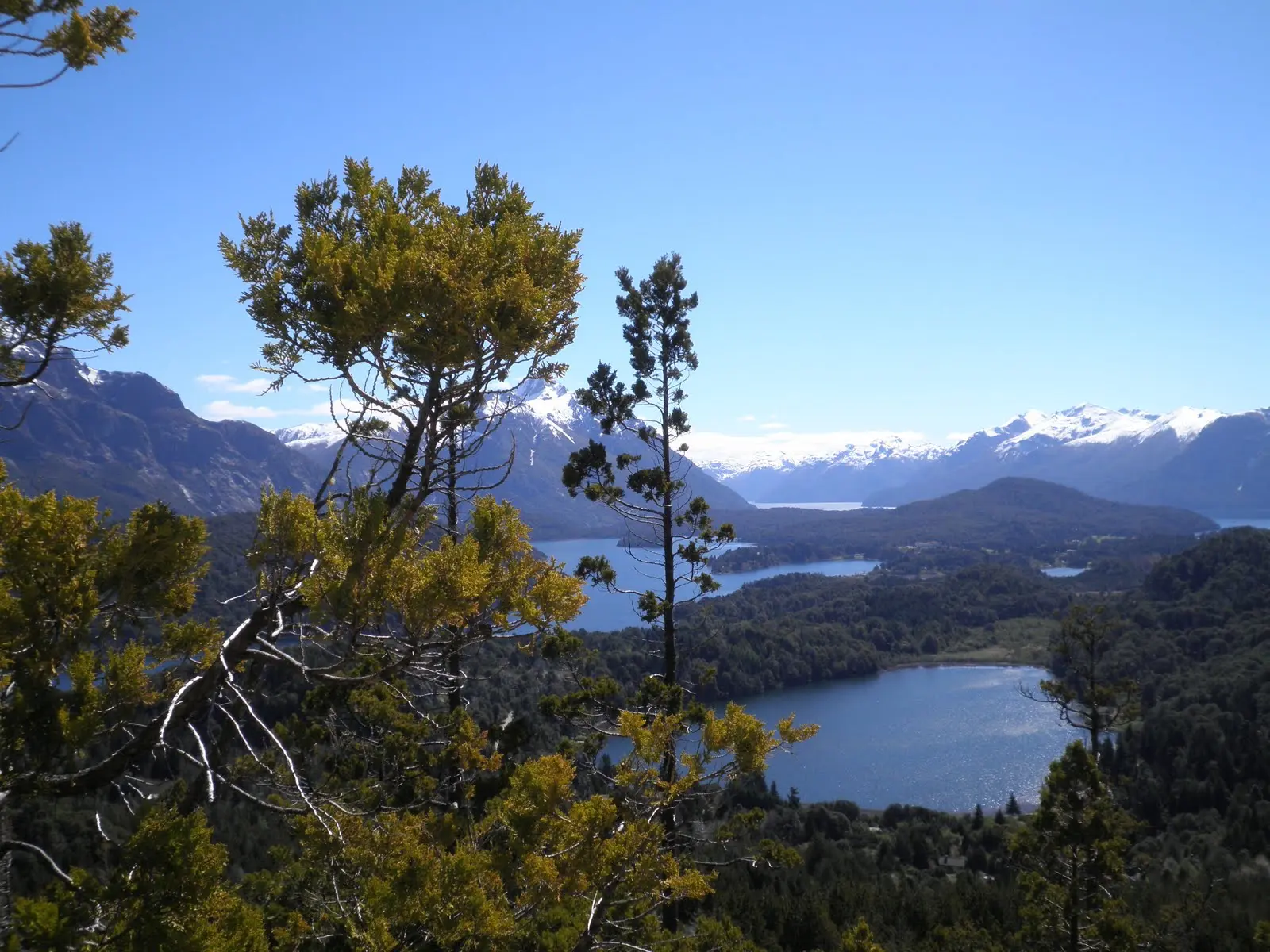 Holidays in Mendoza & Bariloche
Buenos Aires - Mendoza - Bariloche
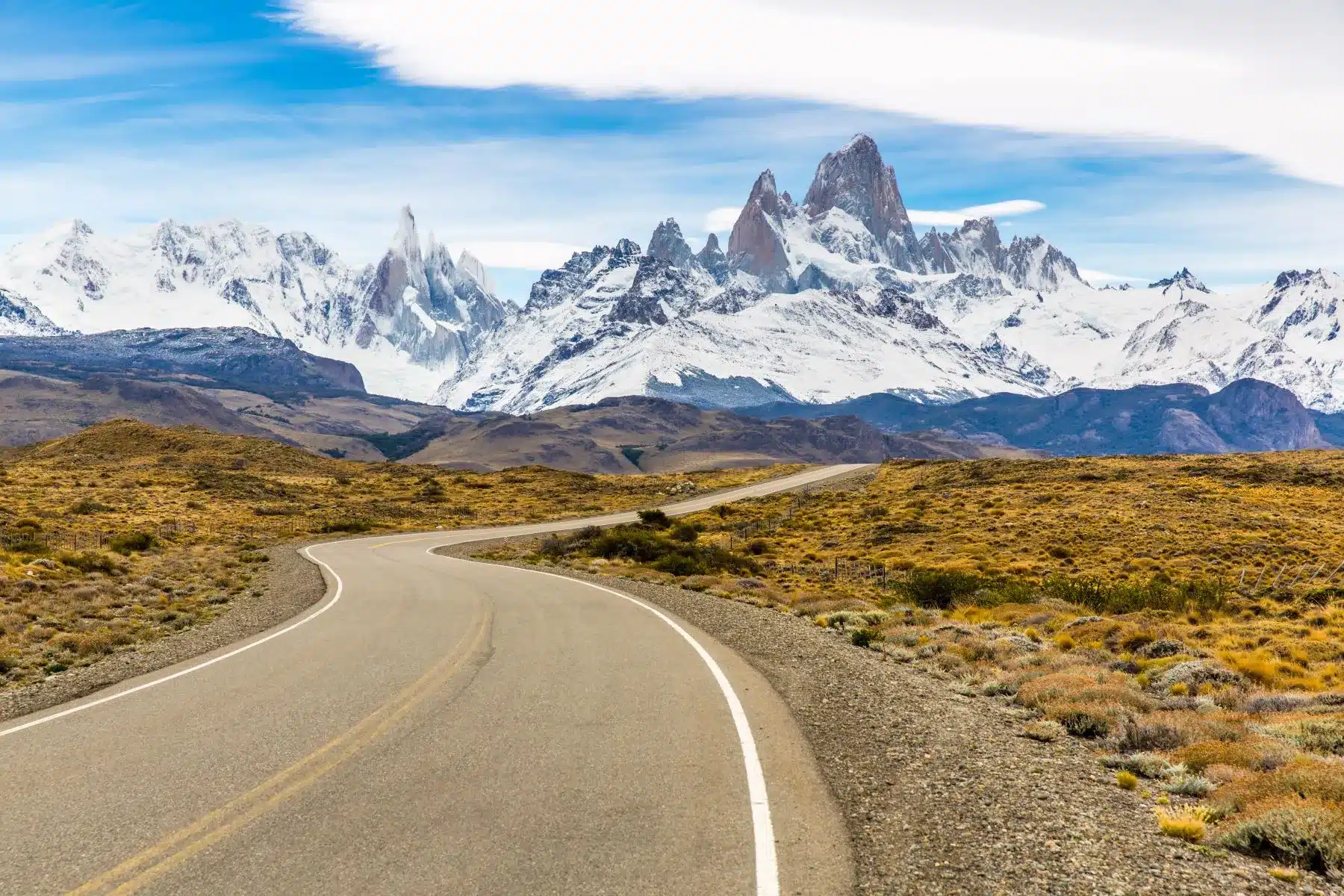 El Calafate to Ushuaia Road Trip Itinerary (15 Days Self-Drive)
El Calafate - El Chaltén - Puerto Natales - Punta Arenas - Ushuaia
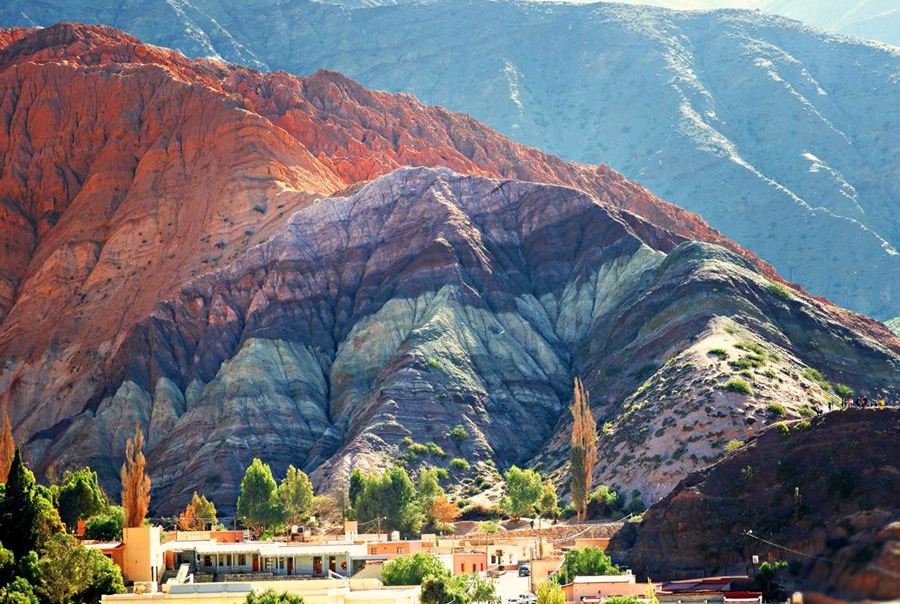 Northwest Argentina Tour: Salta & Jujuy Itinerary
Salta - Jujuy
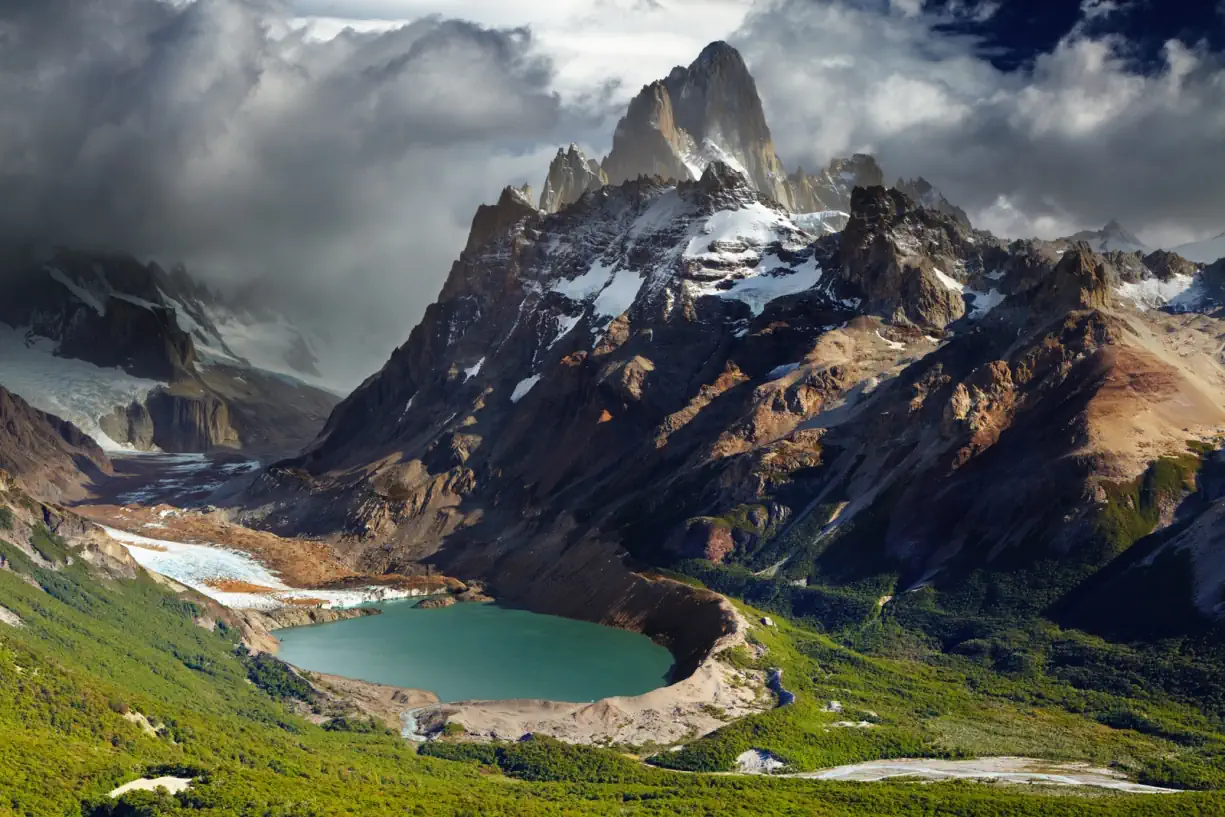 Fitz Roy Trek & W Trek - Patagonia tour
Buenos Aires, El Chaltén, El Calafate, Puerto Natales, Torres del Paine & Santiago de Chile
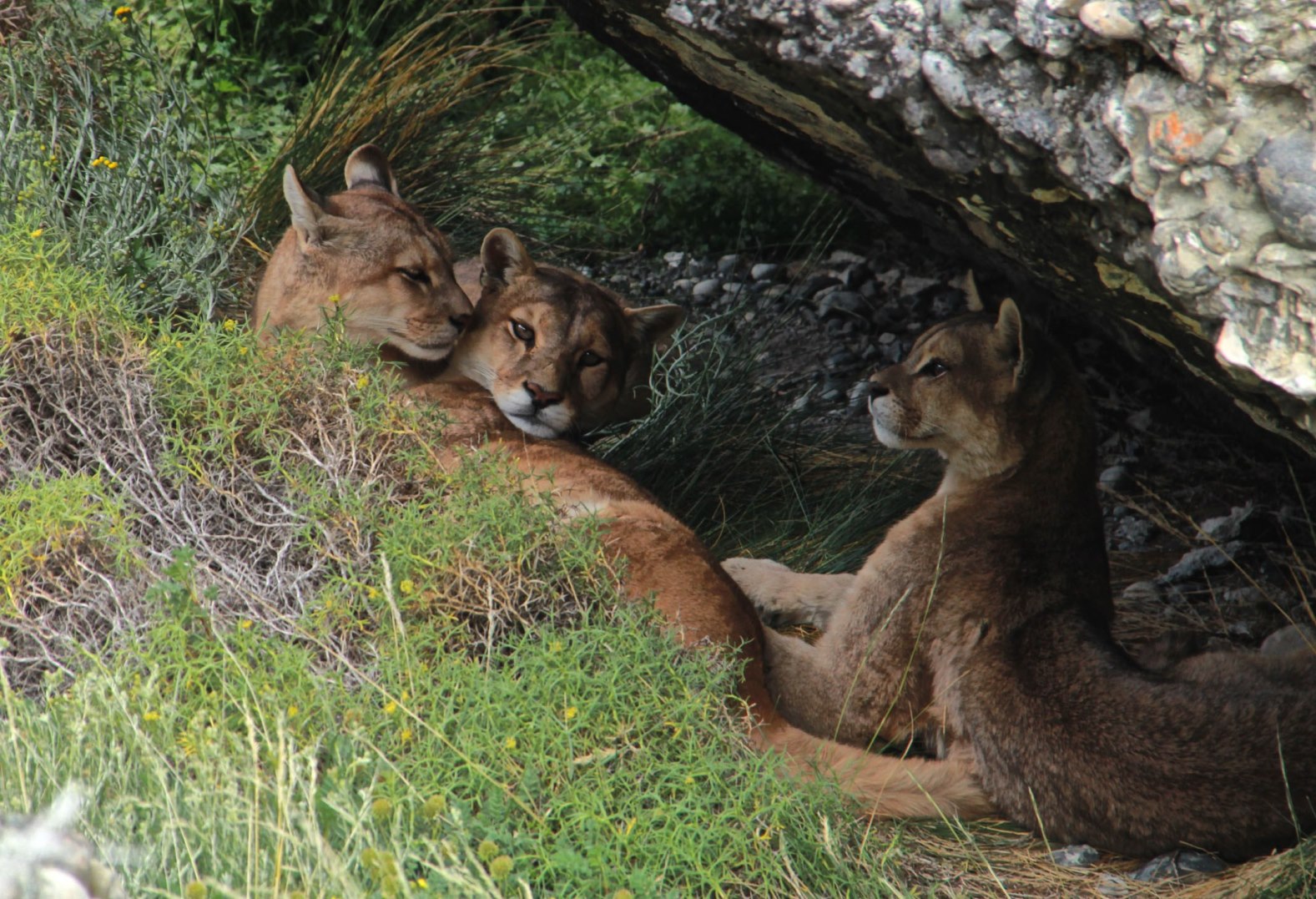 Patagonia Wildlife Safari
Peninsula Valdés, Puerto Madryn, El Calafate, Torres del Paine National Park & Puerto Natales
 Argentina and Chile Culture: Discover Art, Architecture & Heritage
Buenos Aires, Purmamarca, Salta, Mendoza and Santiago de Chile
Trips by Destination
In the following sections, you'll find tours focused on the main region you want to visit. They include traditional & thematic tours, interesting articles, and relevant information.
 Argentina
Custom-Made Experiences by Locals
 Patagonia
Custom-Made Experiences by Locals
 Chile
Custom-Made Experiences by Locals
 Northwest Argentina Holidays
Custom-Made Experiences by Locals
 Travel to Antarctica
Custom-Made Experiences by Locals
Tours by Travel Style
In the following sections, you'll find tours focused on the main region you want to visit. They include traditional & thematic tours, interesting articles, and relevant information. If your interest is focusing mainly in Chile or Antarctica, please visit our Chile and Antarctica sections.
 Classic Journeys
 Road Trips
 Hiking Adventures
 Wildlife Experiences
 Luxury Escapes
 Foodies
 Honeymoon
 Family Travel
 Cruises