Museums in Argentina: Prehistoric Fossils, Iconic Art & Historic Treasures
Step inside a museum in Argentina and you’ll discover far more than paintings, artifacts, and historic objects. These cultural spaces bring the country’s history, art, traditions, and identity to…
Immerse Yourself in the Rich Heritage and Culture of Argentina
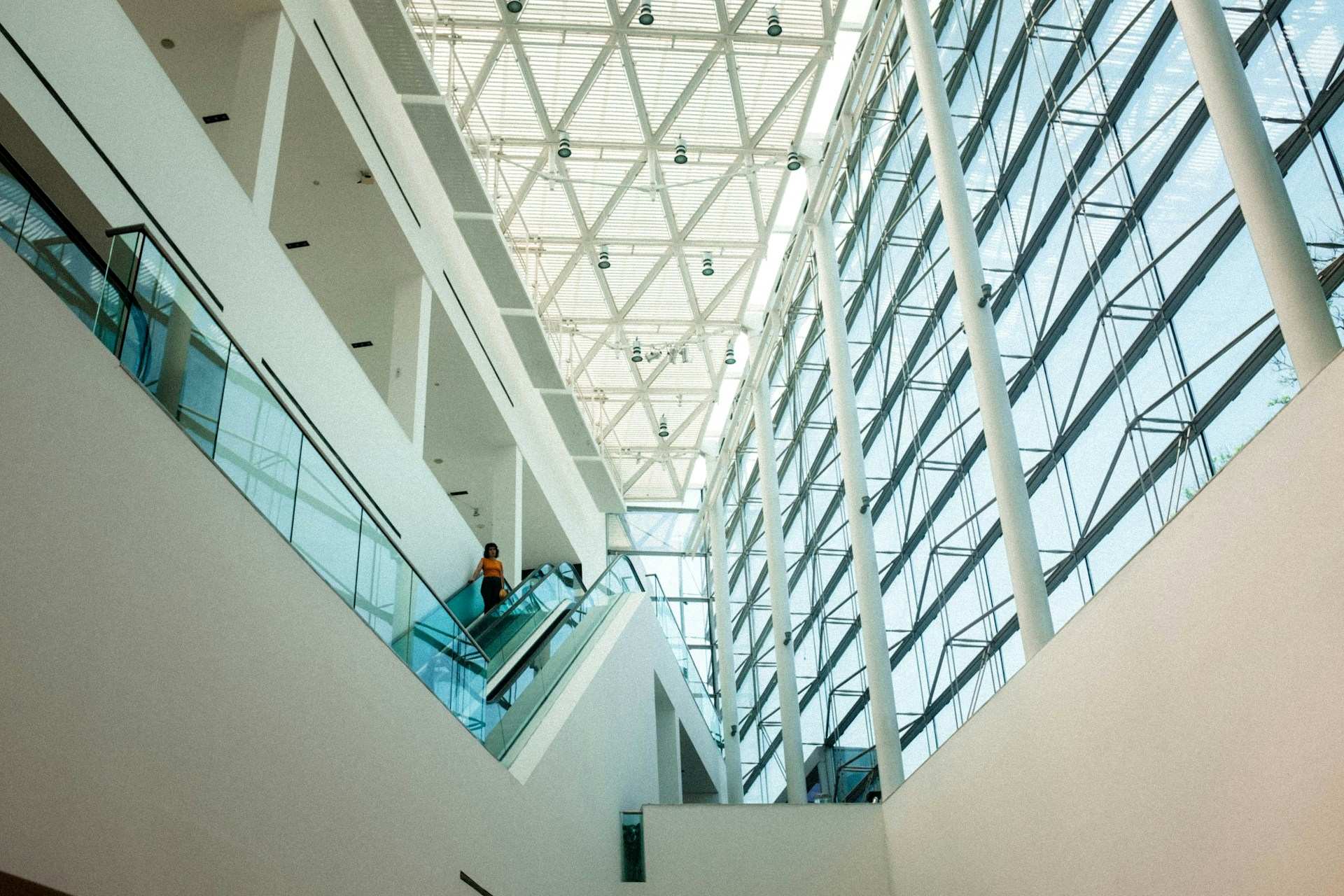
Step inside a museum in Argentina and you’ll discover far more than paintings, artifacts, and historic objects. These cultural spaces bring the country’s history, art, traditions, and identity to life, revealing the stories and people that have shaped Argentina over the centuries. From grand museums and historic collections in Buenos Aires to regional institutions dedicated to archaeology, indigenous cultures, natural history, and local heritage, museums in Argentina offer a fascinating introduction to the country’s remarkable diversity. Whether you’re passionate about art, curious about Argentina’s past, or simply looking to experience a different side of the country, exploring its museums is a rewarding way to go beyond the famous landmarks and landscapes and connect with the culture behind them.
Museo Nacional de Bellas Artes — Buenos Aires
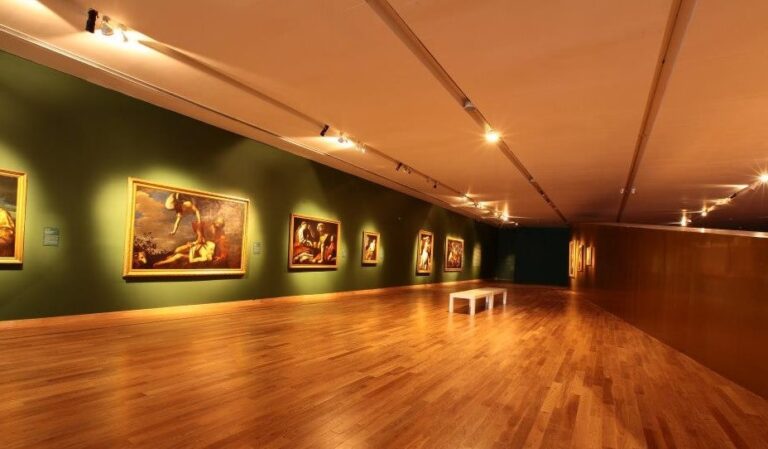
The Museo Nacional de Bellas Artes is one of the most important art museums in Argentina and a must for anyone interested in the country’s artistic heritage. Its extensive collection features works by renowned European masters such as Francisco de Goya, Édouard Manet, Claude Monet, Vincent van Gogh, and Pablo Picasso, alongside major Argentine artists including Cándido López, Emilio Pettoruti, Xul Solar, Raquel Forner, Antonio Berni, and Benito Quinquela Martín. Located in Recoleta, the museum offers a fascinating journey through different periods and artistic movements, from European art to the rich tradition of Argentine art.
Museo de Arte Latinoamericano de Buenos Aires (MALBA) — Buenos Aires
The MALBA is one of Buenos Aires’ leading cultural institutions, dedicated to modern and contemporary Latin American art. Its collection features works by some of the region’s most influential artists, including Frida Kahlo, Diego Rivera, Tarsila do Amaral, Antonio Berni, Xul Solar, Wifredo Lam, and Emilio Pettoruti, among many others. With works spanning different movements and countries across Latin America, together with a dynamic program of temporary exhibitions, MALBA offers a fascinating perspective on the region’s artistic diversity. For those exploring museums in Argentina, it is an essential stop for discovering Latin American art and creativity.
Museo Argentino de Ciencias Naturales Bernardino Rivadavia — Buenos Aires
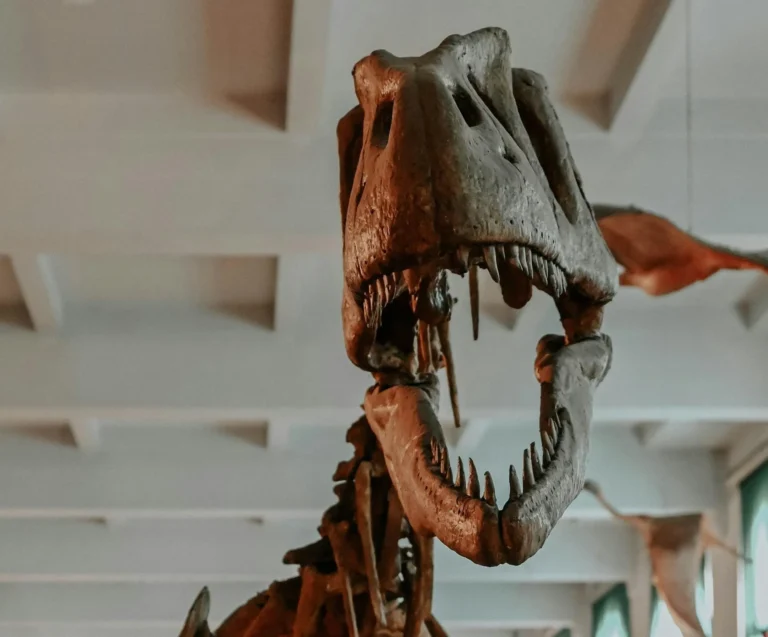
The Museo Argentino de Ciencias Naturales Bernardino Rivadavia in Buenos Aires is one of the most important Museums in Argentina for exploring the country’s natural history. Located in Parque Centenario, the museum traces its origins to 1812 and houses extensive collections dedicated to paleontology, zoology, geology, botany, and biodiversity. Highlights include dinosaur fossils and other specimens from Argentina and around the world, while its collections also support scientific research and education.
Museo Malvinas e Islas del Atlántico Sur — Buenos Aires
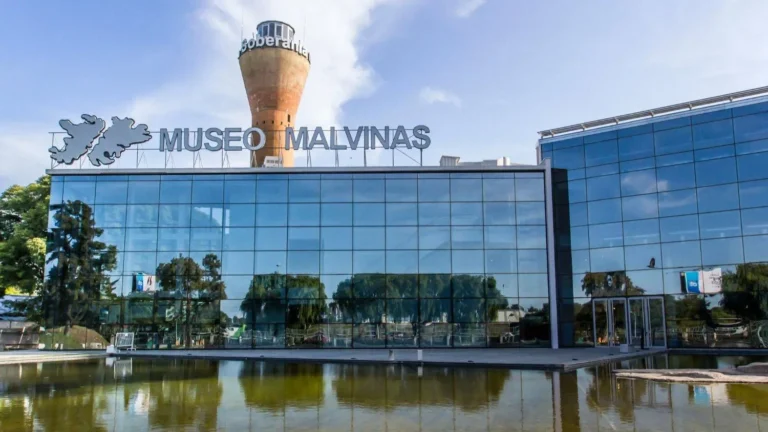
Located within the former ESMA complex in Buenos Aires, the Museo Malvinas e Islas del Atlántico Sur explores the geography, history, natural environment, and cultural significance of the Malvinas and other South Atlantic islands. Through historical documents, photographs, audiovisual material, and exhibitions, the museum presents Argentina’s perspective on the islands and their place in the country’s national history.

ESMA — Buenos Aires
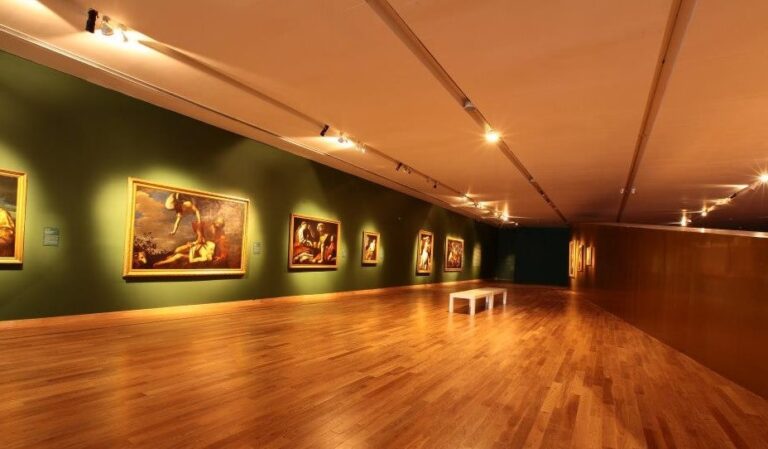
The Museo Sitio de Memoria ESMA in Buenos Aires preserves the former Officers’ Quarters of the Navy School of Mechanics, which operated as a clandestine detention, torture, and extermination center during Argentina’s 1976–1983 military dictatorship. Today, the museum documents the history and consequences of state terrorism through exhibitions, preserved spaces, testimonies, and educational activities. Recognized as a UNESCO World Heritage Site in 2023, it is an important place of remembrance and one of the most significant Museums in Argentina for understanding the country’s recent history.
Museo Benito Quinquela — Buenos Aires
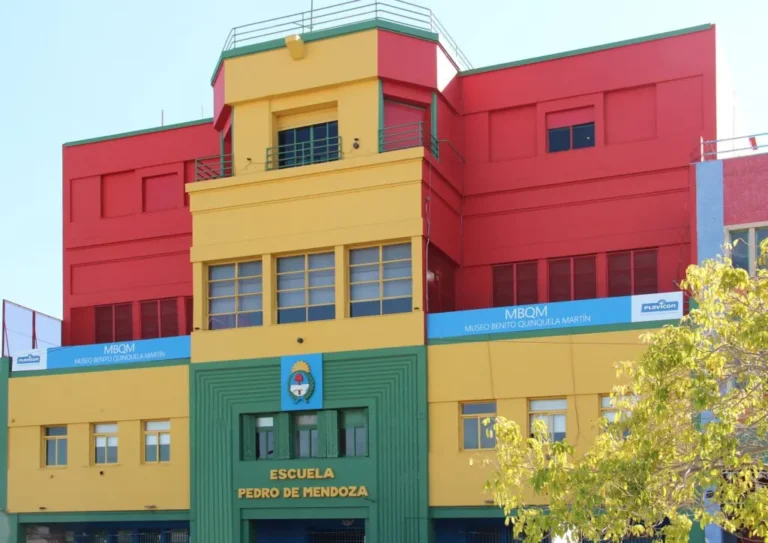
The Museo Benito Quinquela Martín, located in the heart of La Boca, Buenos Aires, celebrates Argentine figurative art and the legacy of one of the city’s most iconic painters. Founded in 1938 following Quinquela Martín’s donation to his neighborhood, the museum houses paintings, drawings, sculptures, and prints by Argentine artists, as well as one of Latin America’s most important collections of ship figureheads. Its former home and studio are also part of the museum, making it a distinctive stop among Museums in Argentina.
Museo de Arqueología de Alta Montaña (MAAM) — Salta
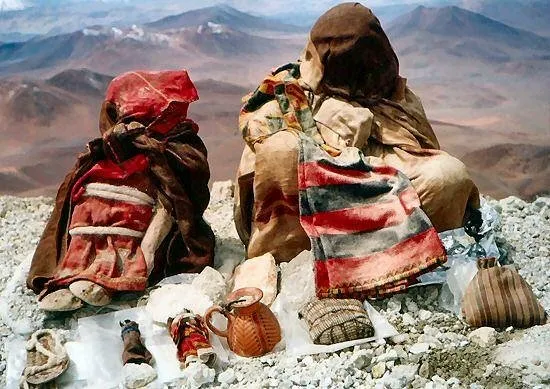
The Museo de Arqueología de Alta Montaña (MAAM) in Salta offers a remarkable insight into the ancient cultures of the Andes and the Inca world. The museum is particularly known for the archaeological discoveries made at Llullaillaco, including the remarkably preserved remains of three Inca children. Its collections and exhibitions provide a fascinating perspective on the rituals, beliefs, and traditions of the region’s pre-Hispanic societies.
Cabildo Histórico de Salta — Salta
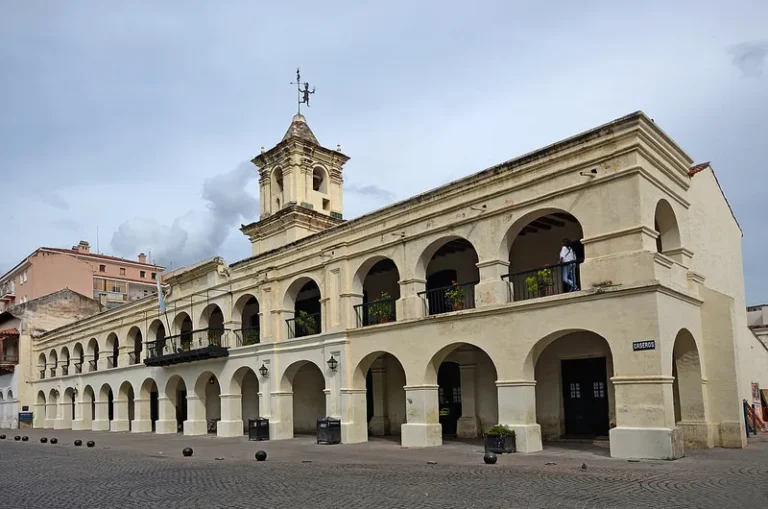
The Cabildo Histórico de Salta, home to the Museo Histórico del Norte, is one of the city’s most important heritage sites and a notable addition to Museums in Argentina. Located opposite Plaza 9 de Julio, the beautifully preserved colonial building dates back to the 18th century and houses collections spanning Salta’s history, including sacred art, Indigenous and colonial artifacts, historic furniture, documents, and military objects. Declared a National Historic Monument in 1937, the Cabildo offers a fascinating glimpse into the history and architecture of northwestern Argentina.

Museo de Vid y El Vino — Cafayate
The Museo de la Vid y el Vino in Cafayate, Salta, explores the history and traditions of winemaking in the Calchaquí Valleys through interactive, audiovisual exhibitions. Opened in 2011 on the site of the former Bodega Encantada, the museum features two main sections, Memoria de la Vid and Memoria del Vino, covering the region’s vineyards, wine production, and cultural heritage. It is a distinctive addition to Museums in Argentina and an important stop on Salta’s High-Altitude Wine Route.
Museo James Turrell — Molinos
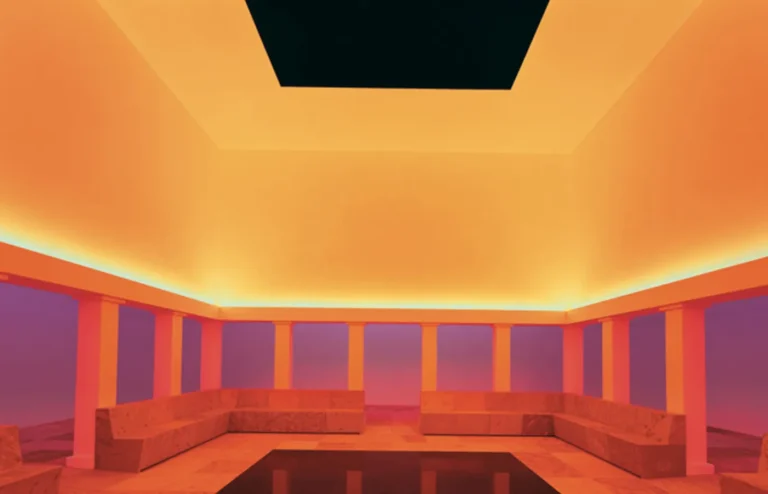
The Museo James Turrell, located at Bodega Colomé in Salta’s Calchaquí Valleys, is the only museum in South America dedicated entirely to the work of American artist James Turrell. Opened in 2009, it features immersive installations that explore light, color, space, and perception, displayed in specially designed rooms that interact with the surrounding landscape. Its distinctive setting and focus on contemporary art make it a unique addition to Museums in Argentina.
Museo Casa Histórica de la Independencia — San Miguel de Tucumán
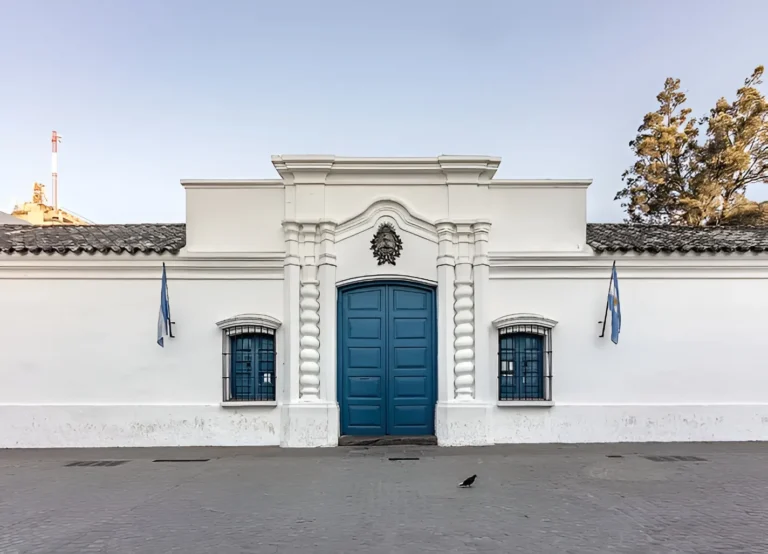
The Casa Histórica de la Independencia is one of Argentina’s most significant historical sites. It was here that the Declaration of Independence was signed on July 9, 1816, and today the museum preserves the historic building while presenting exhibitions about the independence process and the people involved. It is an essential stop for understanding a defining moment in Argentina’s history.
Museo Nacional de la Estancia Jesuítica de Alta Gracia y Casa del Virrey Liniers — Córdoba
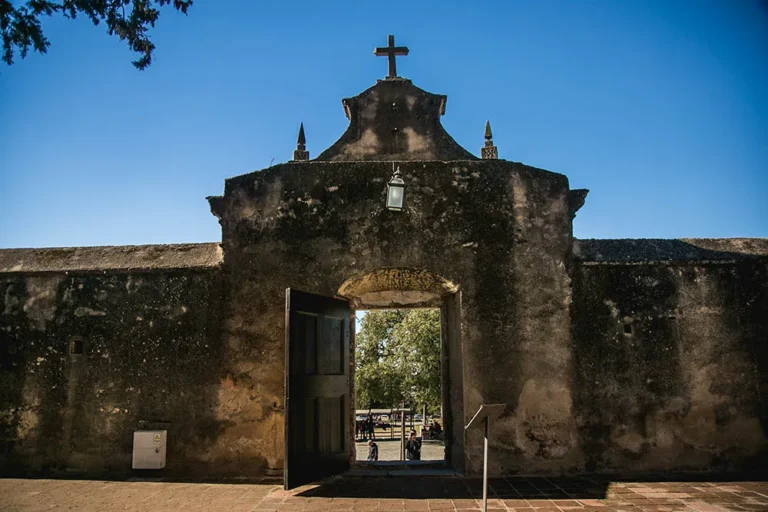
Located in the historic center of Alta Gracia, this museum occupies a former Jesuit estancia dating from the 17th century. The complex forms part of the Jesuit Block and Estancias of Córdoba, recognized as a UNESCO World Heritage Site. Its exhibitions explore Jesuit history, colonial life, and the development of the estancia, while the historic architecture provides an authentic glimpse into Córdoba’s colonial past.
Museo Paleontológico Egidio Feruglio (MEF) — Trelew
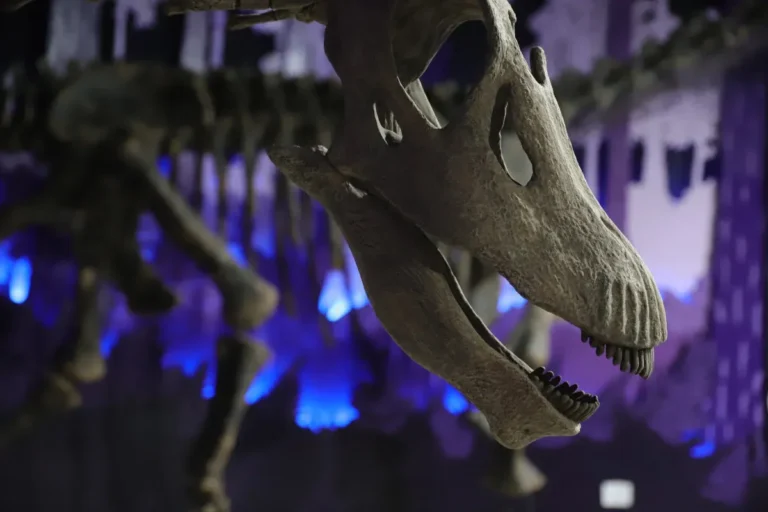
The Museo Paleontológico Egidio Feruglio (MEF) in Trelew, Chubut, takes visitors deep into Patagonia’s prehistoric past, with an impressive collection of fossils, dinosaur skeletons, and interactive exhibits. One of its highlights is Patagotitan mayorum, one of the largest dinosaurs ever discovered, whose fossils were found in Patagonia. As one of the most remarkable Museums in Argentina, the MEF combines scientific research with engaging exhibitions to bring the ancient world to life.
Centro de Visitantes Istmo Carlos Ameghino — Puerto Madryn
The Centro de Visitantes Istmo Carlos Ameghino, located at the entrance to Península Valdés in Chubut, offers an engaging introduction to the region’s wildlife, marine ecosystems, geology, and cultural heritage. Its exhibits feature Patagonian fauna, marine mammals, fossils, and a complete Southern right whale skeleton, while the lookout provides panoramic views of the Golfo Nuevo and Golfo San José. It is an informative first stop for exploring the unique landscapes and wildlife of Península Valdés.
Museo Molino Harinero Nant Fach — Trevelin
The Museo Molino Harinero Nant Fach, near Trevelin in Chubut, offers a fascinating insight into the region’s Welsh heritage, rural history, and traditional wheat production. Centered around a working water-powered mill, the museum showcases historic tools, documents, clothing, and everyday objects connected to the Welsh settlers of the Valle 16 de Octubre. Its unique combination of living history and cultural heritage makes it a distinctive destination among Museums in Argentina.
Glaciarium — El Calafate
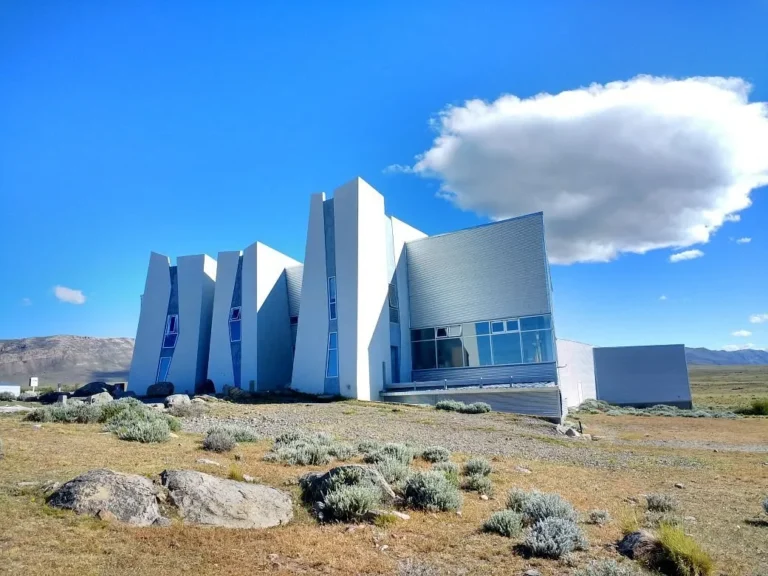
Located near El Calafate, Glaciarium is a modern glaciological interpretation center dedicated to the glaciers and ice fields of Patagonia. Through interactive displays, audiovisual material, and educational exhibitions, it explores glacial formation, scientific research, Patagonia’s ice fields, and climate change. It is an excellent complement to a visit to Los Glaciares National Park and the Perito Moreno Glacier, helping visitors better understand the extraordinary landscapes of southern Patagonia.
Casa Madsen Museo — El Chaltén
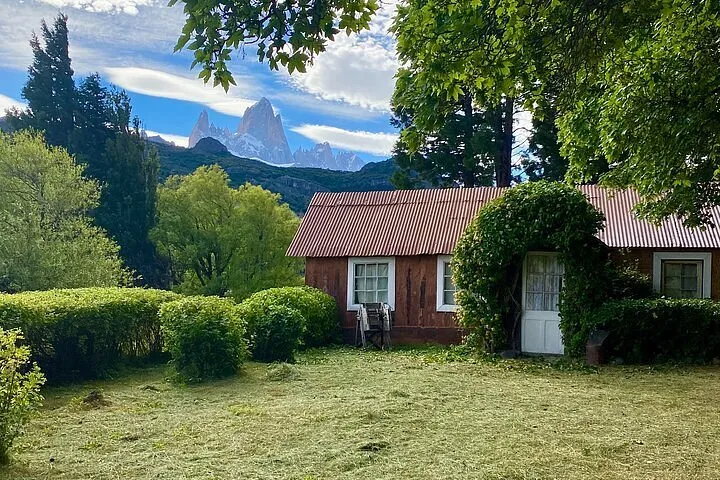
The Casa Madsen Museo, located in El Chaltén, Santa Cruz, preserves the history of one of the area’s early pioneer families. Housed in the former Madsen family home, the museum displays personal belongings, photographs, tools, and other objects that offer insight into the region’s early settlement and rural life. Its intimate collection provides a glimpse into the history of El Chaltén and makes it a distinctive addition to Museums in Argentina.
Museo Marítimo y del Presidio — Ushuaia
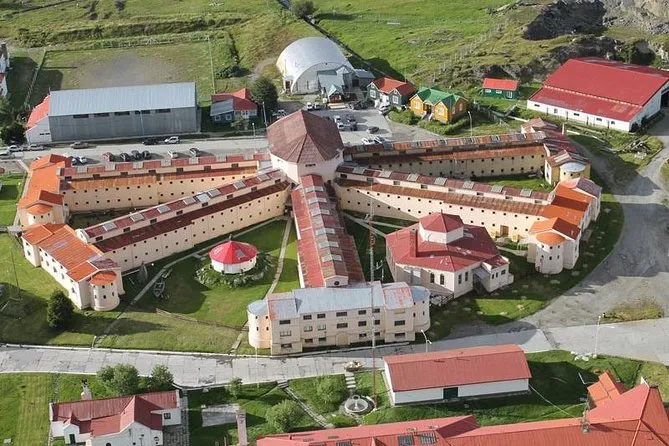
The Museo del Presidio de Ushuaia, housed in the former Ushuaia prison, offers a compelling look at the history of Argentina’s southernmost city and its penal system. The prison operated from 1896 until 1947, and today its preserved cells and corridors form part of the Museo Marítimo y del Presidio de Ushuaia, which also explores the region’s maritime history, Antarctic expeditions, and Indigenous heritage. A distinctive addition to Museums in Argentina, it provides a glimpse into one of Tierra del Fuego’s most significant historic sites.
Museo del Fin del Mundo — Ushuaia
The Museo del Fin del Mundo in Ushuaia, Tierra del Fuego, explores the natural, cultural, and historical heritage of Argentina’s southernmost province. Its collections include archaeological and ethnographic objects related to the region’s Indigenous peoples, as well as material documenting early European settlement, exploration, and the development of Ushuaia. With two historic sites housing exhibitions, it offers an insightful introduction to Tierra del Fuego and a distinctive addition to Museums in Argentina.
Let's plan your personalized experience
Beyond BA Latam is a local travel agency based in Argentina that designs personalized tours in Argentina, Chile and Antarctica. We are very proud to work with a knowledgeable team capable to design trips based on your interests and traveling style. We are able to bring you a different and more enjoyable experience.
Related Articles
 Best Museums in Buenos Aires: A Visitor’s Guide
Buenos Aires, the dynamic capital of Argentina, is known for its tango, architecture, gastronomy, and rich cultural scene. It is also home to an impressive variety of museums, offering everything from…
 Dinosaurs in Argentina: Incredible Discoveries from the Past
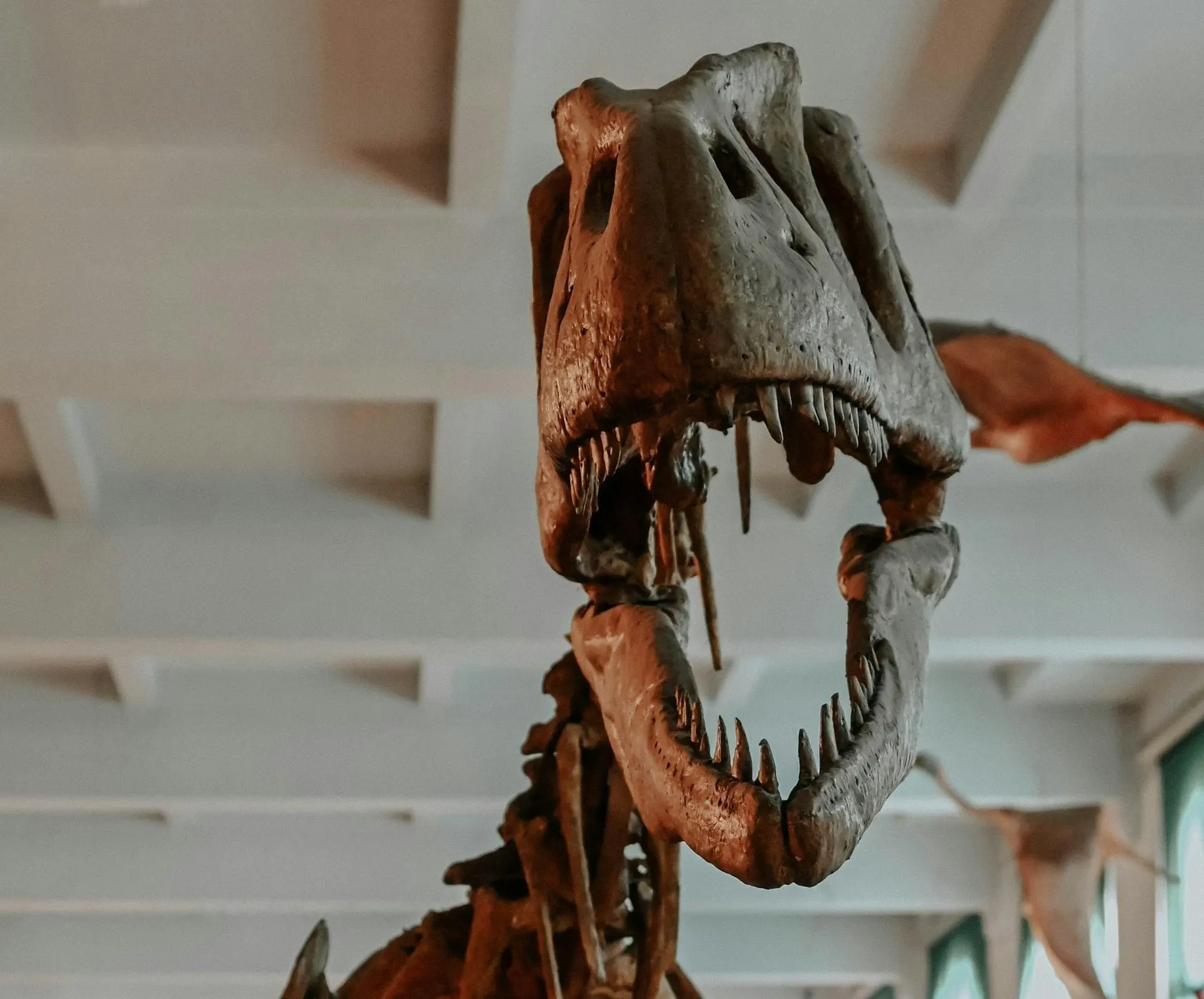
Dinosaurs in Argentina offer a fascinating window into a prehistoric world shaped millions of years ago. Argentina has one of the richest paleontological records in South America, with an…
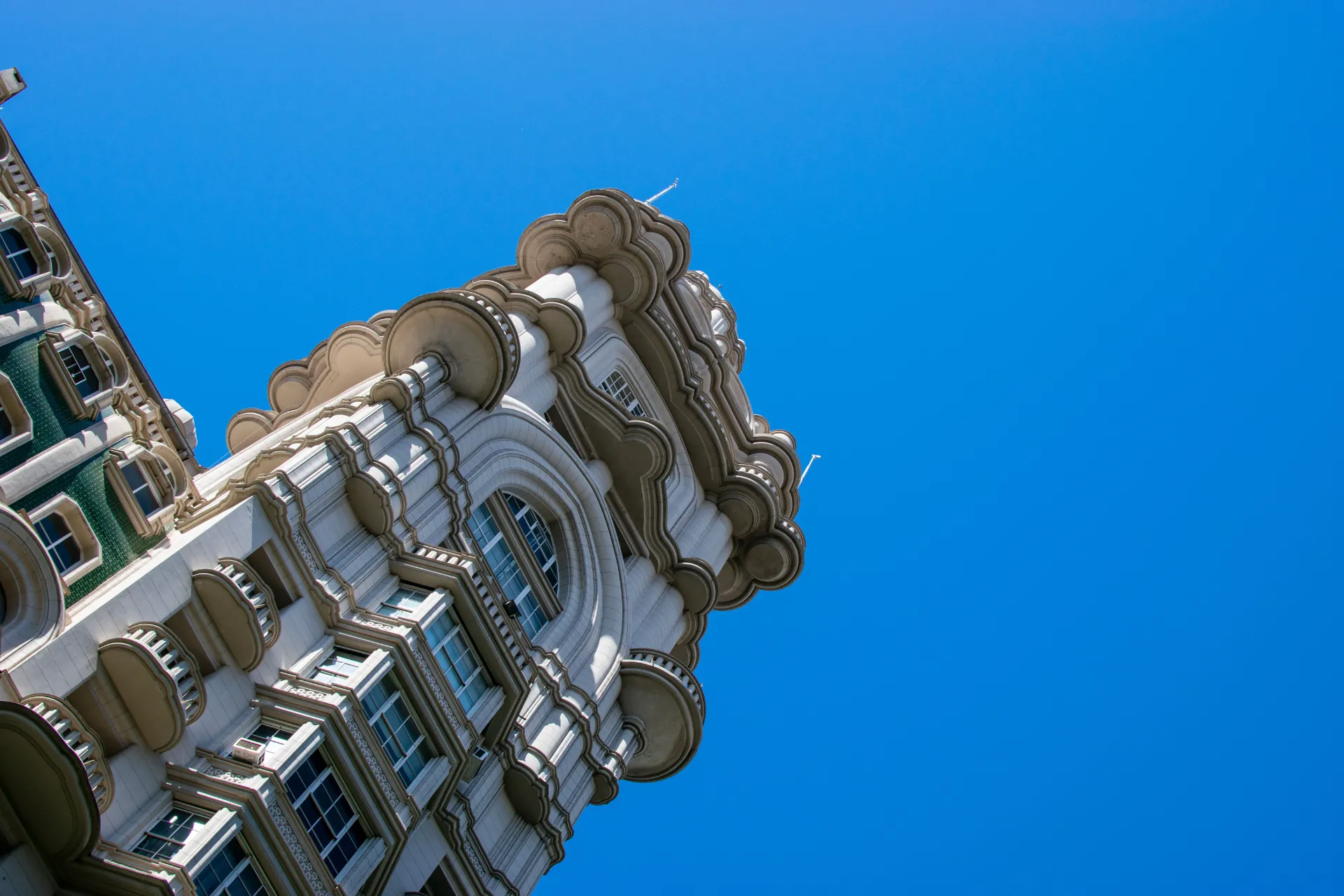 Cultural Sites in Argentina: Amazing Places to Visit & Discover
From historic landmarks and archaeological sites to remarkable architecture and places connected to Argentina’s traditions, cultural sites in Argentina reveal the country’s diverse heritage and…
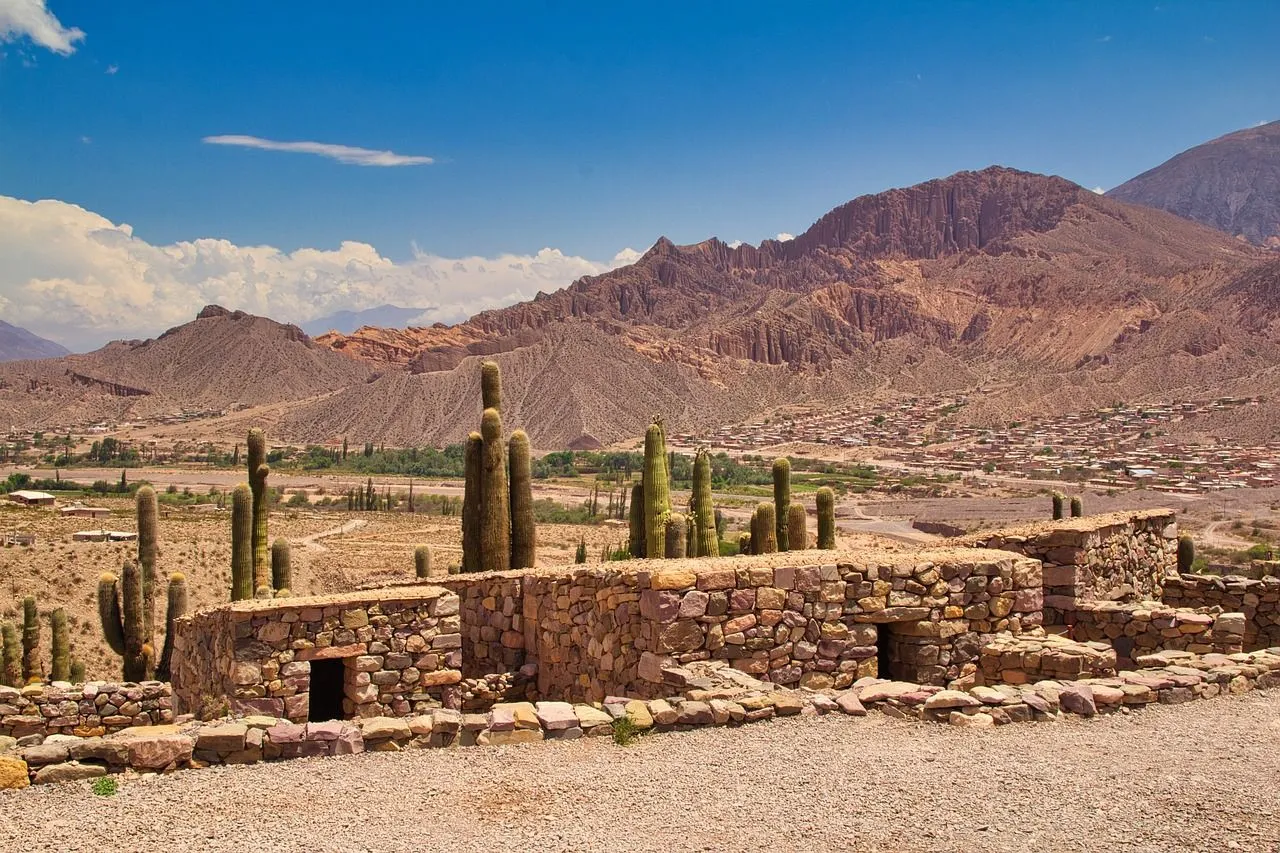 12 Incredible UNESCO Sites in Argentina You Should Visit
From spectacular glaciers and dense rainforests to ancient rock art, historic Jesuit missions, and remarkable examples of modern architecture, Argentina is home to 12 UNESCO World Heritage Sites.…
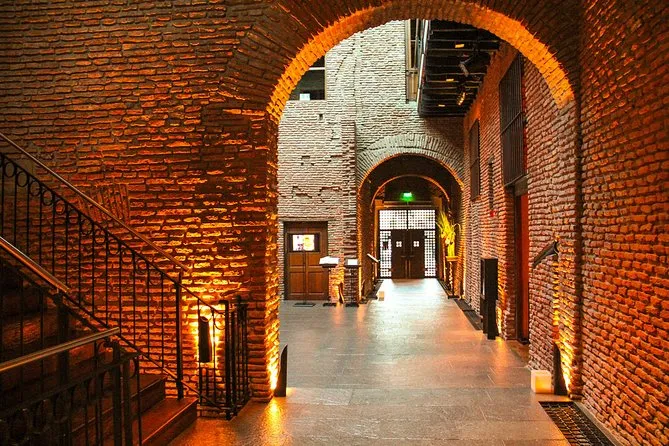 Underground Buenos Aires: Discover Fascinating Tunnels & Colonial History
Discover underground Buenos Aires, a hidden side of the city beneath its streets, where secret tunnels, archaeological sites, and colonial history reveal stories from the city’s past. From historic…
Inspiring Tours
 Argentina Highlights Tour
Buenos Aires - Iguazu Falls - the Northwest - El Calafate - El Chaltén - Ushuaia
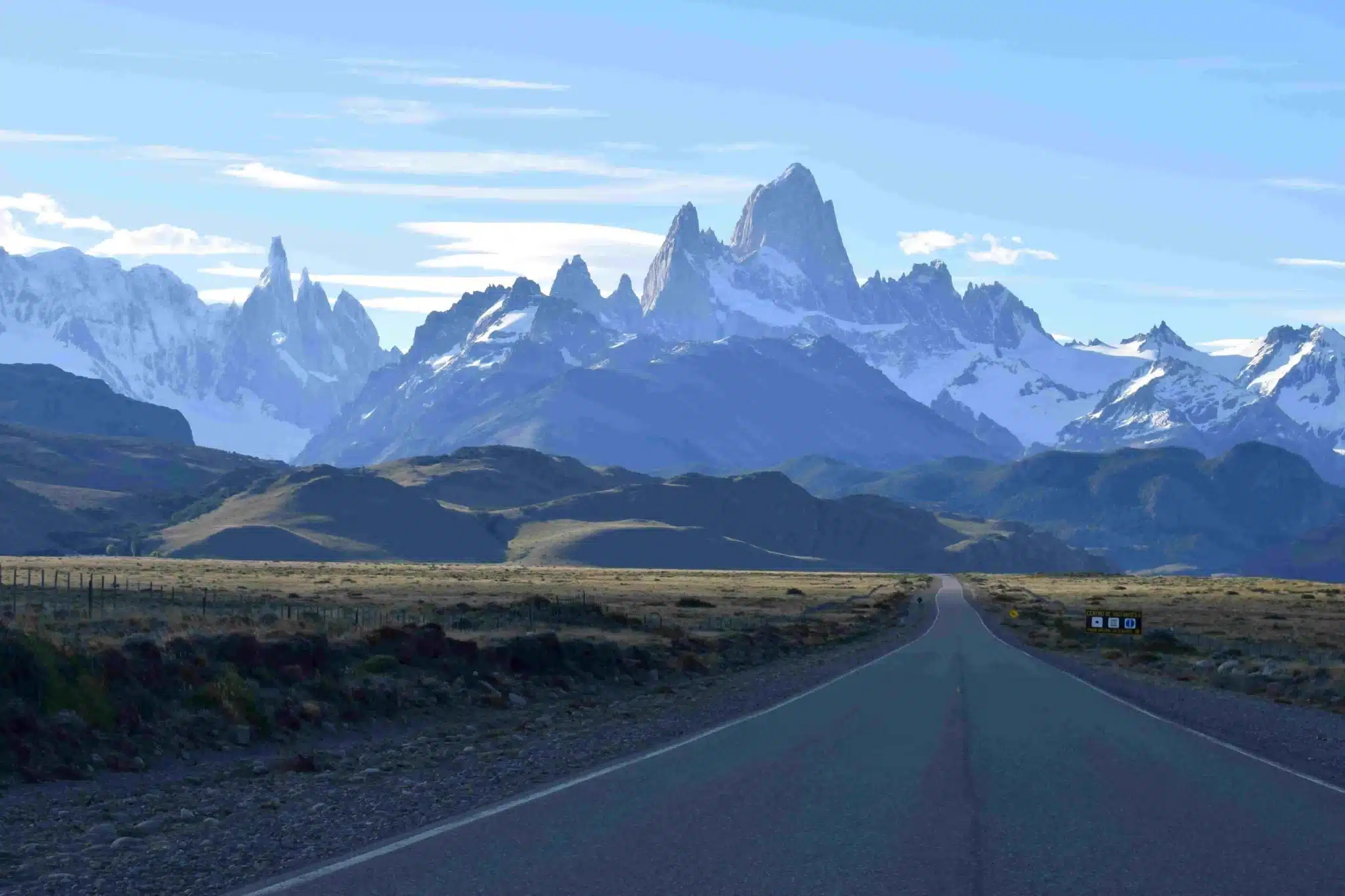 Patagonia Highlights Tour Itinerary
Buenos Aires - Ushuaia - El Calafate - El Chaltén - Torres del Paine - Bariloche
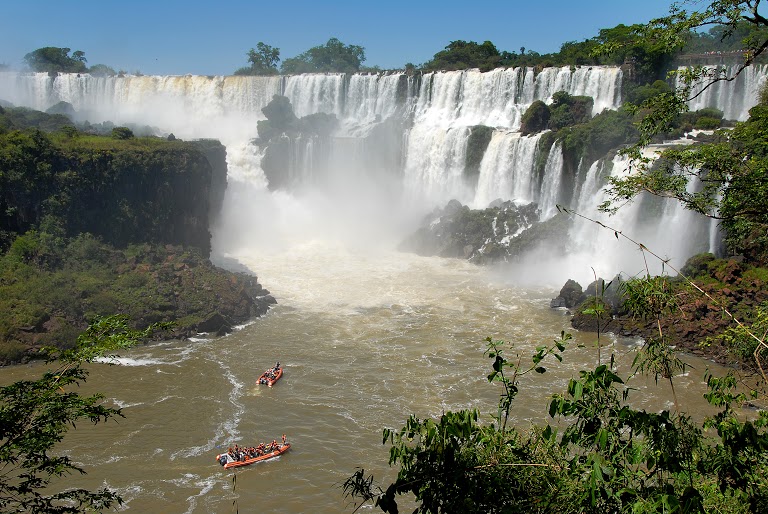 Salta and Jujuy, combined with Iguazu Falls
Buenos Aires - Salta - Jujuy - Iguazú Falls
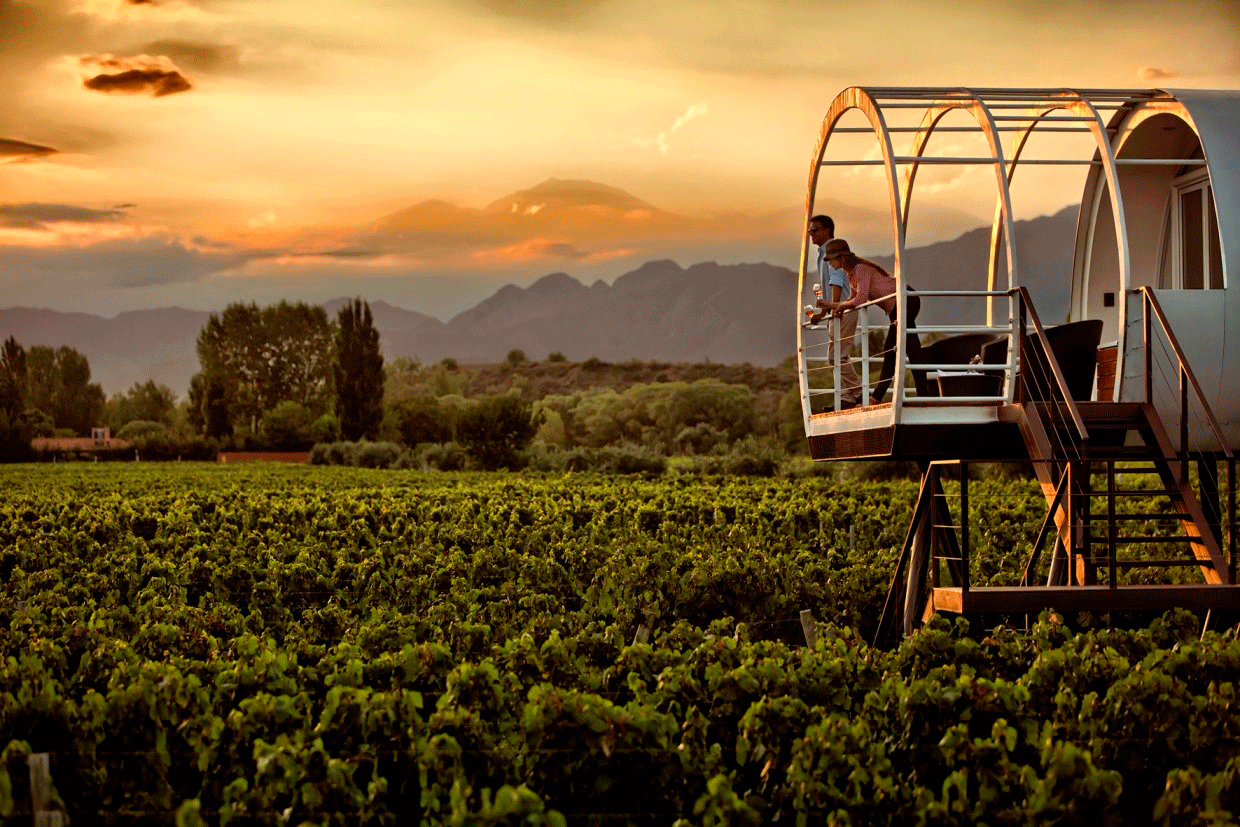 Tailor Made Holidays in Mendoza & Buenos Aires
Buenos Aires - Mendoza
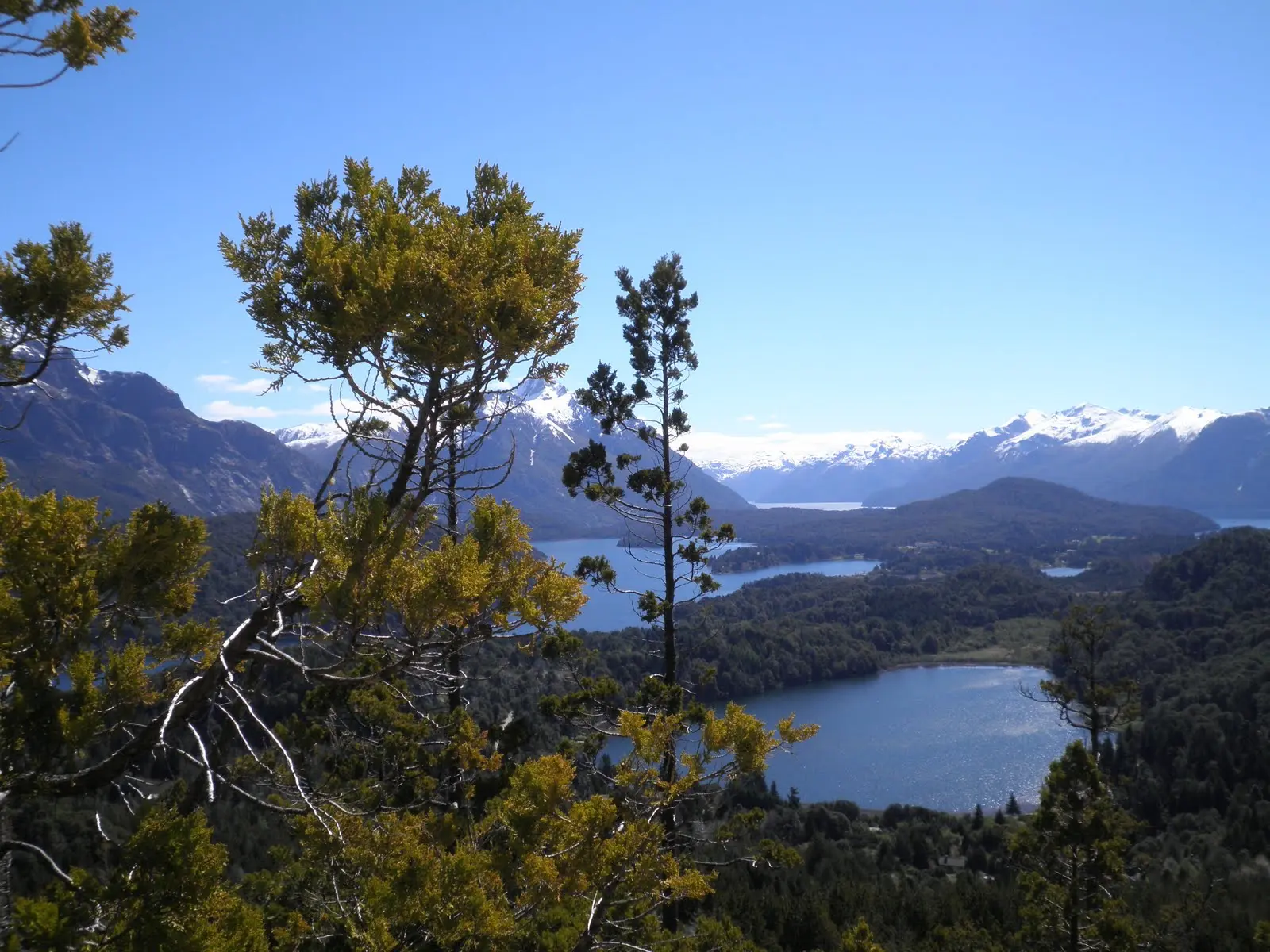 Holidays in Mendoza & Bariloche
Buenos Aires - Mendoza - Bariloche
 El Calafate to Ushuaia Road Trip Itinerary (15 Days Self-Drive)
El Calafate - El Chaltén - Puerto Natales - Punta Arenas - Ushuaia
 Northwest Argentina Tour: Salta & Jujuy Itinerary
Salta - Jujuy
 Fitz Roy Trek & W Trek - Patagonia tour
Buenos Aires, El Chaltén, El Calafate, Puerto Natales, Torres del Paine & Santiago de Chile
 Patagonia Wildlife Safari
Peninsula Valdés, Puerto Madryn, El Calafate, Torres del Paine National Park & Puerto Natales
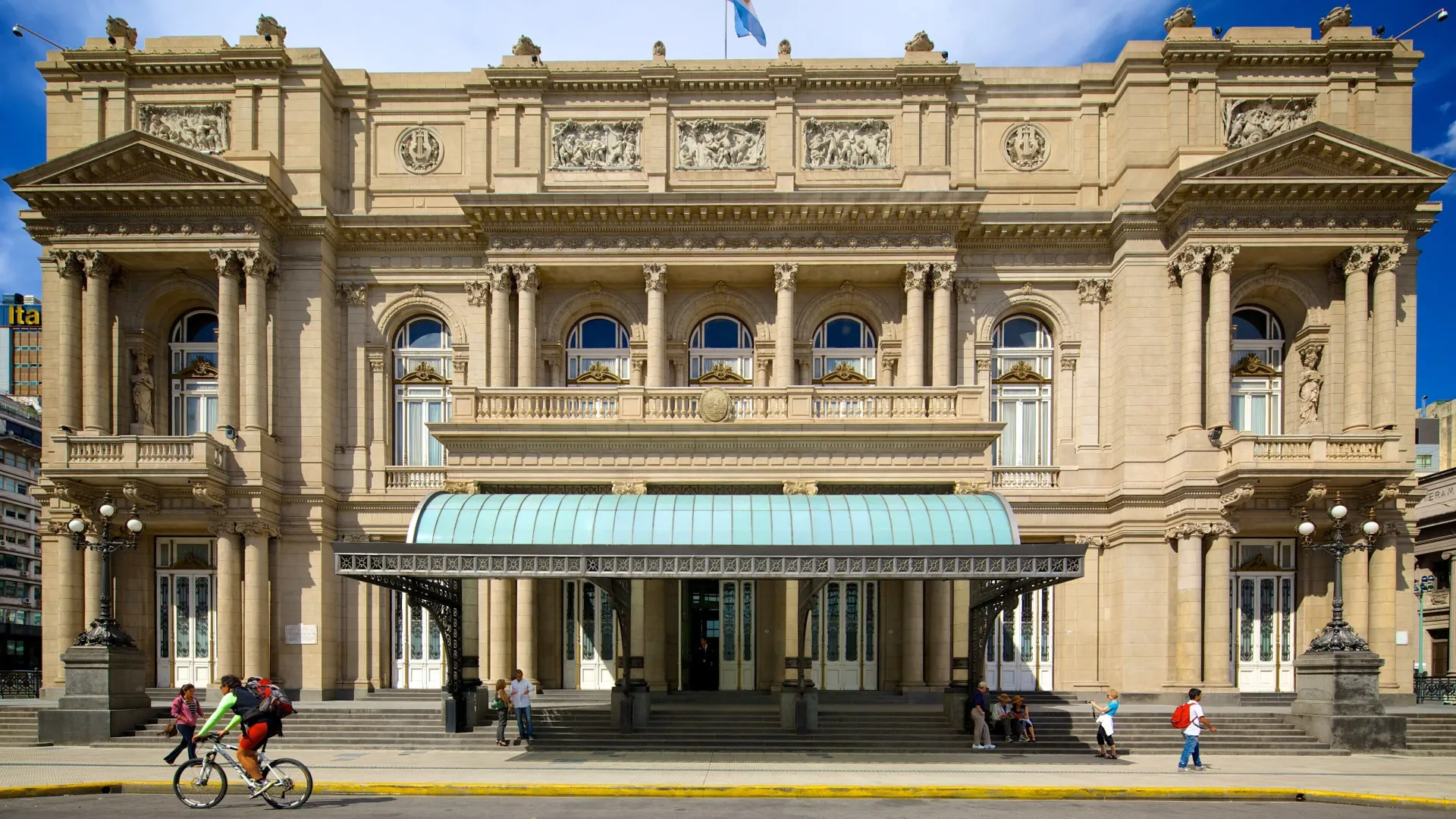 Argentina and Chile Culture: Discover Art, Architecture & Heritage
Buenos Aires, Purmamarca, Salta, Mendoza and Santiago de Chile
Trips by Destination
In the following sections, you'll find tours focused on the main region you want to visit. They include traditional & thematic tours, interesting articles, and relevant information.
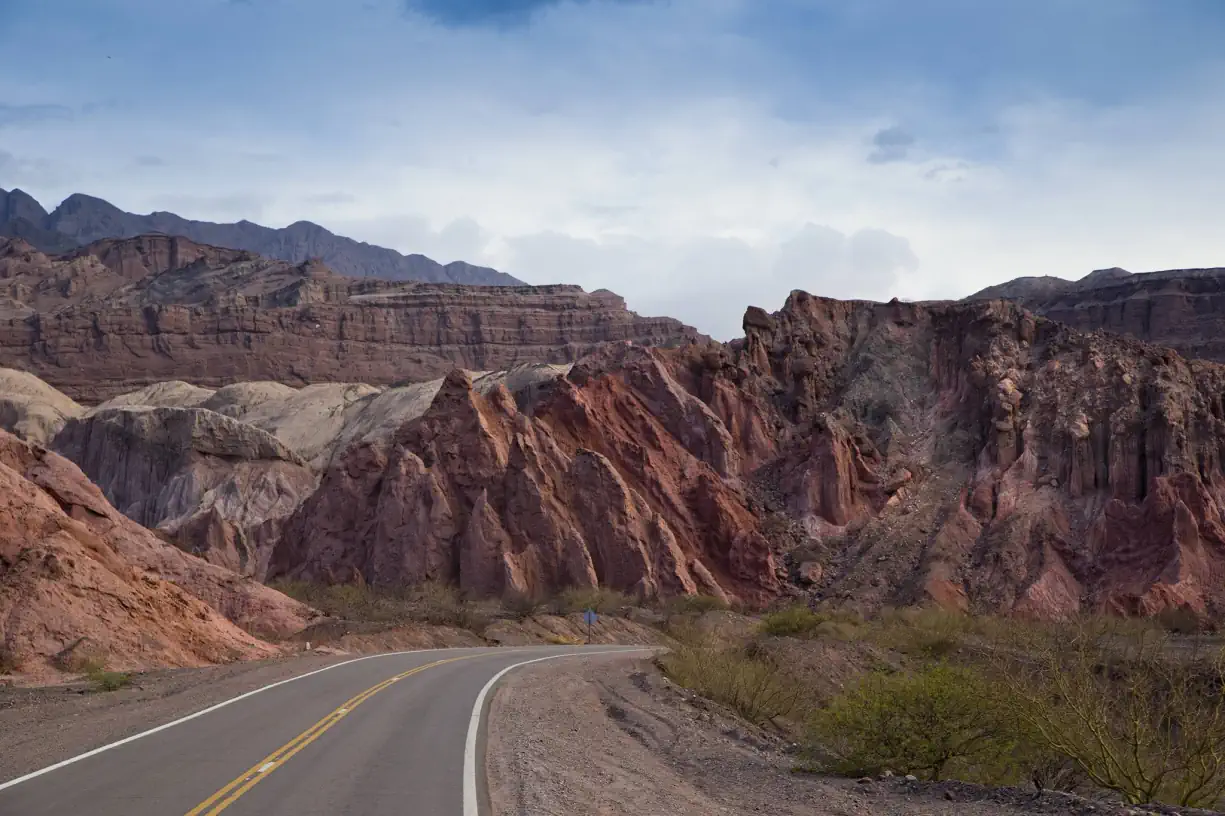 Argentina
Custom-Made Experiences by Locals
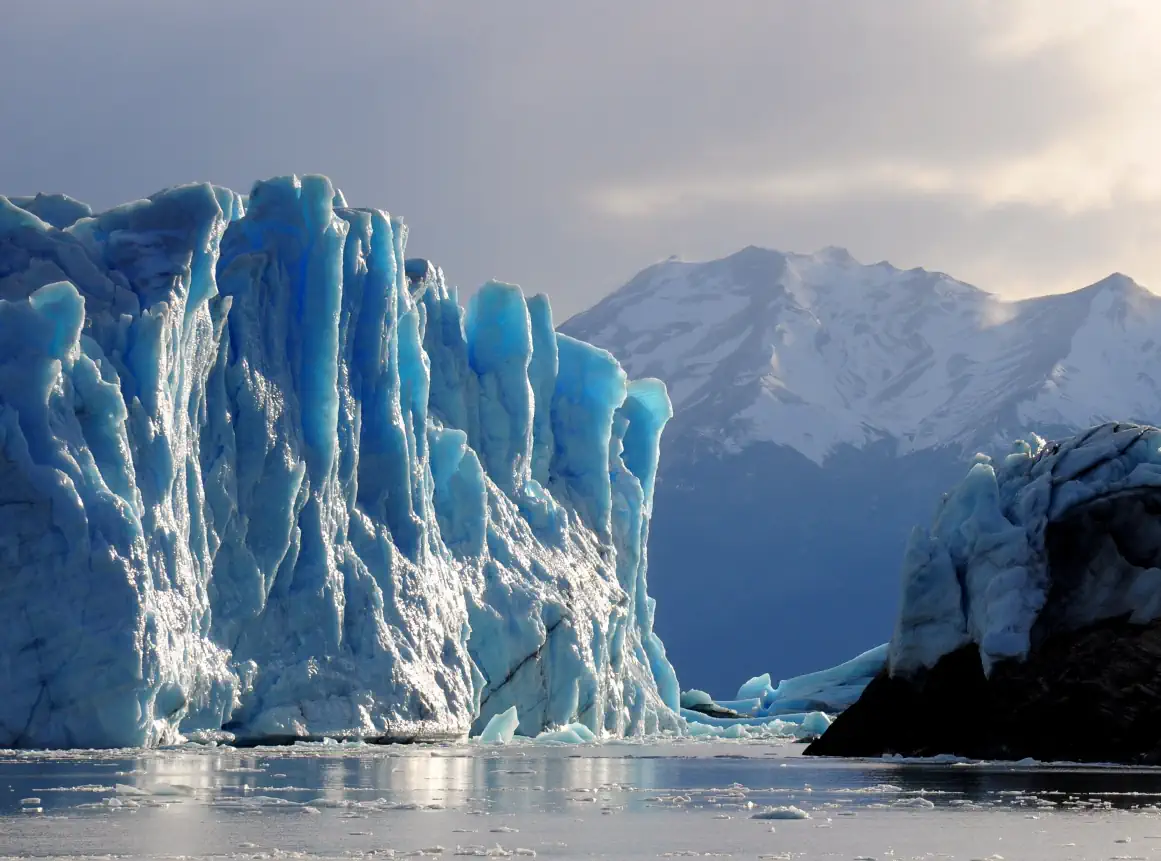 Patagonia
Custom-Made Experiences by Locals
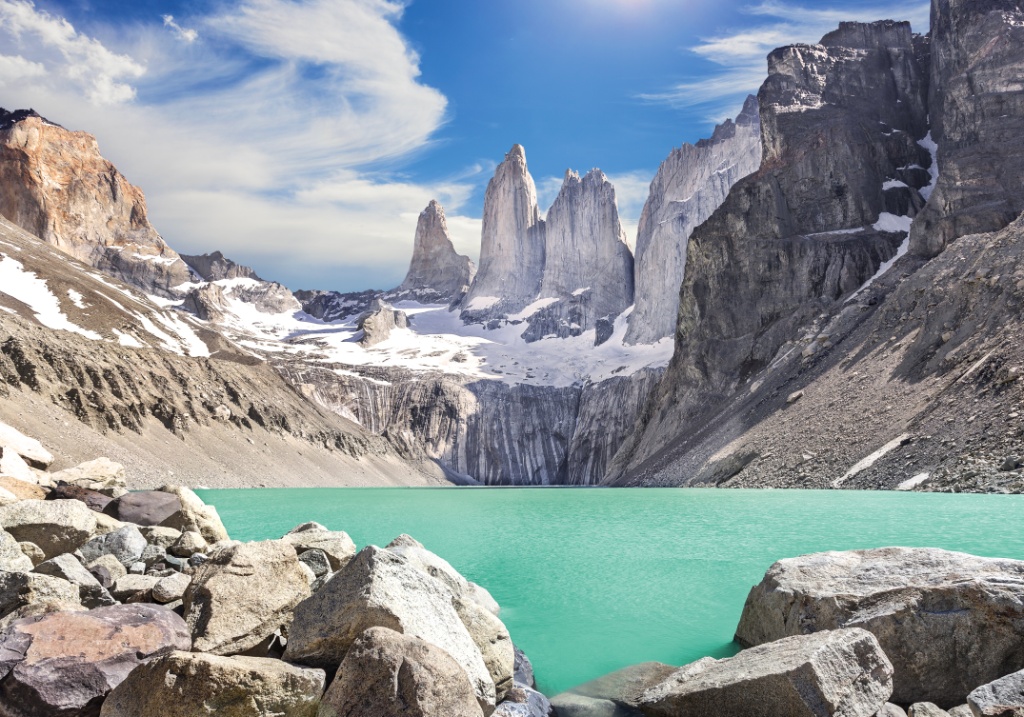 Chile
Custom-Made Experiences by Locals
 Northwest Argentina Holidays
Custom-Made Experiences by Locals
 Travel to Antarctica
Custom-Made Experiences by Locals
Tours by Travel Style
In the following sections, you'll find tours focused on the main region you want to visit. They include traditional & thematic tours, interesting articles, and relevant information. If your interest is focusing mainly in Chile or Antarctica, please visit our Chile and Antarctica sections.
 Classic Journeys
 Road Trips
 Hiking Adventures
 Wildlife Experiences
 Luxury Escapes
 Foodies
 Honeymoon
 Family Travel
 Cruises