Ocelot (Leopardus pardalis) – The Elusive Jungle Stalker of Northern Argentina
The Ocelot (Leopardus pardalis) is one of the most striking and adaptable wild cats in the Americas. Known for its sleek spotted coat and stealthy movements, the Ocelot (Leopardus pardalis) is a…
The Ocelot (Leopardus pardalis) is one of the most striking and adaptable wild cats in the Americas. Known for its sleek spotted coat and stealthy movements, the Ocelot (Leopardus pardalis) is a solitary and secretive predator found in Argentina’s northeastern forests and wetlands.
Although more abundant than the elusive Andean cat, the Ocelot (Leopardus pardalis) still faces important conservation challenges. Its beauty once made it a major target for the fur trade, while today it captivates wildlife enthusiasts hoping to observe it in its natural habitat.
Where to See the Ocelot (Leopardus pardalis)
In Argentina, the range of the Ocelot (Leopardus pardalis) is mainly restricted to the northeastern region, with important populations in:
- Iberá Wetlands (Corrientes Province)
- El Impenetrable National Park (Chaco Province)
- Misiones Province, including areas within the Yabotí Biosphere Reserve
Ocelots prefer dense forests, scrublands, and wetlands, where their camouflage and hunting abilities provide a major advantage.
Physical Characteristics
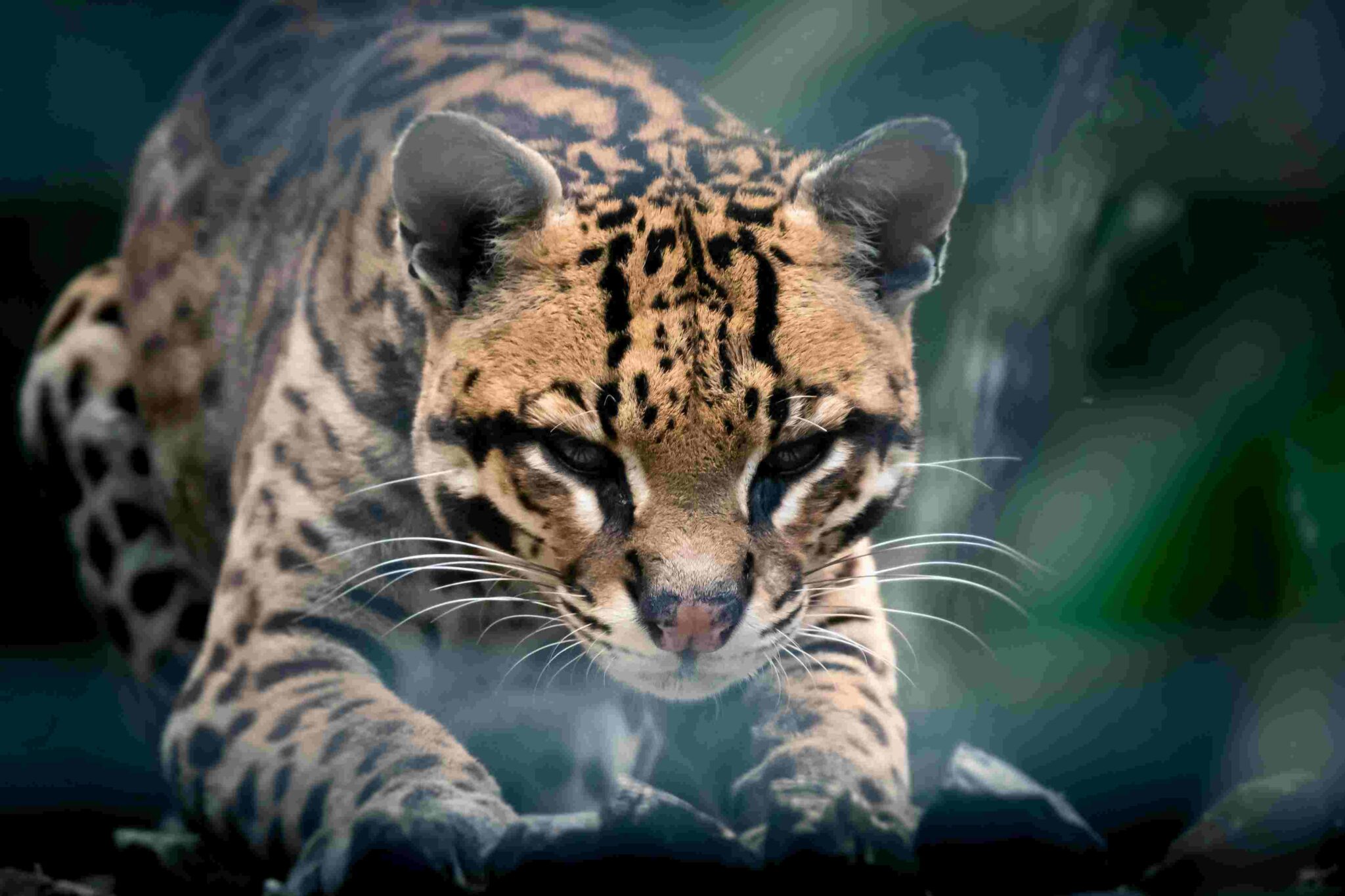
The Ocelot (Leopardus pardalis) is roughly the size of a large domestic cat but has a stronger, more muscular build and a distinctly wild appearance:
- Body length: 70–100 cm (28–40 in)
- Tail length: 25–40 cm (10–16 in)
- Weight: 8–15 kg (17–33 lbs)
- Coat: Golden to reddish-gray fur patterned with rosettes and dark spots
- Eyes: Large golden-brown eyes adapted for excellent night vision
The coat pattern of each Ocelot (Leopardus pardalis) is unique, allowing researchers to identify individuals through camera trap studies.
Behavior and Diet
Ocelots are solitary and nocturnal, spending much of their time patrolling territory and hunting prey.
What Does the Ocelot Eat?
- Small mammals
- Birds
- Reptiles and frogs
- Crabs and other small aquatic animals
Hunting and Territorial Behavior
- Hunting style: Quiet stalking followed by a rapid pounce
- Territory: Males occupy large home ranges that may overlap with several females
The Ocelot (Leopardus pardalis) is also an agile climber and capable swimmer, although it primarily hunts on the ground.
Reproduction and Lifespan
- Females generally give birth to 1–2 kittens after a gestation period of approximately 80 days
- Young ocelots remain with their mother for several months before becoming independent
- In the wild, Ocelot (Leopardus pardalis) individuals may live up to 10 years, and even longer in captivity
Unlike larger cats, ocelots do not roar. Instead, they communicate through growls, meows, and hissing sounds.
Conservation Status
Globally, the Ocelot (Leopardus pardalis) is classified as Least Concern. However, in Argentina it is considered Vulnerable due to several ongoing threats:
- Deforestation and habitat fragmentation
- Road mortality
- Illegal pet trade
Conservation programs focus heavily on habitat protection, especially within Iberá National Park and El Impenetrable National Park, where camera trap studies confirm stable populations.
Ecotourism and Responsible Wildlife Viewing
Travelers hoping to spot the Ocelot (Leopardus pardalis) should consider visiting:
- Iberá Wetlands: Offering the best opportunities through night safaris and guided wildlife excursions
- El Impenetrable National Park: A remote but increasingly accessible destination featuring camera trap monitoring experiences with local guides
Maintaining a respectful distance and practicing quiet observation are essential to preserving the animal’s natural behavior.

Personalized Tours in Argentina
The Ocelot (Leopardus pardalis) represents the extraordinary biodiversity of northern Argentina—stealthy, beautiful, and elusive. Rare encounters with this magnificent wild cat add a sense of wonder to the forests and wetlands of South America. Supporting sustainable tourism and conservation initiatives helps ensure that ocelots continue to thrive for future generations.
We are a local tour operator based in Buenos Aires, offering tailor-made tours throughout Argentina and Chile. Contact us to start planning your next unforgettable South American adventure.
Explore Our Travel Ideas
Puma Tracking Tour and Orca Watching
Misiones Province & Iberá Wetlands
Orca Whale Watching in Patagonia Argentina
Iguazú Falls, Peninsula Valdés and the Wetlands
Where to See Penguins in Patagonia
Peninsula Valdés Wildlife Tour
Let's plan your personalized experience
Beyond BA Latam is a local travel agency based in Argentina that designs personalized tours in Argentina, Chile and Antarctica. We are very proud to work with a knowledgeable team capable to design trips based on your interests and traveling style. We are able to bring you a different and more enjoyable experience.
Related Articles
 Wild Cats of Argentina
 are among the country’s most fascinating and elusive wildlife species. From the mighty jaguar roaming subtropical forests to the tiny kodkod hidden deep within Patagonian…
 Misiones Rainforest
The Misiones Rainforest, located in northeastern Argentina, is a biodiverse and ecologically rich region that shelters an extraordinary variety of plant and animal species beneath its lush green…
 Jaguars in Argentina: A Wild Journey Through Their Habitat
Jaguars in Argentina are represented by the yaguareté (Panthera onca), the largest feline in the Americas. Once widespread across much of the country, the species now survives mainly in the Yungas…
- Geoffroy's Cat – The Elusive Feline of the Southern Cone
Small, agile, and incredibly elusive, the Geoffroy's Cat (Leopardus geoffroyi) is one of South America’s lesser-known wild cats. Found across a wide range of habitats in Argentina, Chile, Uruguay…
- Andean Cat (Leopardus jacobita) – The Ghost of the High Andes
The Andean Cat (Leopardus jacobita) is one of the rarest and most elusive wild cats on Earth. Revered by Indigenous communities and surrounded by mystery, this remarkable feline inhabits the remote…
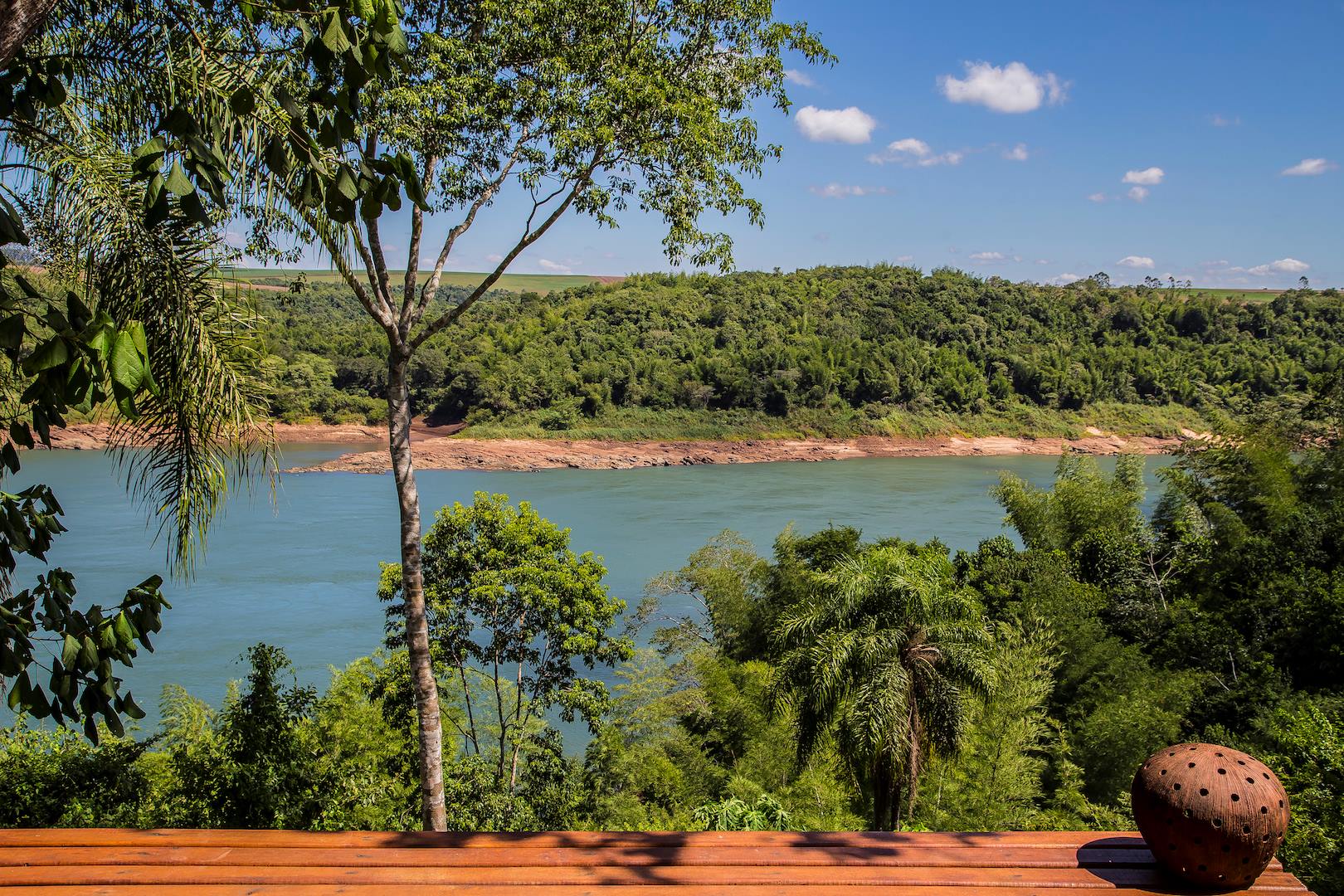 La Lorenza Iguazu: An Amazing Wildlife & Nature Experience
La Lorenza Iguazu is a small private reserve of native forest located about 45 km from Iguazú, approximately a 50-minute drive from the city. Set along the Paraná River near Puerto Libertad, the…
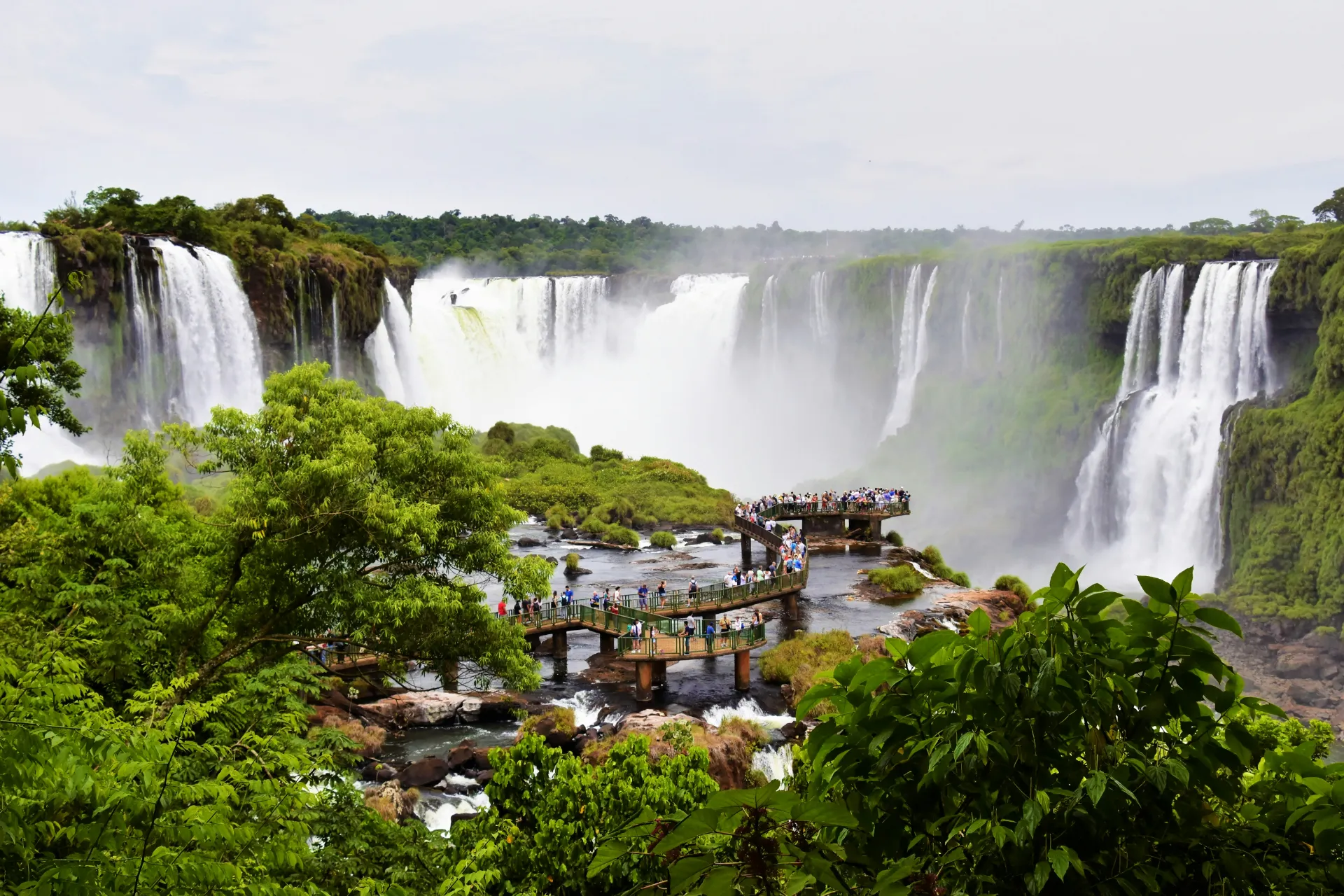 Things to Do in Iguazu Falls: Incredible Adventures & Wildlife
Things to do in Iguazu Falls go far beyond admiring the waterfalls. Located in Misiones Province, northeastern Argentina, and shared with Brazil, Iguazu Falls is one of the Seven Natural Wonders of…
Inspiring Tours
 Argentina and Chile Culture: Discover Art, Architecture & Heritage
Buenos Aires, Purmamarca, Salta, Mendoza and Santiago de Chile
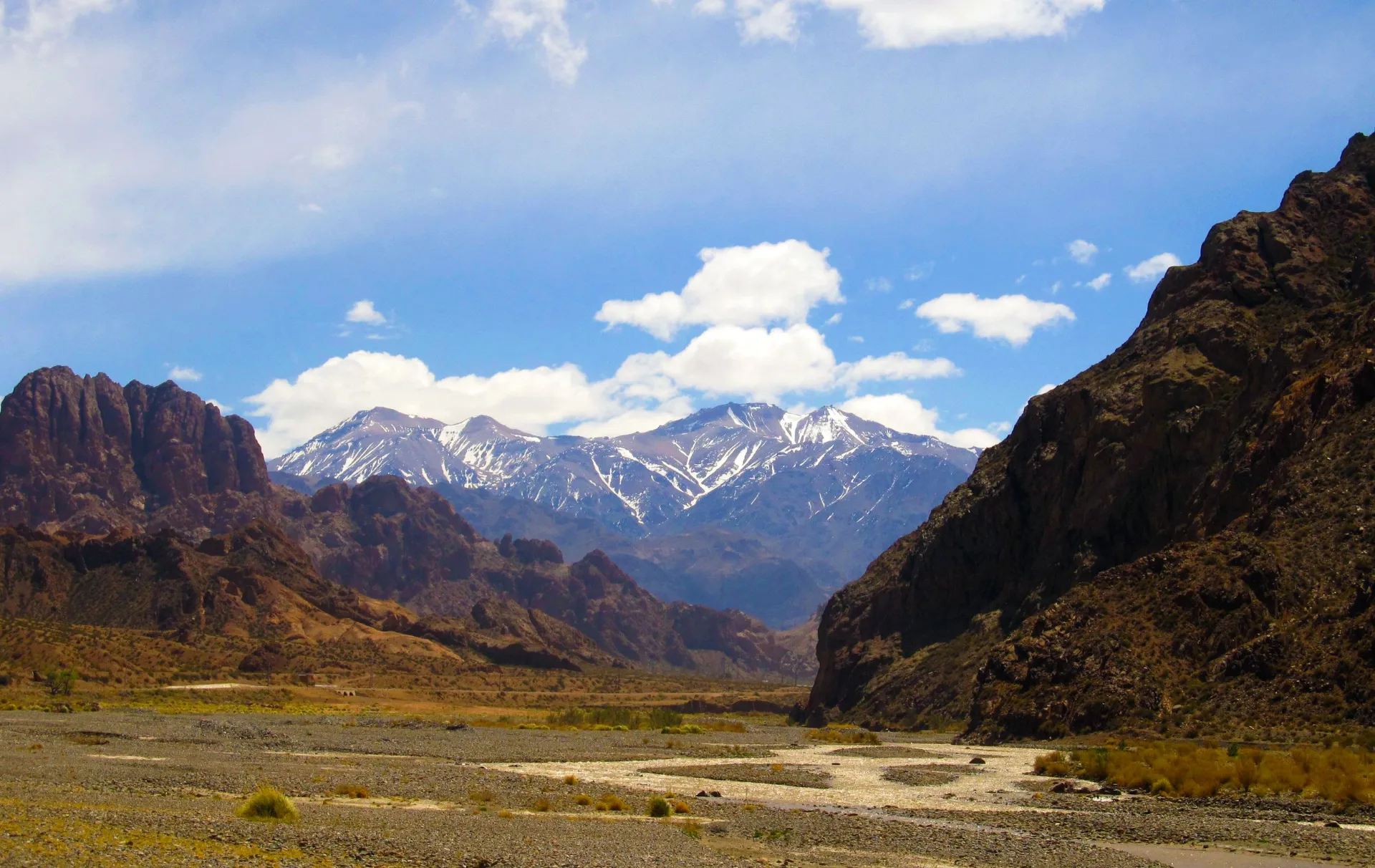 Mendoza Luxury Holiday & Hiking in Aconcagua Park
Buenos Aires - Bariloche - Mendoza
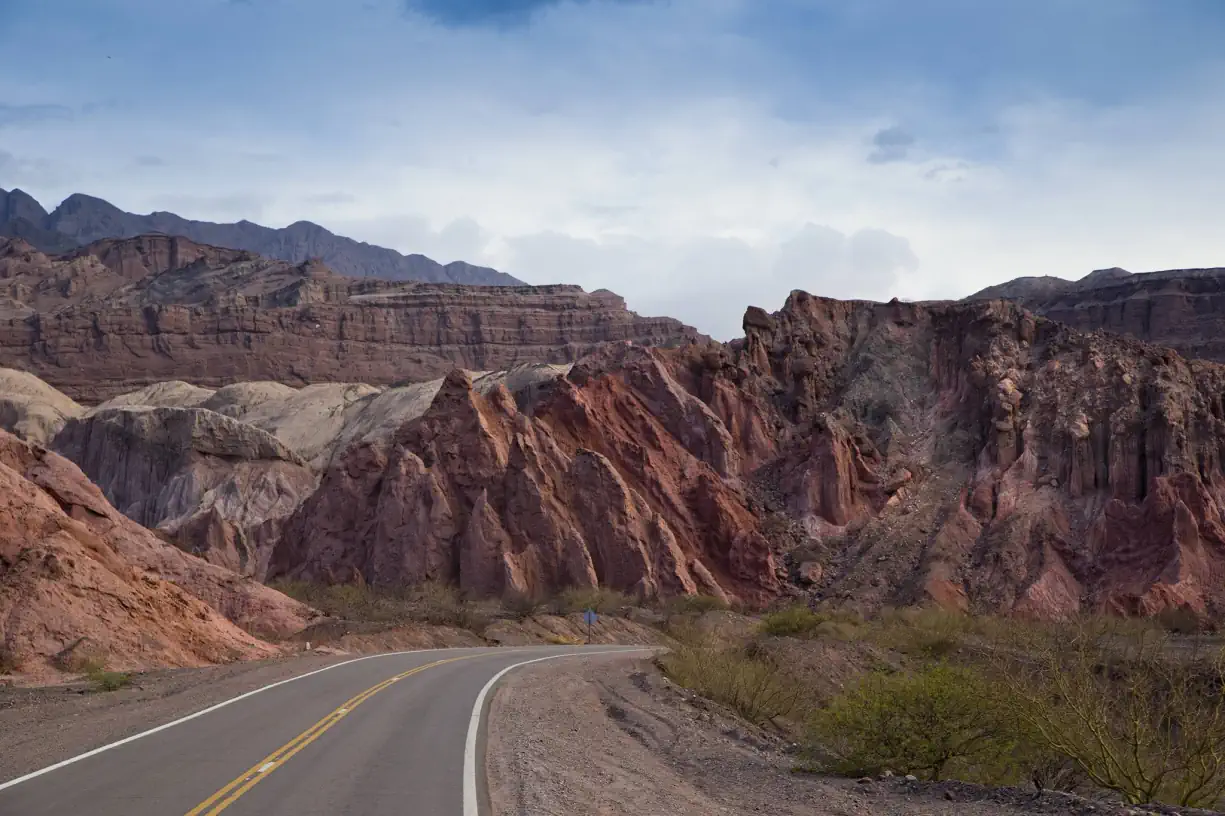 Jujuy & Salta - Hiking & Comfort
Salta - Jujuy
 Trek South America's Highlights
Cusco, Santiago de Chile, Puerto Natales, El Calafate, El Chaltén y Buenos Aires
 Tierra del Fuego Hiking Tour
Tierra del Fuego, Ushuaia, Tierra del Fuego National Park, Beagle Channel, Lake Fagnano & Mitre Peninsula
 Sierra Valdivieso Circuit & Tierra del Fuego hiking tour
Ushuaia, Tierra del Fuego, Laguna Esmeralda, Lake Fagnano & Carbajal Valley.
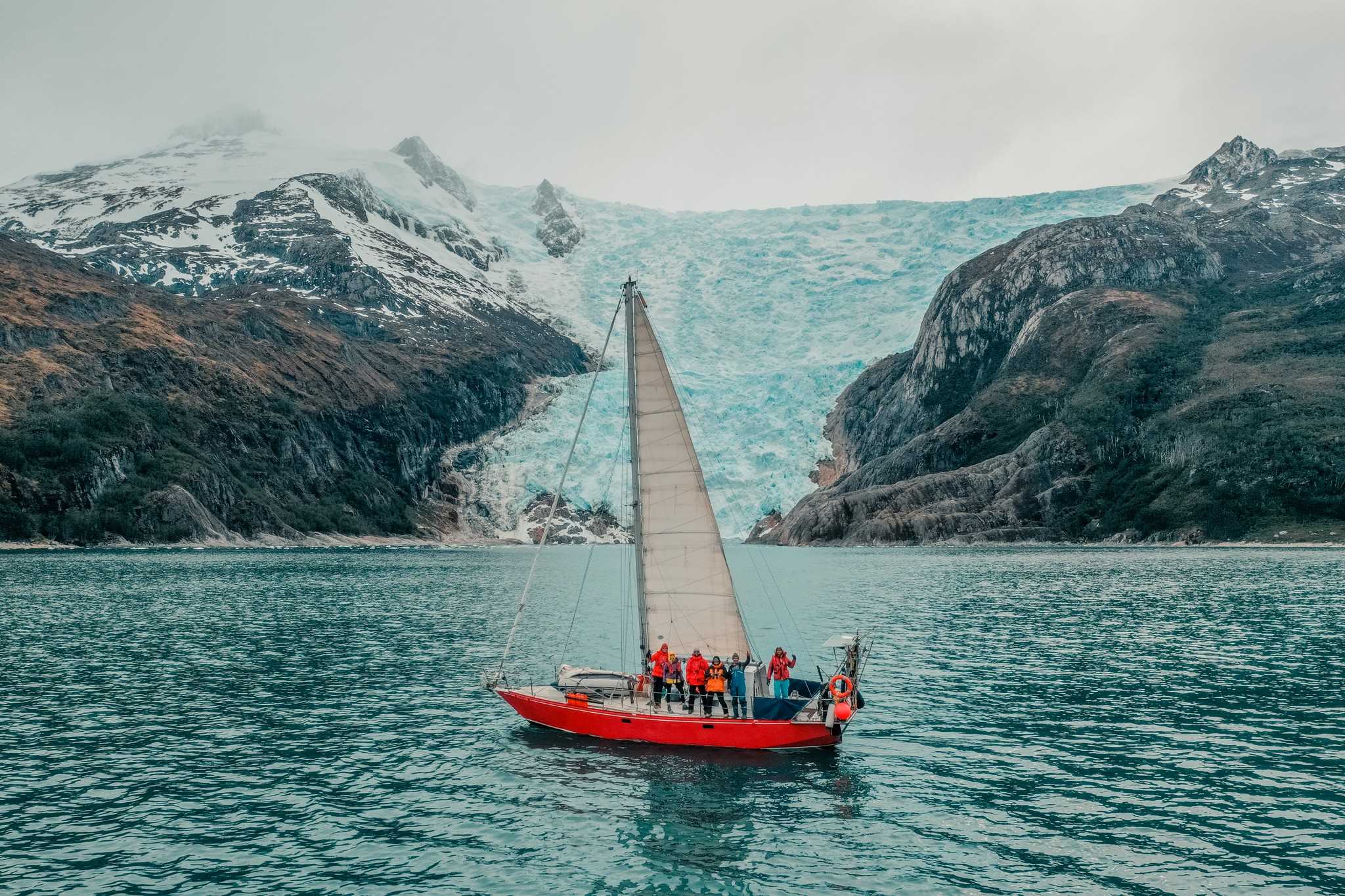 Darwin Range Patagonia Expedition (Cordillera Darwin)
Ushuaia, Puerto Williams, Beagle Channel, Darwin Range, Gordon Island, Hoste Island, Pia Fjord & Garibaldi Fjord
 Fly the Drake: Antarctic Express
Punta Arenas, King George Island, South Shetland Islands, Antarctic Peninsula, Antarctica & Drake Passage
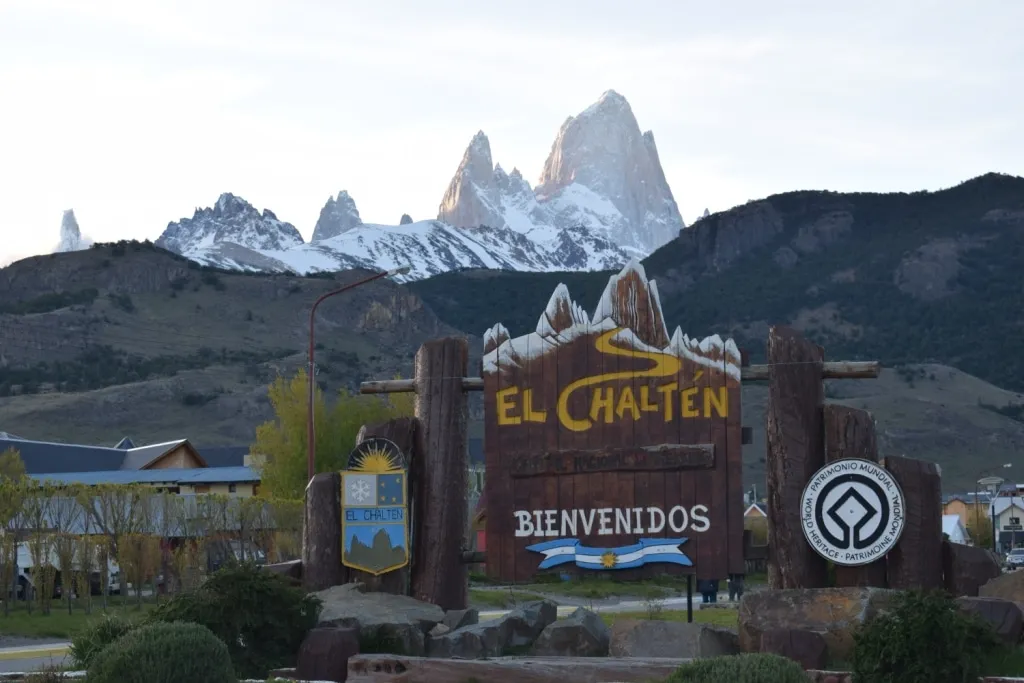 Patagonia Trekking Tour: El Calafate & El Chaltén
El Calafate, El Chaltén, Fitz Roy, Cerro Torre, Laguna de los Tres, Laguna Torre, Perito Moreno Glacier, Southern Patagonian Ice Field
 Patagonia Photo Tour
El Chaltén, El Calafate, Fitz Roy, Laguna de los Tres, Laguna Torre, Cerro Torre, Loma del Pliegue del Tumbado, Patagonia
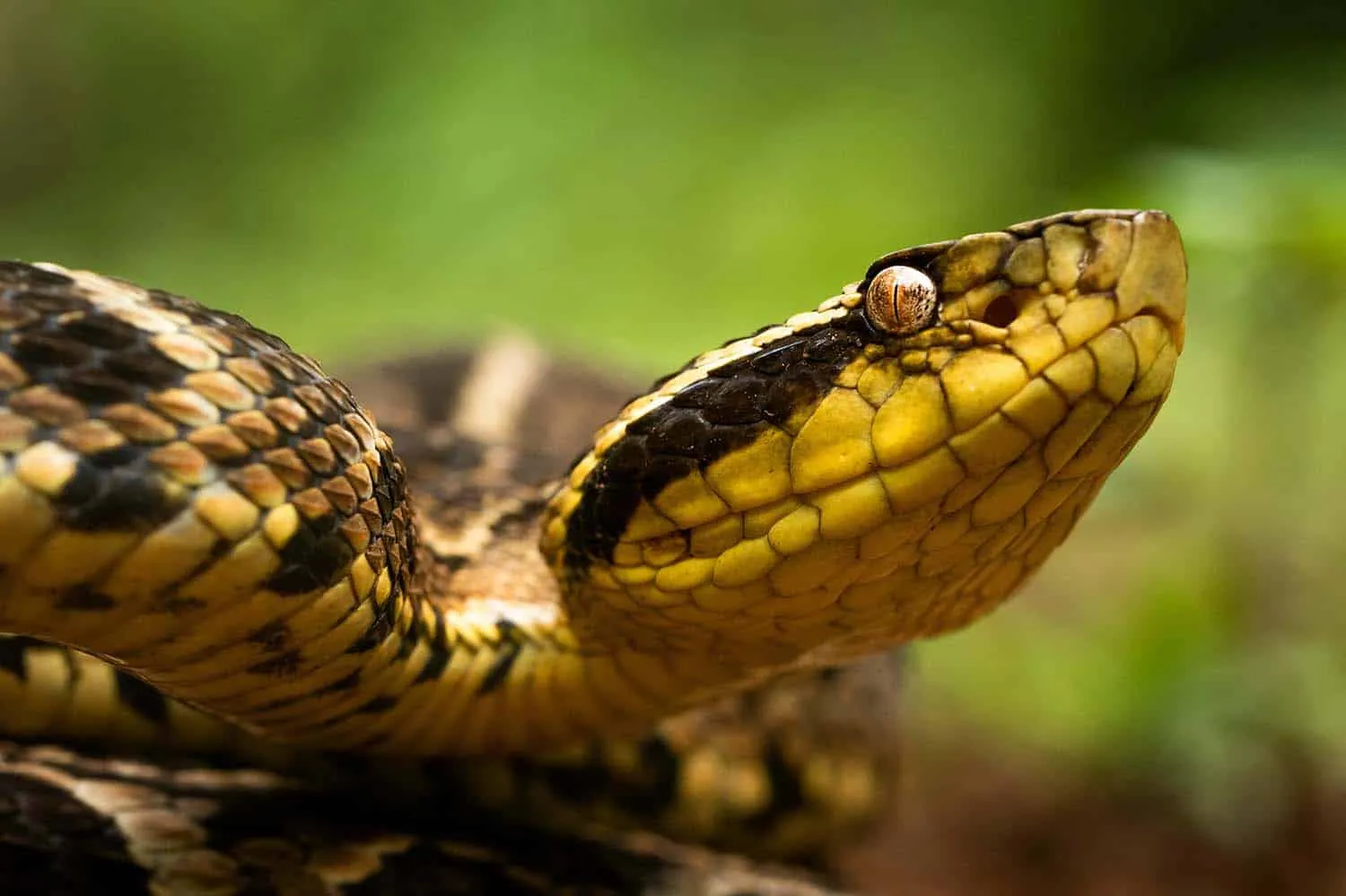 Argentina Herping Expedition
Buenos Aires, Iguazú Falls, Puerto Iguazú, Misiones, San Sebastián de la Selva, Iberá Wetlands, Posadas
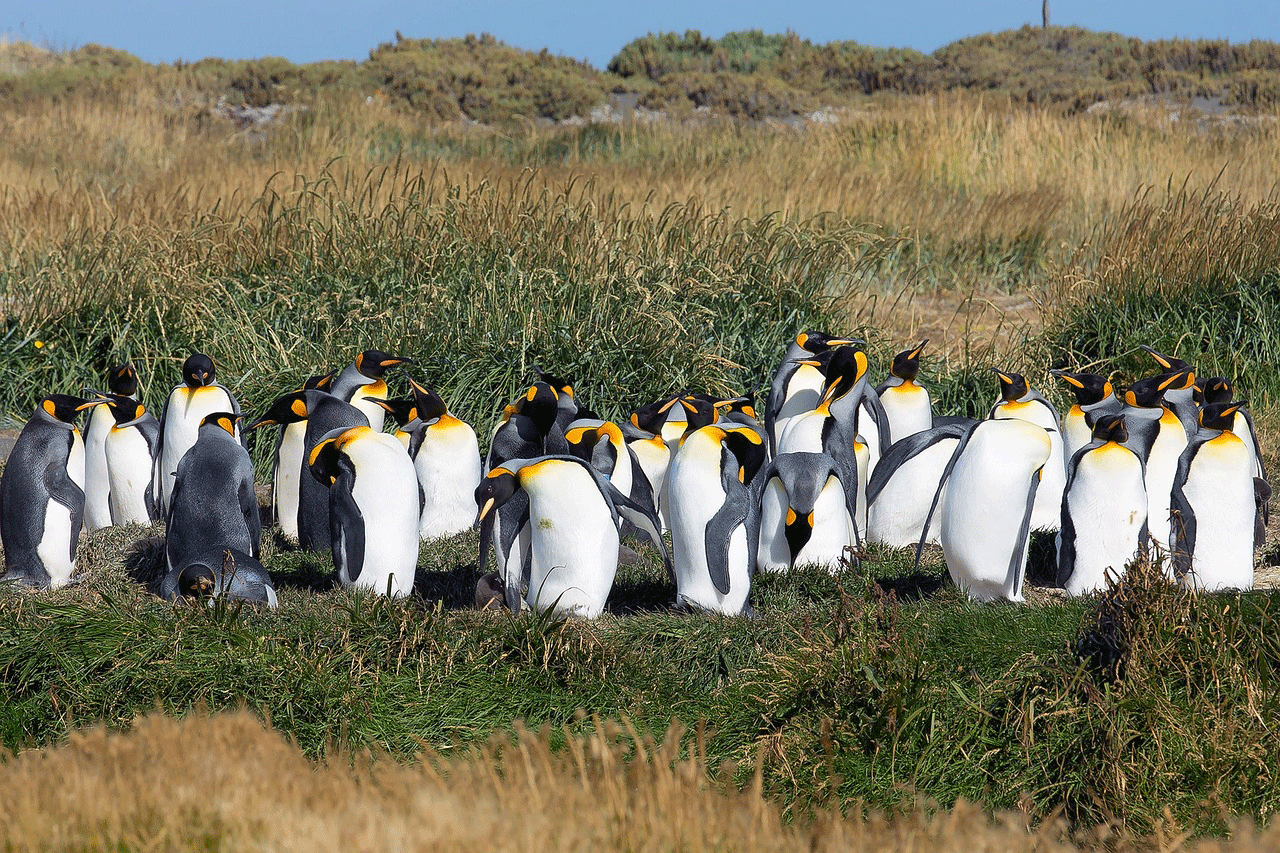 Patagonia Penguins Tour
Puerto Deseado, Peninsula Valdés, Ushuaia, Tierra del Fuego
Trips by Destination
In the following sections, you'll find tours focused on the main region you want to visit. They include traditional & thematic tours, interesting articles, and relevant information.
- Argentina
Custom-Made Experiences by Locals
 Patagonia
Custom-Made Experiences by Locals
 Chile
Custom-Made Experiences by Locals
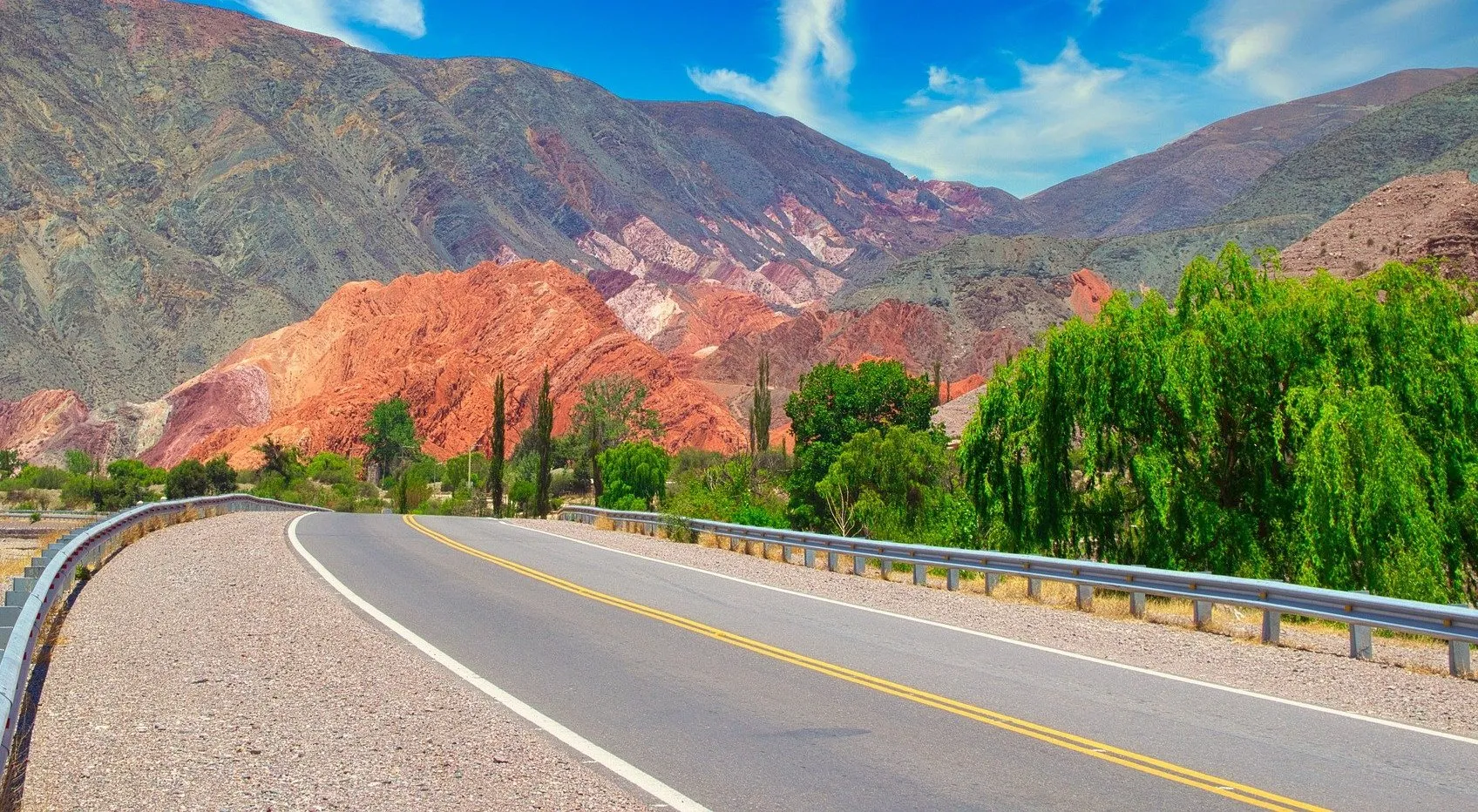 Northwest Argentina Holidays
Custom-Made Experiences by Locals
 Travel to Antarctica
Custom-Made Experiences by Locals
Tours by Travel Style
In the following sections, you'll find tours focused on the main region you want to visit. They include traditional & thematic tours, interesting articles, and relevant information. If your interest is focusing mainly in Chile or Antarctica, please visit our Chile and Antarctica sections.
 Classic Journeys
 Road Trips
 Hiking Adventures
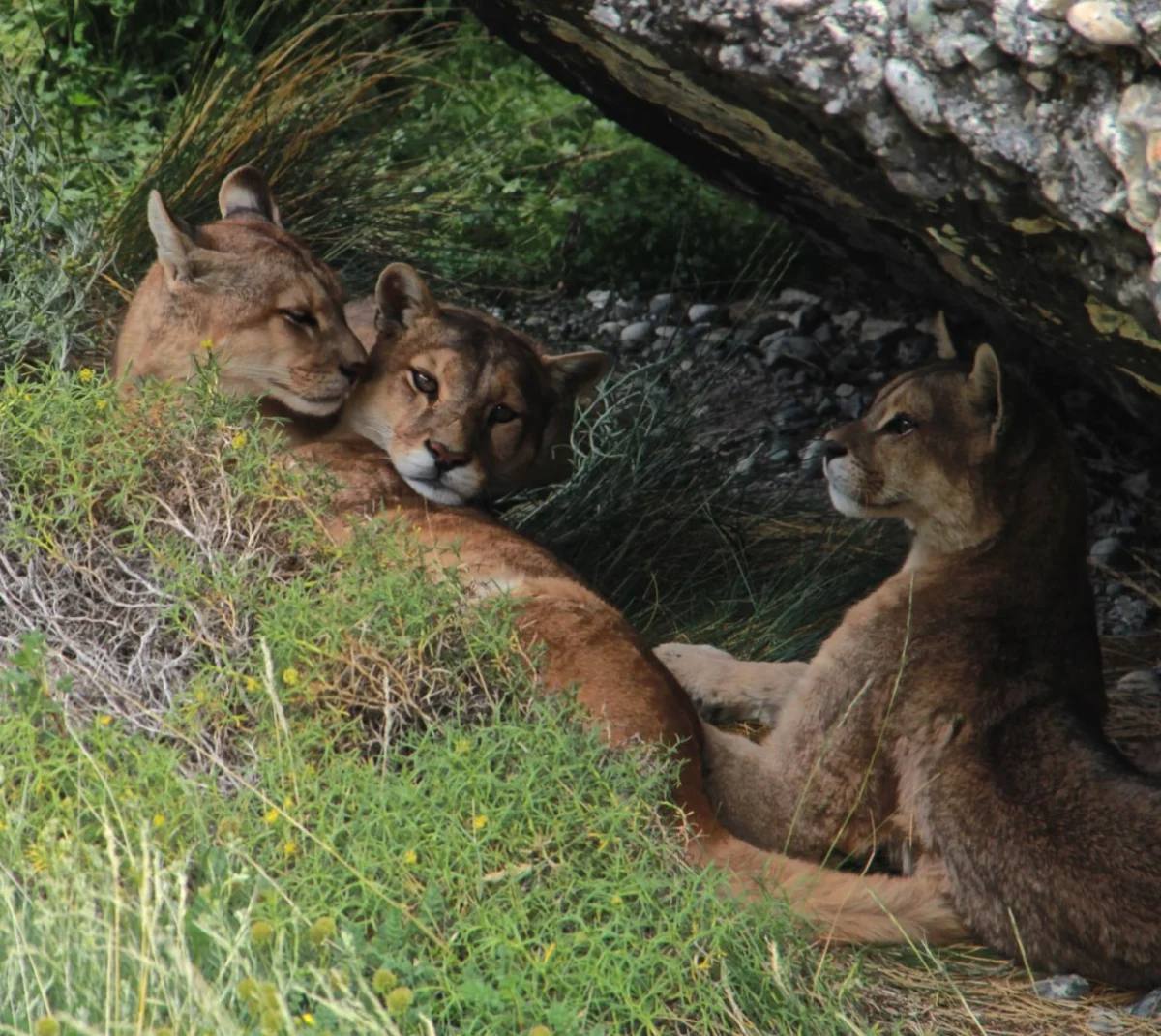 Wildlife Experiences
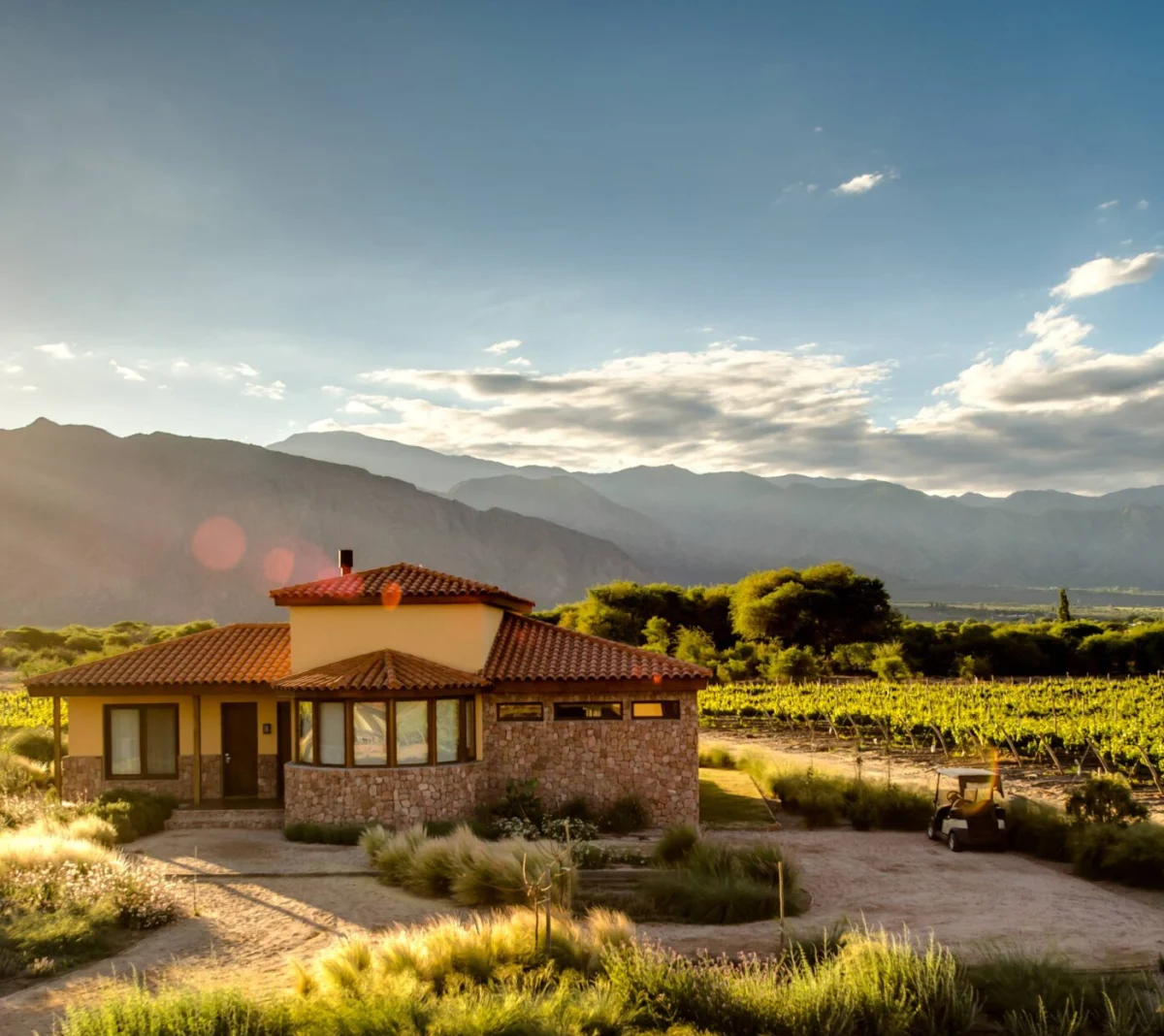 Luxury Escapes
 Foodies
 Honeymoon
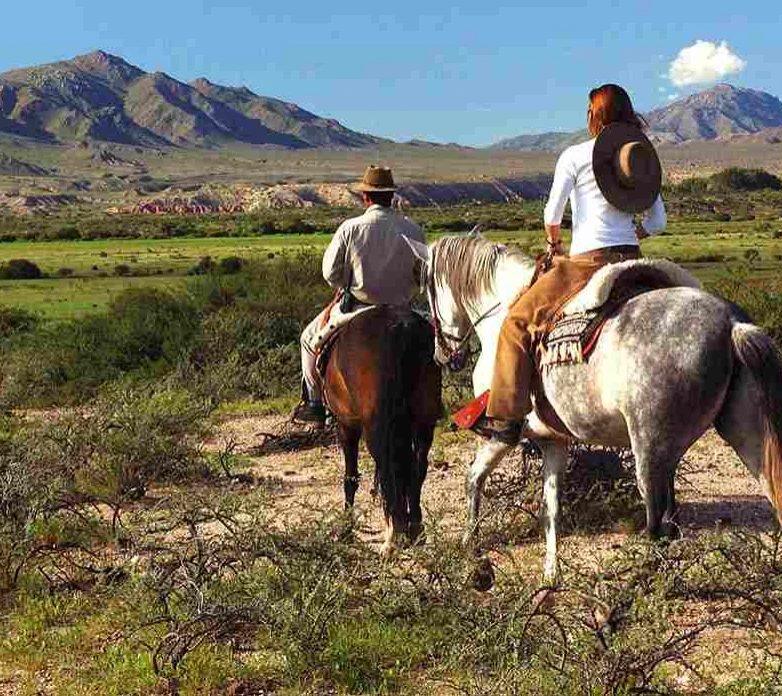 Family Travel
 Cruises