Jaguars in Argentina: A Wild Journey Through Their Habitat
Jaguars in Argentina are represented by the yaguareté (Panthera onca), the largest feline in the Americas. Once widespread across much of the country, the species now survives mainly in the Yungas…
Meet the Elusive Yaguareté
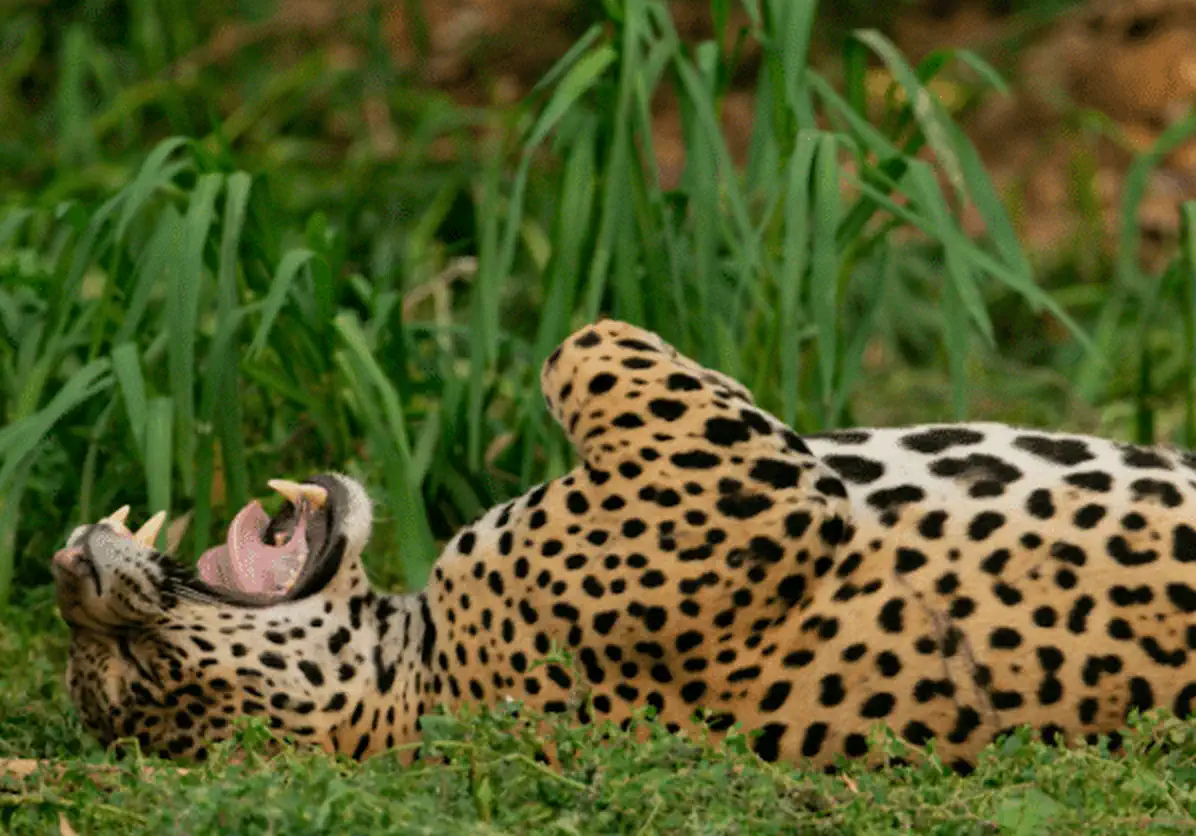
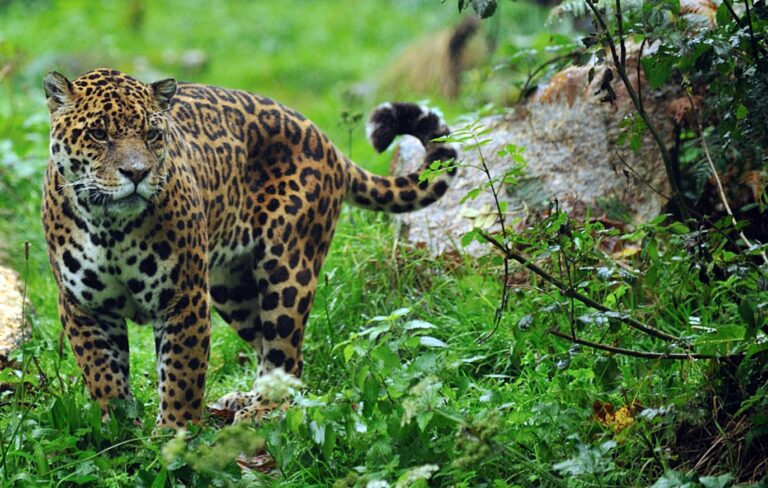
Jaguars in Argentina are represented by the yaguareté (Panthera onca), the largest feline in the Americas. Once widespread across much of the country, the species now survives mainly in the Yungas of Salta and Jujuy, the Atlantic Forest of Misiones, and parts of the Gran Chaco, while conservation programs are helping restore populations in areas where the yaguareté had disappeared. The species is considered critically endangered in Argentina, facing threats including habitat loss and degradation, poaching, and declining natural prey.
Yaguareté Facts: The Powerful Hunter of Argentina
The name yaguareté comes from Guaraní and means “true beast” or “verdadera fiera.” These adaptable predators are excellent swimmers and can hunt a wide variety of prey. In Argentina, their diet includes peccaries, brocket deer, capybaras, tapirs, agoutis, fish, and reptiles, reflecting their ability to thrive across different environments. The yaguareté is predominantly nocturnal, solitary, and elusive, making encounters in the wild particularly rare. It can travel around 10–15 km in a day and is capable of crossing major rivers such as the Paraná, Iguazú, and Bermejo. For anyone interested in Jaguars in Argentina, these characteristics help explain why spotting a wild yaguareté is such a rare experience, even in areas where populations are recovering. Its secretive behavior and remarkable adaptability are part of what makes this iconic feline so fascinating.
From Decline to Recovery: Protecting the Jaguar
Across the Americas, the jaguar has disappeared from significant portions of its historical range, which once extended from the southwestern United States through Central and South America. Habitat loss and fragmentation, poaching, declining prey populations, and human-wildlife conflict have contributed to the species' decline across much of its former territory. In Brazil, the Pantanal region, particularly around Porto Jofre, is renowned for its jaguar population and frequent sightings, making it an important destination for wildlife observation and conservation. Across the species' remaining range, conservation initiatives focus on protecting habitats, maintaining wildlife corridors, reducing illegal hunting, and supporting healthy prey populations. These efforts aim to preserve existing jaguar populations and help restore the species to parts of its former range.
Jaguars in Argentina: Habitat, Conservation and Reintroduction
The story of Jaguars in Argentina today is closely linked to the protection of the country’s remaining wild landscapes and the efforts to reconnect and restore populations. From the Yungas and Atlantic Forest to the Gran Chaco and Iberá Wetlands, different conservation strategies are being used to monitor yaguaretés, protect their habitats, maintain wildlife corridors, and reintroduce individuals where appropriate. Together, these efforts are shaping a new chapter in the conservation of one of Argentina’s most iconic native species
The Jaguar’s Historical and Current Range in Argentina
The jaguar once ranged across much of Argentina, with its historical distribution extending from the north to as far south as the Colorado River in Patagonia. Over time, habitat loss and degradation, poaching, declining prey populations, and human-wildlife conflict dramatically reduced its range. Today, Jaguars in Argentina occupy only a fraction of their former territory, with the species having lost approximately 95% of its historical distribution in the country. This dramatic decline makes habitat protection and population recovery important conservation priorities. Conservation initiatives focus on protecting remaining populations, restoring habitat and natural prey, reducing illegal hunting, and supporting reintroduction projects such as those in the Iberá Wetlands. Recent sightings and births of free-ranging jaguars in Iberá reflect the ongoing recovery effort in the region.
Protecting Wildlife Corridors for the Yaguareté
Because Jaguars in Argentina now survive in small and fragmented populations, protecting connections between remaining forest areas is an important part of conservation. Wildlife corridors allow animals to move between suitable habitats, helping maintain connectivity between populations and supporting their long-term recovery. Argentina’s national conservation strategy identifies habitat connectivity and the protection of corridors as priorities, particularly across the Yungas, Atlantic Forest, and Gran Chaco. Protecting these connections alongside national parks and other protected areas can help create a more continuous landscape for the yaguareté.
Tracking Yaguaretés in the Wild
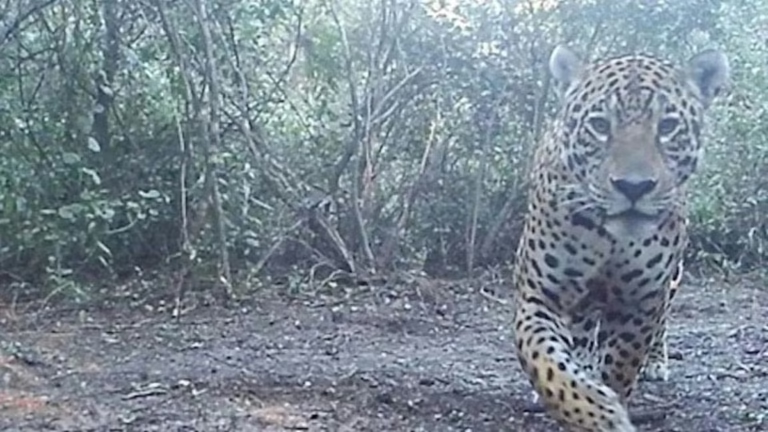
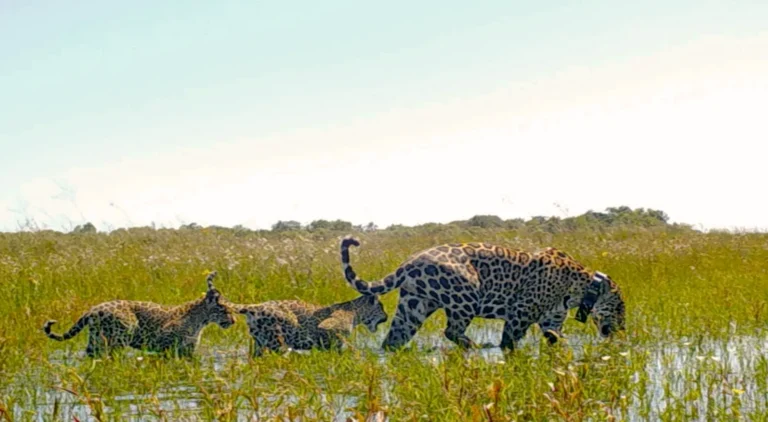
Monitoring is an essential part of conservation efforts for Jaguars in Argentina, helping researchers understand where these elusive cats live and how populations are recovering. Camera traps are used to identify individual animals, monitor their movements, and gather information that can help assess habitat connectivity and wildlife corridors. In the Yungas, monitoring has included Calilegua and Baritú national parks, while reintroduced yaguaretés can also be fitted with satellite collars to track their movements and better understand how they adapt to their new environment. Together, these tools provide valuable data for guiding conservation efforts and protecting the species in the wild.
Fundación Rewilding Argentina: A Call to Action
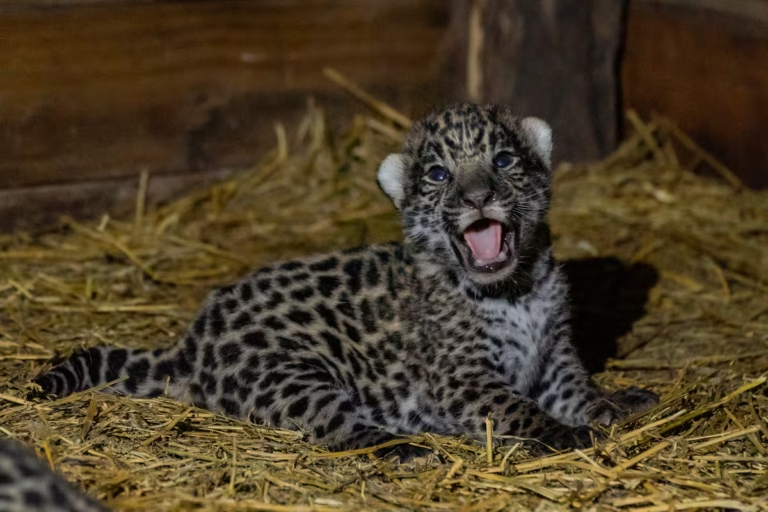
This group of conservationists and activists from Fundación Rewilding Argentina is playing an increasingly important role in the recovery of Jaguars in Argentina, working to restore ecosystems, protect wildlife, and bring native species back to areas where they have declined or disappeared. Rather than focusing solely on protecting the animals that remain, their approach seeks to restore healthy ecosystems in which native species can once again fulfill their natural ecological roles. In places such as the Iberá Wetlands and El Impenetrable National Park, conservation programs have supported the return of the yaguareté through carefully planned releases, reintroduction, and population supplementation. The birth of cubs in the wild is an especially significant milestone, demonstrating that reintroduced animals can reproduce and contribute to free-ranging populations.
Iberá: A New Stronghold for the Yaguareté
Fortunately, conservation efforts are helping restore populations of Jaguars in Argentina, particularly in the Iberá Wetlands of Corrientes Province. The Iberá ecosystem offers favorable conditions for jaguar reintroduction, with extensive protected areas, abundant wildlife, and relatively low human presence providing suitable conditions for the species. At the heart of the project is the Jaguar Reintroduction Center (CRY) on San Alonso Island, where jaguars have been bred and prepared for release into the wild. The program aims to establish a healthy, self-sustaining population and restore the yaguareté as a top predator within the Iberá ecosystem. The results have been encouraging. In July 2022, Arami, a female born at the reintroduction center and released into the wild in 2021, and Jatobazinho, a male brought from Brazil, became parents to two cubs conceived and born in freedom within Iberá. Their birth marked the first time in 70 years that jaguars had been conceived and born freely in the wetlands, representing an important milestone in the restoration of the species. The population has continued to grow. As of May 2026, Argentina’s National Parks Administration reported more than 50 free-ranging yaguaretés in Iberá. The same report documented Ombú, a young male born in the wild in Iberá, highlighting the growing presence of wild-born jaguars within the restored ecosystem.
Yaguaretés Return to El Impenetrable
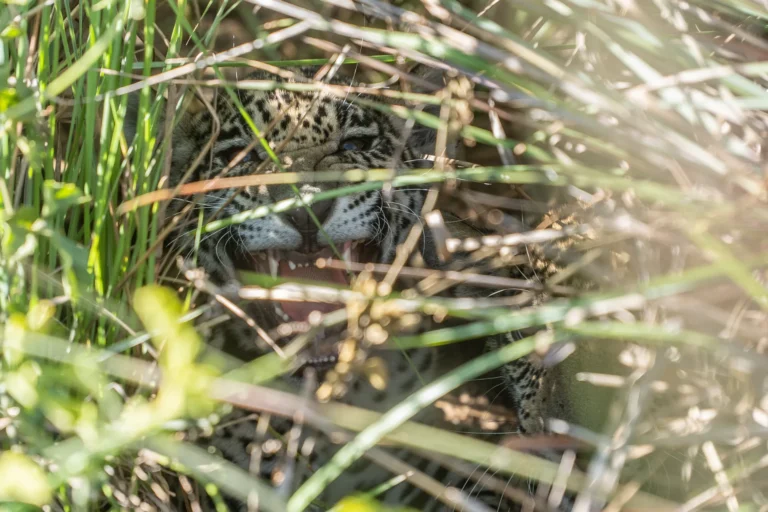
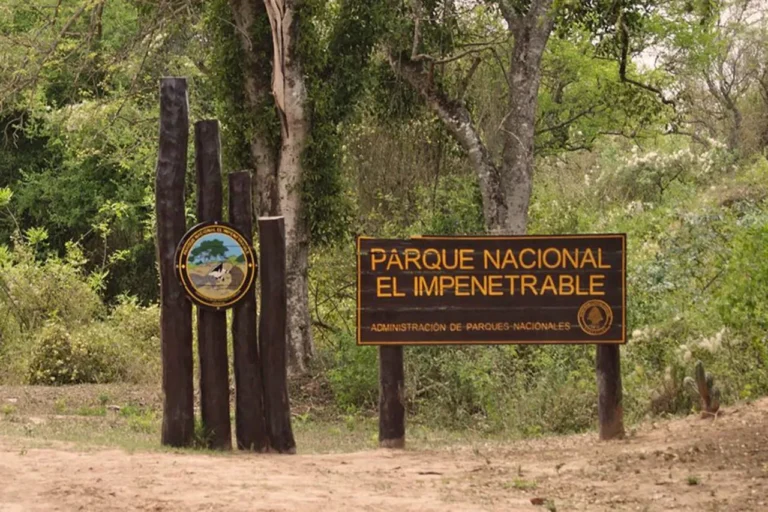
Conservation efforts are also helping restore Jaguars in Argentina in the Gran Chaco, particularly at El Impenetrable National Park in Chaco Province. In March 2025, Miní, a yaguareté born in the wild in Iberá, became the first wild-born yaguareté to be translocated between Argentine national parks for conservation purposes and was released in El Impenetrable. The project reached another important milestone in August 2025, when researchers recorded a wild-born cub in the park—the first documented birth in the wild since the supplementation project began. Together, these developments highlight ongoing efforts to rebuild a viable yaguareté population in one of the species' most threatened regions in Argentina.
Wildlife Watching and Jaguars in Argentina
For those interested in wildlife watching in Argentina, several protected areas offer opportunities to explore landscapes where Jaguars in Argentina are being protected and restored. The Iberá Wetlands in Corrientes are now home to a growing free-ranging population, while Iguazú National Park in Misiones protects an important part of the species’ remaining Atlantic Forest habitat and forms part of the broader Green Corridor. In El Impenetrable National Park in Chaco, conservation programs are working to rebuild the yaguareté population through reintroduction and supplementation. Recent monitoring has recorded wild yaguaretés in both Iberá and Iguazú, including a young male born in the wild in Iberá. While sightings can never be guaranteed, visiting these protected areas offers a chance to discover the ecosystems where one of Argentina’s most iconic wild cats continues to be protected and restored.
Let's plan your personalized experience
Beyond BA Latam is a local travel agency based in Argentina that designs personalized tours in Argentina, Chile and Antarctica. We are very proud to work with a knowledgeable team capable to design trips based on your interests and traveling style. We are able to bring you a different and more enjoyable experience.
Related Articles
 Ibera National Park: An Incredible Wildlife Destination
Located in the geographical heart of Corrientes Province, Ibera National Park is one of the most impressive, yet still lesser-known, destinations to experience Argentina’s native flora and fauna.…
- El Impenetrable National Park – Argentina’s New Frontier of Wilderness
El Impenetrable National Park, located in the heart of the Gran Chaco region, is one of Argentina’s newest and most ambitious conservation areas. Created in 2014, this vast protected area covers…
 Wild Cats of Argentina
 are among the country’s most fascinating and elusive wildlife species. From the mighty jaguar roaming subtropical forests to the tiny kodkod hidden deep within Patagonian…
 Misiones Rainforest
The Misiones Rainforest, located in northeastern Argentina, is a biodiverse and ecologically rich region that shelters an extraordinary variety of plant and animal species beneath its lush green…
- Ocelot (Leopardus pardalis) – The Elusive Jungle Stalker of Northern Argentina
The Ocelot (Leopardus pardalis) is one of the most striking and adaptable wild cats in the Americas. Known for its sleek spotted coat and stealthy movements, the Ocelot (Leopardus pardalis) is a…
 Ecotourism in Argentina: Unforgettable Nature Experiences
The concept of Ecotourism in Argentina can be reflected in many different ways, but only a few destinations combine all the elements that define it. Among these sites, two areas stand out as role…
- Giant Anteater – The Flagship Species of Argentina’s Grasslands
Giant Anteater (Myrmecophaga tridactyla) is one of South America’s most iconic and unusual mammals. With its elongated snout, bushy tail, and slow, deliberate movements, the Giant Anteater seems…
- Giant Otter – The River Guardian of Northern Argentina
The Giant Otter (Pteronura brasiliensis) is one of the most extraordinary and charismatic animals in South America’s freshwater ecosystems. As the largest otter species in the world, it plays a…
Inspiring Tours
 Patagonia Wildlife Safari
Peninsula Valdés, Puerto Madryn, El Calafate, Torres del Paine National Park & Puerto Natales
 Wildlife: Peninsula Valdes, the Wetlands & Iguazu Falls
Buenos Aires, Peninsula Valdés, Iberá Wetlands, Iguazú Falls
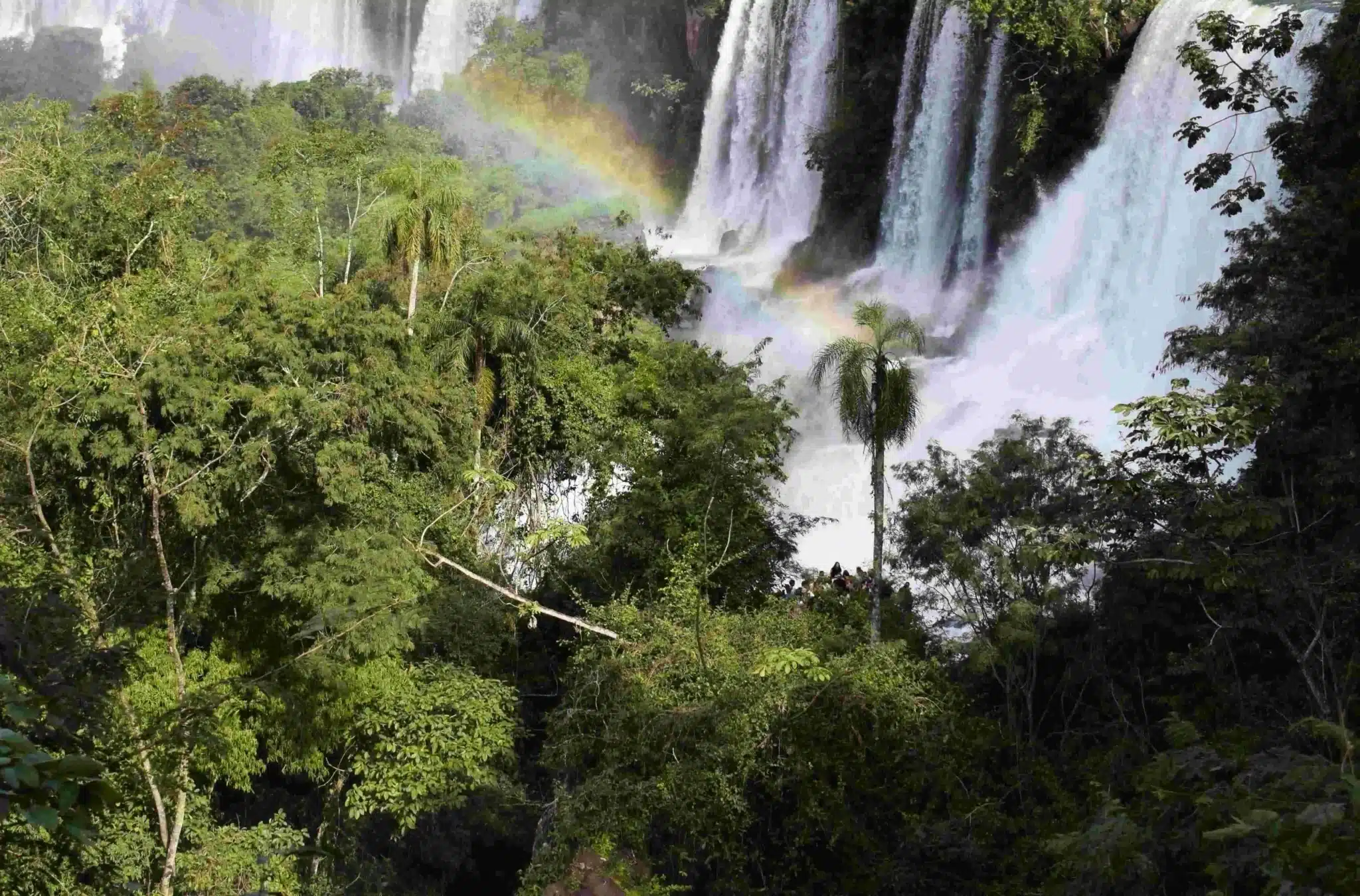 Misiones province & Ibera Wetlands- Wildlife & Nature tour
Misiones, Iberá Wetlands, Iguazú Falls, Atlantic Forest
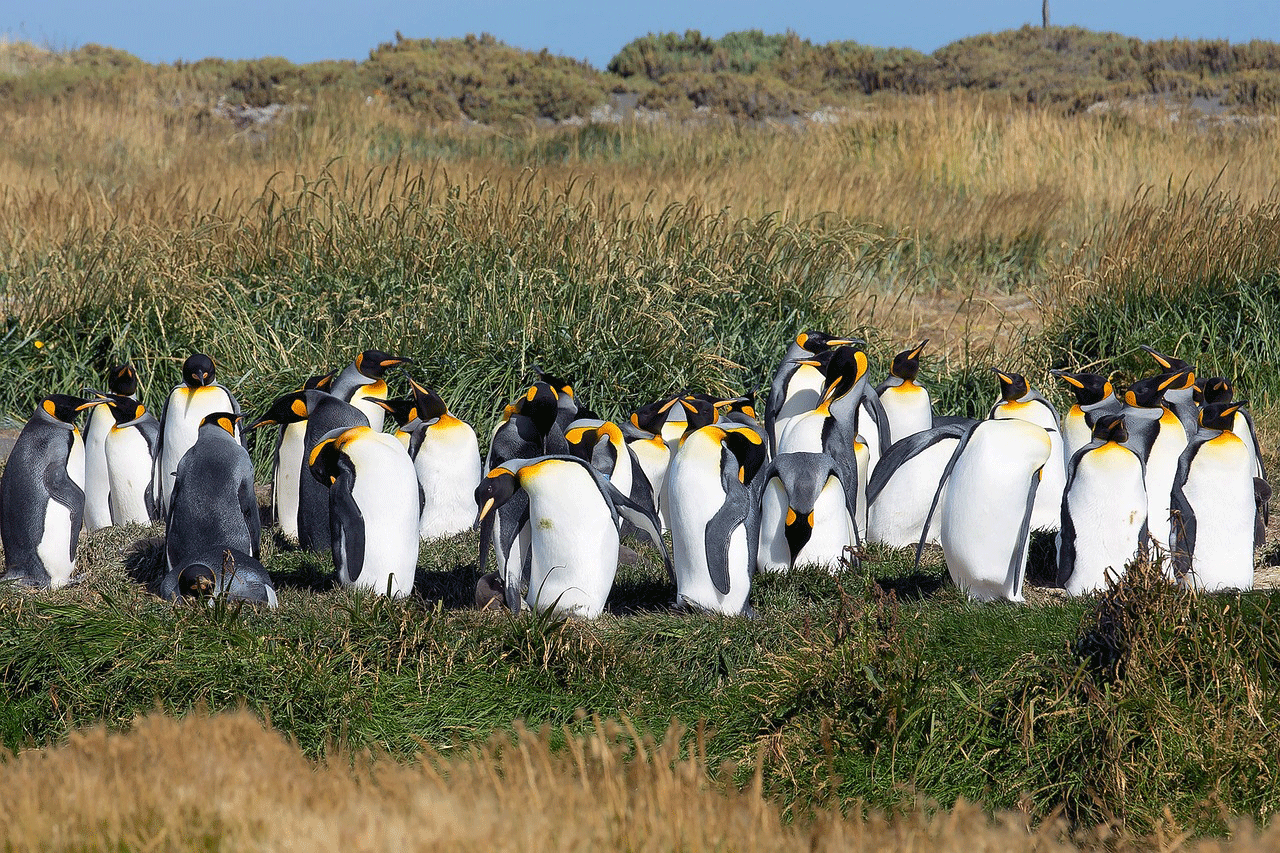 Patagonia Penguins Tour
Puerto Deseado, Peninsula Valdés, Ushuaia, Tierra del Fuego
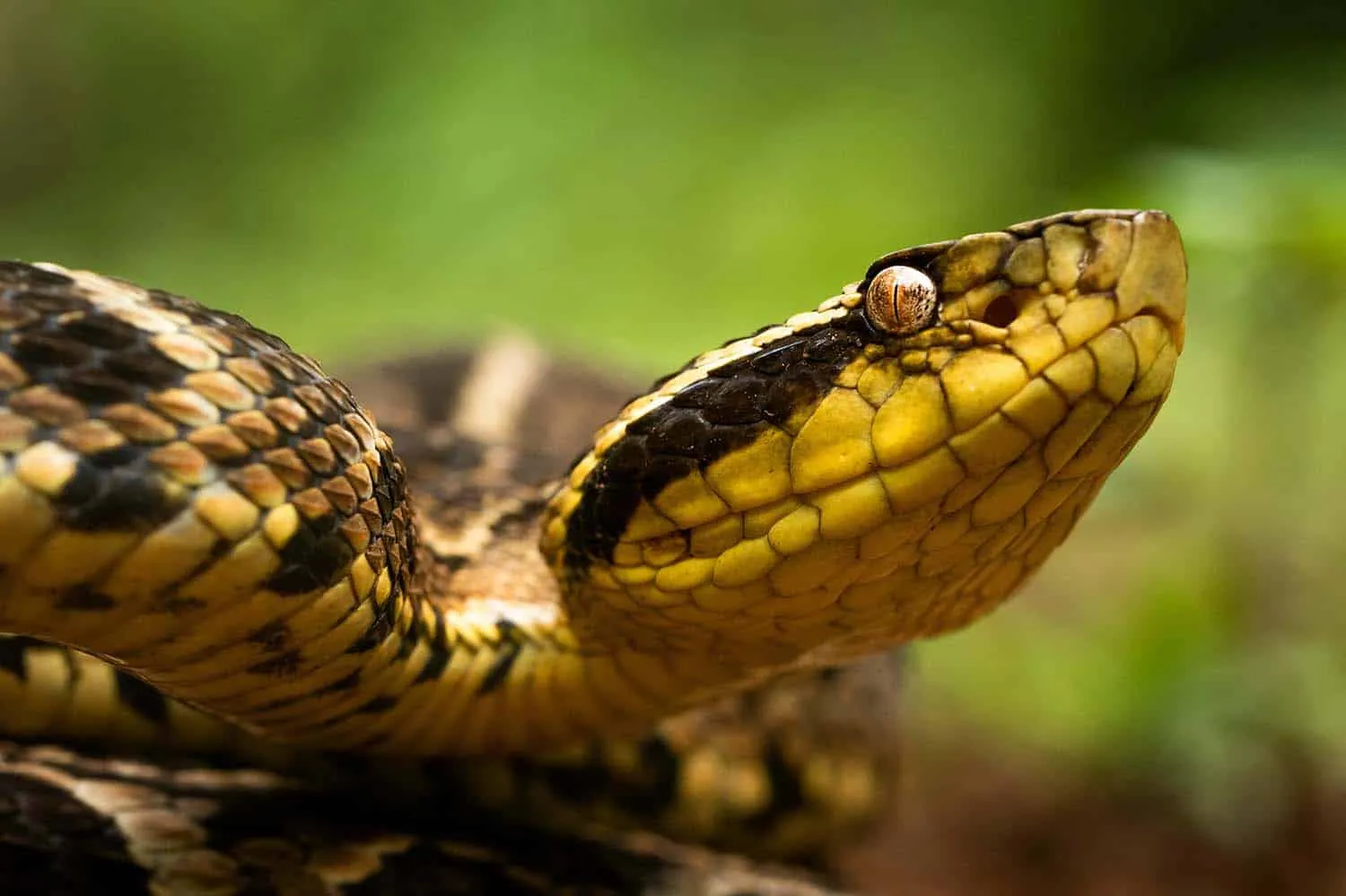 Argentina Herping Expedition
Buenos Aires, Iguazú Falls, Puerto Iguazú, Misiones, San Sebastián de la Selva, Iberá Wetlands, Posadas
Trips by Destination
In the following sections, you'll find tours focused on the main region you want to visit. They include traditional & thematic tours, interesting articles, and relevant information.
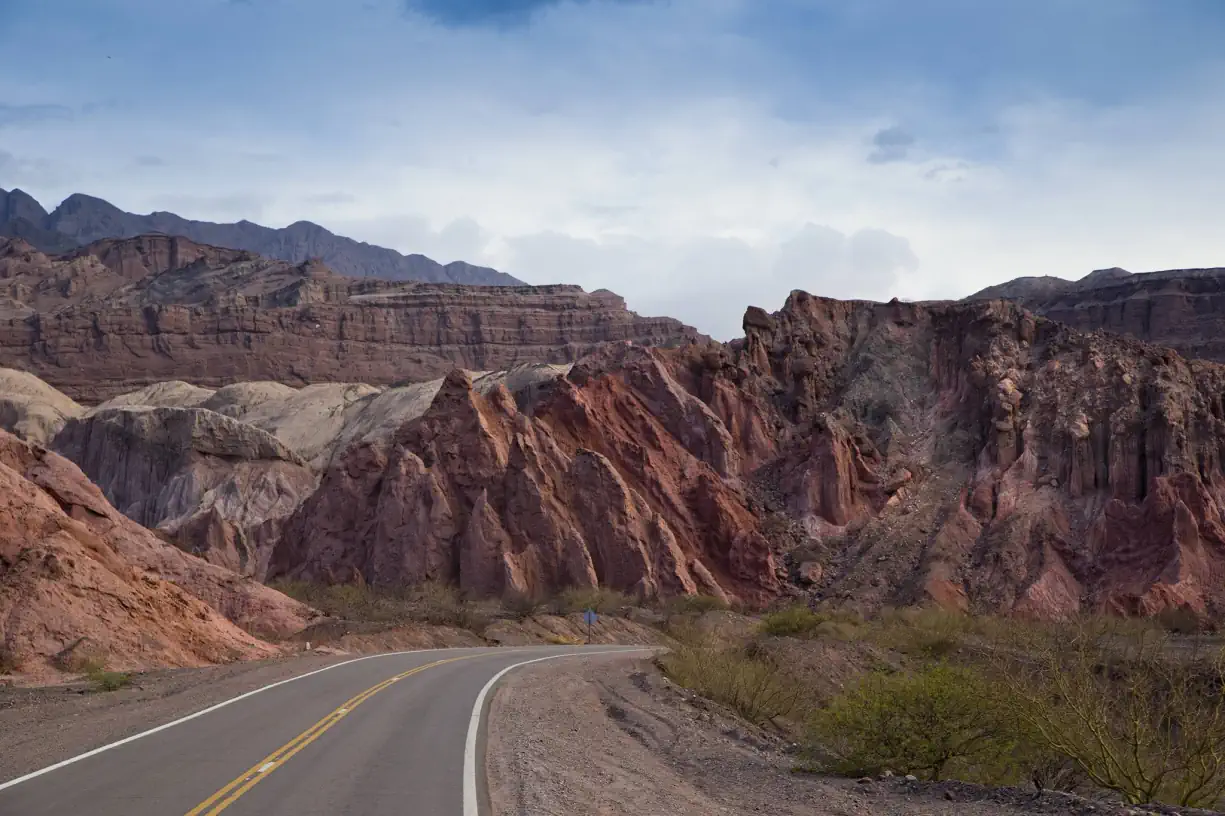 Argentina
Custom-Made Experiences by Locals
 Patagonia
Custom-Made Experiences by Locals
 Chile
Custom-Made Experiences by Locals
 Northwest Argentina Holidays
Custom-Made Experiences by Locals
 Travel to Antarctica
Custom-Made Experiences by Locals
Tours by Travel Style
In the following sections, you'll find tours focused on the main region you want to visit. They include traditional & thematic tours, interesting articles, and relevant information. If your interest is focusing mainly in Chile or Antarctica, please visit our Chile and Antarctica sections.
 Classic Journeys
 Road Trips
 Hiking Adventures
 Wildlife Experiences
 Luxury Escapes
 Foodies
 Honeymoon
 Family Travel
 Cruises