Jabirú (Jabiru mycteria) – The Giant Stork of Northern Argentina
The Jabirú (Jabiru mycteria) is South America’s largest flying bird and one of the most impressive species for birdwatchers exploring Argentina’s wetlands. With its immense size, striking…
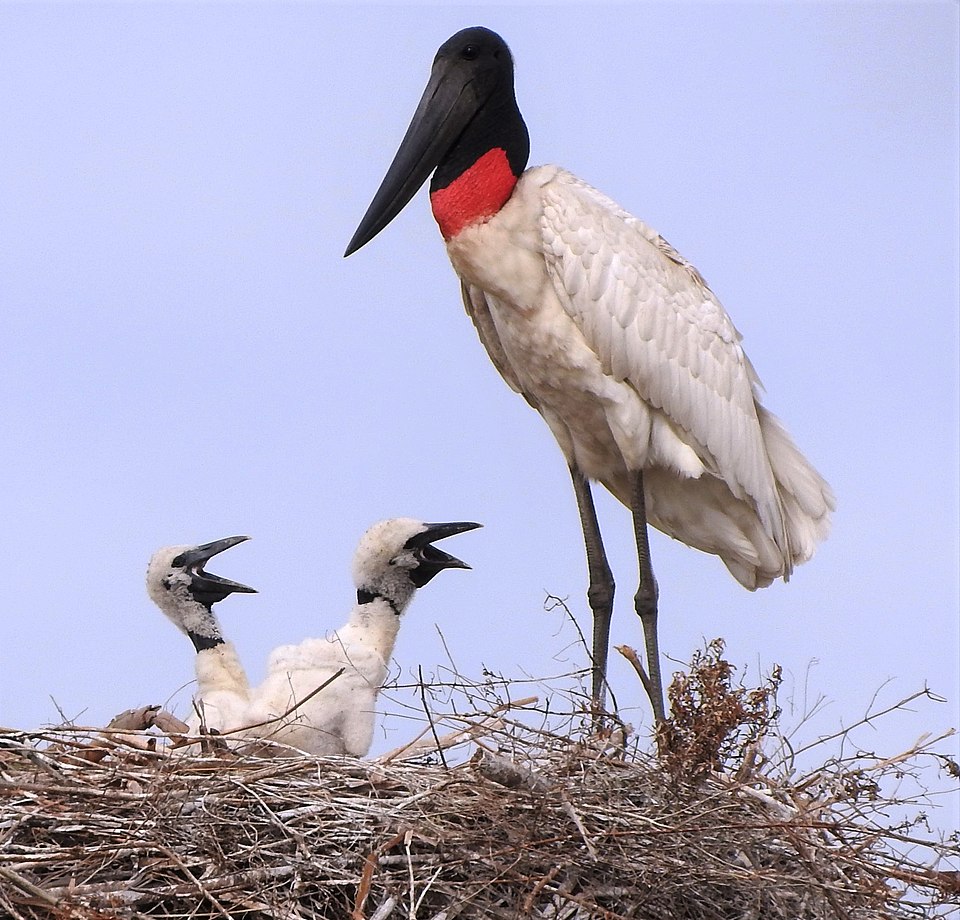
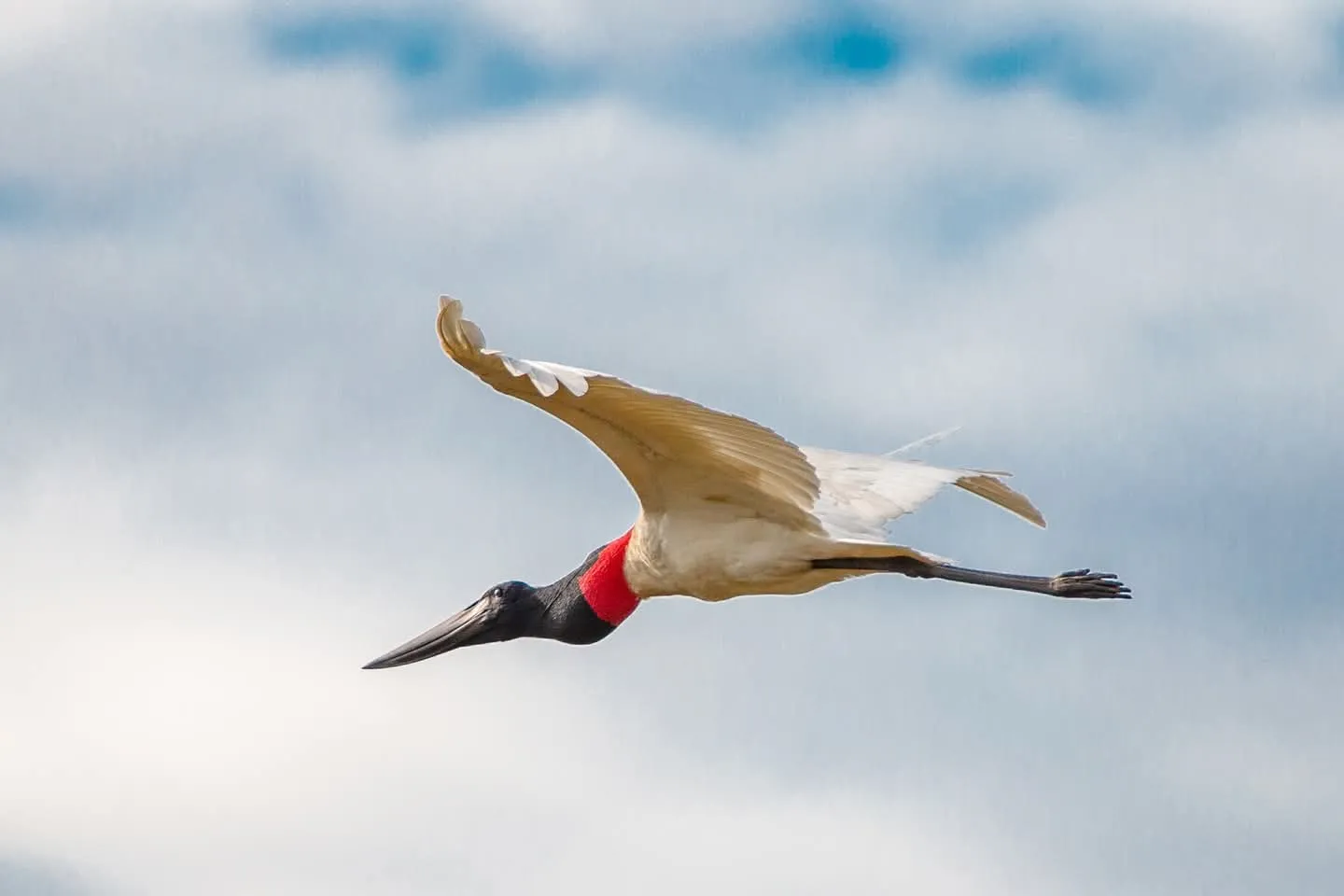
The Jabirú (Jabiru mycteria) is South America’s largest flying bird and one of the most impressive species for birdwatchers exploring Argentina’s wetlands. With its immense size, striking coloration, and silent flight, the Jabirú (Jabiru mycteria) is a powerful symbol of the country’s rich birdlife. Its name comes from the Guaraní language and means “swollen neck,” referring to its distinctive red throat pouch.
In Argentina, the Jabirú (Jabiru mycteria) is most commonly found in the northeastern regions, especially in landscapes filled with marshes, floodplains, and shallow lagoons, where it plays an important ecological role as both predator and scavenger.
Where to See the Jabirú (Jabiru mycteria)
The Jabirú inhabits several wetland ecosystems across northern Argentina, including:
- Iberá Wetlands (Corrientes Province)
- Formosa and Chaco Provinces
- Occasional sightings in Misiones, Santa Fe, and northern areas of Santiago del Estero
Preferred habitats include:
- Shallow lagoons
- Flooded grasslands
- Riverbanks and estuaries
The Jabirú (Jabiru mycteria) is especially visible during the dry season, when receding water levels concentrate fish and other prey in smaller bodies of water.
Physical Characteristics
This enormous stork is unmistakable in the wild:
- Height: Up to 1.5 meters (5 feet)
- Wingspan: More than 2.5 meters (8 feet)
- Weight: 6–8 kg (13–17 lbs)
- Coloration: Bright white plumage with a black bald head and neck
- Throat pouch: Bare skin on the neck is vivid red and may inflate during displays
- Bill: Thick, straight, and black, ideal for catching slippery prey
The immense size and graceful silent flight of the Jabirú (Jabiru mycteria) make it a majestic presence above wetlands and open skies.
Behavior and Diet
Jabirús are generally solitary or found in pairs, although they occasionally gather near abundant food sources.
What Does the Jabirú Eat?
- Fish
- Frogs
- Snakes
- Insects
- Small mammals
Feeding Behavior
- They forage in shallow water, using their large bill to probe mud and capture prey
- They also scavenge dead animals, helping maintain wetland ecosystem health
- They are most active during daylight hours and often remain motionless while hunting
Picture of a Jabirú below, by Gmmv1980.
Nesting and Reproduction
- Jabirús build massive stick nests in tall trees, often reusing and expanding them every year
- Nests can exceed 1.5 meters in width and weigh hundreds of kilograms
- They usually lay 2–4 eggs, and both parents participate in incubation and chick care
- Young Jabirús remain with their parents for several months after hatching
The Jabirú (Jabiru mycteria) is also known for its strong territorial behavior during the breeding season.
Conservation Status
In Argentina, the Jabirú (Jabiru mycteria) is classified as Near Threatened, mainly because of:
- Wetland drainage and habitat degradation
- Agricultural expansion and pollution
- Loss of suitable nesting trees
Fortunately, populations within protected areas such as Iberá National Park remain stable. In addition, rewilding and conservation programs are helping restore healthy wetland ecosystems that benefit the Jabirú and many other species.
Wildlife Tours in Argentina
Majestic, rare, and unforgettable, the Jabirú (Jabiru mycteria) is one of Argentina’s most iconic birds. Its enormous wingspan and elegant silhouette create unforgettable moments for travelers and birdwatchers alike. For visitors exploring the Iberá Wetlands or El Impenetrable National Park, spotting a Jabirú at sunset is often one of the highlights of a wildlife journey through northern Argentina.
We are a local tour operator based in Buenos Aires, offering tailor-made tours throughout Argentina and Chile. Contact us to start planning your next unforgettable South American adventure.
Get Inspired by Our Travel Ideas
Puma Tracking Tour and Orca Watching
Misiones Province & Iberá Wetlands
Orca Whale Watching in Patagonia Argentina
Iguazú Falls, Peninsula Valdés and the Wetlands
Where to See Penguins in Patagonia
Peninsula Valdés Wildlife Tour
Let's plan your personalized experience
Beyond BA Latam is a local travel agency based in Argentina that designs personalized tours in Argentina, Chile and Antarctica. We are very proud to work with a knowledgeable team capable to design trips based on your interests and traveling style. We are able to bring you a different and more enjoyable experience.
Related Articles
- Birds of the Ibera Wetlands: A Spectacular Wildlife Experience
The Iberá Wetlands, located in Corrientes Province in northeastern Argentina, are one of South America’s most important biodiversity reserves. Covering more than 13,000 km², the Iberá Wetlands form…
 Ibera National Park: An Incredible Wildlife Destination
Located in the geographical heart of Corrientes Province, Ibera National Park is one of the most impressive, yet still lesser-known, destinations to experience Argentina’s native flora and fauna.…
- Birds of Argentina
With more than 1,000 bird species, Argentina is one of the most diverse birding destinations in South America. From the colorful species of the north to the majestic seabirds of Patagonia, the country…
 Bañado La Estrella – Argentina’s Hidden Wetland Gem
Bañado La Estrella, located in the remote province of Formosa, is one of Argentina’s largest and most biodiverse wetland systems—second only to the Iberá Wetlands. Spanning more than 400,000 hectares…
 Marsh Deer – The Largest Deer in South America
The marsh deer (Blastocerus dichotomus) is the largest deer species in South America and one of the most emblematic mammals of the Argentine wetlands. Known for its reddish-brown coat, large black…
- Yacaré Caiman – Argentina’s Prehistoric Reptile
Found across the wetlands of northern Argentina, the Yacare Caiman is one of the most iconic reptilian inhabitants of the region. These crocodilian creatures—often seen basking along riverbanks or…
 Capybaras in Argentina: Fascinating Wildlife & Where to See Them
If you’re fascinated by wildlife, Capybaras in Argentina are a fascinating species to encounter. Known locally as carpinchos, these gentle semi-aquatic mammals are the largest rodents in the world and…
Inspiring Tours
 Argentina and Chile Culture: Discover Art, Architecture & Heritage
Buenos Aires, Purmamarca, Salta, Mendoza and Santiago de Chile
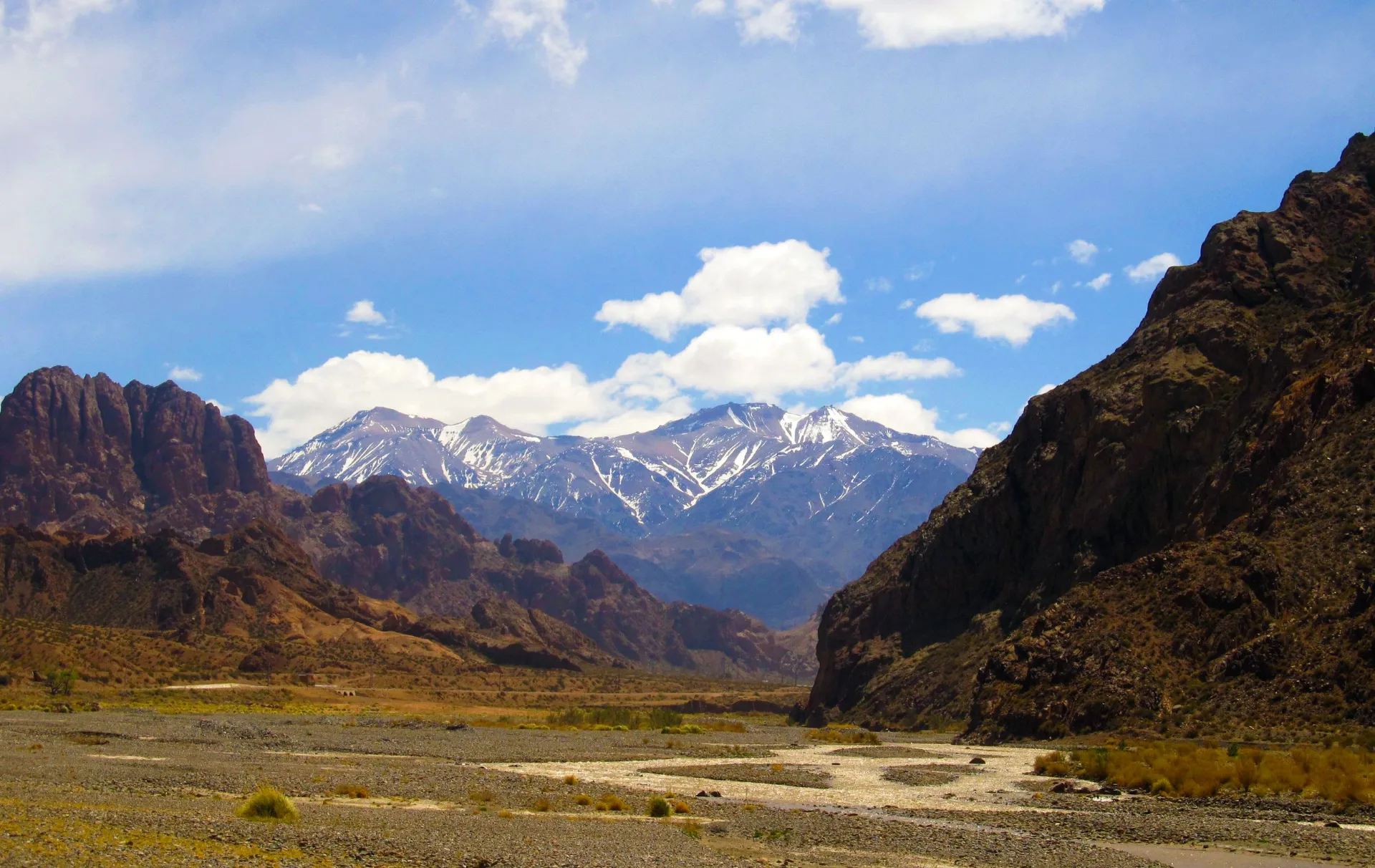 Mendoza Luxury Holiday & Hiking in Aconcagua Park
Buenos Aires - Bariloche - Mendoza
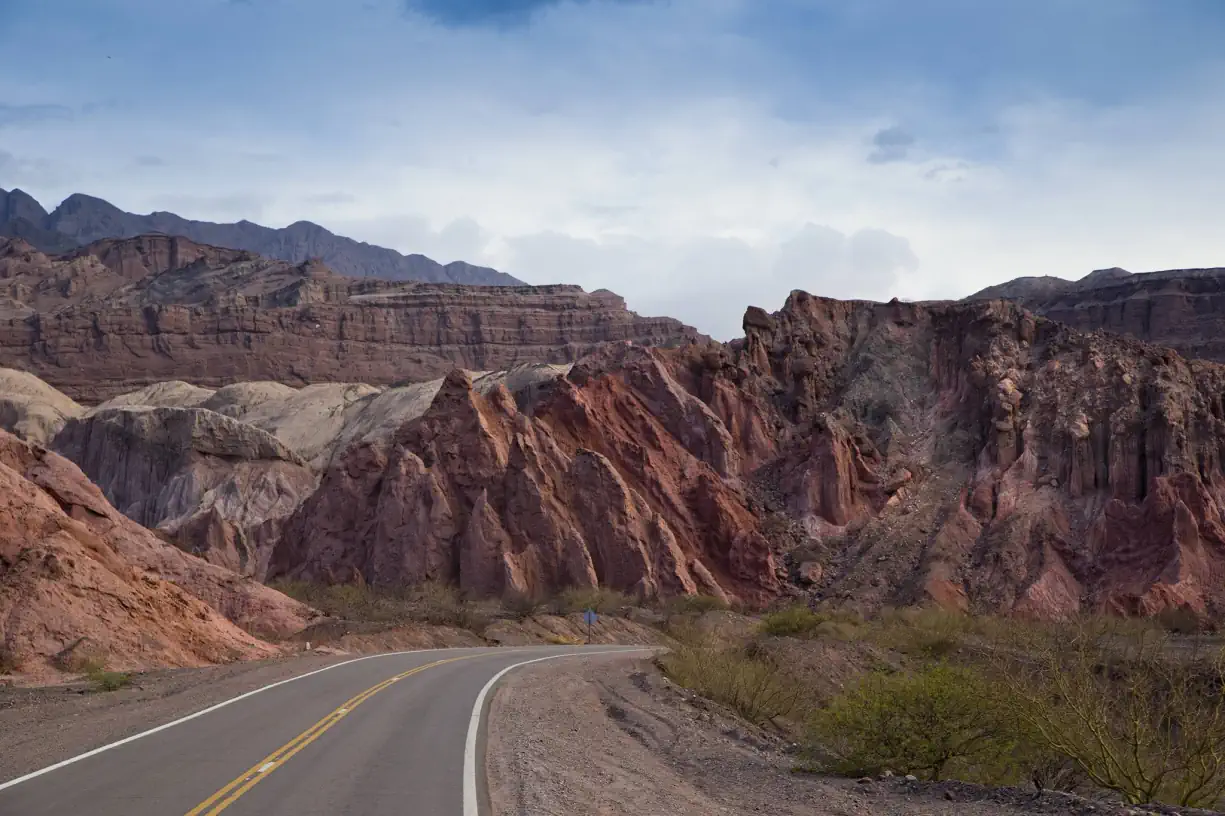 Jujuy & Salta - Hiking & Comfort
Salta - Jujuy
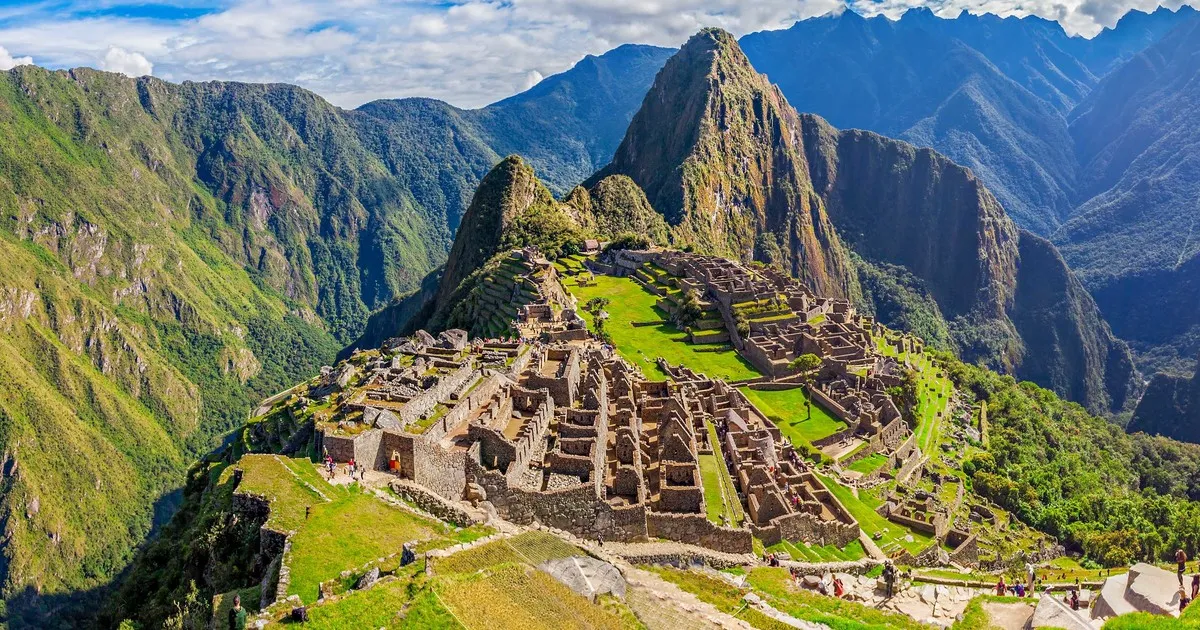 Trek South America's Highlights
Cusco, Santiago de Chile, Puerto Natales, El Calafate, El Chaltén y Buenos Aires
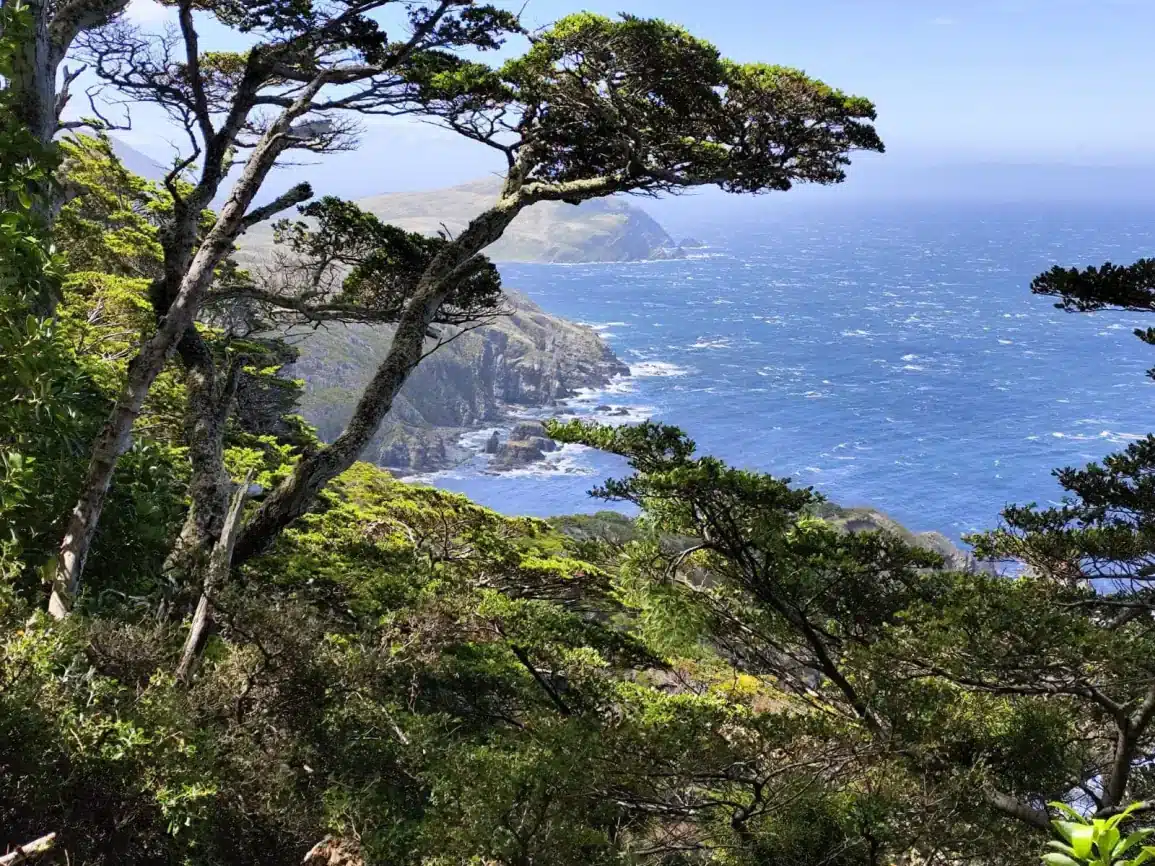 Tierra del Fuego Hiking Tour
Tierra del Fuego, Ushuaia, Tierra del Fuego National Park, Beagle Channel, Lake Fagnano & Mitre Peninsula
 Sierra Valdivieso Circuit & Tierra del Fuego hiking tour
Ushuaia, Tierra del Fuego, Laguna Esmeralda, Lake Fagnano & Carbajal Valley.
 Darwin Range Patagonia Expedition (Cordillera Darwin)
Ushuaia, Puerto Williams, Beagle Channel, Darwin Range, Gordon Island, Hoste Island, Pia Fjord & Garibaldi Fjord
 Fly the Drake: Antarctic Express
Punta Arenas, King George Island, South Shetland Islands, Antarctic Peninsula, Antarctica & Drake Passage
 Patagonia Trekking Tour: El Calafate & El Chaltén
El Calafate, El Chaltén, Fitz Roy, Cerro Torre, Laguna de los Tres, Laguna Torre, Perito Moreno Glacier, Southern Patagonian Ice Field
 Patagonia Photo Tour
El Chaltén, El Calafate, Fitz Roy, Laguna de los Tres, Laguna Torre, Cerro Torre, Loma del Pliegue del Tumbado, Patagonia
 Argentina Herping Expedition
Buenos Aires, Iguazú Falls, Puerto Iguazú, Misiones, San Sebastián de la Selva, Iberá Wetlands, Posadas
 Patagonia Penguins Tour
Puerto Deseado, Peninsula Valdés, Ushuaia, Tierra del Fuego
Trips by Destination
In the following sections, you'll find tours focused on the main region you want to visit. They include traditional & thematic tours, interesting articles, and relevant information.
- Argentina
Custom-Made Experiences by Locals
 Patagonia
Custom-Made Experiences by Locals
 Chile
Custom-Made Experiences by Locals
 Northwest Argentina Holidays
Custom-Made Experiences by Locals
 Travel to Antarctica
Custom-Made Experiences by Locals
Tours by Travel Style
In the following sections, you'll find tours focused on the main region you want to visit. They include traditional & thematic tours, interesting articles, and relevant information. If your interest is focusing mainly in Chile or Antarctica, please visit our Chile and Antarctica sections.
 Classic Journeys
 Road Trips
 Hiking Adventures
 Wildlife Experiences
 Luxury Escapes
 Foodies
 Honeymoon
 Family Travel
 Cruises