Capybaras in Argentina: Fascinating Wildlife & Where to See Them
If you’re fascinated by wildlife, Capybaras in Argentina are a fascinating species to encounter. Known locally as carpinchos, these gentle semi-aquatic mammals are the largest rodents in the world and…
Discover the Country’s Iconic Carpinchos
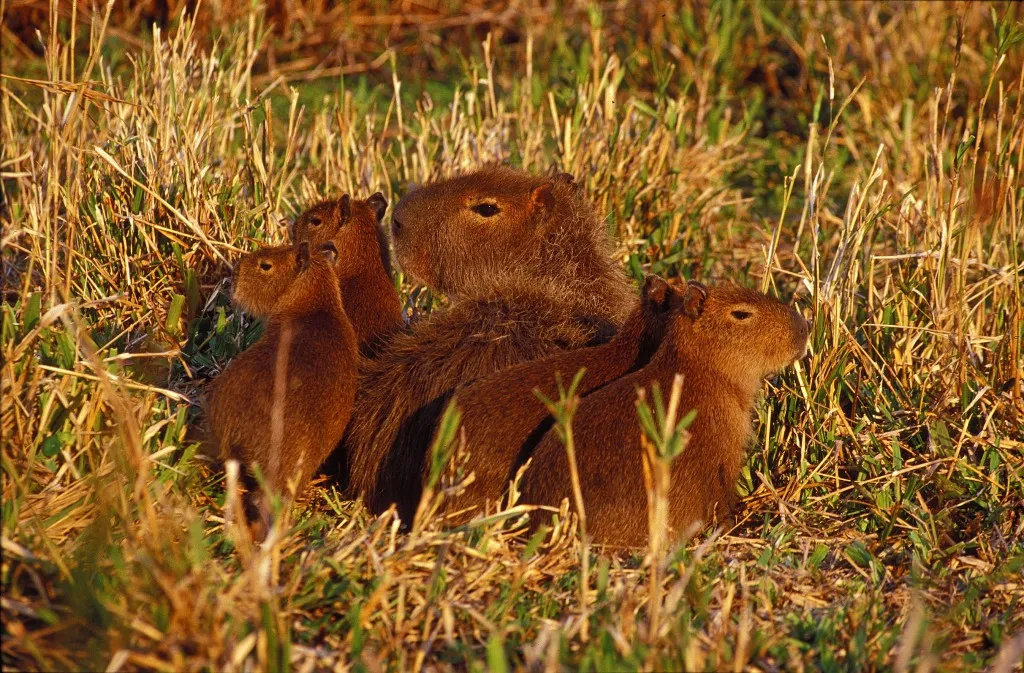
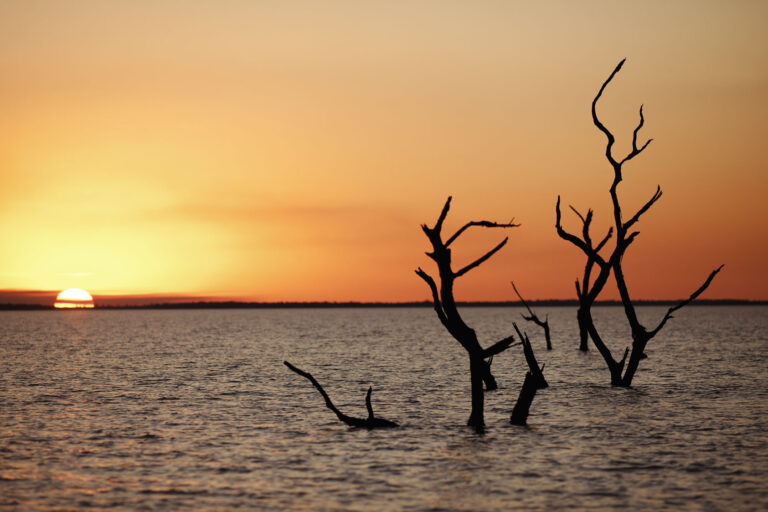
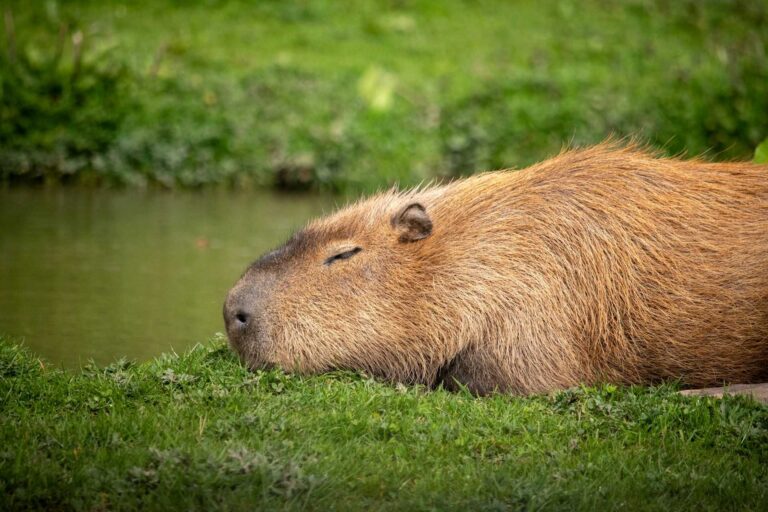
If you’re fascinated by wildlife, Capybaras in Argentina are a fascinating species to encounter. Known locally as carpinchos, these gentle semi-aquatic mammals are the largest rodents in the world and have become one of Argentina’s most recognizable animals. From the Iberá Wetlands to the Paraná Delta, capybaras thrive in wetlands and other water-rich environments where they can find food, shelter, and protection. In this guide, discover where to see capybaras in Argentina, how they live, what they eat, and what makes these remarkable animals so well adapted to life around water.
Capybaras in Argentina: Facts & Habitat
Adult capybaras can grow to around 1.2 meters (4 feet) in length and weigh up to approximately 66 kg (145 pounds). With their rounded bodies, short legs, and large heads, they may resemble oversized guinea pigs, but these semi-aquatic mammals are uniquely adapted to life near water. Capybaras in Argentina are highly social animals that typically live in groups, with group size varying depending on the habitat and conditions. They spend much of their time close to rivers, lakes, ponds, marshes, and wetlands, where water provides both food and protection. When threatened, capybaras can quickly escape into the water, where they are capable swimmers. In the wild, capybaras generally live for around 6 to 10 years, although lifespan can vary. Young capybaras are particularly vulnerable to predators, making staying close to the group and having access to water important for their survival.
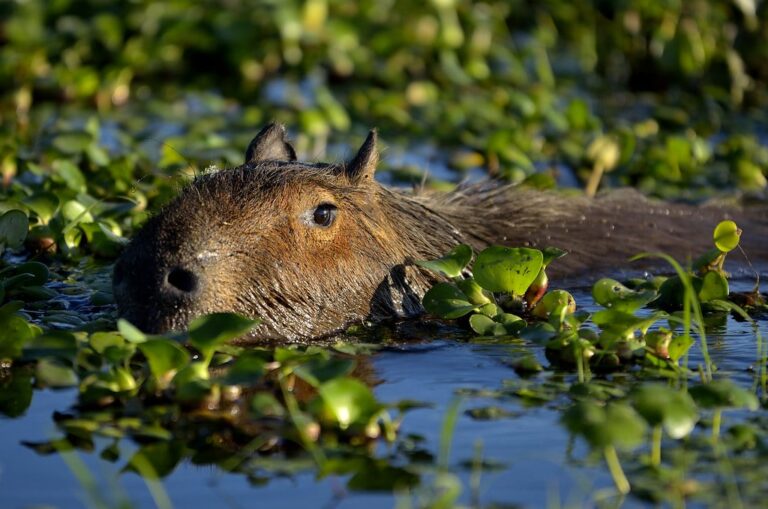
Capybaras are excellent swimmers, thanks in part to their partially webbed feet and semi-aquatic lifestyle. They spend much of their time near rivers, ponds, lagoons, and wetlands, where water provides food, shelter, and a way to escape predators. During hot weather, capybaras may rest in shallow water or mud to help keep cool. When threatened, they can quickly retreat into the water and remain submerged for up to about five minutes. Their eyes, ears, and nostrils are positioned high on their heads, allowing them to stay alert while keeping most of their body underwater.
What Do Capybaras Eat?
Capybaras in Argentina are herbivores with a plant-based diet centered mainly on grasses and aquatic vegetation. An adult can consume around 2.7–3.6 kg (6–8 pounds) of grass per day. Their continuously growing front teeth are well adapted for grazing and wearing down tough vegetation. During the dry season, when fresh grasses and aquatic plants become less available, capybaras may also eat reeds, grains, melons, squash, and other plant matter. They also have an unusual digestive adaptation: they re-ingest certain droppings to help extract additional nutrients from their fibrous diet.
Capybaras have a rather unusual trick for getting the most out of their meals! They practice coprophagy, re-ingesting certain droppings to help their digestive system absorb more nutrients from their fibrous, plant-based diet. It may not sound particularly glamorous, but it’s a clever adaptation that helps these fascinating animals thrive on tough vegetation.
Where Can You See Capybaras in Argentina?
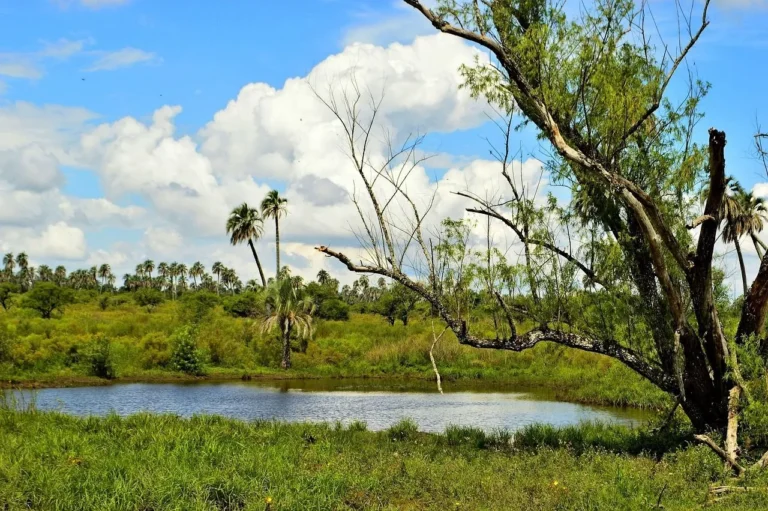
The Iberá Wetlands (Esteros del Iberá) are one of the best places to see capybaras in Argentina in their natural habitat. Located in Corrientes Province, in northeastern Argentina, the Iberá macrosystem covers around 3.9 million hectares, making it one of the country’s largest and most important freshwater wetland ecosystems. Within this vast landscape, Iberá National Park was created in 2018 and protects more than 195,000 hectares of wetlands, lagoons, rivers, grasslands, and native forests. The region is home to an extraordinary variety of wildlife, making the Iberá Wetlands an exceptional destination for wildlife watching in Argentina. Alongside its abundant capybaras, the ecosystem supports giant anteaters, marsh deer, yacarés, and numerous species of birds and other wetland wildlife. It is also an important conservation area for species that were once locally extinct, including the jaguar, which is being reintroduced through ongoing conservation programs.
Beyond the Iberá Wetlands, there are several other places to encounter capybaras in Argentina, particularly in wetlands and river environments. The Paraná Delta, stretching across parts of Buenos Aires, Entre Ríos, and Santa Fe provinces, provides important habitat for these semi-aquatic mammals. Further north, El Palmar National Park in Entre Ríos, Río Pilcomayo National Park and Bañado La Estrella in Formosa, and Chaco National Park also support capybara populations. These destinations offer opportunities to encounter carpinchos alongside other characteristic wildlife, including yacarés, marsh deer, giant anteaters, and a wide variety of bird species.
Let's plan your personalized experience
Beyond BA Latam is a local travel agency based in Argentina that designs personalized tours in Argentina, Chile and Antarctica. We are very proud to work with a knowledgeable team capable to design trips based on your interests and traveling style. We are able to bring you a different and more enjoyable experience.
Related Articles
 Ibera National Park: An Incredible Wildlife Destination
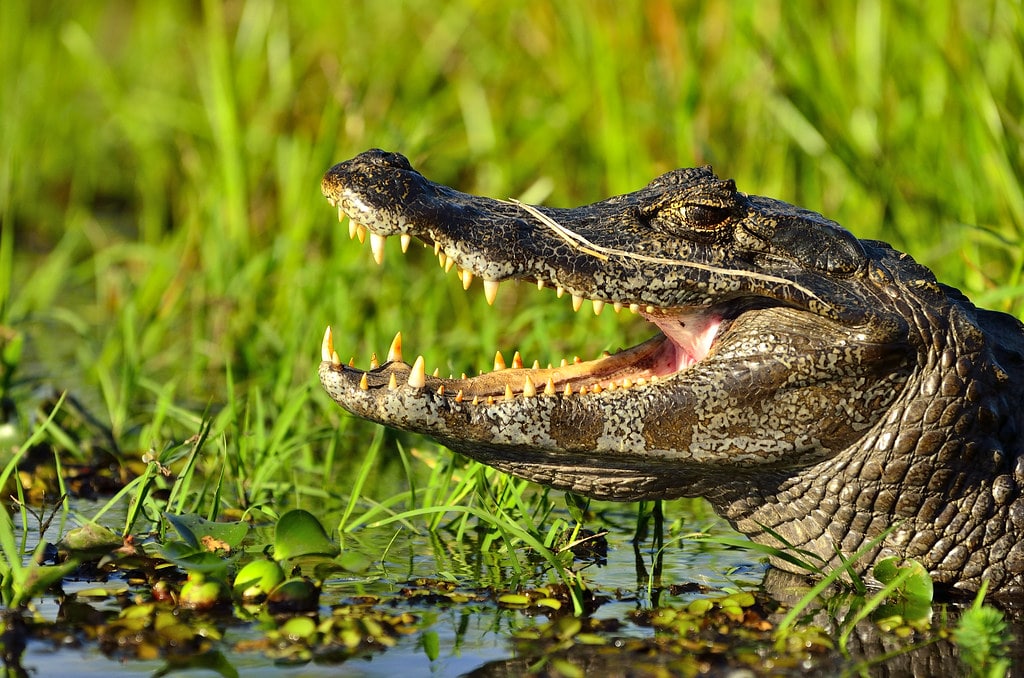
Located in the geographical heart of Corrientes Province, Ibera National Park is one of the most impressive, yet still lesser-known, destinations to experience Argentina’s native flora and fauna.…
 Yacaré Caiman – Argentina’s Prehistoric Reptile
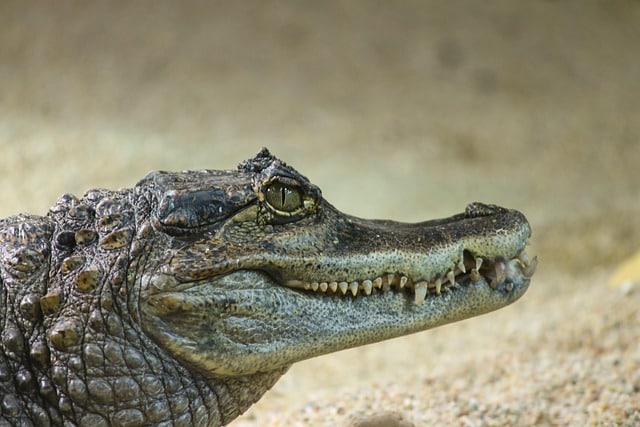
Found across the wetlands of northern Argentina, the Yacare Caiman is one of the most iconic reptilian inhabitants of the region. These crocodilian creatures—often seen basking along riverbanks or…
 Marsh Deer – The Largest Deer in South America
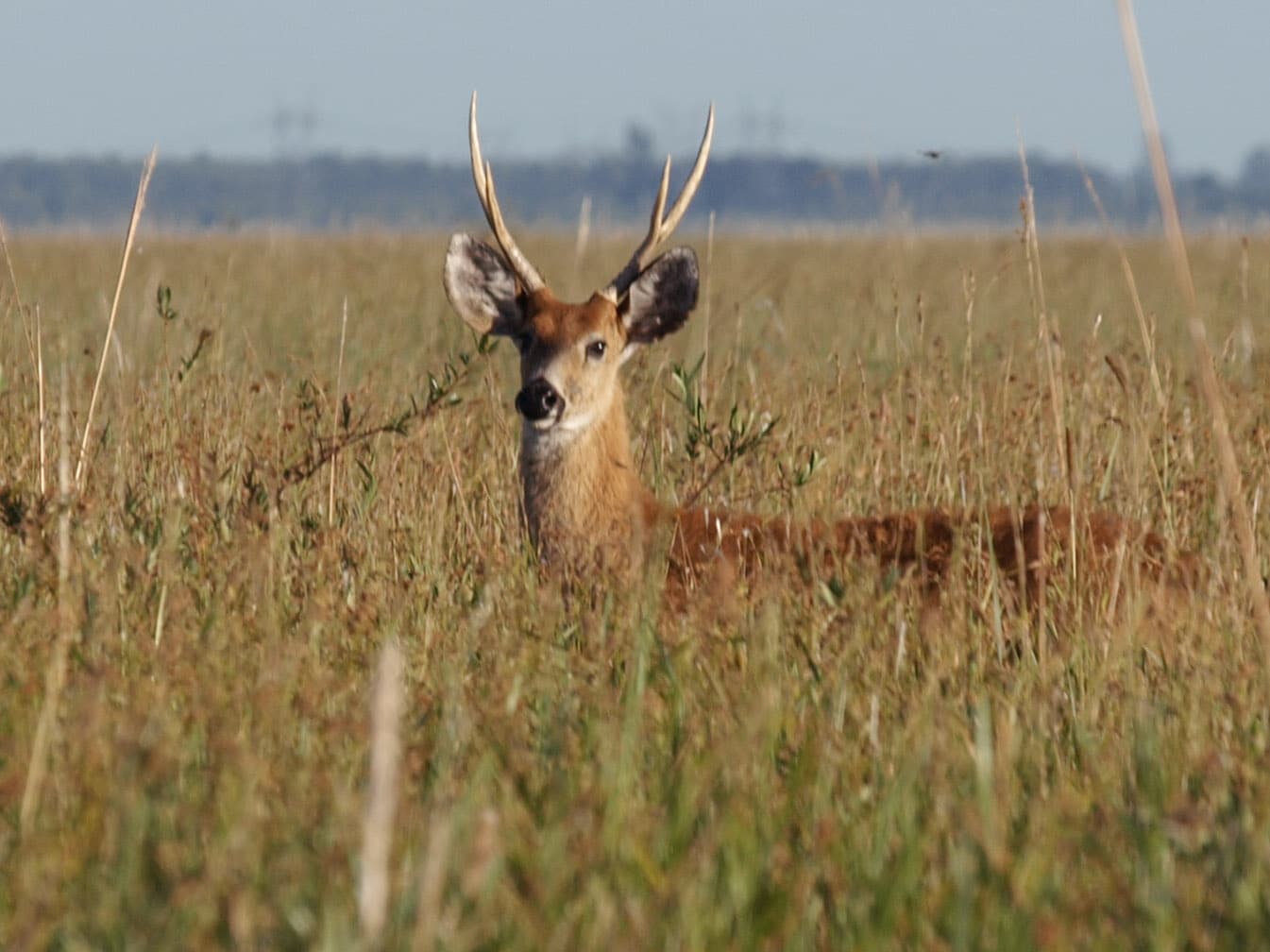
The marsh deer (Blastocerus dichotomus) is the largest deer species in South America and one of the most emblematic mammals of the Argentine wetlands. Known for its reddish-brown coat, large black…
- Giant Anteater – The Flagship Species of Argentina’s Grasslands
Giant Anteater (Myrmecophaga tridactyla) is one of South America’s most iconic and unusual mammals. With its elongated snout, bushy tail, and slow, deliberate movements, the Giant Anteater seems…
- Giant Otter – The River Guardian of Northern Argentina
The Giant Otter (Pteronura brasiliensis) is one of the most extraordinary and charismatic animals in South America’s freshwater ecosystems. As the largest otter species in the world, it plays a…
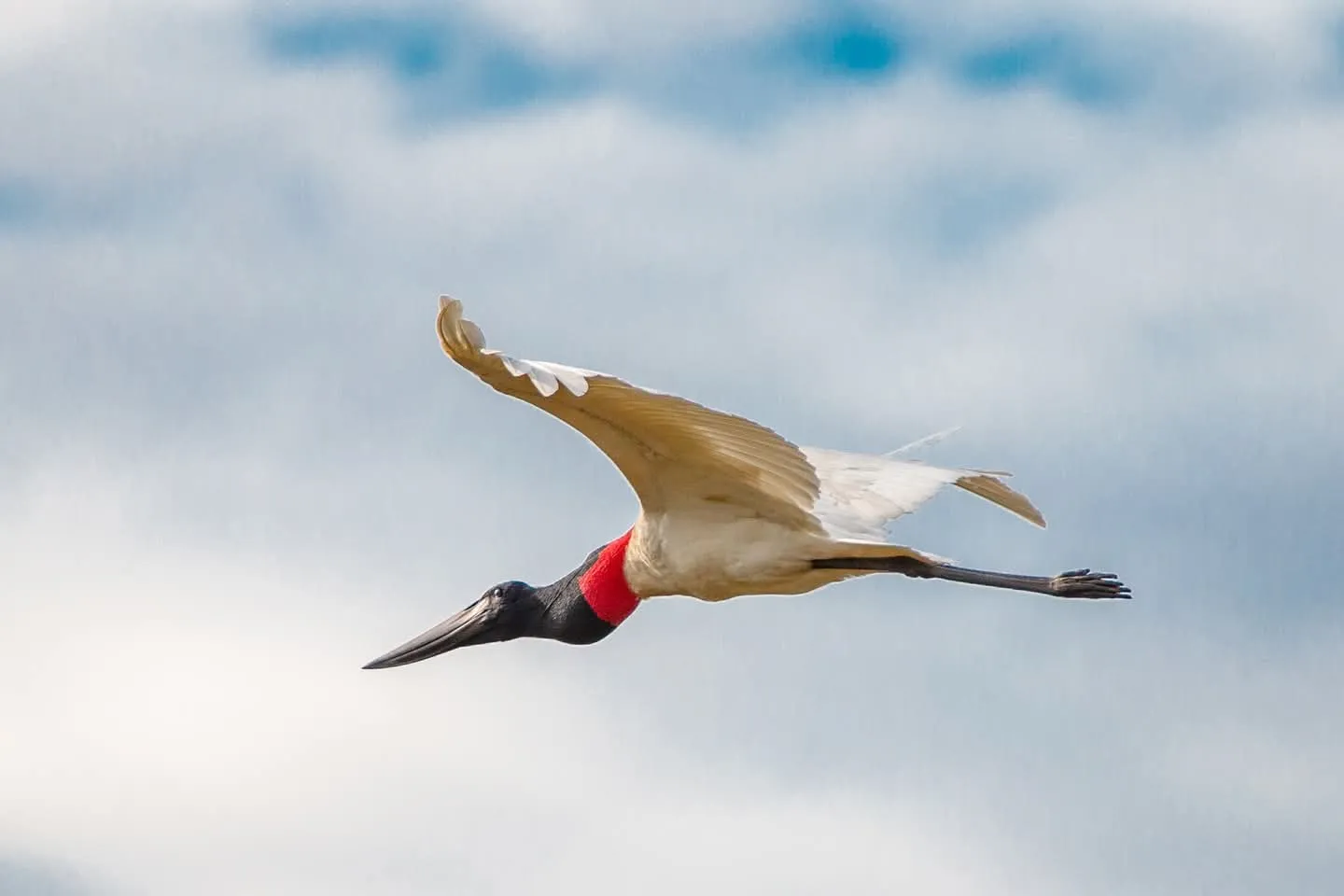 Birds of the Ibera Wetlands: A Spectacular Wildlife Experience
The Iberá Wetlands, located in Corrientes Province in northeastern Argentina, are one of South America’s most important biodiversity reserves. Covering more than 13,000 km², the Iberá Wetlands form…
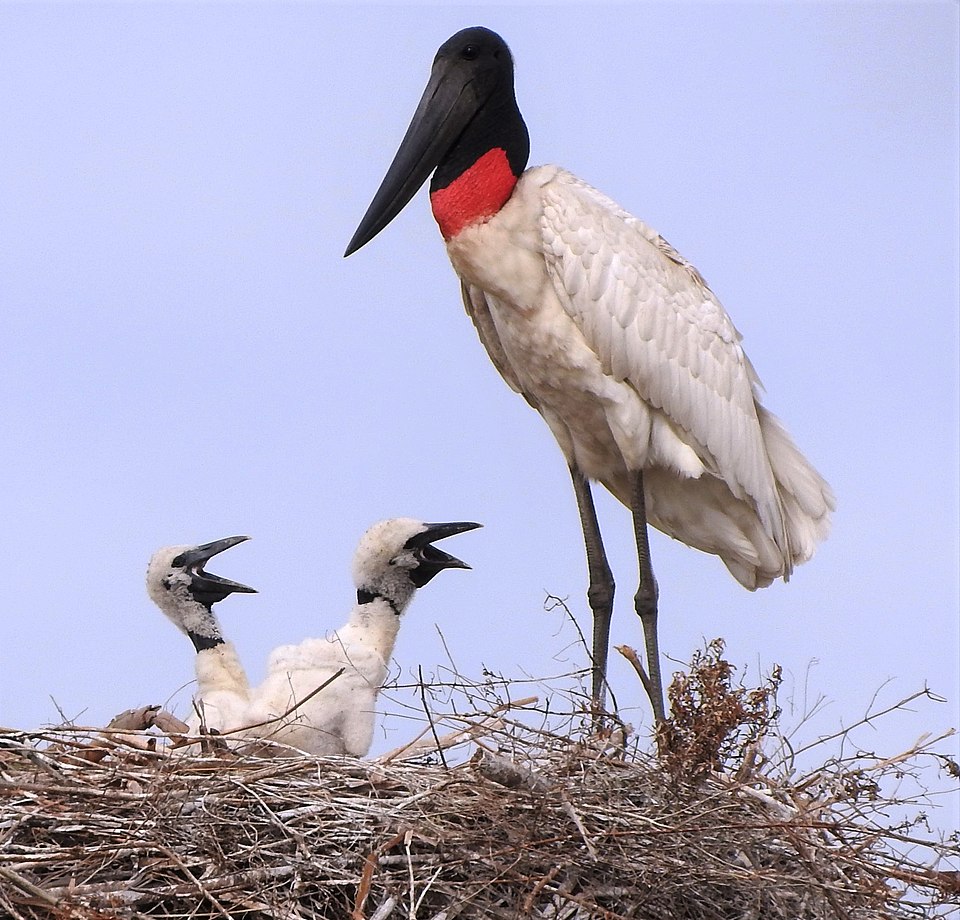 Jabirú (Jabiru mycteria) – The Giant Stork of Northern Argentina
The Jabirú (Jabiru mycteria) is South America’s largest flying bird and one of the most impressive species for birdwatchers exploring Argentina’s wetlands. With its immense size, striking…
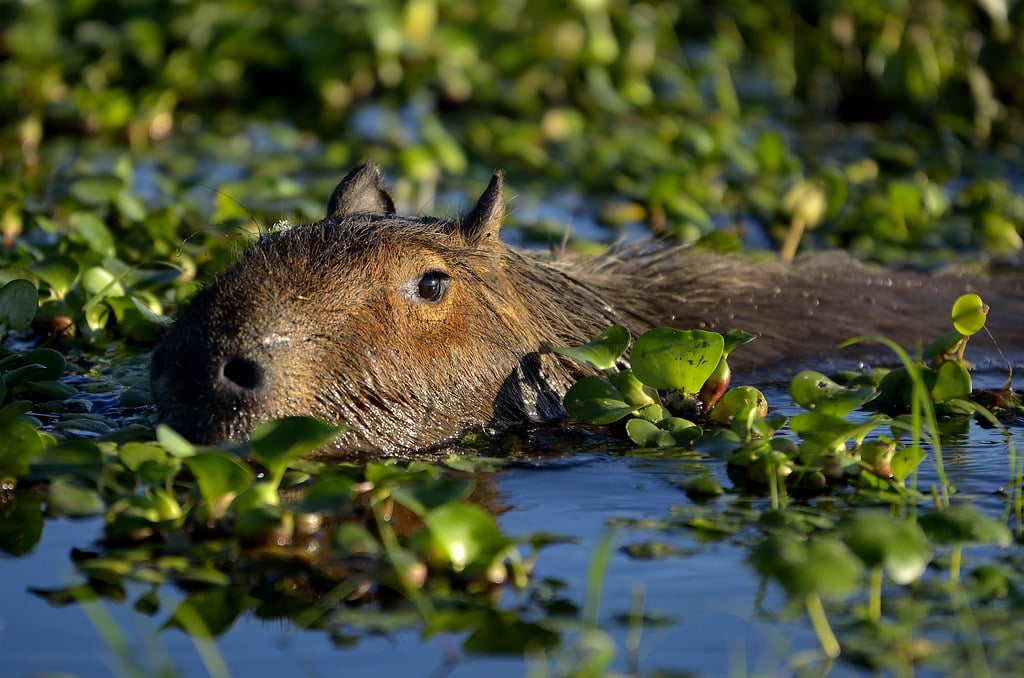 Ecotourism in Argentina: Unforgettable Nature Experiences
The concept of Ecotourism in Argentina can be reflected in many different ways, but only a few destinations combine all the elements that define it. Among these sites, two areas stand out as role…
Inspiring Tours
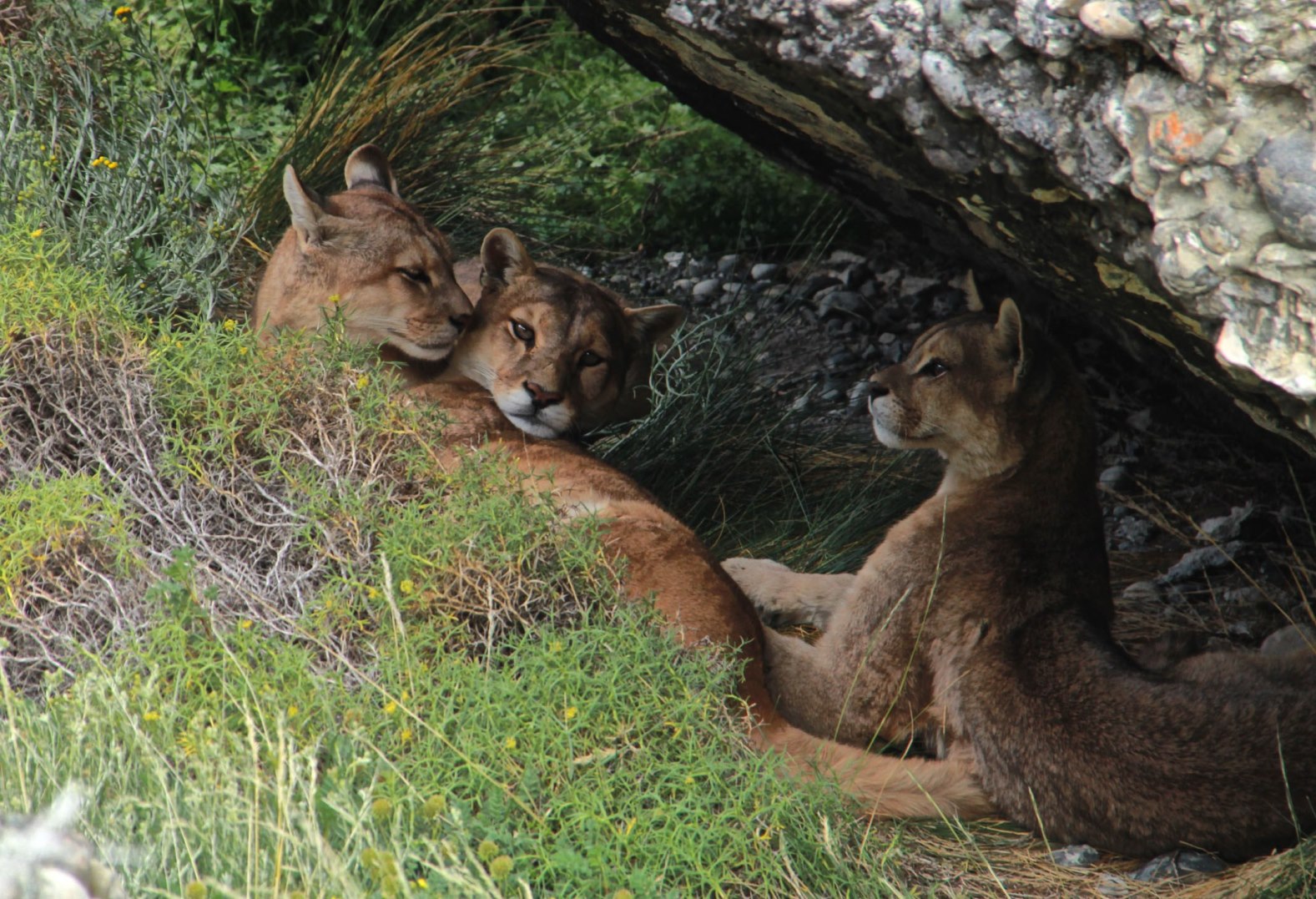 Patagonia Wildlife Safari
Peninsula Valdés, Puerto Madryn, El Calafate, Torres del Paine National Park & Puerto Natales
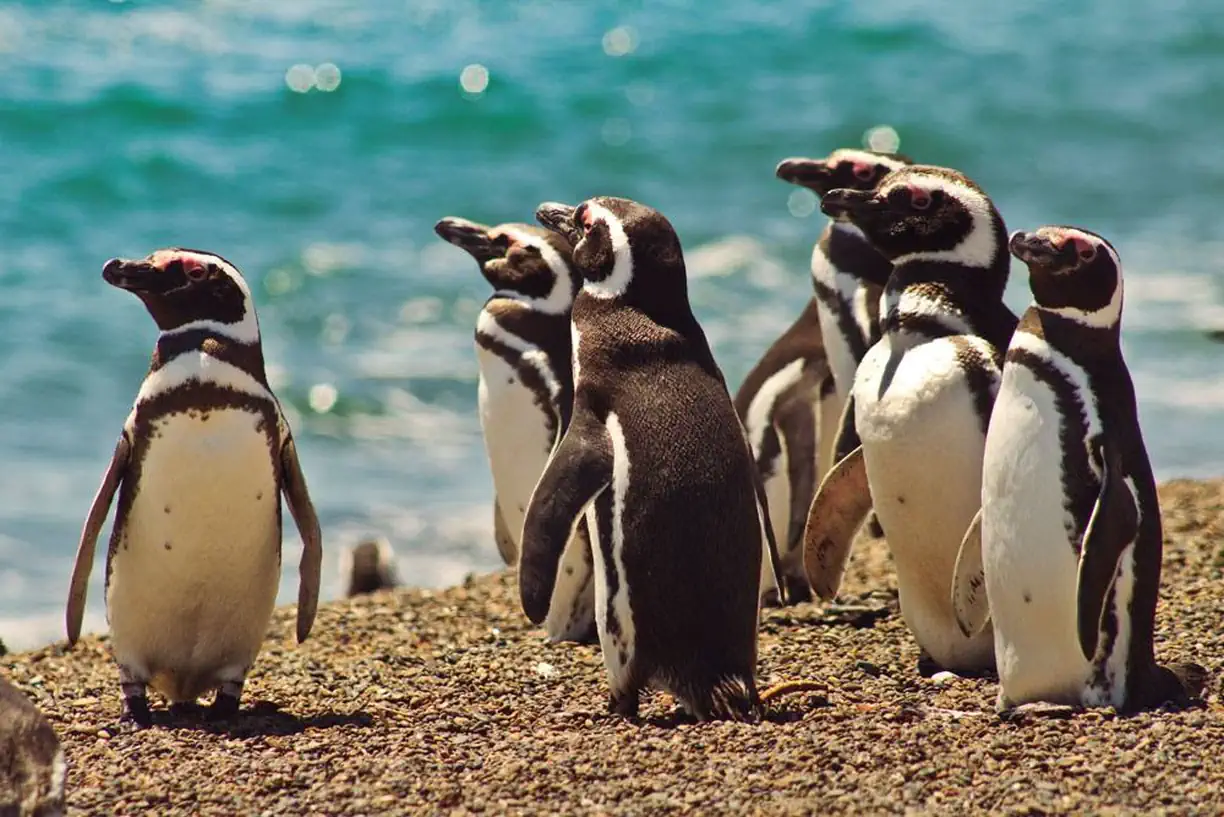 Wildlife: Peninsula Valdes, the Wetlands & Iguazu Falls
Buenos Aires, Peninsula Valdés, Iberá Wetlands, Iguazú Falls
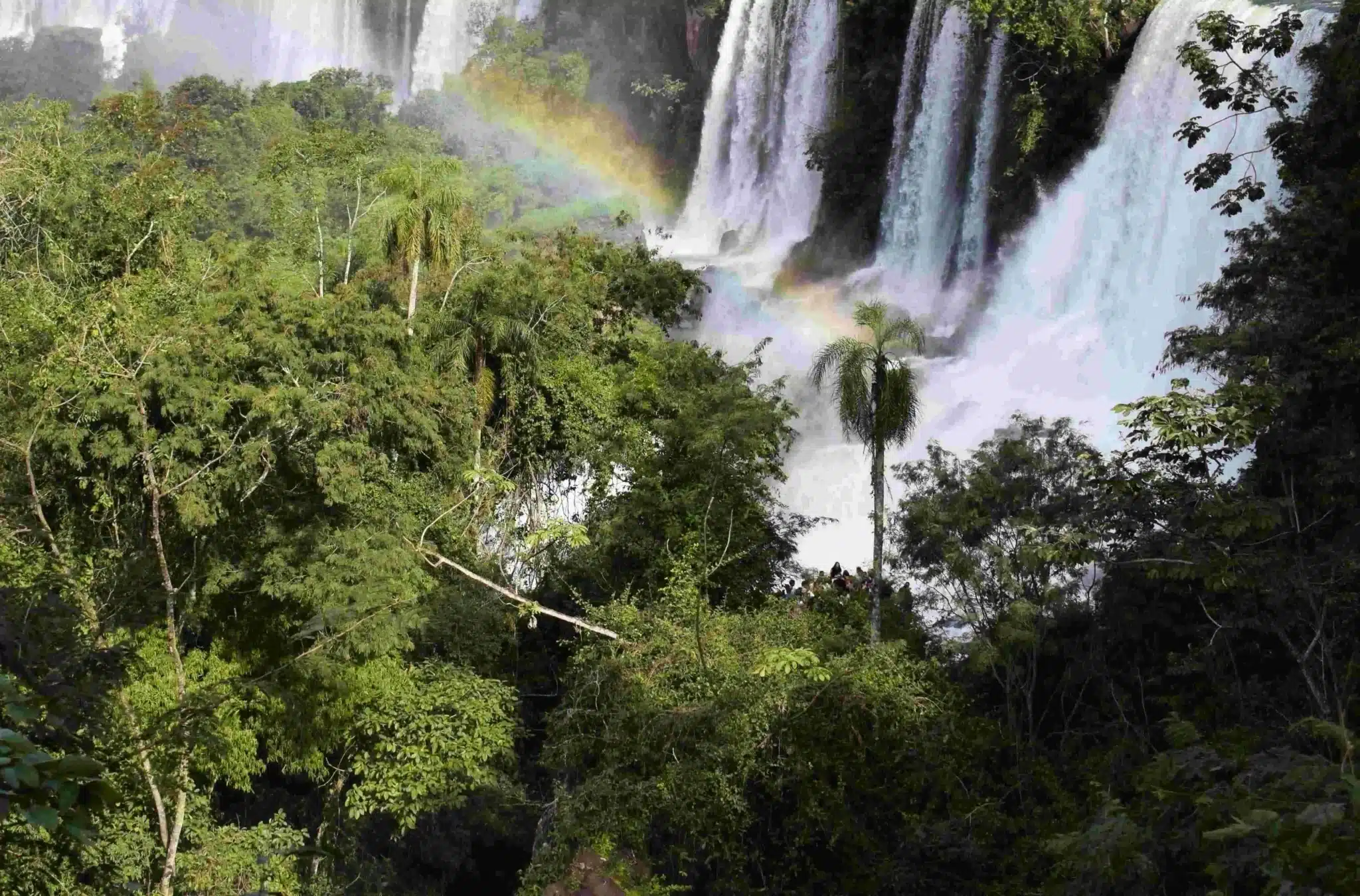 Misiones province & Ibera Wetlands- Wildlife & Nature tour
Misiones, Iberá Wetlands, Iguazú Falls, Atlantic Forest
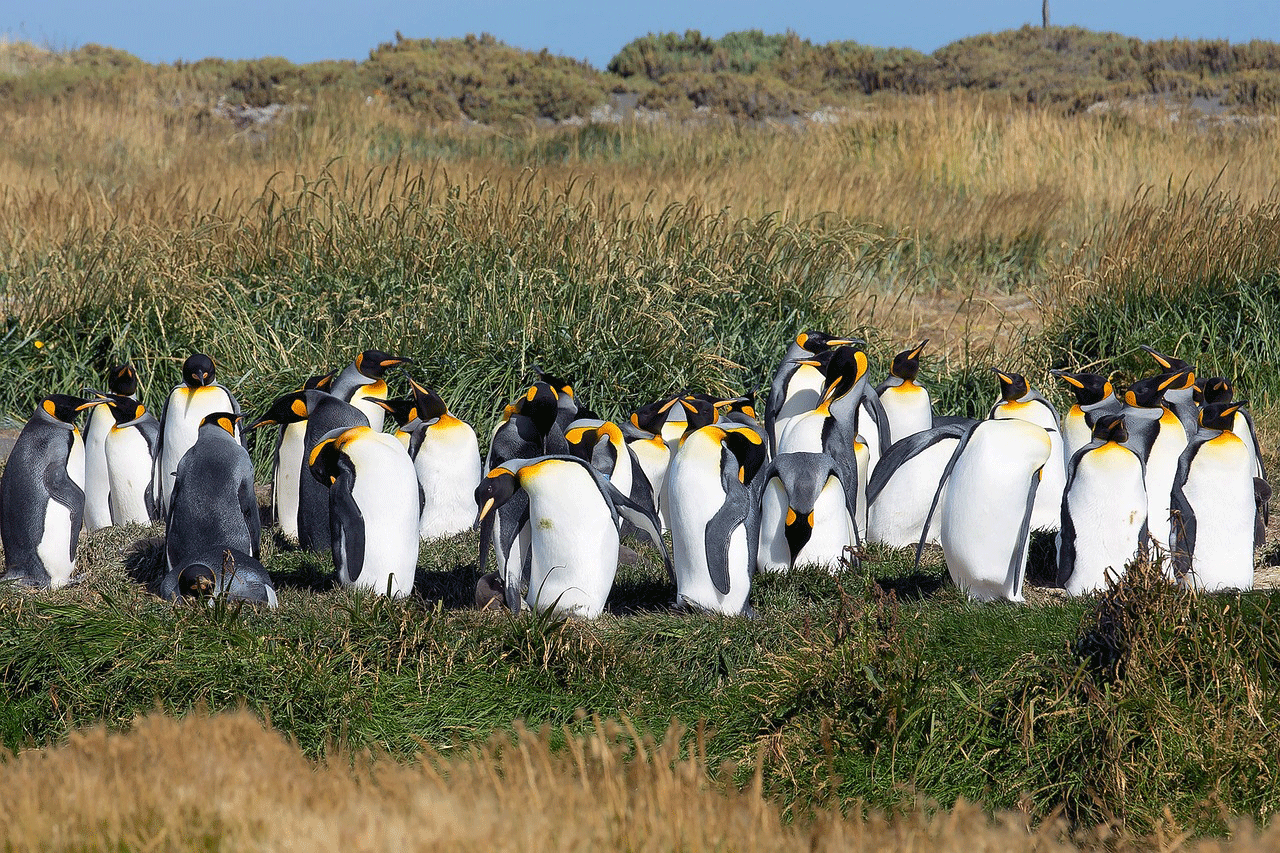 Patagonia Penguins Tour
Puerto Deseado, Peninsula Valdés, Ushuaia, Tierra del Fuego
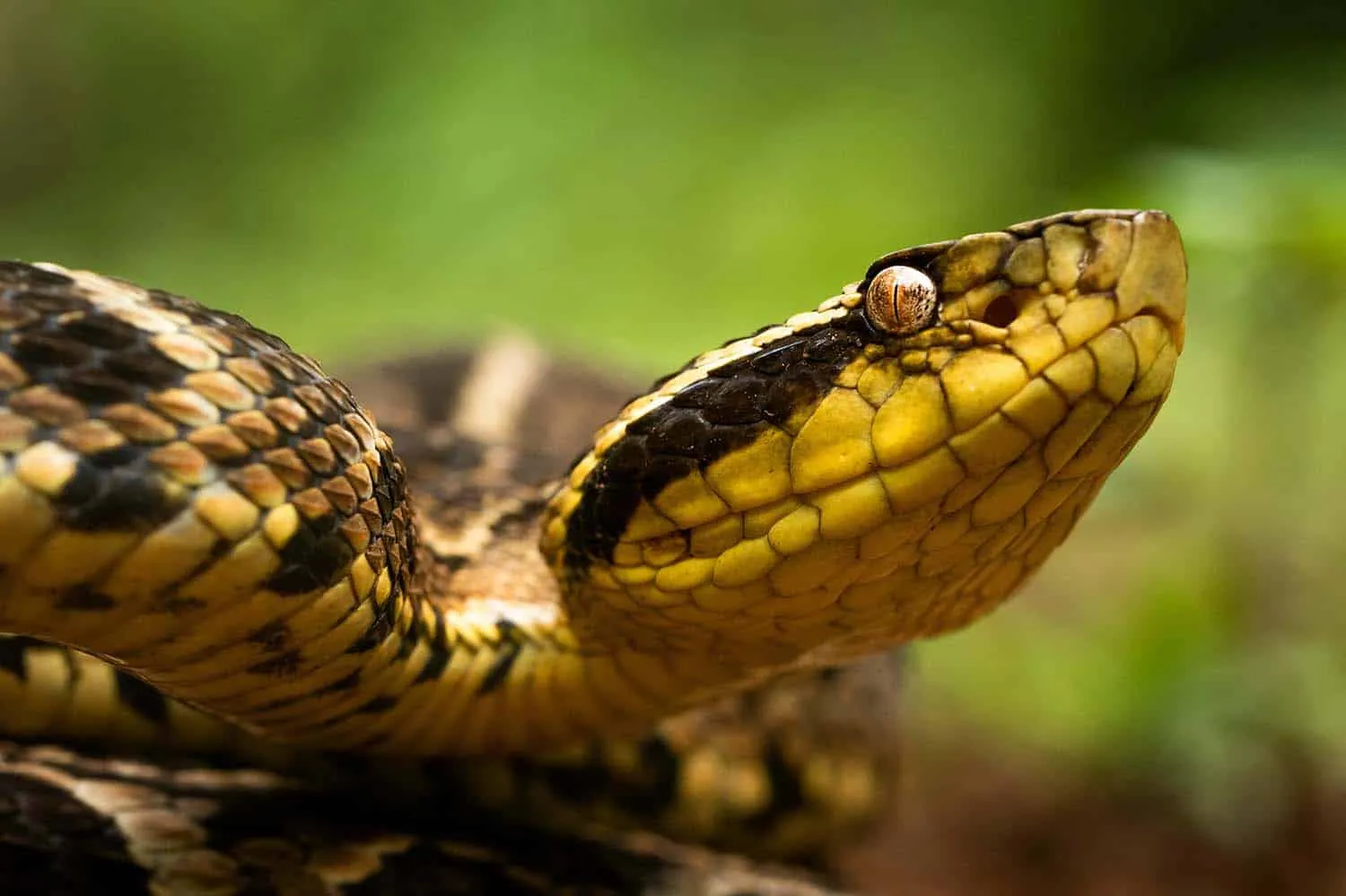 Argentina Herping Expedition
Buenos Aires, Iguazú Falls, Puerto Iguazú, Misiones, San Sebastián de la Selva, Iberá Wetlands, Posadas
Trips by Destination
In the following sections, you'll find tours focused on the main region you want to visit. They include traditional & thematic tours, interesting articles, and relevant information.
 Argentina
Custom-Made Experiences by Locals
 Patagonia
Custom-Made Experiences by Locals
 Chile
Custom-Made Experiences by Locals
 Northwest Argentina Holidays
Custom-Made Experiences by Locals
 Travel to Antarctica
Custom-Made Experiences by Locals
Tours by Travel Style
In the following sections, you'll find tours focused on the main region you want to visit. They include traditional & thematic tours, interesting articles, and relevant information. If your interest is focusing mainly in Chile or Antarctica, please visit our Chile and Antarctica sections.
 Classic Journeys
 Road Trips
 Hiking Adventures
 Wildlife Experiences
 Luxury Escapes
 Foodies
 Honeymoon
 Family Travel
 Cruises