How to Make Mate: A Traditional Argentine Guide
Hello everybody! My name is Santiago, and I’m part of the local tour operator Beyond BA Latam, the website you’re currently visiting. We’re based in Buenos Aires and create custom tours in Argentina…
Hello everybody! My name is Santiago, and I’m part of the local tour operator Beyond BA Latam, the website you’re currently visiting. We’re based in Buenos Aires and create custom tours in Argentina and Chile for travelers from around the world.
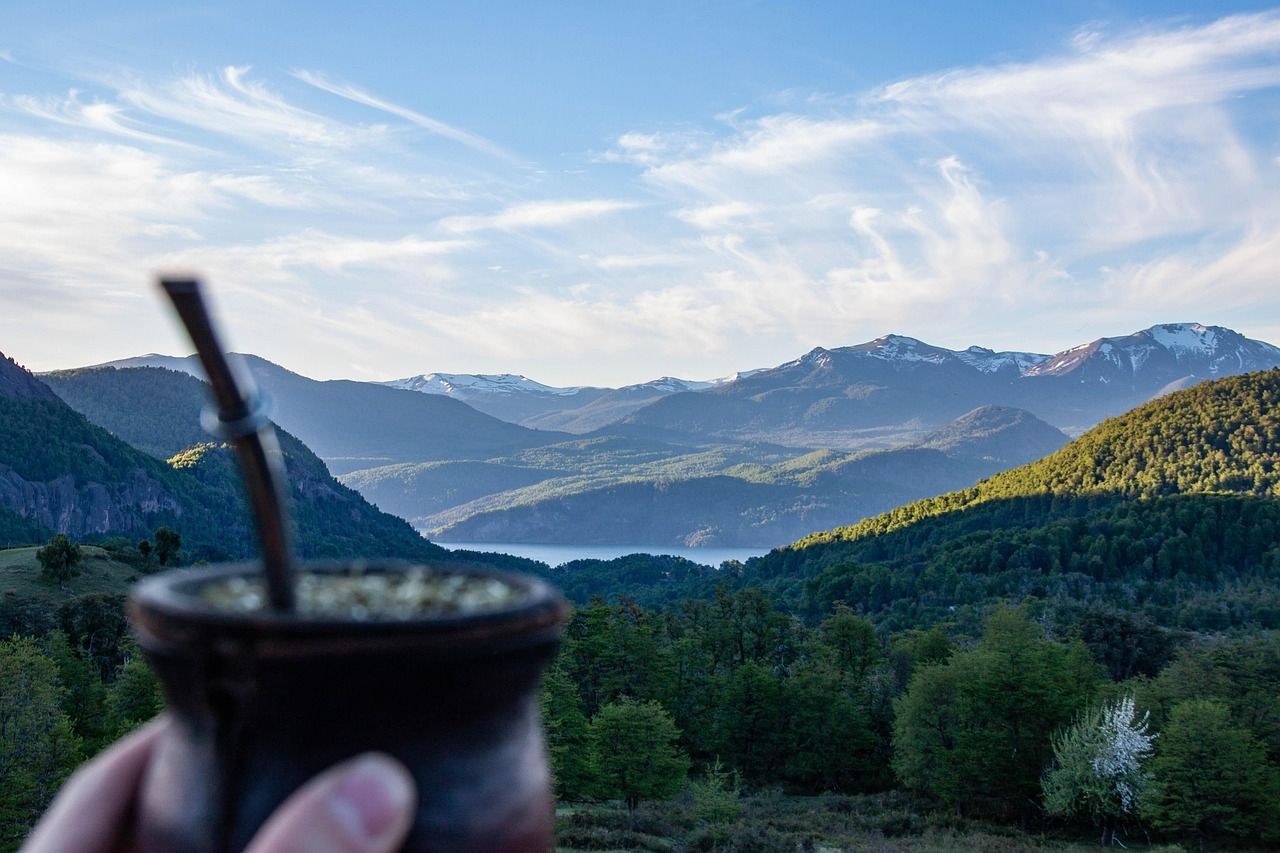
One of the questions we hear most often from visitors is how to make mate, Argentina’s beloved traditional infusion and a cherished part of its culture. Mate is also widely enjoyed in Uruguay, Paraguay, southern Brazil, and parts of Chile, with each country having its own way of preparing and sharing it. As someone who drinks mate every day, I’d love to share my personal approach to preparing a good mate. Some of these tips come down to personal preference, so don’t worry if your technique looks a little different. There’s more than one way to enjoy this beloved South American tradition!
Mate is something many locals enjoy every day, often as a social tradition shared with family, friends, colleagues, and travelers. It brings people together through hospitality, connection, and conversation—and on a Road Trip through Argentina, sharing mate can become a memorable part of the journey. You can also enjoy mate on your own while working, studying, or simply relaxing. There’s really no set time for mate: some people have it first thing in the morning, others after breakfast or throughout the day, while evening mate is common when catching up with friends or family. As one of Argentina’s most iconic drinks, mate was declared the country’s national infusion in 2013, and November 30 is celebrated as National Mate Day.
Getting Started with Argentine Mate: First Steps
So, the first step is to learn the most common words and expressions you’ll hear while sharing mate with locals:
Mate
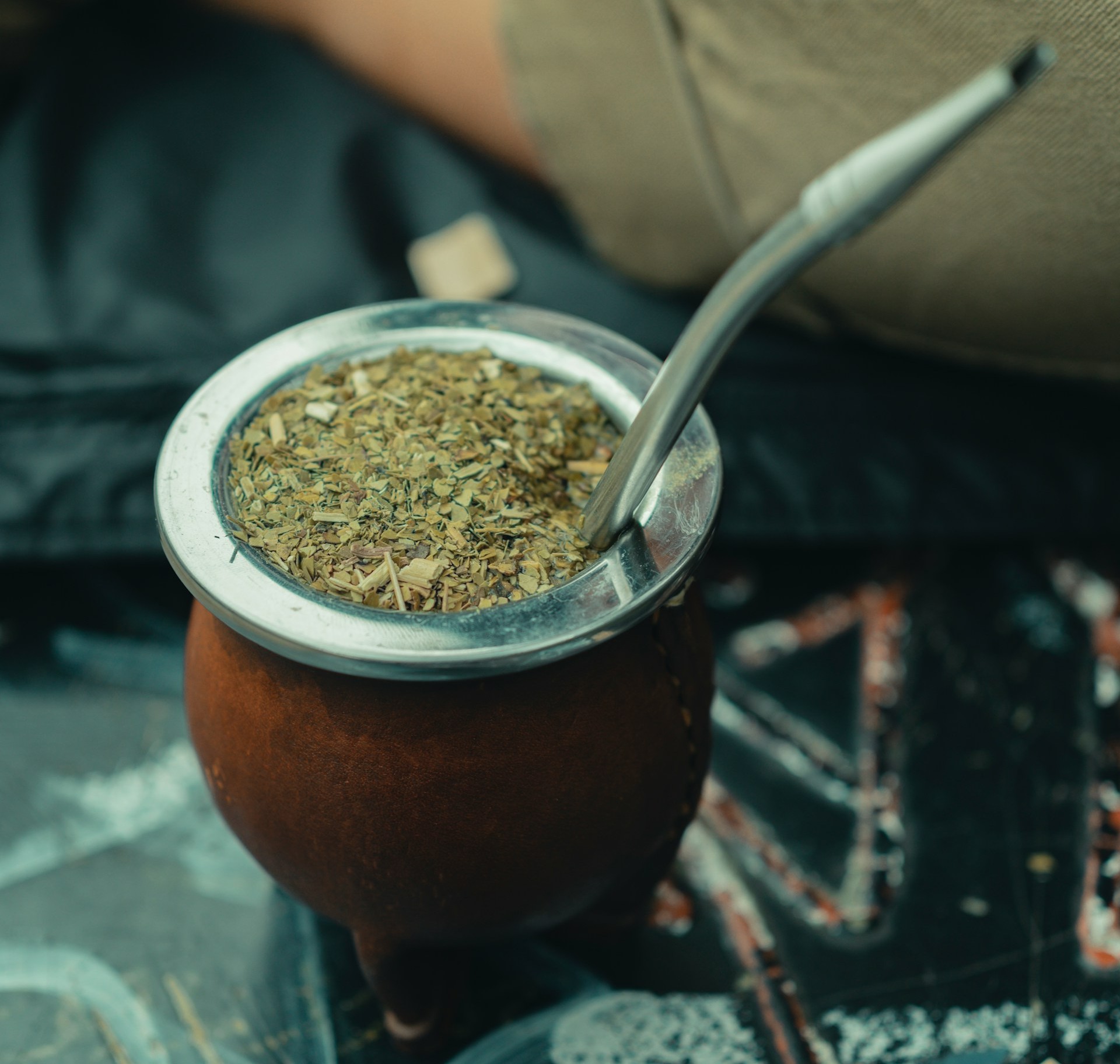
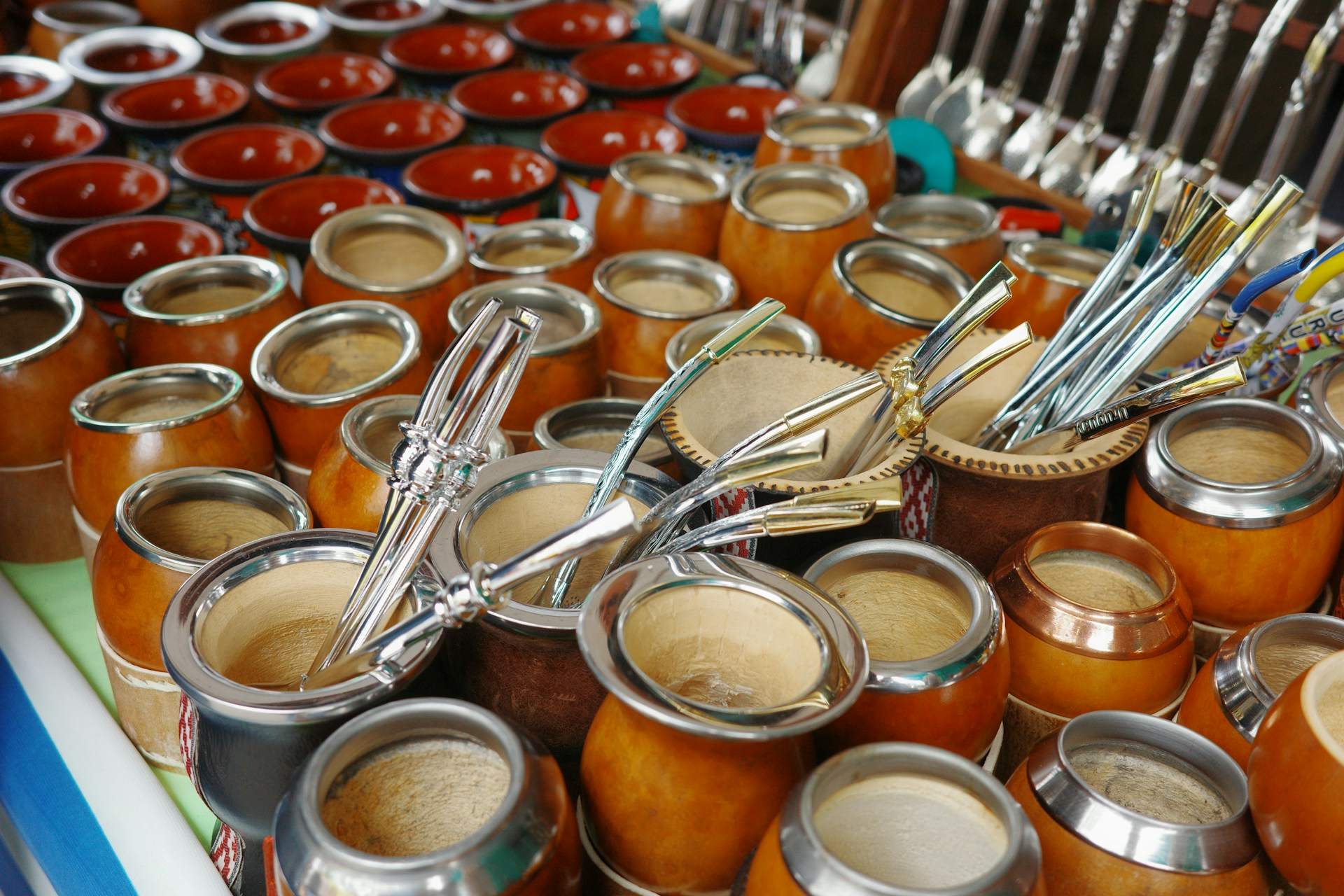
In Argentina, mate refers both to the infusion and the vessel used to drink it. Traditionally made from dried gourds, mates are also available in wood, stainless steel, ceramic, glass, and other materials. If you choose a gourd or wooden mate, check whether it needs to be cured before first use and follow the manufacturer's instructions.
Yerba Mate
It comes from the dried leaves and stems of Ilex paraguariensis, a tree native to the Paranaense Forest of South America. Its use is historically associated with the Guaraní peoples and later spread across the region.
Bombilla
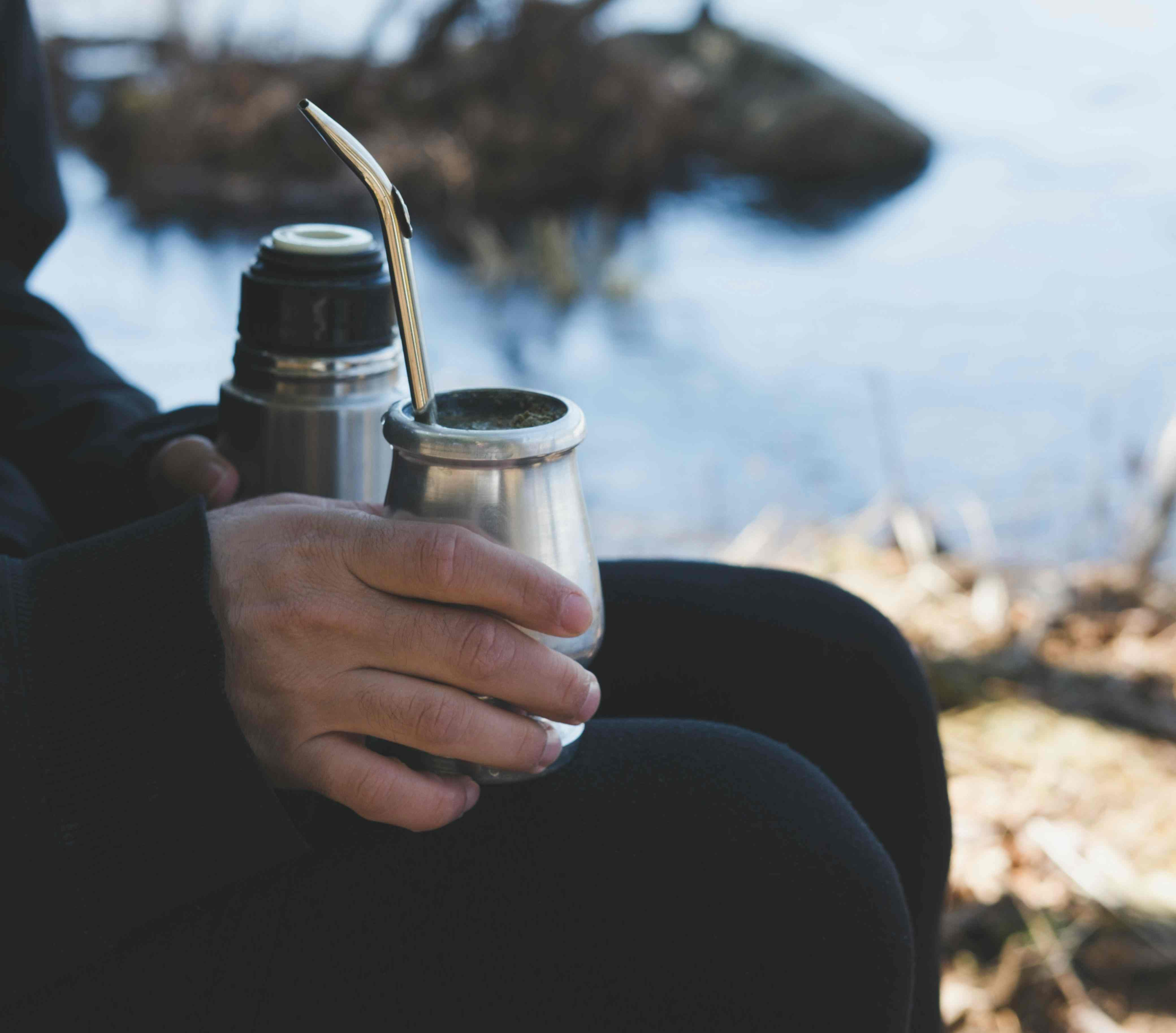
It is the special straw used to drink mate. It has a small filter at the bottom that lets the infusion through while keeping the yerba inside the mate. Stainless steel is a popular choice, although bombillas come in different shapes and materials. Give yours a good rinse after use and occasionally clean the filter with a small brush to keep it fresh.
Hot Water
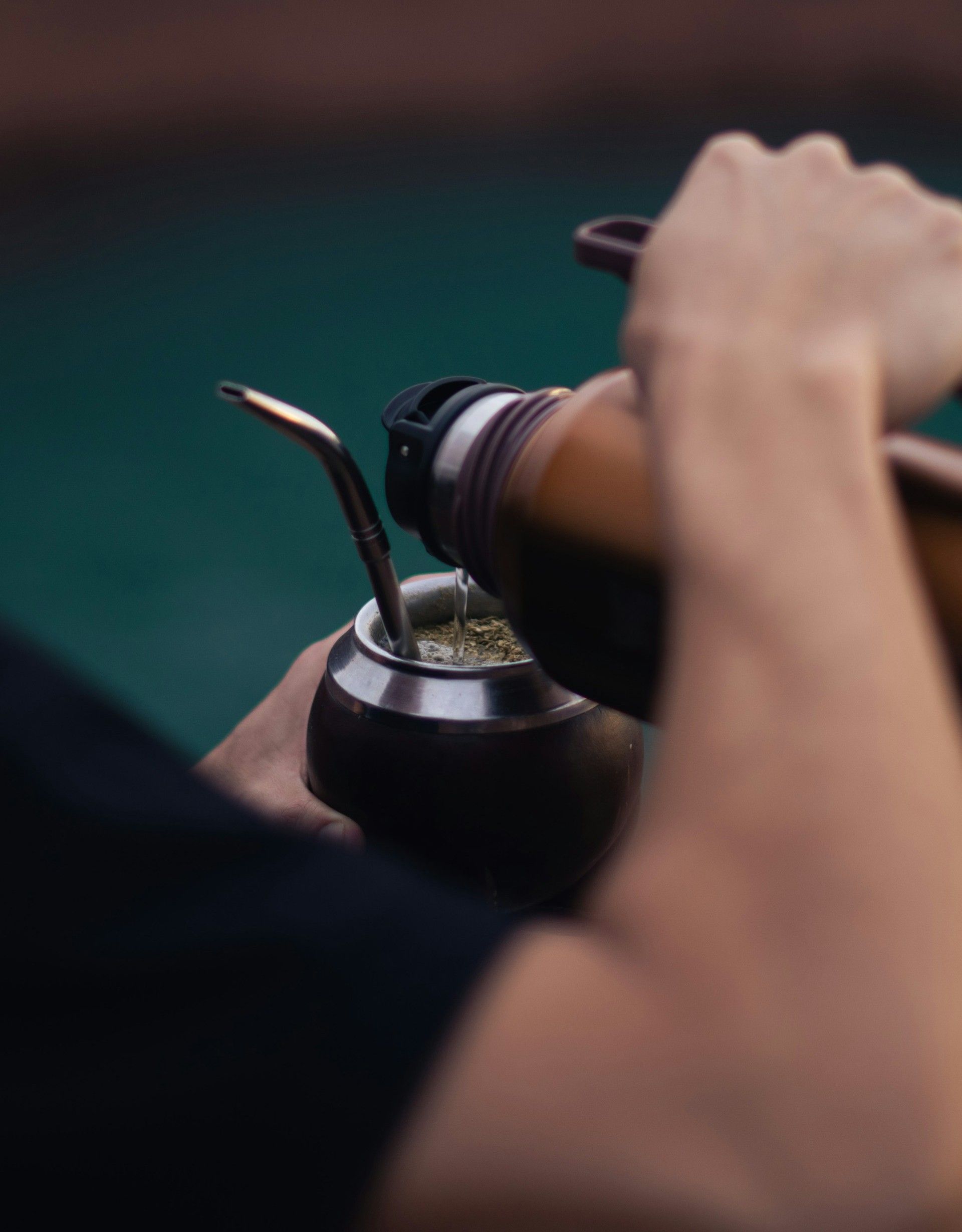
Getting the water temperature right is an important part of how to make mate. It should never be boiling, as very hot water can make the infusion bitter and affect the flavor. Aim for around 75–80°C (167–176°F), and use a thermos to keep the water at a consistent temperature throughout your mate session.
Cebar Mate and Cebador
Cebar mate means adding water and serving the infusion repeatedly. The person who prepares and serves it is called the cebador. In a shared round, the cebador prepares the mate, takes the first sip, refills it with hot water, and passes it to the next person. Each person drinks from the bombilla, returns the mate to the cebador, and the cycle continues around the group. This simple ritual makes mate a shared social experience centered around conversation and connection.
Mate Lavado
This happens when the yerba has been infused so many times that it loses its flavor and aroma. You’ll notice that the infusion tastes weak, watery, or flat, and adding more hot water no longer brings much flavor. That’s usually a sign that it’s time to replace the yerba.
Gracias
You may also hear that saying “gracias” means you’ve had enough mate and don’t want another round. This is a common piece of Argentine mate etiquette, although customs can vary from person to person.
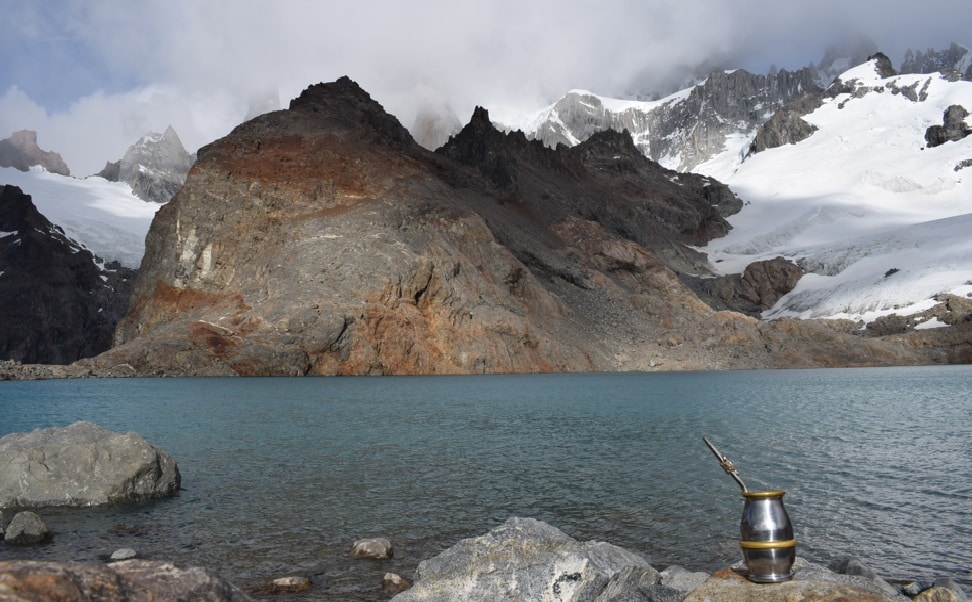
Let’s get into the action!
Here’s a step-by-step guide to how I prepare mate. There are many ways to do it, and everyone has their own style. As you become more familiar with the ritual, you’ll develop your own way of preparing mate, too. So, what do you need to make a mate? It requires only a few essential items: a mate, yerba mate, a bombilla, and hot water.
Fill, Shake and Arrange the Yerba
Take your mate and fill it approximately two-thirds to three-quarters with yerba. The exact amount depends on the size and shape of your mate. Cover the opening with your hand, turn it upside down, and shake it gently but firmly to distribute the leaves, stems, and finer particles evenly. Then return the mate to an upright position and tilt it slightly so the yerba forms a diagonal slope, leaving an empty space on one side. This is where you will add the water. Keeping part of the yerba dry allows you to gradually moisten it throughout the session and helps the mate retain its flavor for longer.
Add Warm Water
Pour a small amount of warm water into the empty space. This first infusion moistens the lower part of the yerba and prepares it for the hotter water that follows. Avoid soaking the entire surface of the yerba—the goal is to gradually use the dry yerba as you continue preparing the mate.
Insert the Bombilla
Carefully insert the bombilla into the moistened area. Some people insert it before adding the first water, so either order can work. The important thing is to position it securely and avoid moving it once it is in place. Moving the bombilla can disturb the yerba and may cause its filter to become clogged.
Add the Hot Water
Slowly pour 75–80°C water into the same small area where you added the warm water. Avoid flooding the entire mate. The idea is to gradually wet the yerba while keeping much of it dry. This helps the yerba release its flavor gradually and allows you to enjoy more servings before the mate becomes lavado, or washed out.
Drink and Keep Refilling
Place the bombilla in your mouth and drink the infusion until the water is gone. Then, return the empty mate to the cebador, who adds more hot water and passes it to the next person. Each person drinks and returns the mate to the cebador, and the cycle continues, with the mate moving from one person to the next as everyone shares the ritual. The round continues until it’s time to change the yerba because it has become lavado, until you run out of hot water in your thermos, or until someone says “gracias” to indicate they don’t want any more mate.
Clean the Mate and Bombilla
After finishing your mate, remove the used yerba, rinse the vessel, and let it dry completely in a well-ventilated place, especially if it is made of gourd or wood. Rinse the bombilla regularly and occasionally clean its filter with a small brush. Avoid leaving wet yerba inside, as moisture can cause unpleasant odors or mold.
Choosing Your Yerba Mate
Once you become more familiar with mate, you’ll probably want to explore the different types and flavors of yerba mate. There is no single “correct” yerba mate—it all comes down to personal taste. You can choose from sweeter or more bitter varieties, organic options, or blends with herbs or fruit. Yerba mate also comes in different styles, including con palo, which contains both leaves and stems and is very common in Argentina, and sin palo, which contains little or no stem material, resulting in a different texture and flavor. If you’re new to mate, starting with a mild traditional yerba can be a great way to discover its flavor before experimenting with stronger or flavored varieties.
Traditional mate is usually enjoyed unsweetened, but there are plenty of ways to personalize the flavor. You can add a little sugar, herbs, or citrus peel, depending on your preferences. Some people also prepare mate dulce, a sweeter style associated with particular regional and family traditions. In some parts of Argentina, adding herbs or fruit peels to mate is also part of local traditions. Personally, I prefer classic yerba mate, but experimenting is part of the fun!
Final Tips for Making Mate
The best way to learn how to make mate is simply to practice, so don’t worry if your first mate isn’t perfect! Every Argentine has their own preferences and technique, and part of the tradition is discovering what works best for you. And when you’re traveling in Argentina, don’t be shy about joining the locals and sharing a mate. If someone offers you a sip, give it a try—and don’t hesitate to ask for one, too. It’s a wonderful way to experience Argentine culture firsthand and feel part of the local way of life. Note: If the flavor feels too bitter, you can add a small amount of sugar to the yerba.
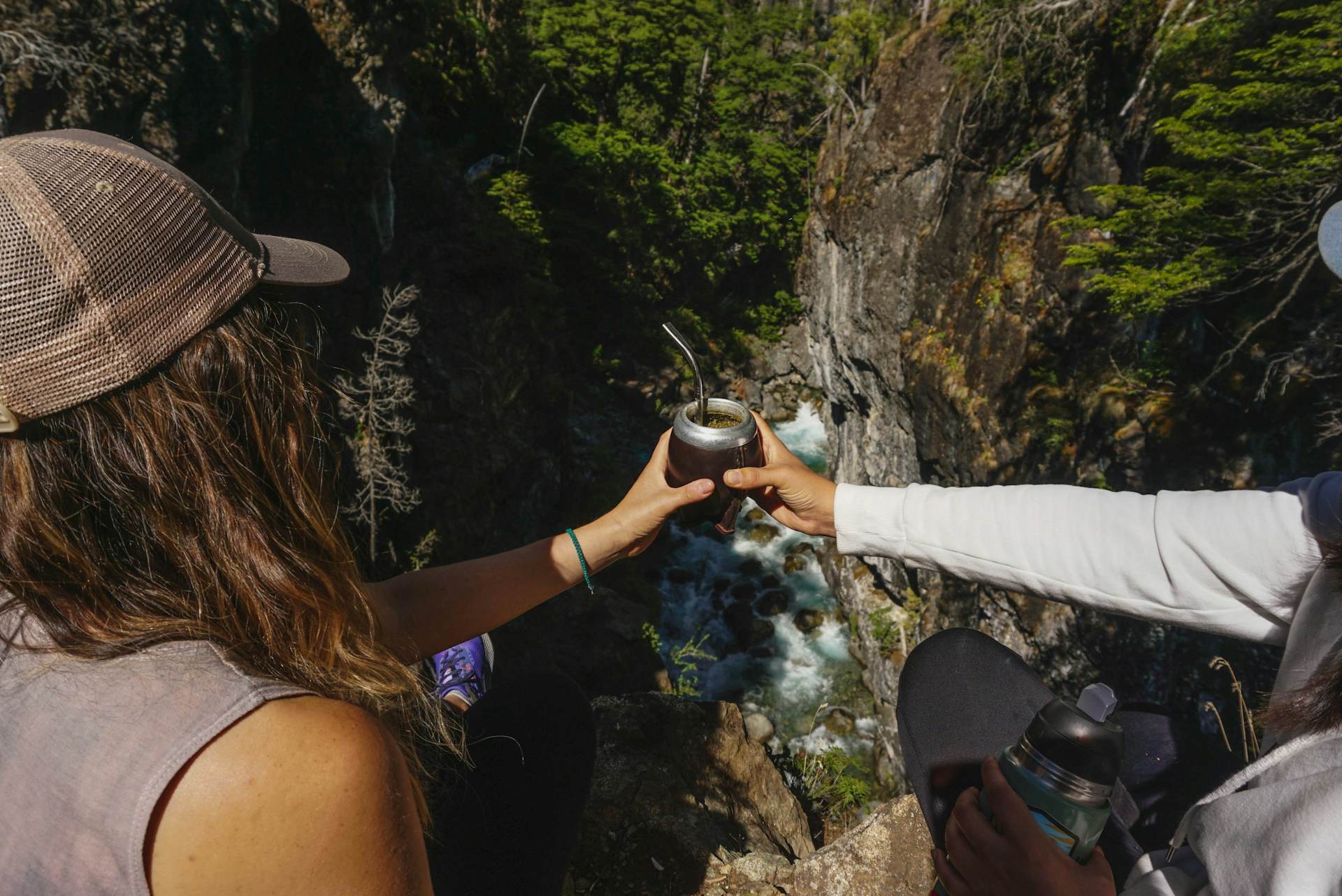
Enjoy a mate as you travel through Argentina and Chile. Get in touch, and let’s start planning your trip!
Let's plan your personalized experience
Beyond BA Latam is a local travel agency based in Argentina that designs personalized tours in Argentina, Chile and Antarctica. We are very proud to work with a knowledgeable team capable to design trips based on your interests and traveling style. We are able to bring you a different and more enjoyable experience.
Related Articles
- Gauchos of Argentina
The Gauchos of Argentina are among the country’s most iconic cultural symbols. Deeply connected to the vast pampas, these legendary horsemen embody freedom, resilience, and tradition. With their…
 Six things you need to know before traveling to Argentina - travel tips.
Argentina travel tips: 6 things to know before coming
Inspiring Tours
 Argentina and Chile Culture: Discover Art, Architecture & Heritage
Buenos Aires, Purmamarca, Salta, Mendoza and Santiago de Chile
 Mendoza Luxury Holiday & Hiking in Aconcagua Park
Buenos Aires - Bariloche - Mendoza
 Jujuy & Salta - Hiking & Comfort
Salta - Jujuy
 Trek South America's Highlights
Cusco, Santiago de Chile, Puerto Natales, El Calafate, El Chaltén y Buenos Aires
 Tierra del Fuego Hiking Tour
Tierra del Fuego, Ushuaia, Tierra del Fuego National Park, Beagle Channel, Lake Fagnano & Mitre Peninsula
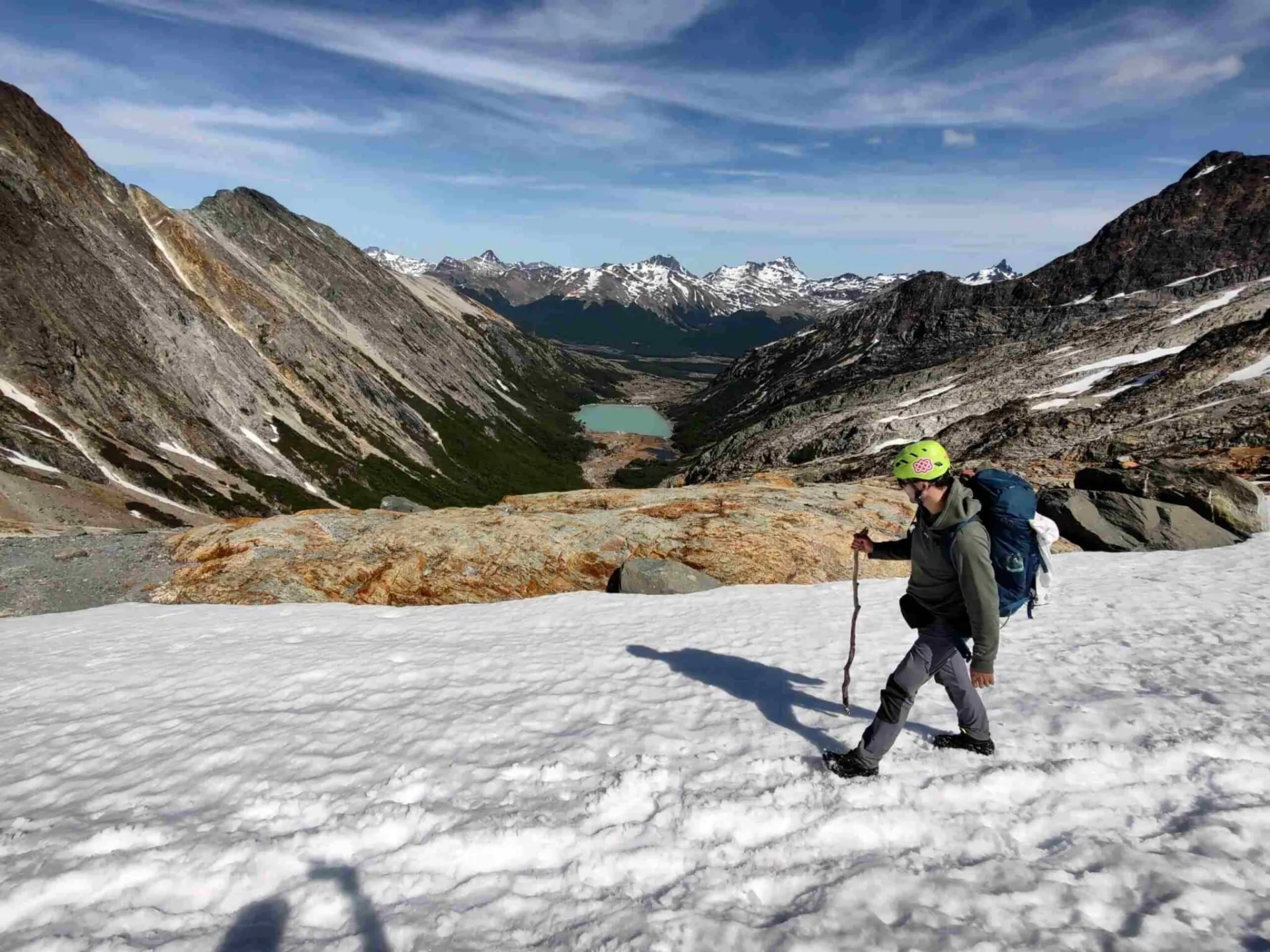 Sierra Valdivieso Circuit & Tierra del Fuego hiking tour
Ushuaia, Tierra del Fuego, Laguna Esmeralda, Lake Fagnano & Carbajal Valley.
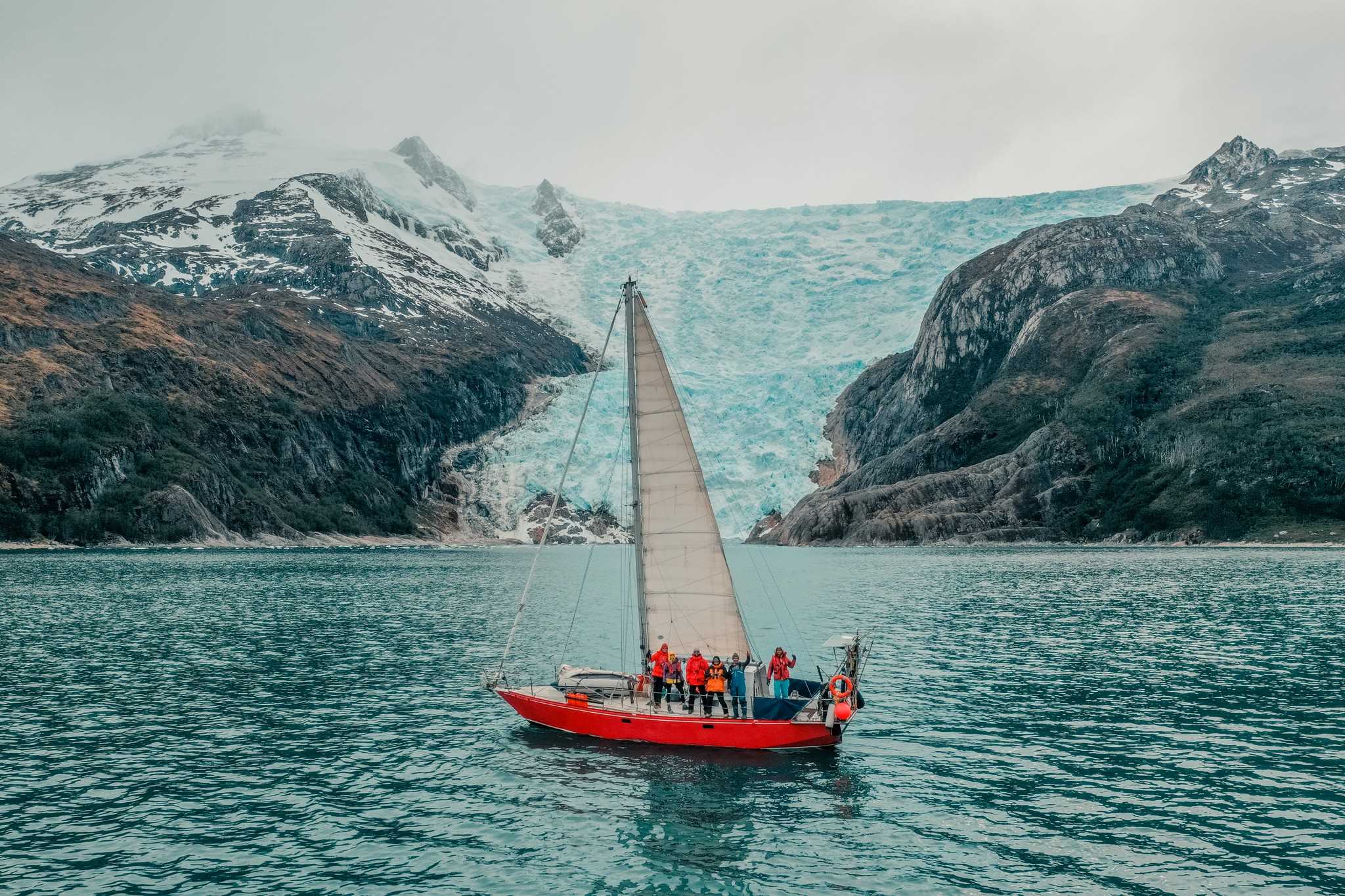 Darwin Range Patagonia Expedition (Cordillera Darwin)
Ushuaia, Puerto Williams, Beagle Channel, Darwin Range, Gordon Island, Hoste Island, Pia Fjord & Garibaldi Fjord
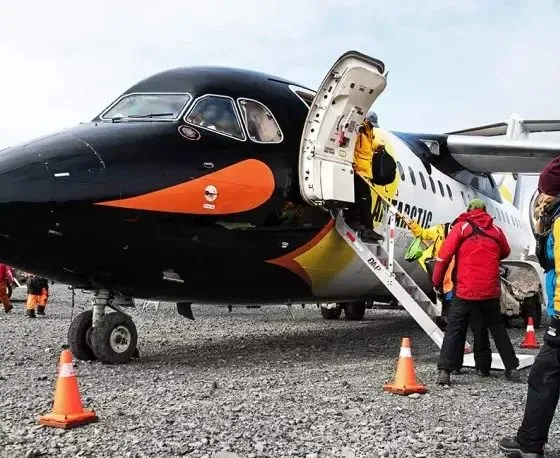 Fly the Drake: Antarctic Express
Punta Arenas, King George Island, South Shetland Islands, Antarctic Peninsula, Antarctica & Drake Passage
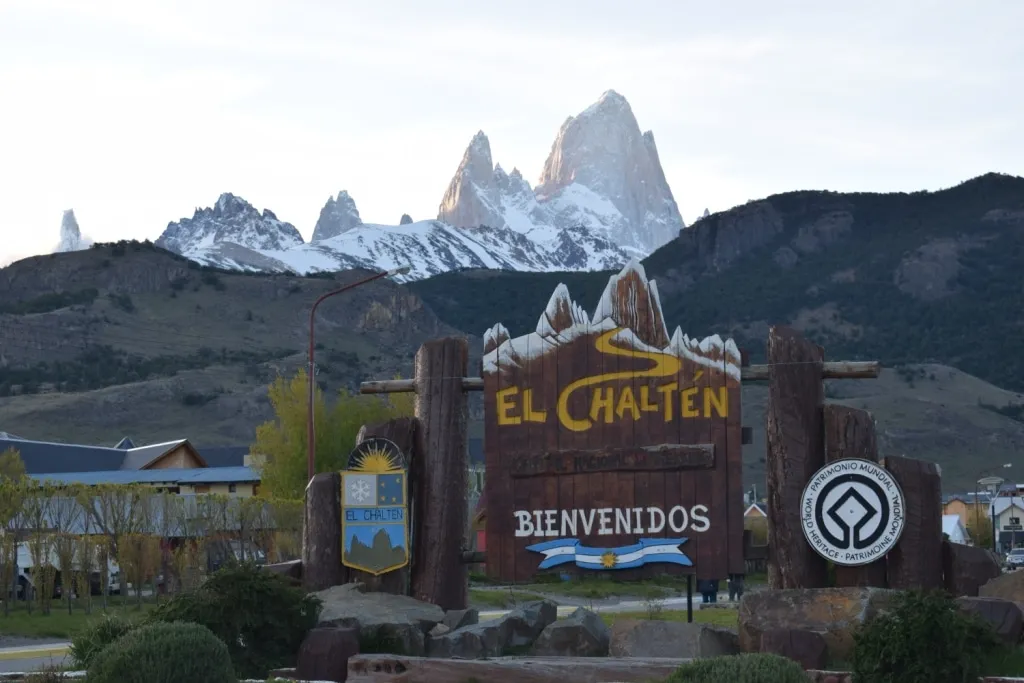 Patagonia Trekking Tour: El Calafate & El Chaltén
El Calafate, El Chaltén, Fitz Roy, Cerro Torre, Laguna de los Tres, Laguna Torre, Perito Moreno Glacier, Southern Patagonian Ice Field
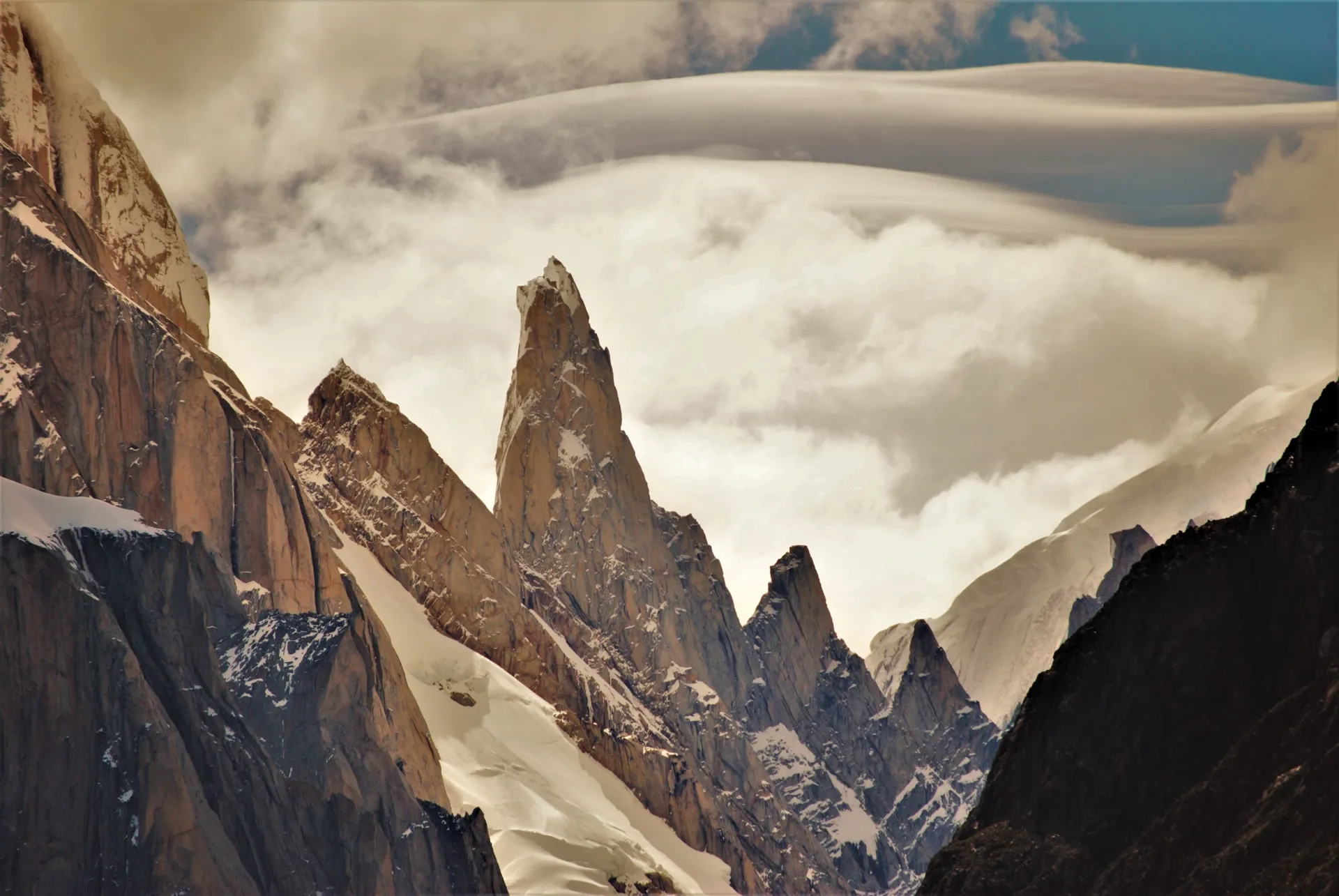 Patagonia Photo Tour
El Chaltén, El Calafate, Fitz Roy, Laguna de los Tres, Laguna Torre, Cerro Torre, Loma del Pliegue del Tumbado, Patagonia
 Argentina Herping Expedition
Buenos Aires, Iguazú Falls, Puerto Iguazú, Misiones, San Sebastián de la Selva, Iberá Wetlands, Posadas
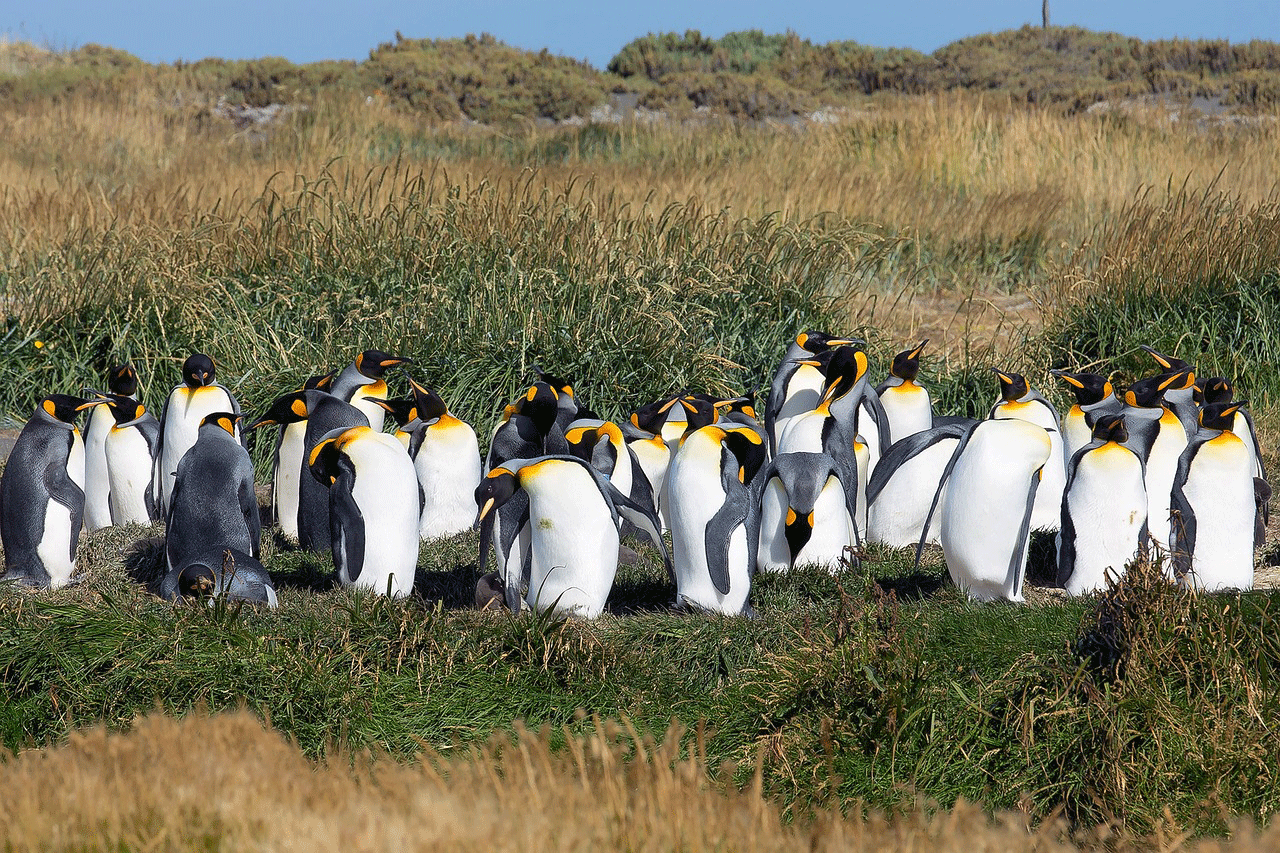 Patagonia Penguins Tour
Puerto Deseado, Peninsula Valdés, Ushuaia, Tierra del Fuego
Trips by Destination
In the following sections, you'll find tours focused on the main region you want to visit. They include traditional & thematic tours, interesting articles, and relevant information.
- Argentina
Custom-Made Experiences by Locals
 Patagonia
Custom-Made Experiences by Locals
 Chile
Custom-Made Experiences by Locals
 Northwest Argentina Holidays
Custom-Made Experiences by Locals
 Travel to Antarctica
Custom-Made Experiences by Locals
Tours by Travel Style
In the following sections, you'll find tours focused on the main region you want to visit. They include traditional & thematic tours, interesting articles, and relevant information. If your interest is focusing mainly in Chile or Antarctica, please visit our Chile and Antarctica sections.
 Classic Journeys
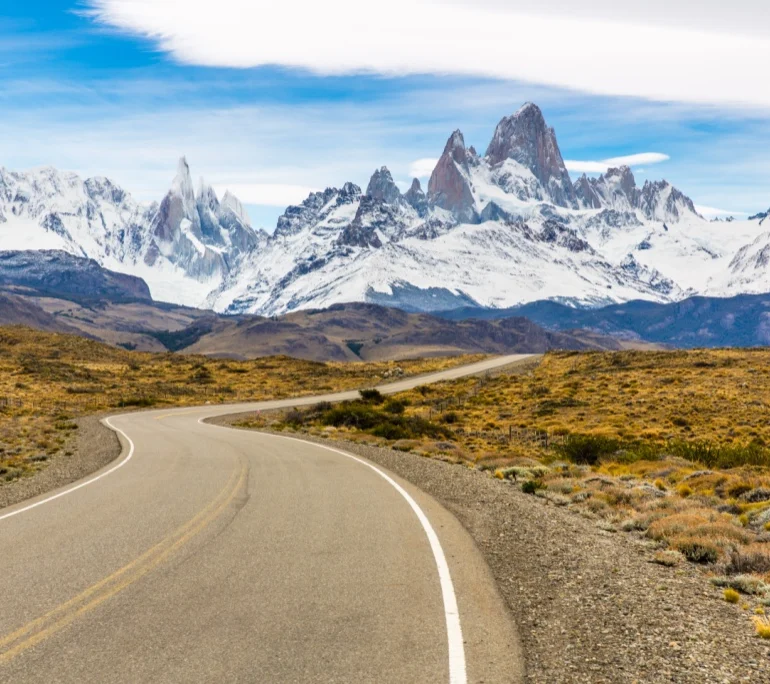 Road Trips
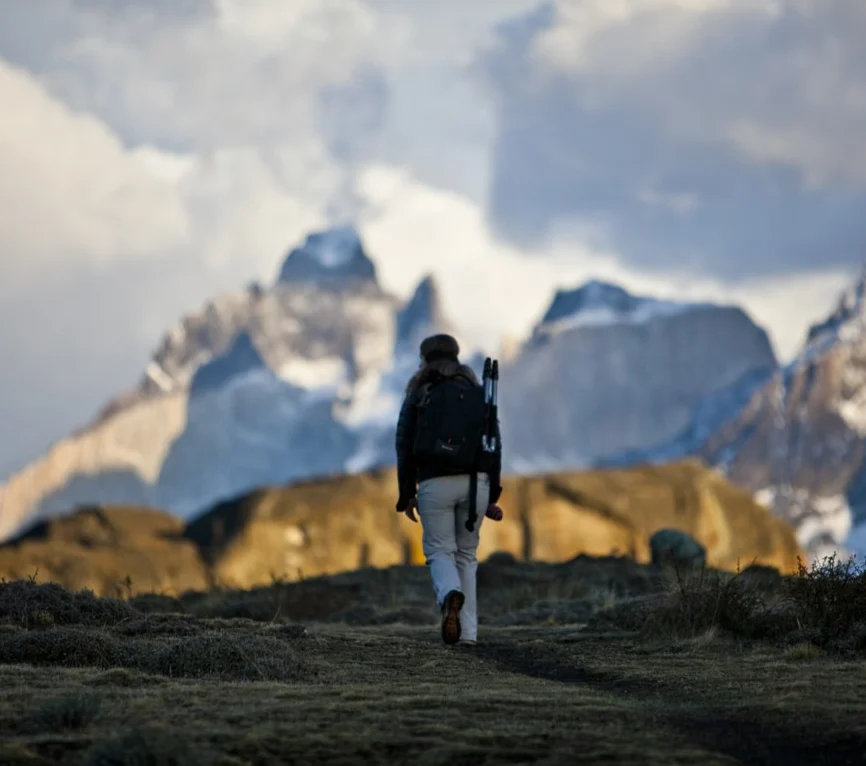 Hiking Adventures
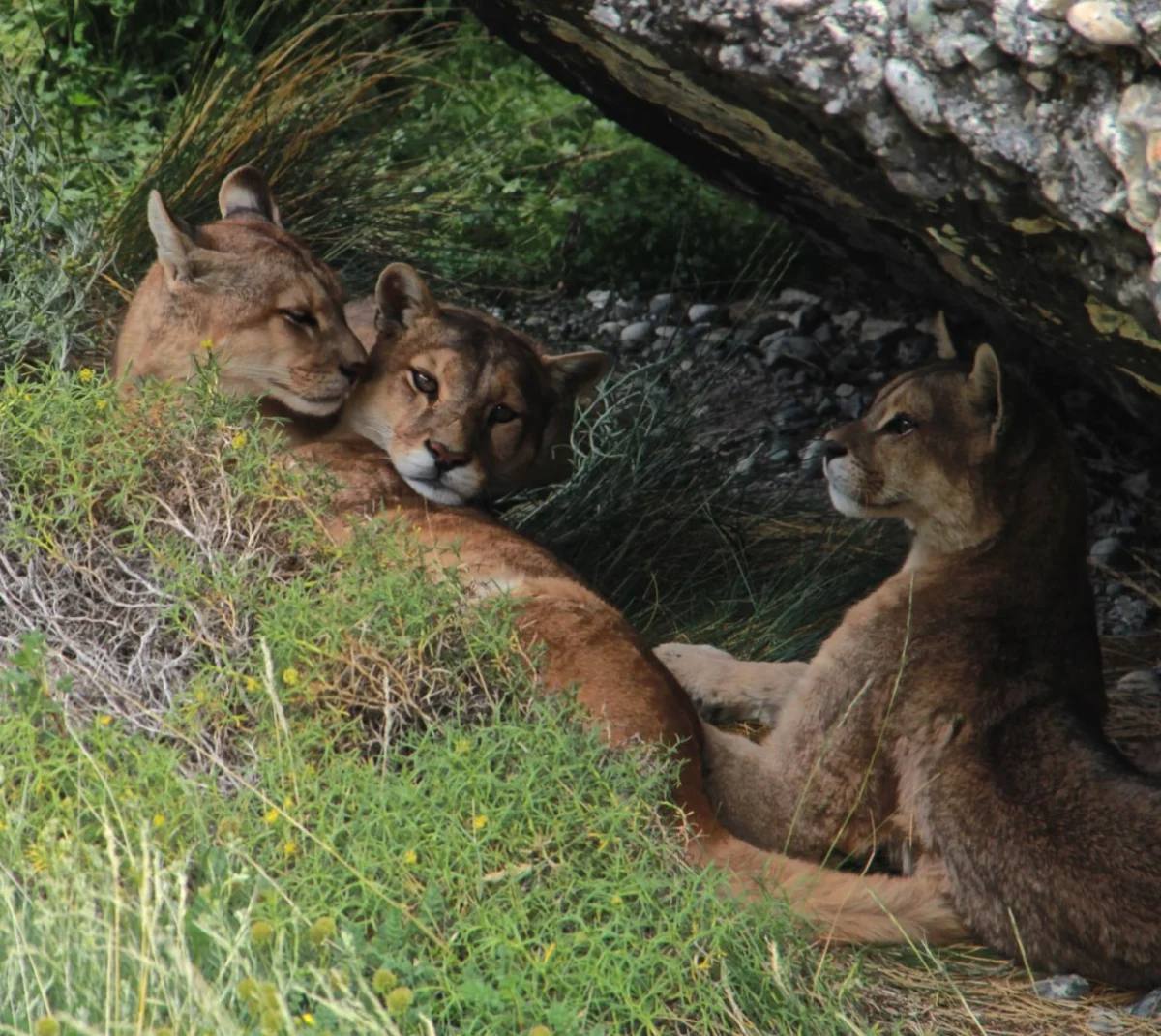 Wildlife Experiences
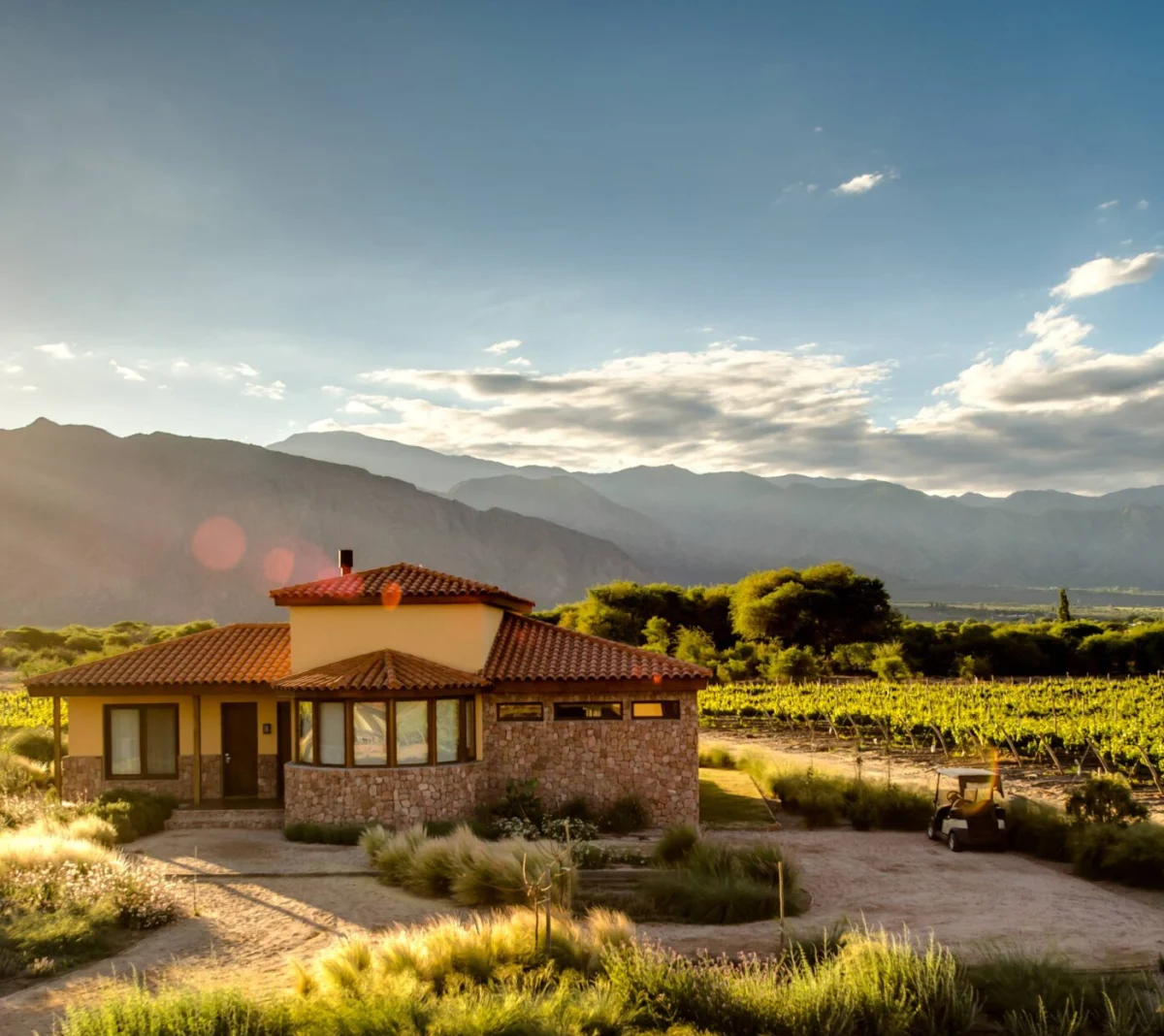 Luxury Escapes
 Foodies
 Honeymoon
 Family Travel
 Cruises