Best Walks in Buenos Aires: A Local’s Guide to the City
Hi! I’m Santiago, one of the founders of Beyond BA Latam. I live in Villa Urquiza and work in Palermo Soho, about 6 km away. Whenever I can, I make the journey on foot or by bike, sometimes…
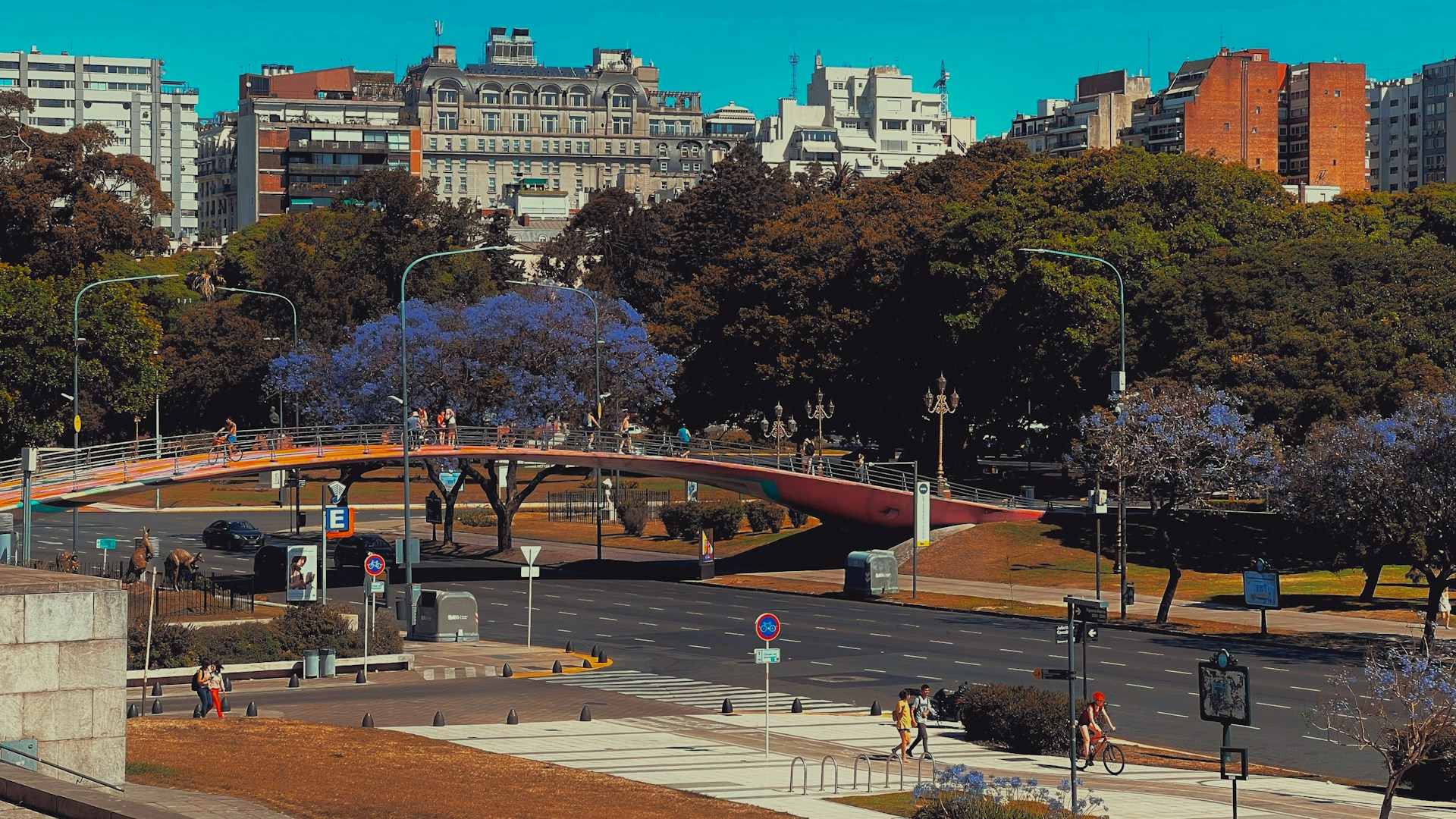
Hi! I’m Santiago, one of the founders of Beyond BA Latam. I live in Villa Urquiza and work in Palermo Soho, about 6 km away. Whenever I can, I make the journey on foot or by bike, sometimes combining walking with public transportation. The truth is, I love walking. Not just between home and work, but pretty much anywhere in Buenos Aires. Over the years, I’ve explored the city on foot alone, with friends, with my partner, and with my family, in every season and in all kinds of weather. Walking is also one of my favorite ways to understand Buenos Aires. You notice things that are easy to miss from a car or bus: a beautiful old house, a tree-lined street, a neighborhood café, a quiet square, or the way one neighborhood gradually changes into another. So, if you’re looking for the best walks in Buenos Aires, here are some of my favorite neighborhoods and areas to explore—from well-known places to quieter corners where local life takes center stage.
Belgrano (Mostly Local)
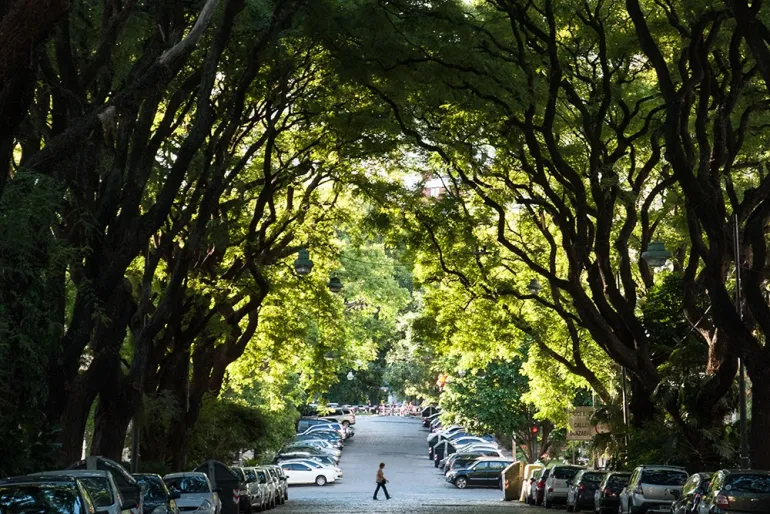
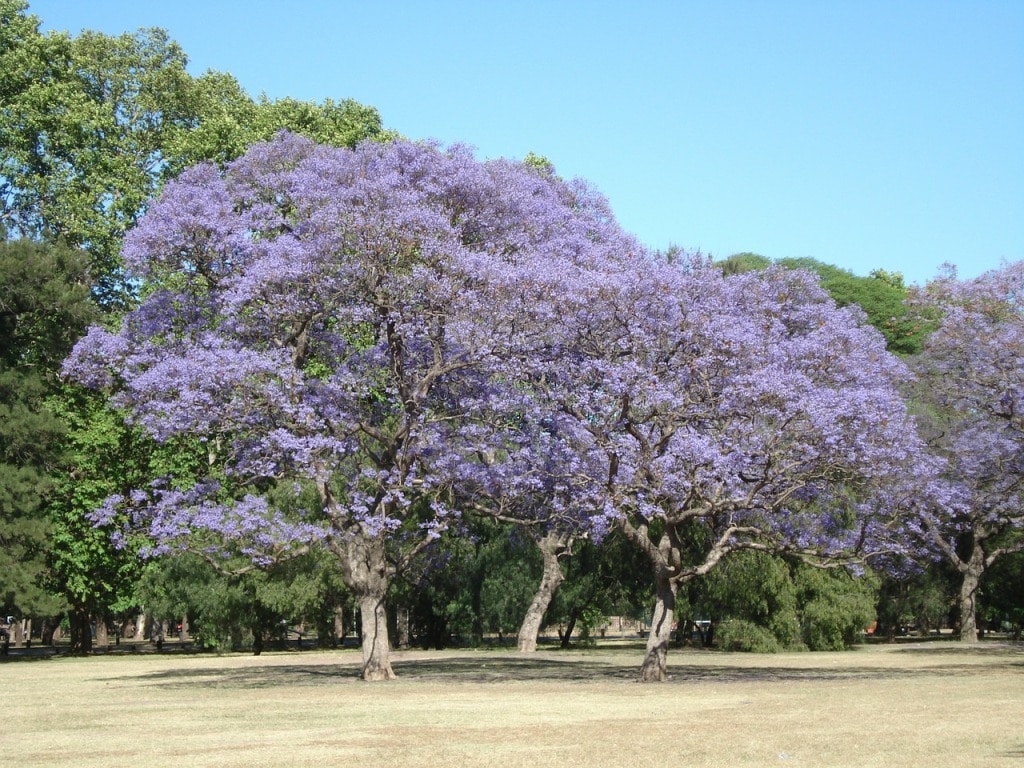
Belgrano is a large neighborhood in northern Buenos Aires, with Belgrano R being one of its most residential areas. It is known for Victorian and English-style houses, mature trees, wide sidewalks, and quiet cobblestone streets. It’s one of my favorite places to walk, particularly in autumn and spring. One of the highlights is Melián Avenue, where Victorian-style houses sit beneath a natural canopy of Tipuana tipu trees, locally known as tipas. In December, their yellow flowers fall onto the streets, creating a beautiful golden carpet. Melián is also a great example of the variety of trees found throughout Buenos Aires. Jacarandas, liquidambars, silk floss trees (palo borracho), ceibos, lapachos, and many other species add color to the city throughout the year. If you’d like to discover more about the trees that give Buenos Aires so much of its character, take a look at our guide to the Trees of Buenos Aires.
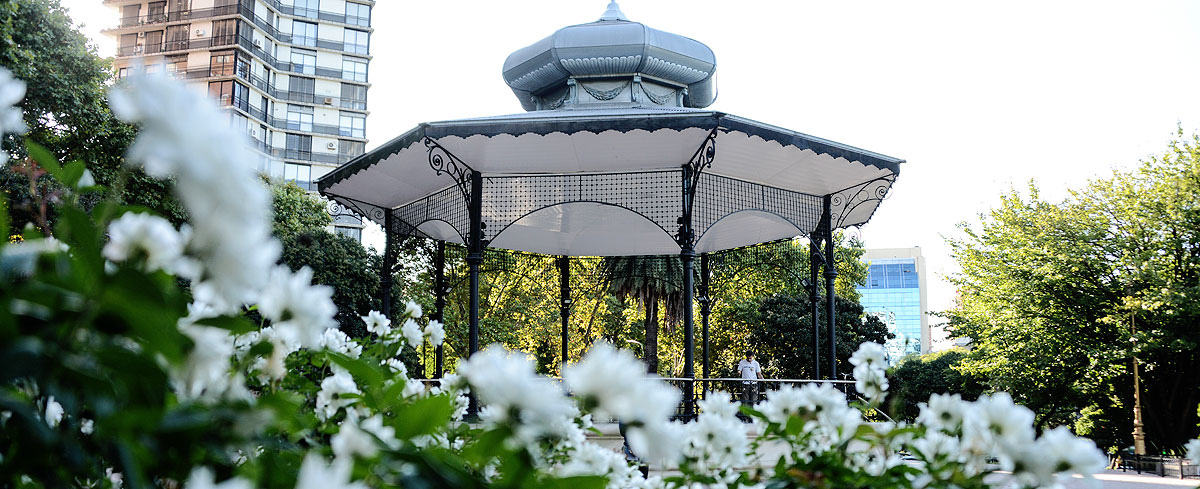
Another pleasant stop is Castelli Square, with cafés and restaurants around it and Belgrano R train station nearby. The more central part of Belgrano is busier but still feels distinctly local. A walk can include Barrancas de Belgrano, Chinatown, the square with its distinctive dome, and nearby cultural attractions such as the Museo de Arte Español Enrique Larreta.
Palermo (Popular and Local)
Technically, Palermo is one neighborhood, but locals commonly refer to different areas within it, including Palermo Soho and Palermo Hollywood. Both have a lively, bohemian atmosphere, particularly in the late afternoon when people finish work and head out for an after-office drink. Cafés, bars, and restaurants fill the sidewalks, while old houses and low-rise buildings mix with newer developments. In Palermo Soho, I especially like the small pasajes around Plaza Serrano, where quieter streets branch away from the area's busier commercial corners. In Palermo Hollywood, I enjoy the area toward Colegiales, particularly around Dorrego Street and Plaza Mafalda. These areas are popular, but walking a few blocks away from the main streets often reveals a quieter and more residential side of Palermo.
Villa Urquiza & Parque Chas (Local Buenos Aires)
I have a strong emotional connection to Villa Urquiza. My grandma: Titi, has lived here since I was born, and a big part of my story is connected to this neighborhood. I grew up in Morón, in the Buenos Aires suburbs—a place that still has a special piece of my heart. You might know it from Milo J’s Tiny Desk, but for me, Morón is also about football: I share the local passion for Club Deportivo Morón, or simply El Gallo, as we call it. When I was 30, I came back to Villa Urquiza and eventually moved onto the same corner where my grandma lives.
Villa Urquiza is primarily residential, with a strong local atmosphere. At the same time, parts of the neighborhood have changed considerably, with modern apartment buildings appearing alongside traditional houses. I particularly enjoy Mendoza Boulevard and the area around Donado and Holmberg streets, sometimes known as Urquiza Do-Ho. North of the railway, the neighborhood retains more of its traditional character, with quiet streets, houses, mature trees, and everyday local life. Next to Villa Urquiza is Parque Chas, one of Buenos Aires' most unusual neighborhoods. Unlike the city's traditional grid, its streets follow a more irregular pattern, with many named after European capitals. It’s a fun area to explore without following a specific route.
Saavedra & Coghlan (Quiet and Residential)
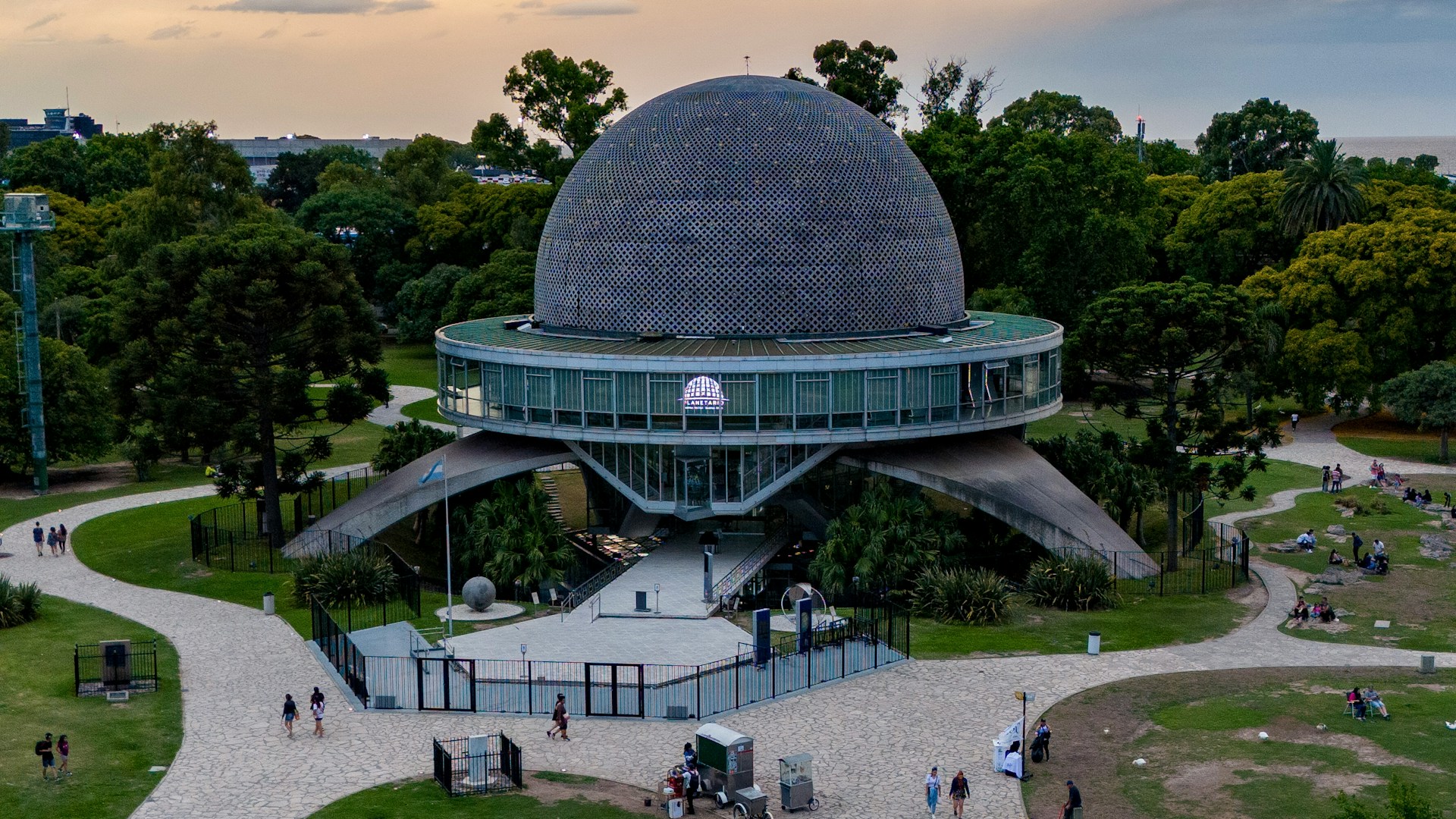
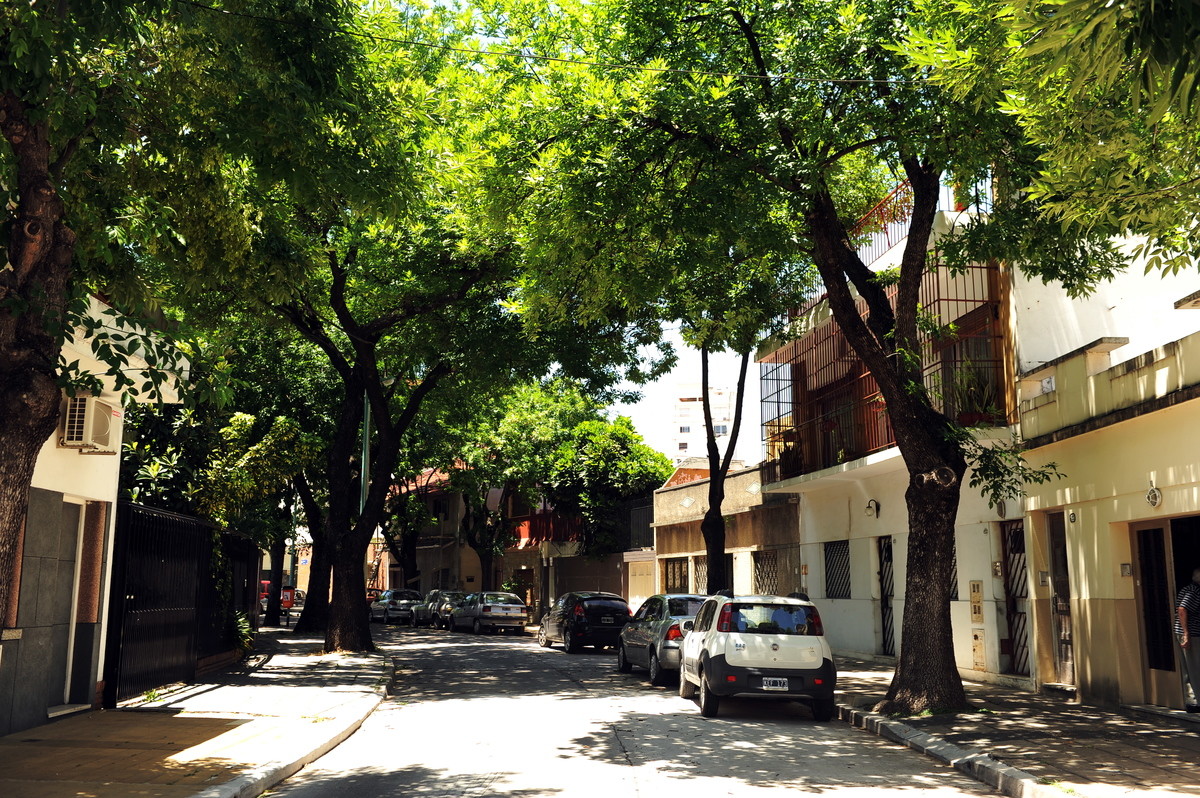
Coghlan borders Villa Urquiza and Belgrano, and one of my favorite areas is around the Coghlan train station, where old houses, gardens, mature trees, small cafés, children's squares, and street art come together. Nearby Saavedra has several green spaces, including Saavedra Park, Sarmiento Park, Mujica Park, and General Paz Park, as well as quiet residential streets. There is also a smaller area known as Barrio Saavedra, between Crisólogo Larralde Street and Mujica Park. Its layout differs from the traditional Buenos Aires grid, and its residential streets have a distinct neighborhood identity. This part of the city is a good option when the goal is simply to slow down and walk without a particular sightseeing agenda.
Colegiales, Chacarita & Villa Crespo (Popular and Local)
These three neighborhoods sit between Palermo and the northern neighborhoods mentioned above. Together, they blend old warehouses, renovated PH houses, cafés, bars, art spaces, flea markets, and local businesses, creating a lively mix of old and new Buenos Aires. The Mercado de las Pulgas is one of the area's best-known landmarks, while the surrounding streets reveal a more residential side of the city. Colegiales, Chacarita, and Villa Crespo have also become popular gathering places for music, art, food, and nightlife. They are among the more dynamic areas of Buenos Aires, with new places constantly appearing alongside long-established neighborhood businesses.
Other Great Places to Walk in Buenos Aires
The best walks in Buenos Aires aren't limited to the neighborhoods above. Some other areas I enjoy exploring on foot include:
📍Villa Devoto: especially around Plaza Arenales, with its cafés, restaurants, and tree-lined streets.
📍Palermo Chico: known for its elegant residential streets and embassy district.
📍Bosques de Palermo: including the Rosedal, Botanical Garden, and surrounding parks.
📍Recoleta: for its architecture, leafy streets, cafés, museums, and historic landmarks.
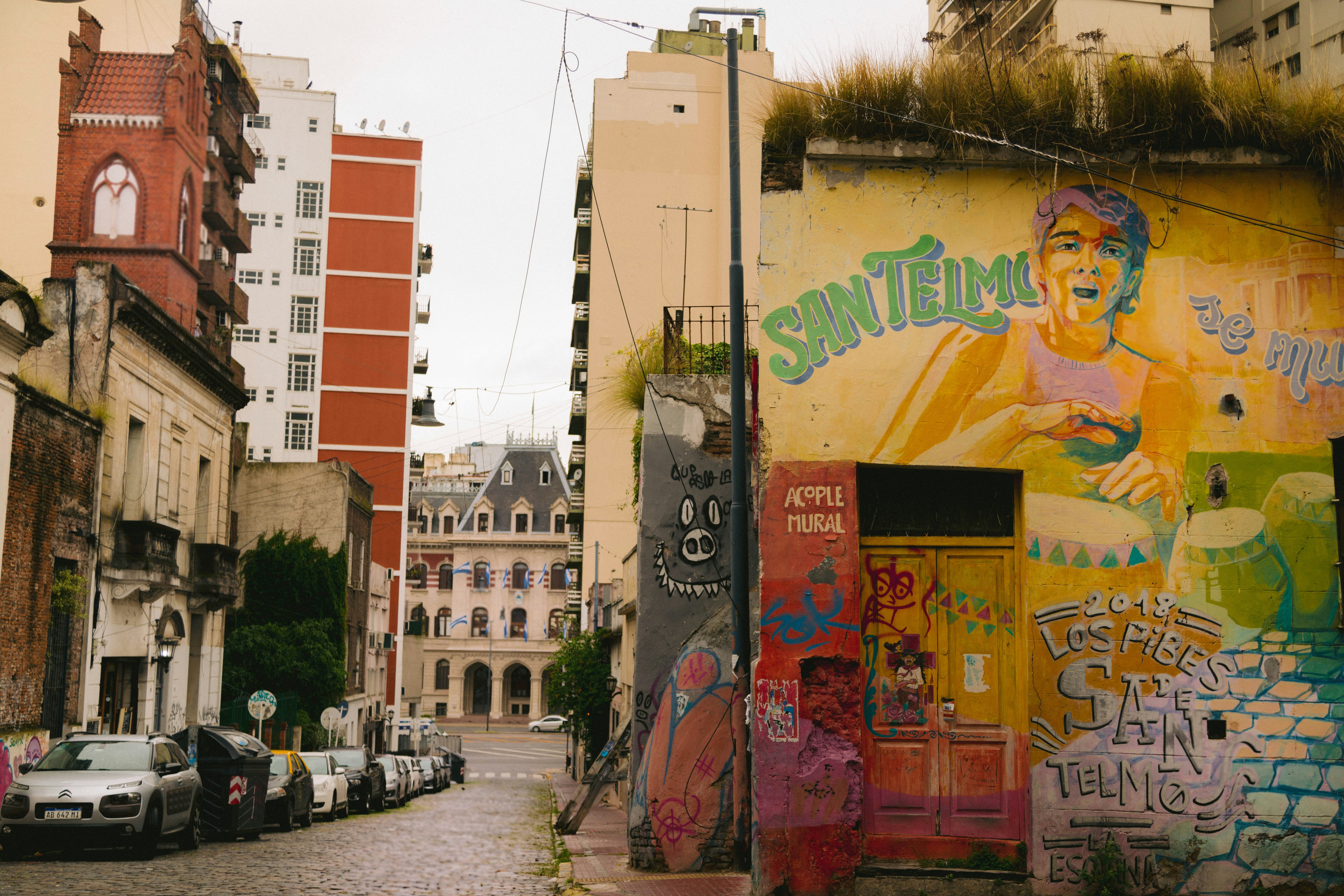
📍San Telmo: with its historic streets, old buildings, antique shops, cafés, and neighborhood atmosphere.
📍Costanera Sur Ecological Reserve: for a completely different experience, combining walking with nature and views of the Río de la Plata.
📍Avenida de Mayo: the historic avenue connecting Plaza de Mayo and Congress, with impressive architecture and landmarks along the way.
📍Puerto Madero: for modern architecture, waterfront paths, and access to the Costanera.
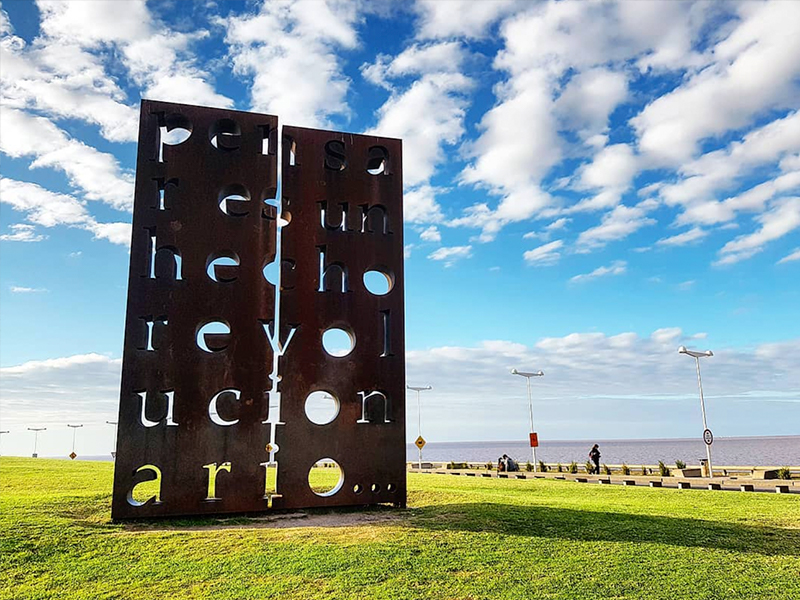
📍Parque de la Memoria and Costanera Norte: a quieter riverside area with open spaces, contemporary art, and views across the Río de la Plata.
And there are plenty of other neighborhoods to explore, from Núñez and Caballito to the southern and western parts of the city. That's one of the things I love about Buenos Aires: you don't always need a destination. Sometimes the best part is simply seeing where the next street takes you.
When Is the Best Time to Walk in Buenos Aires?
Buenos Aires can be explored on foot throughout the year, but spring and autumn are particularly comfortable for longer walks. These seasons bring pleasant temperatures and, in spring, plenty of color from the city's flowering trees. Summer can be hot, especially around midday, so early morning or late afternoon is generally more comfortable for longer walks. Winter is cooler but can still be a good time to explore the city, particularly on sunny days. Whatever the season, comfortable shoes are essential—and in Buenos Aires, a light jacket can be useful even when the day starts warm.
Let's plan your personalized experience
Beyond BA Latam is a local travel agency based in Argentina that designs personalized tours in Argentina, Chile and Antarctica. We are very proud to work with a knowledgeable team capable to design trips based on your interests and traveling style. We are able to bring you a different and more enjoyable experience.
Related Articles
 Trees of Buenos Aires
Hi! This is Santiago, one of the founders of Beyond BA Latam. I live in Buenos Aires, and one of the things I like the most about this city is its urban forestation, both in the streets and the parks.…
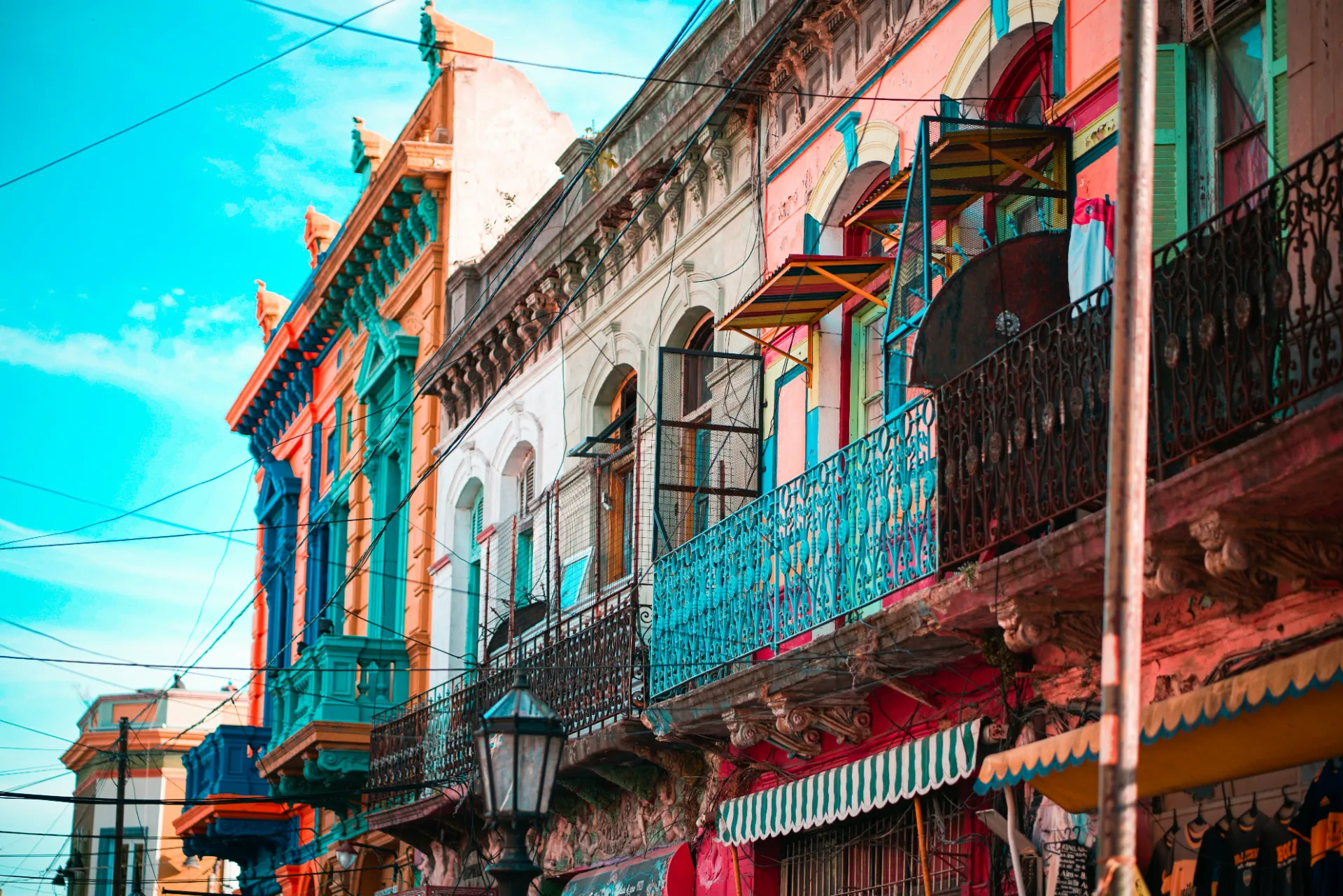 What to Do in Buenos Aires for a Week: The Perfect Itinerary
Are you planning a Honeymoon in Argentina? Are you visiting with friends, as a couple, solo, or with family? If you're wondering what to do in Buenos Aires for a week, this itinerary can help you make…
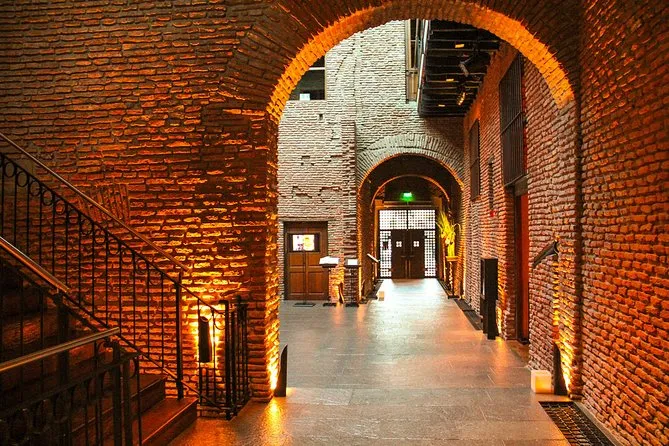 Underground Buenos Aires: Discover Fascinating Tunnels & Colonial History
Discover underground Buenos Aires, a hidden side of the city beneath its streets, where secret tunnels, archaeological sites, and colonial history reveal stories from the city’s past. From historic…
 Bookstores in Buenos Aires: Fascinating Places for Book Lovers
Buenos Aires has a rich literary and cultural heritage, and its bookstores are an important part of the city’s identity. From grand historic landmarks and beautifully preserved interiors to charming…
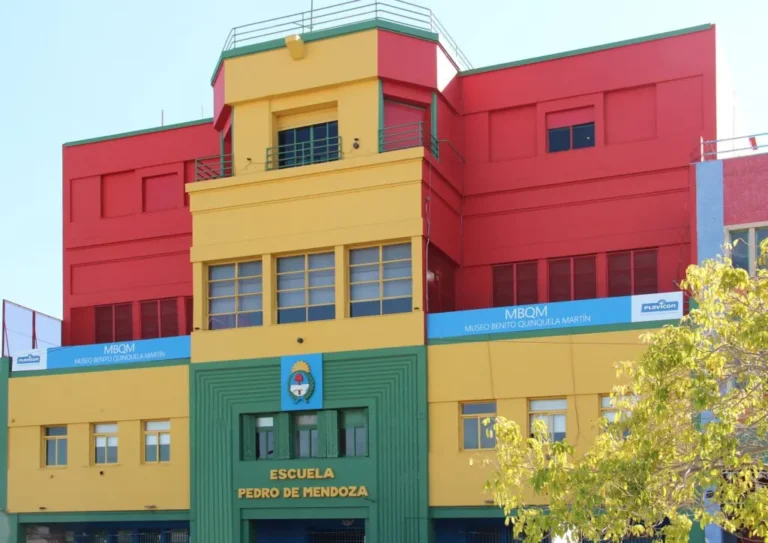 Best Museums in Buenos Aires: A Visitor’s Guide
Buenos Aires, the dynamic capital of Argentina, is known for its tango, architecture, gastronomy, and rich cultural scene. It is also home to an impressive variety of museums, offering everything from…
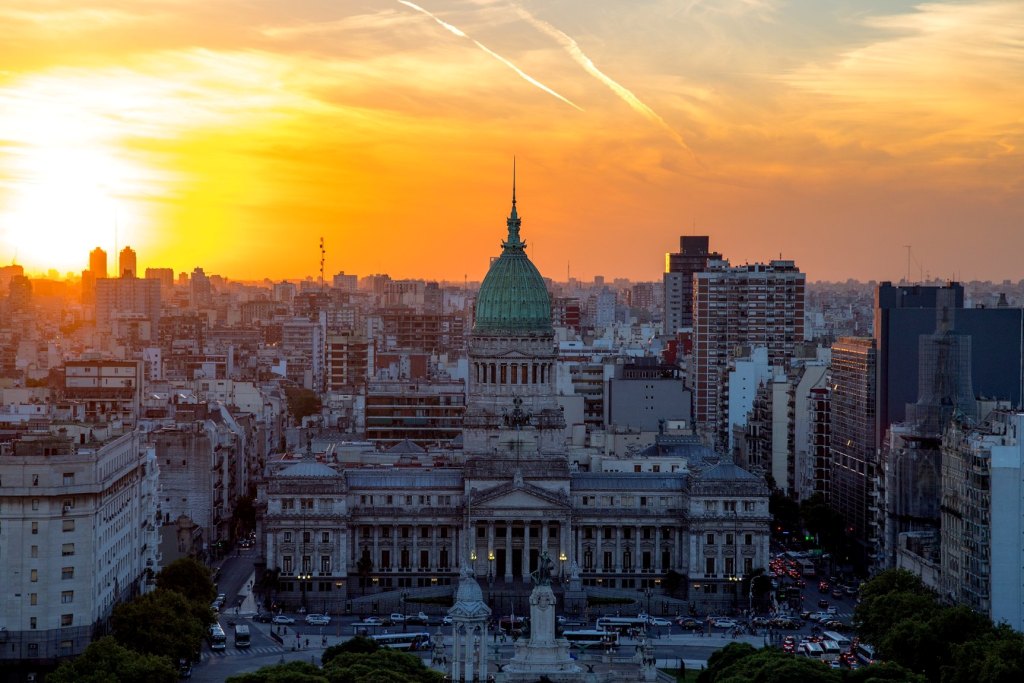 Best Time to Visit Buenos Aires
Although the “Paris of Latin America” can be enjoyed year-round, autumn and spring are often considered the best seasons to visit Buenos Aires, thanks to their mild weather, colorful landscapes, and…
Inspiring Tours
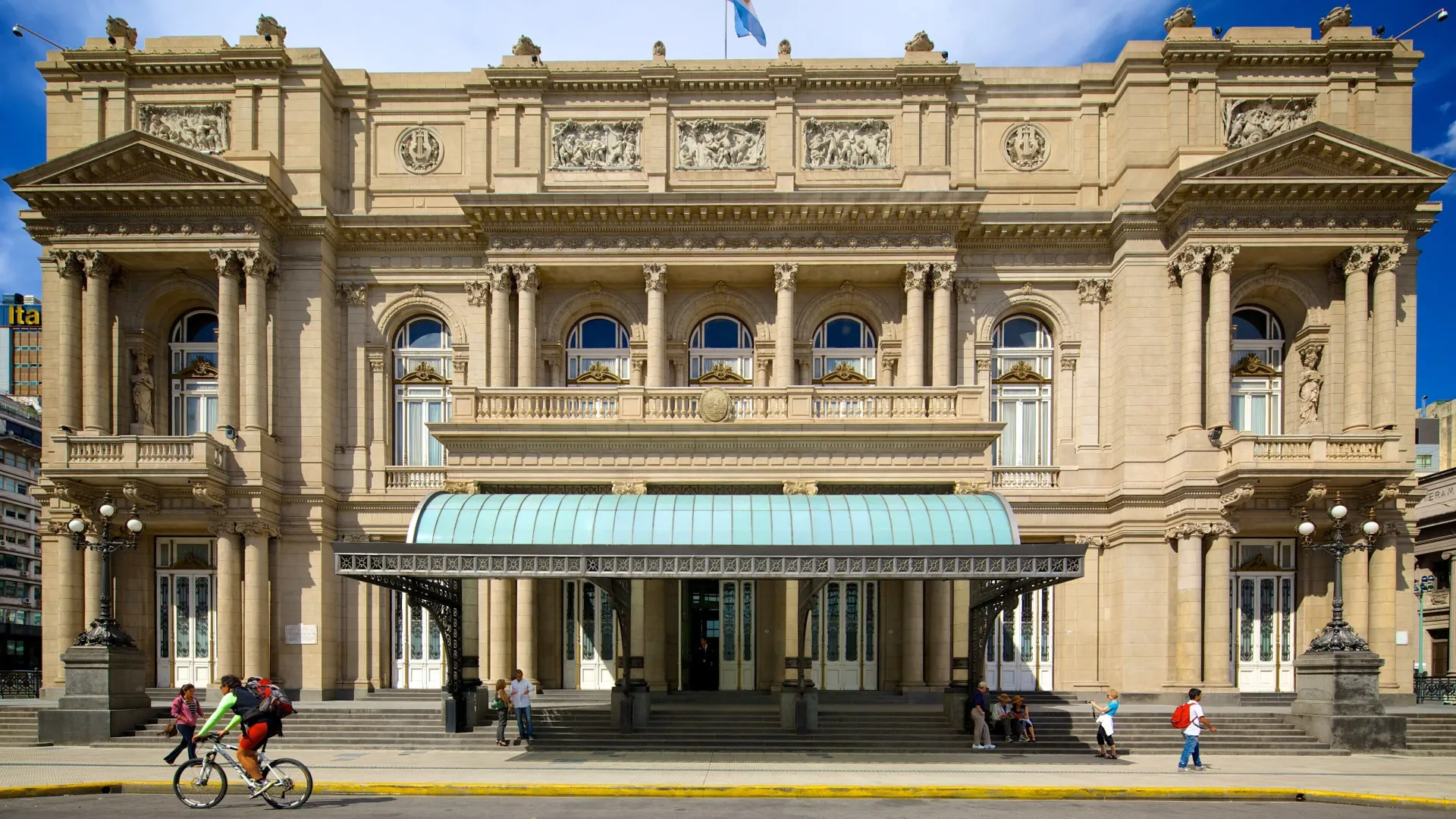 Argentina and Chile Culture: Discover Art, Architecture & Heritage
Buenos Aires, Purmamarca, Salta, Mendoza and Santiago de Chile
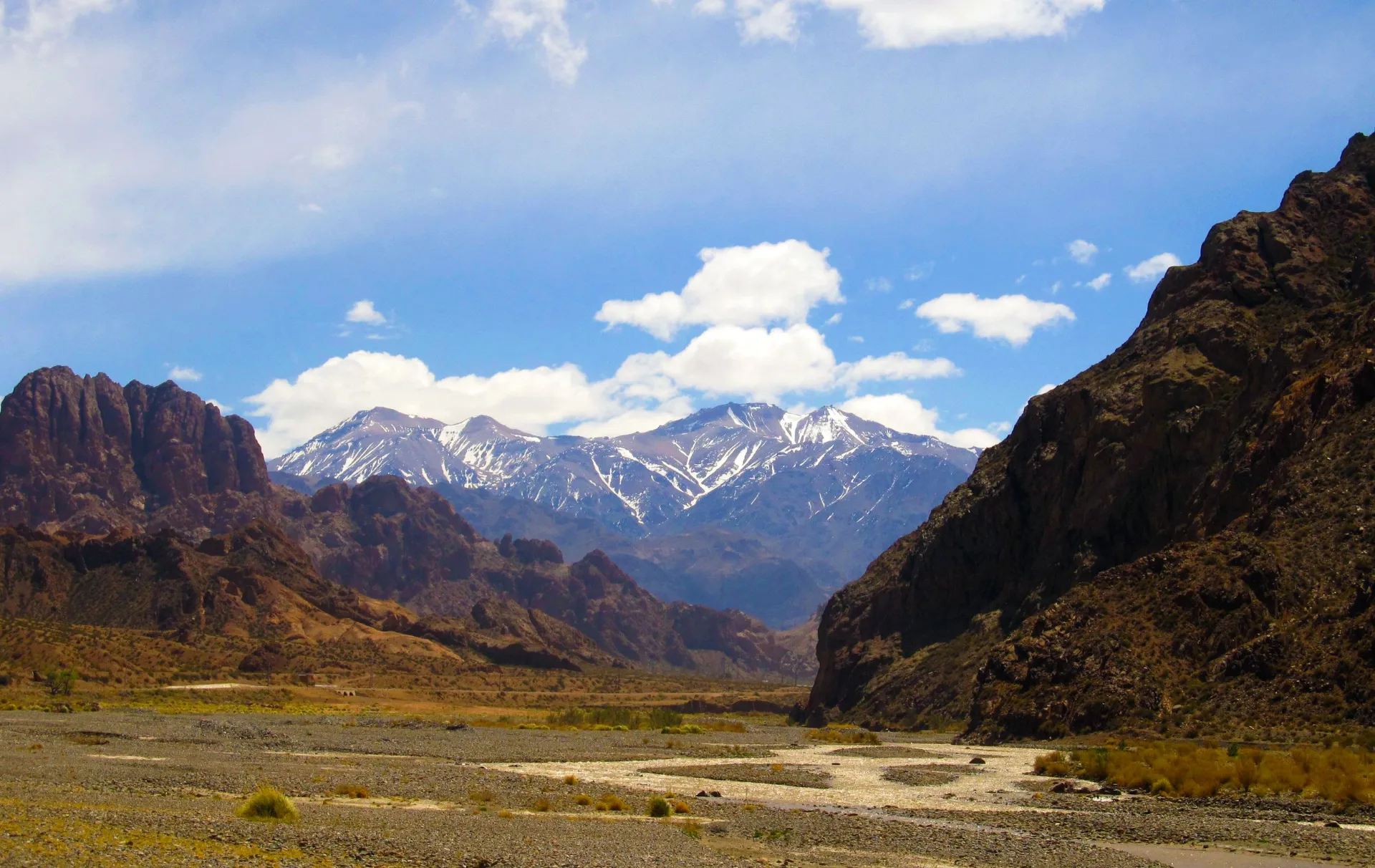 Mendoza Luxury Holiday & Hiking in Aconcagua Park
Buenos Aires - Bariloche - Mendoza
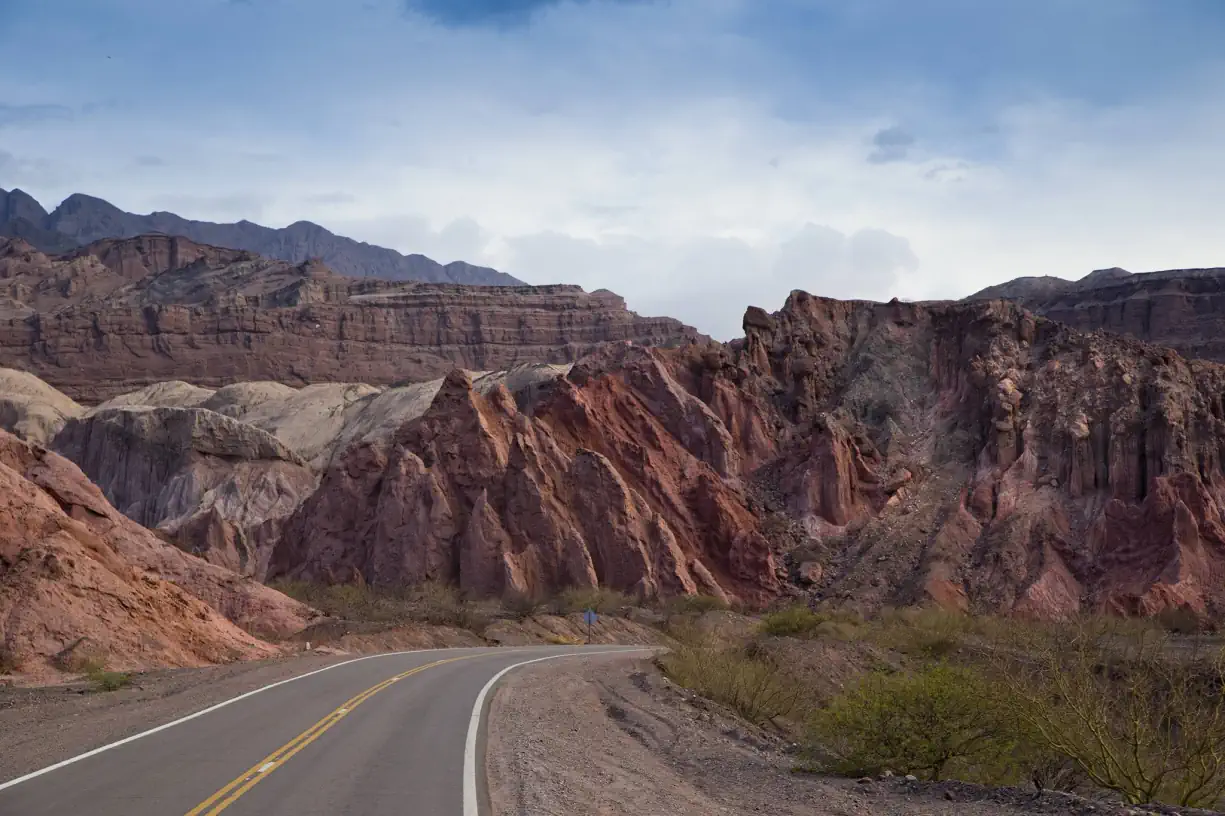 Jujuy & Salta - Hiking & Comfort
Salta - Jujuy
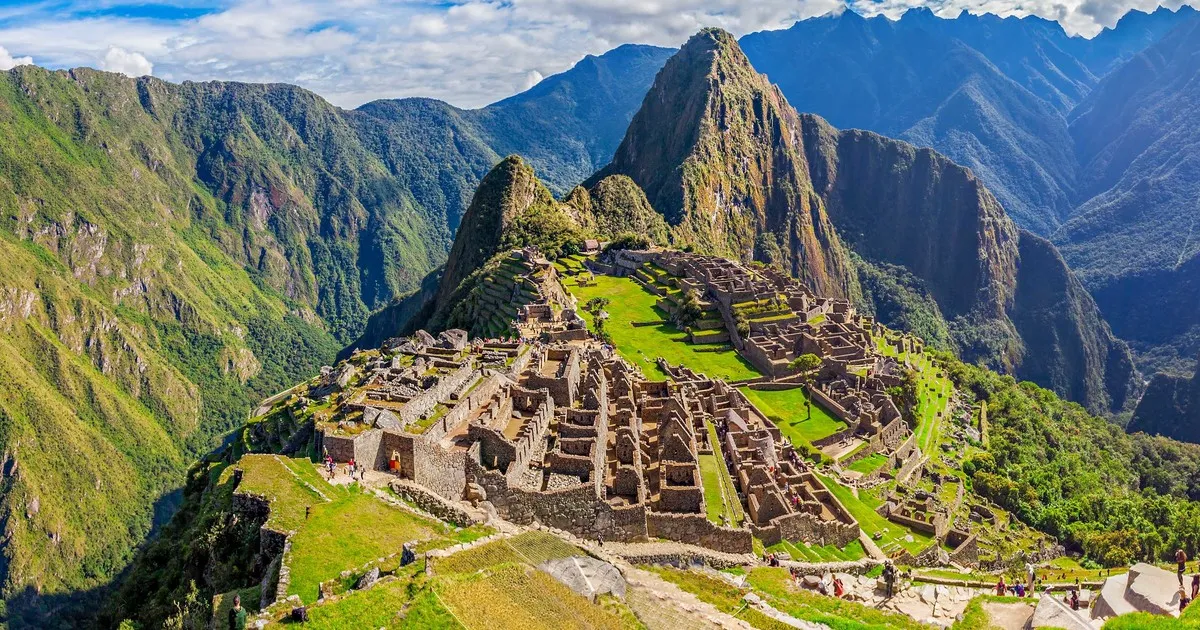 Trek South America's Highlights
Cusco, Santiago de Chile, Puerto Natales, El Calafate, El Chaltén y Buenos Aires
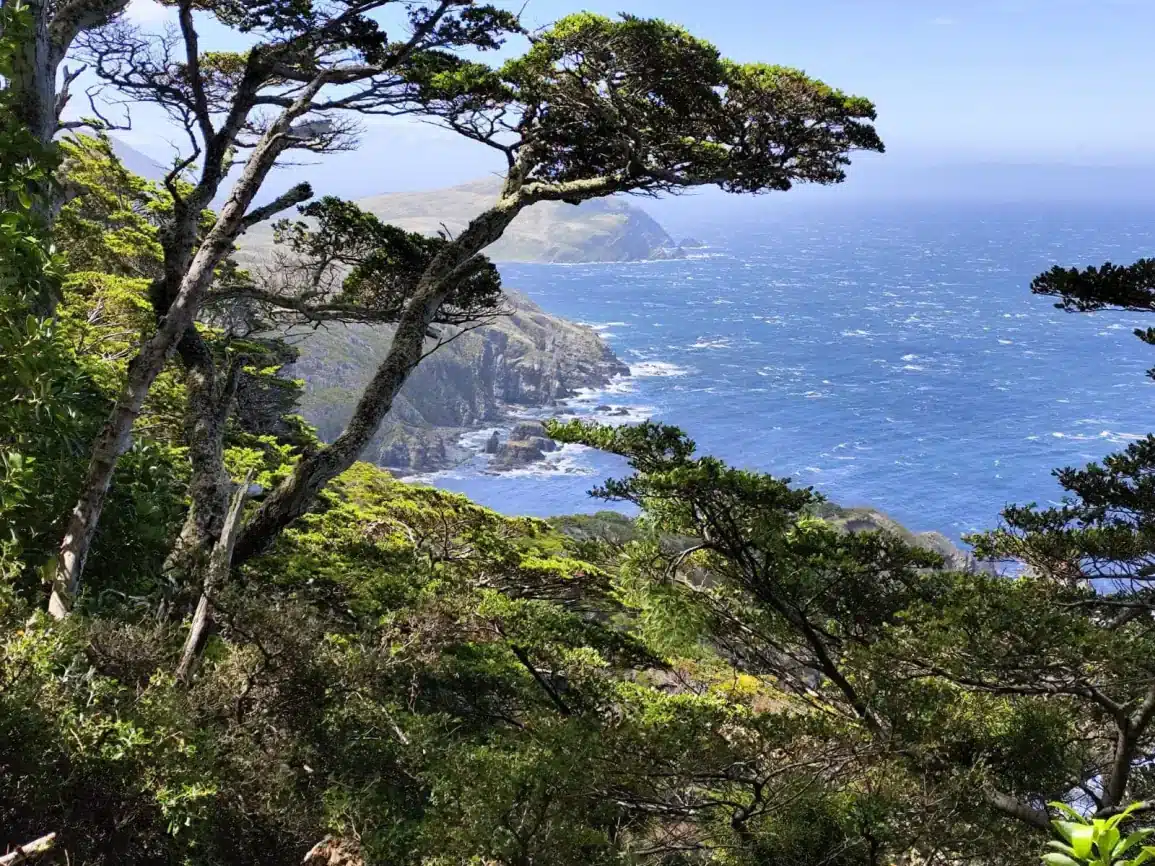 Tierra del Fuego Hiking Tour
Tierra del Fuego, Ushuaia, Tierra del Fuego National Park, Beagle Channel, Lake Fagnano & Mitre Peninsula
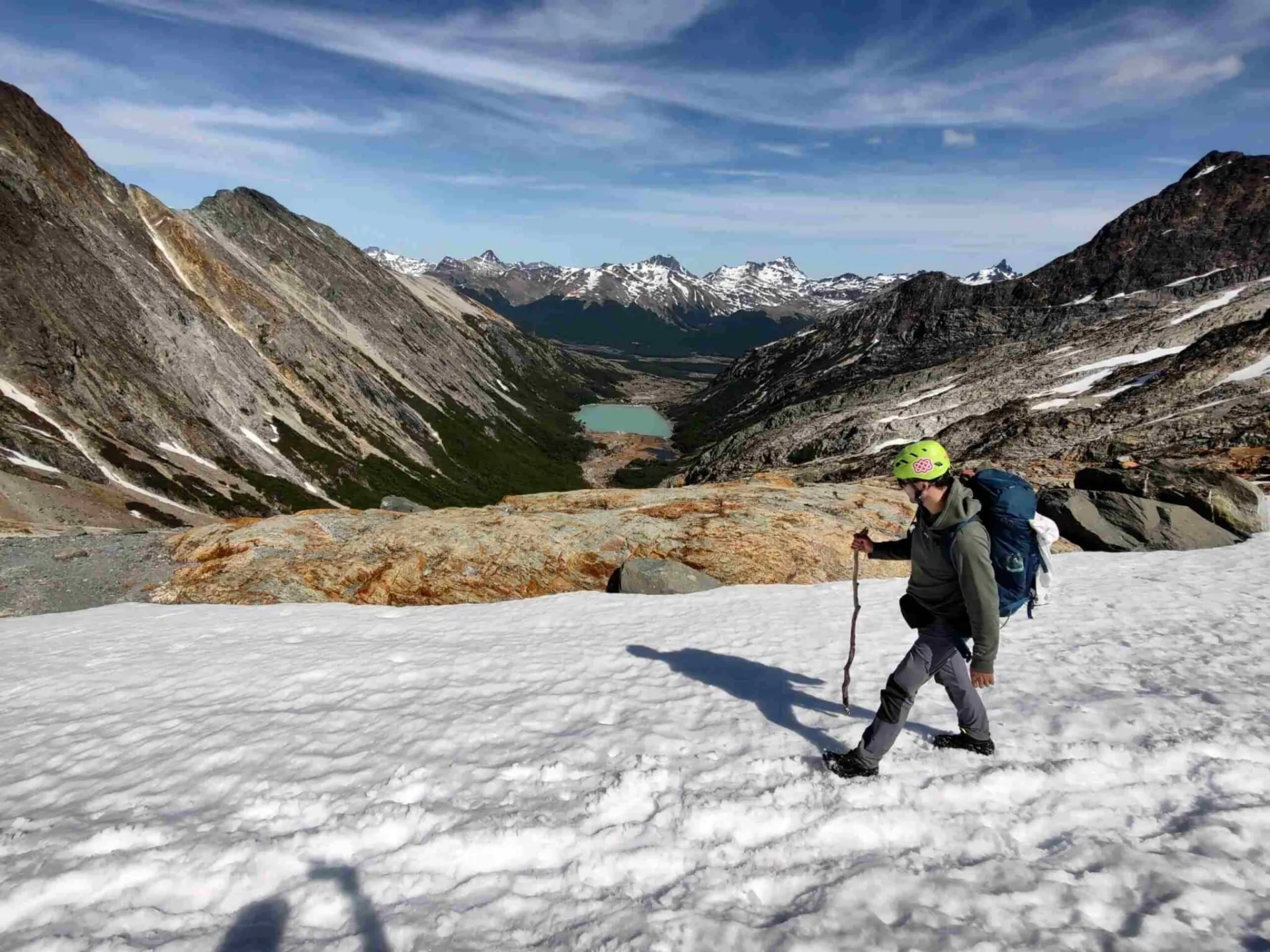 Sierra Valdivieso Circuit & Tierra del Fuego hiking tour
Ushuaia, Tierra del Fuego, Laguna Esmeralda, Lake Fagnano & Carbajal Valley.
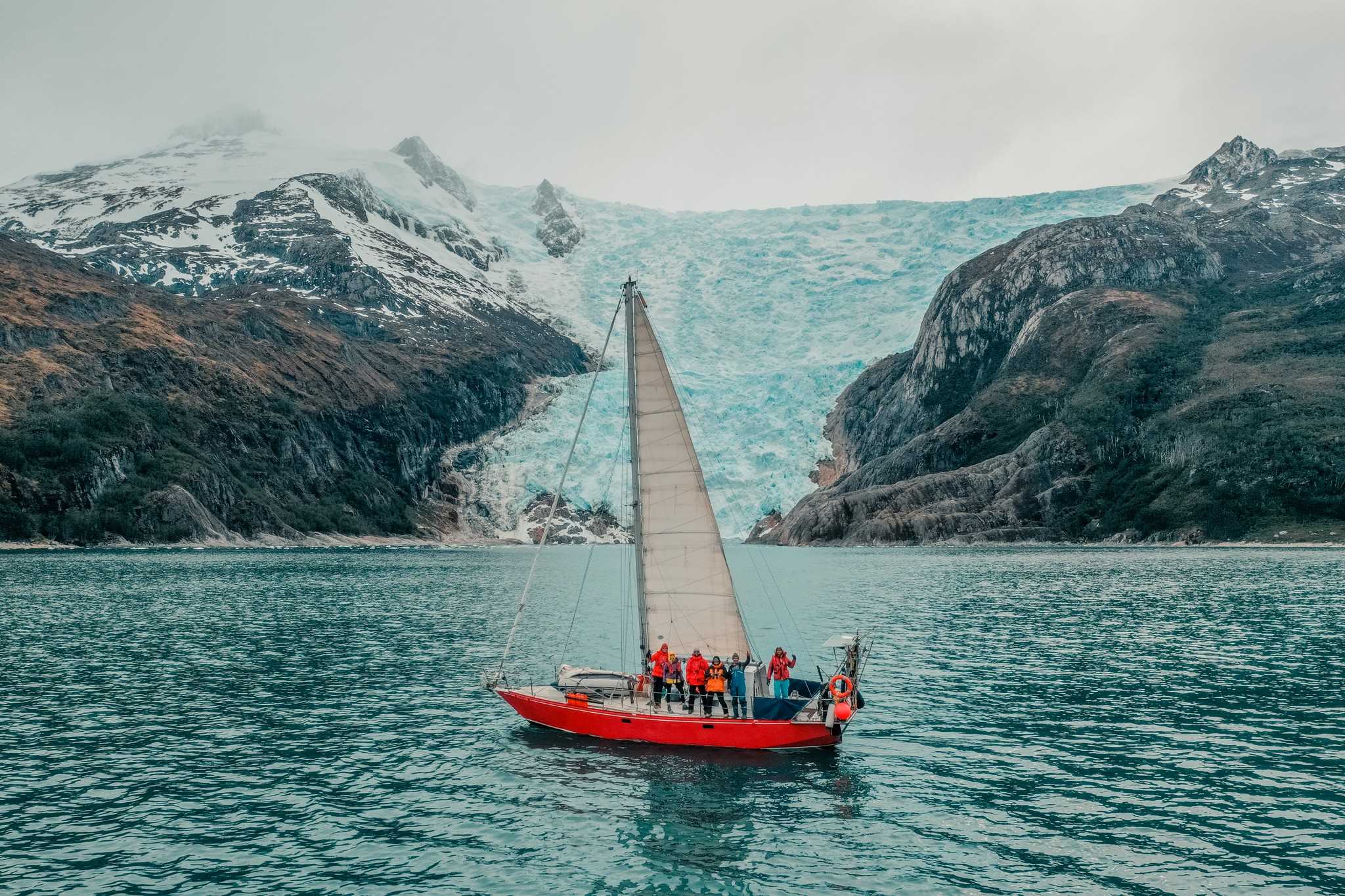 Darwin Range Patagonia Expedition (Cordillera Darwin)
Ushuaia, Puerto Williams, Beagle Channel, Darwin Range, Gordon Island, Hoste Island, Pia Fjord & Garibaldi Fjord
 Fly the Drake: Antarctic Express
Punta Arenas, King George Island, South Shetland Islands, Antarctic Peninsula, Antarctica & Drake Passage
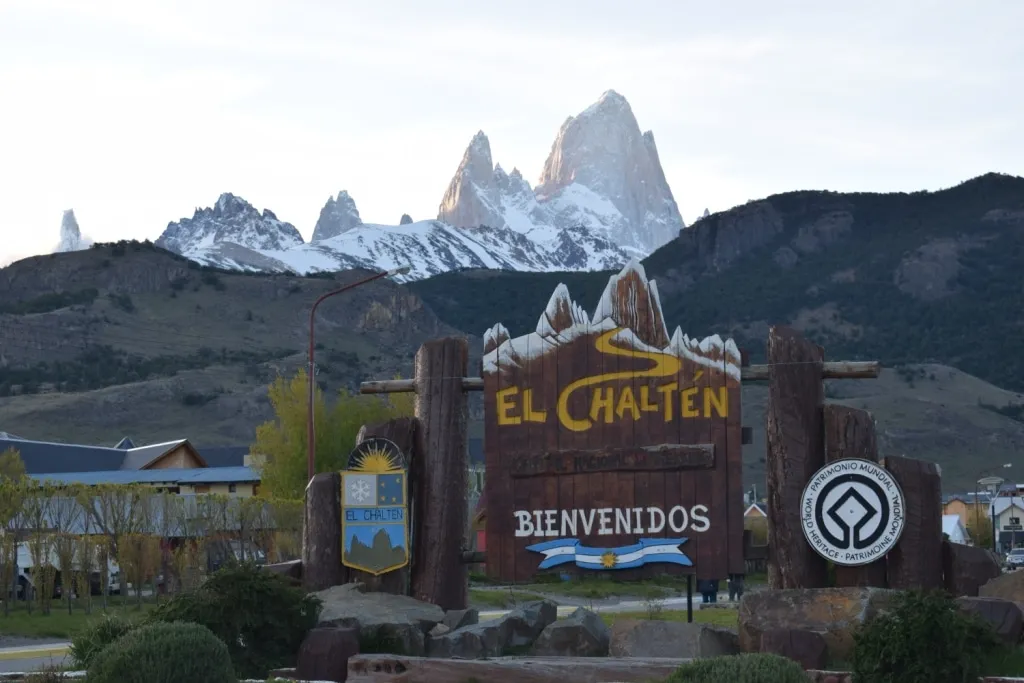 Patagonia Trekking Tour: El Calafate & El Chaltén
El Calafate, El Chaltén, Fitz Roy, Cerro Torre, Laguna de los Tres, Laguna Torre, Perito Moreno Glacier, Southern Patagonian Ice Field
 Patagonia Photo Tour
El Chaltén, El Calafate, Fitz Roy, Laguna de los Tres, Laguna Torre, Cerro Torre, Loma del Pliegue del Tumbado, Patagonia
 Argentina Herping Expedition
Buenos Aires, Iguazú Falls, Puerto Iguazú, Misiones, San Sebastián de la Selva, Iberá Wetlands, Posadas
 Patagonia Penguins Tour
Puerto Deseado, Peninsula Valdés, Ushuaia, Tierra del Fuego
Trips by Destination
In the following sections, you'll find tours focused on the main region you want to visit. They include traditional & thematic tours, interesting articles, and relevant information.
- Argentina
Custom-Made Experiences by Locals
 Patagonia
Custom-Made Experiences by Locals
 Chile
Custom-Made Experiences by Locals
 Northwest Argentina Holidays
Custom-Made Experiences by Locals
 Travel to Antarctica
Custom-Made Experiences by Locals
Tours by Travel Style
In the following sections, you'll find tours focused on the main region you want to visit. They include traditional & thematic tours, interesting articles, and relevant information. If your interest is focusing mainly in Chile or Antarctica, please visit our Chile and Antarctica sections.
 Classic Journeys
 Road Trips
 Hiking Adventures
 Wildlife Experiences
 Luxury Escapes
 Foodies
 Honeymoon
 Family Travel
 Cruises