Orcas in Patagonia: Where and When to See Killer Whales
Orcas in Patagonia belong to a fascinating species: the killer whale is the largest member of the dolphin family. These remarkable marine mammals are found in oceans around the world, from the…
Orcas in Argentina: A Unique Wildlife Experience in Península Valdés
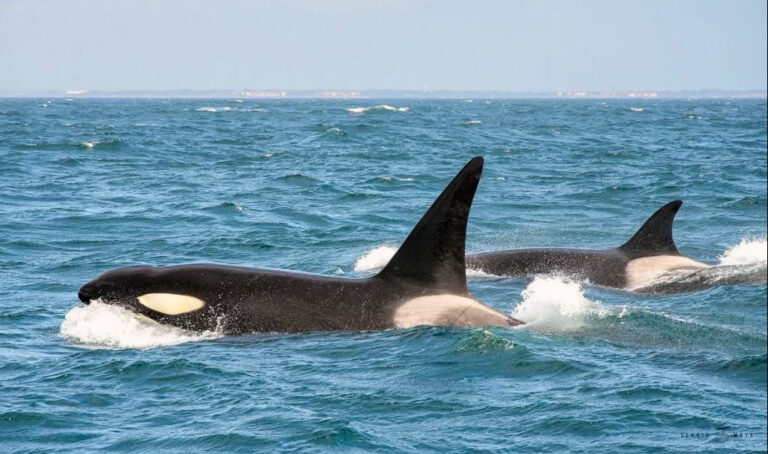
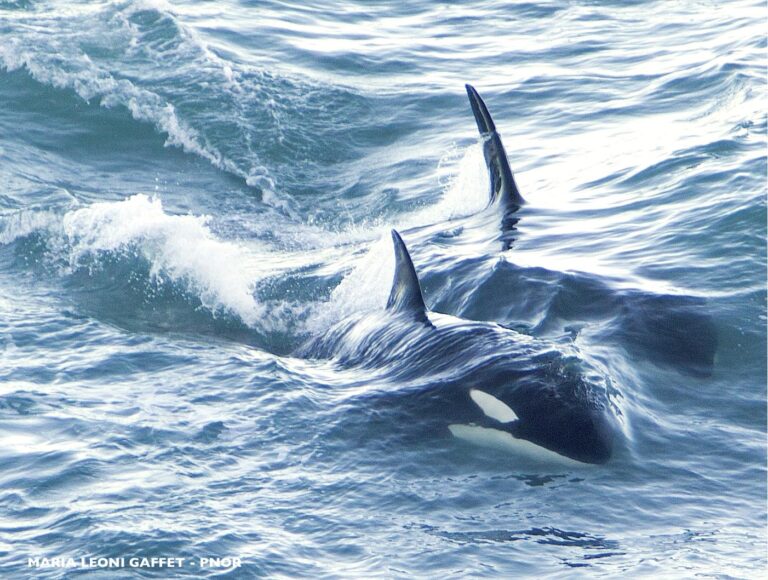
Orcas in Patagonia belong to a fascinating species: the killer whale is the largest member of the dolphin family. These remarkable marine mammals are found in oceans around the world, from the Arctic to Antarctica, with different populations developing distinct behaviors and hunting strategies. Although all orcas belong to the same species, they have adapted to different environments and prey over time. Along the Argentine coast, the well-studied orca population of Península Valdés is known for its distinctive hunting behavior, including intentional beaching to catch sea lion pups. Orcas can be observed seasonally along the Patagonian coast, offering visitors a rare opportunity to witness one of the most spectacular wildlife behaviors in the wild.
Where Is the Best Place for Orca Whale Watching in Argentina?
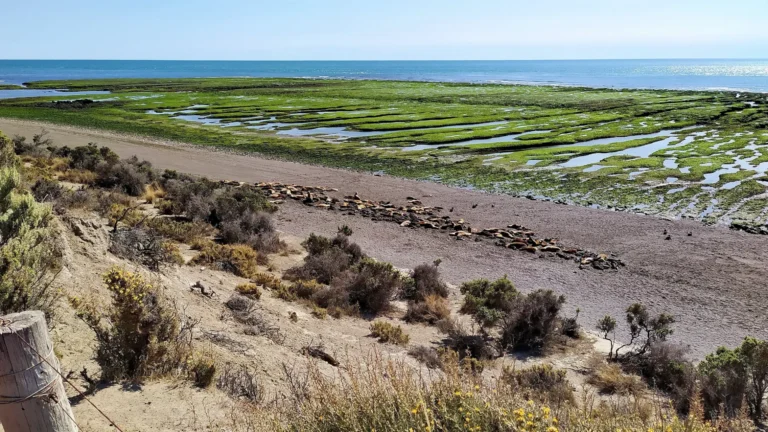
Península Valdés in Argentina is one of the world's best-known destinations for observing orcas in the wild. In particular, Punta Norte and Caleta Valdés offer remarkable opportunities to witness these powerful predators during their seasonal hunting periods. For travelers interested in Orcas in Patagonia, this unique region provides a rare chance to observe their fascinating behavior along the Patagonian coast.
Why Is Península Valdés So Special for Orca Watching?
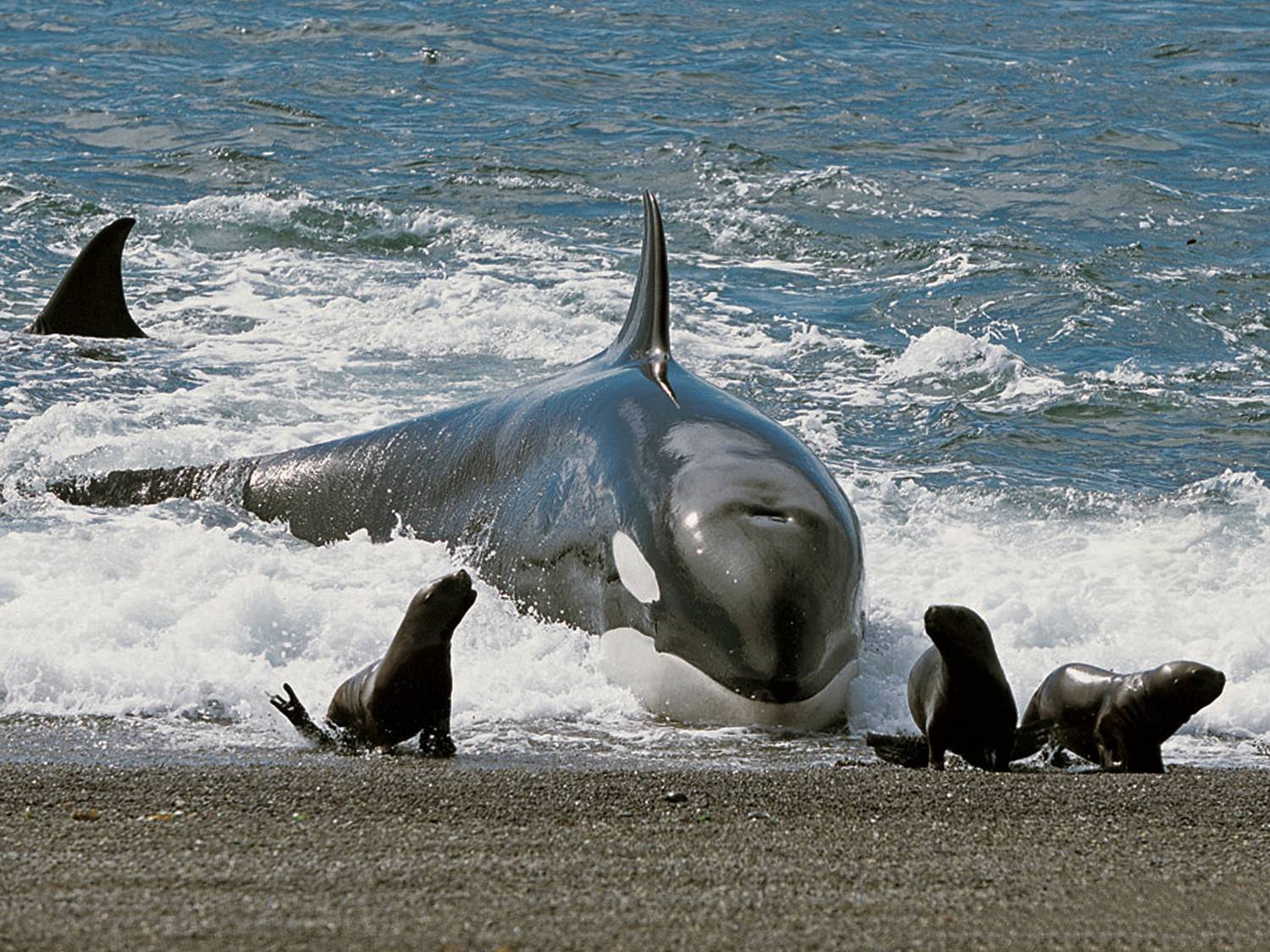
As mentioned earlier, the Argentine Sea is home to a small, well-studied population of orcas organized into several family groups. One fascinating characteristic of Orcas in Patagonia is their matriarchal social structure, in which older females play an important role in guiding and teaching younger members of the group. At Península Valdés, orcas are famous for a remarkable hunting technique known as intentional beaching, in which they deliberately strand themselves on the shore to catch sea lion pups before returning to the water. This behavior is particularly fascinating because it is socially learned and passed from one generation to the next, with younger orcas observing experienced hunters. Although intentional beaching has been documented elsewhere, the technique practiced by the orcas of Península Valdés is especially distinctive and has become one of Argentina's most extraordinary wildlife spectacles.
What Is Intentional Stranding? Orcas’ Unique Hunting Technique
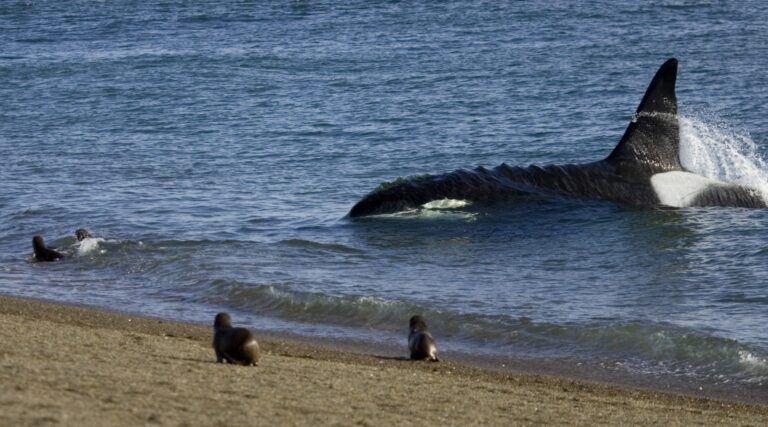
The intentional beaching hunting technique is one of the remarkable ways orcas hunt at Península Valdés. Orcas live in family groups called pods and move along the coastline in search of prey, particularly sea lion pups during the breeding season. When they identify a potential target close to shore, an orca may launch its body onto the beach to capture the prey, sometimes becoming almost completely stranded on the sand. It then uses powerful body movements and the incoming waves to return to the sea. This risky technique is socially learned, with experienced adult orcas teaching younger members how to perform it. For Orcas in Patagonia, this extraordinary behavior is passed from one generation to the next, making the population of Península Valdés particularly fascinating to observe.
Matriarchal Groups: Why Orcas Are Exceptionally Intelligent
Orcas belong to the dolphin family and are the largest members of this group. Adult males typically measure around 6–8 meters and can weigh up to 6 tons, while females generally reach 5–7 meters and weigh around 3–4 tons. Their lifespan varies, with females generally living longer than males. As apex predators, orcas have no natural predators and use powerful jaws lined with large, conical teeth to capture a wide variety of prey. As mentioned earlier, orcas live in family groups called pods, made up primarily of related individuals that communicate through distinctive vocalizations and may have complex matrilineal social structures. Not all orcas use intentional stranding, and those that regularly practice this technique at Península Valdés are sometimes referred to as “stranders.” Another important ability used by Orcas in Patagonia and elsewhere is echolocation, which involves producing clicks and interpreting the returning echoes to detect and locate objects and prey underwater. Orcas have also been observed creating waves to wash seals or sea lions off ice floes, demonstrating just how adaptable and sophisticated their hunting strategies can be.
When Is the Best Time of Year for Orca Whale Watching?
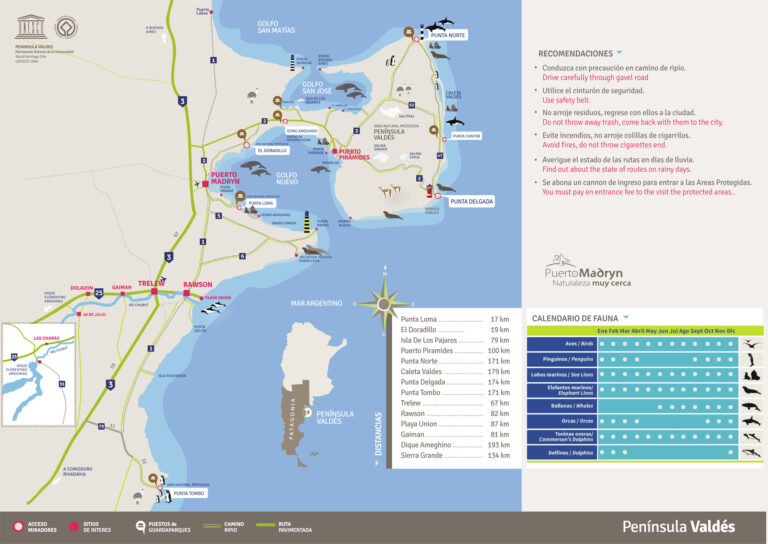
Orca whale watching in Península Valdés is unpredictable, but there are two key periods when your chances of witnessing their famous hunting behavior are generally better: around March and April at Punta Norte, and around October and November near the sea lion and elephant seal colonies. Spring is also an exceptional time for wildlife in Península Valdés, with large numbers of penguins, whales, seabirds, elephant seals, and sea lions gathering along the coast. For travelers hoping to see Orcas in Patagonia, the most important factors are the season, tides, location, and animal activity. At Punta Norte, intentional beaching is associated with rising tides, and the best opportunities can occur around specific high-tide periods. Because conditions change daily, it is advisable to arrive several hours before high tide and remain afterward rather than relying on an exact viewing time. Before heading out, travelers can check the Península Valdés Daily Report for updated tide information and recommendations on the best areas for wildlife watching.
At Punta Norte, access to the beach is prohibited, helping protect both wildlife and visitors. Instead, visitors can observe the coastline from designated viewpoints and trails above the beach, where experienced guides and travelers wait for the right conditions. A private wildlife tour offers the advantage of coordinating your visit around tides and local wildlife activity, while self-driving provides greater flexibility if you are comfortable monitoring conditions yourself. Punta Norte has basic visitor facilities, including parking and restrooms, although services can be limited, so it is wise to arrive prepared and allow plenty of time for wildlife watching.
Why Are Orcas Called Killer Whales?
The orca (Orcinus orca) is a cetacean and the largest member of the dolphin family (Delphinidae). Despite commonly being called “killer whales,” orcas are technically dolphins. The name is thought to derive from observations by ancient sailors of these powerful predators hunting whales, with the original expression often translated as “whale killer.” Despite their formidable reputation, Orcas in Patagonia pose no natural threat to humans, with no confirmed record of a wild orca intentionally killing a person. Documented fatal attacks involving humans have occurred in captivity, while encounters between orcas and people in the wild are extremely rare.
Best Places to Stay in Península Valdés for Orca Watching
There are two main places to stay when planning orca watching in Península Valdés: Puerto Madryn and Puerto Pirámides. Puerto Madryn is the main gateway to the peninsula and offers a wider range of hotels, restaurants, and services, while Puerto Pirámides is the main settlement within Península Valdés and is closer to the key wildlife-watching areas. From Puerto Madryn, both Caleta Valdés and Punta Norte are approximately 168 km away, while from Puerto Pirámides, the distance is around 73 km. Travelers looking for a more exclusive experience can also stay at selected estancias within the peninsula, offering a quieter setting surrounded by Patagonia’s remarkable wildlife and landscapes.
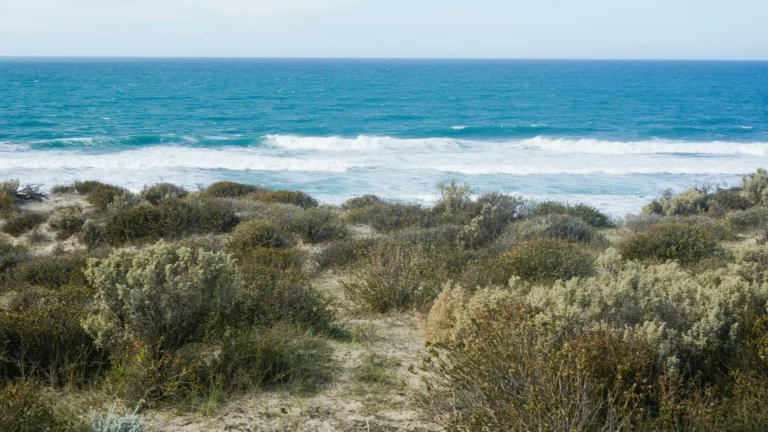
Orca whale watching is just one of Argentina’s unforgettable wildlife experiences. A trip to Península Valdés can be combined with iconic Patagonian destinations such as Ushuaia, El Calafate, El Chaltén, and Bariloche. Wildlife lovers can also discover pumas, penguins, endemic alligators, and native birds across Argentina and Chile. Beyond Patagonia, Argentina’s Highlights include the vineyards of Mendoza, the colorful landscapes of Northwest Argentina, Iguazú Falls, and vibrant Buenos Aires.
Let's plan your personalized experience
Beyond BA Latam is a local travel agency based in Argentina that designs personalized tours in Argentina, Chile and Antarctica. We are very proud to work with a knowledgeable team capable to design trips based on your interests and traveling style. We are able to bring you a different and more enjoyable experience.
Related Articles
 Peninsula Valdes
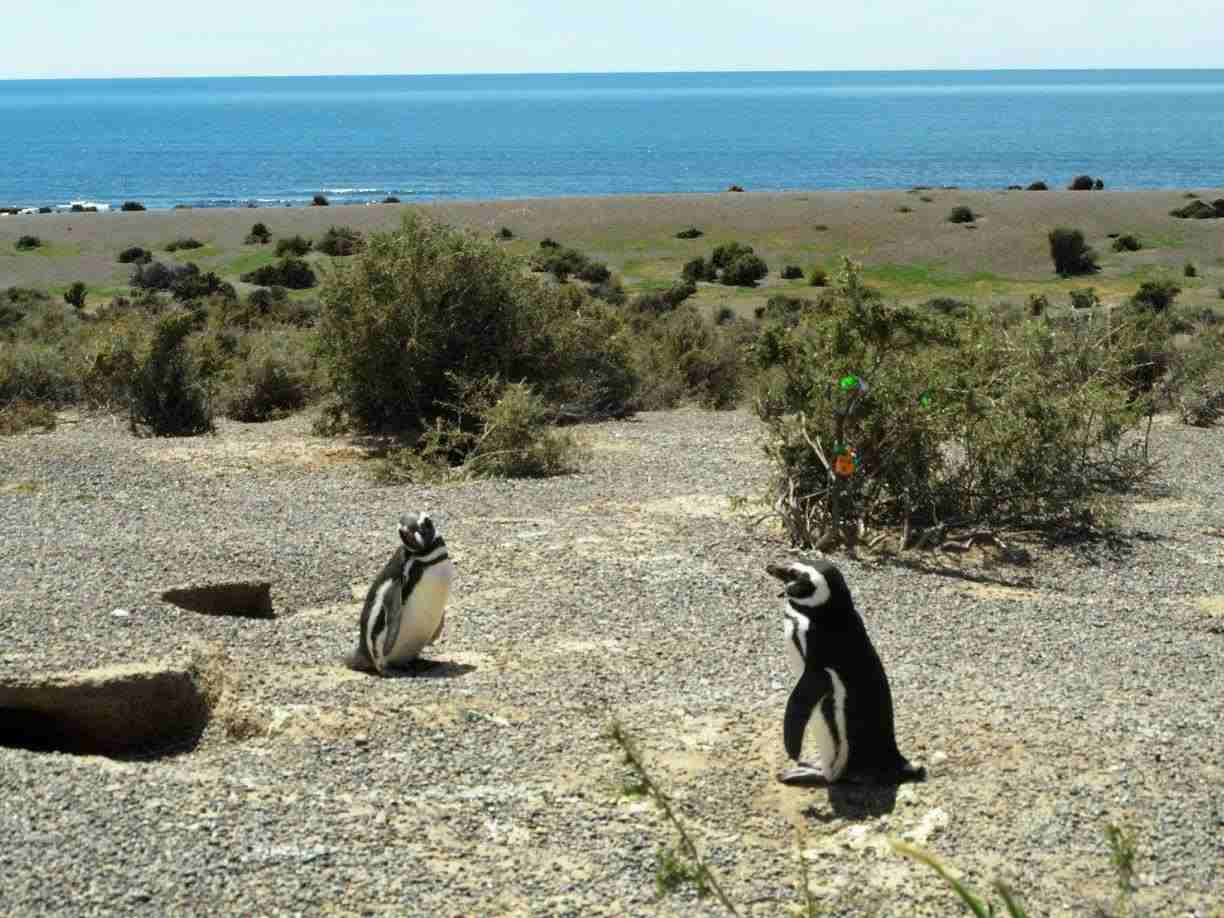
Peninsula Valdés, located on the Patagonian Atlantic coast of Argentina in Chubut Province, is a natural sanctuary renowned for its diverse wildlife and breathtaking landscapes. This UNESCO World…
 Sea Lions in Argentina
 are among the most fascinating marine animals found along the country's extensive Atlantic coastline. From the rugged shores of Patagonia to the famous Península Valdés, these…
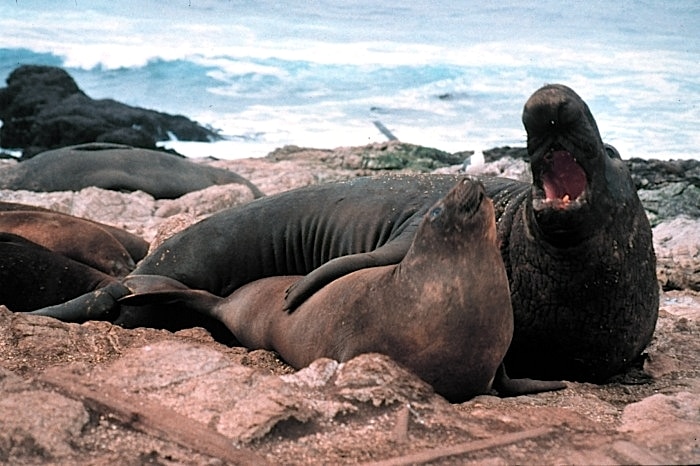 Southern Elephant Seal (Mirounga leonina)
The Southern Elephant Seal (Mirounga leonina) is the largest pinniped (seal or sea lion) and the largest carnivorous mammal with fur in the world. It is also one of the most impressive animals you can…
 Fauna Calendar in Puerto Madryn: Plan Your Unforgettable Wildlife Encounter
The Fauna Calendar in Puerto Madryn is a useful guide to understanding Puerto Madryn wildlife and planning a wildlife-focused trip to Patagonia, as different species follow distinct seasonal…
- Sea Animals of Patagonia
Patagonia’s stunning coastline is home to an extraordinary diversity of marine wildlife. From majestic whales to adorable penguins, the region is a paradise for nature lovers and wildlife enthusiasts.…
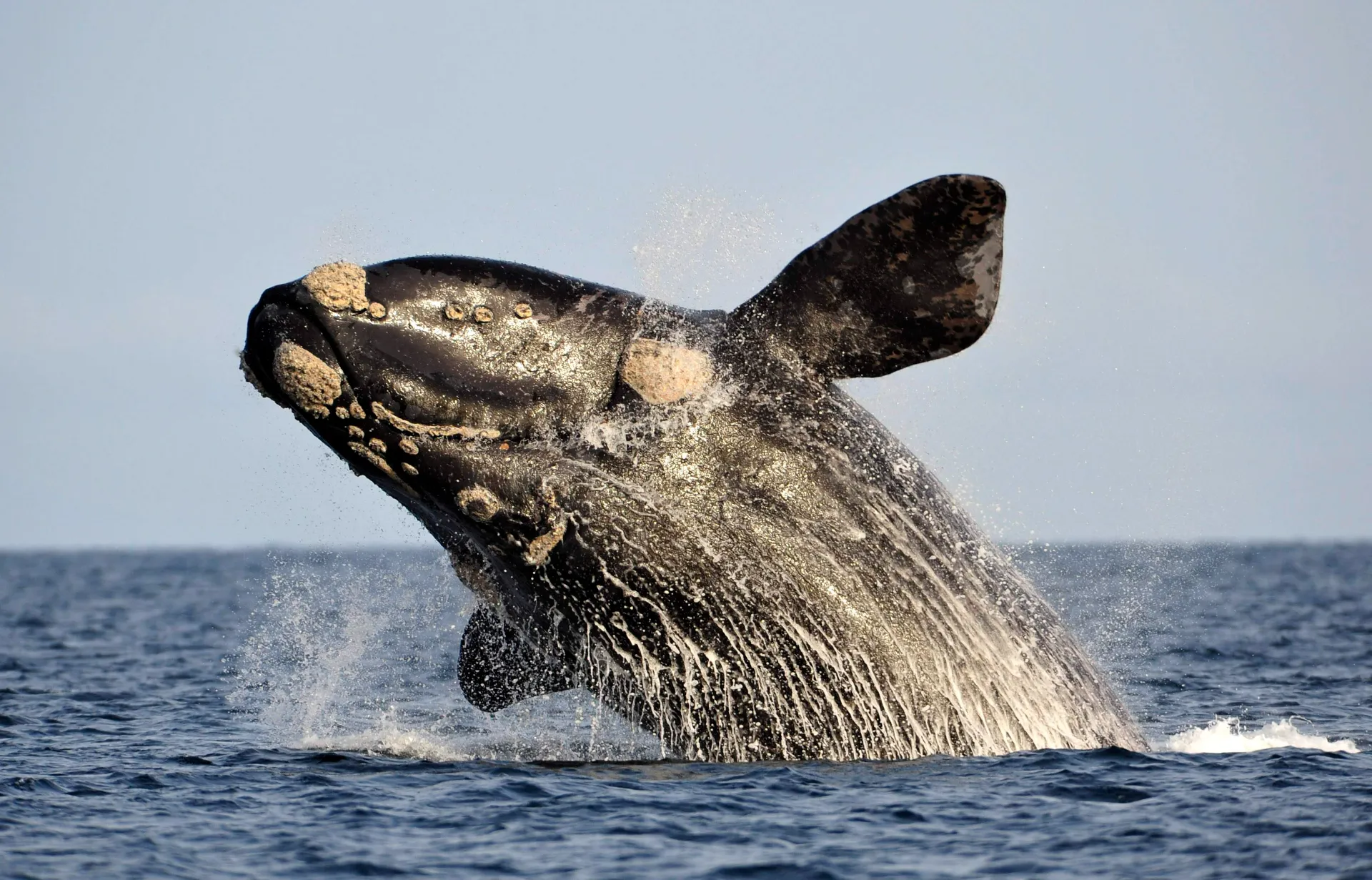
 Southern Right Whale
The Southern Right Whale is one of the most captivating marine animals you can encounter along Argentina’s Atlantic coast. Known for its graceful movements and playful displays, this gentle giant…
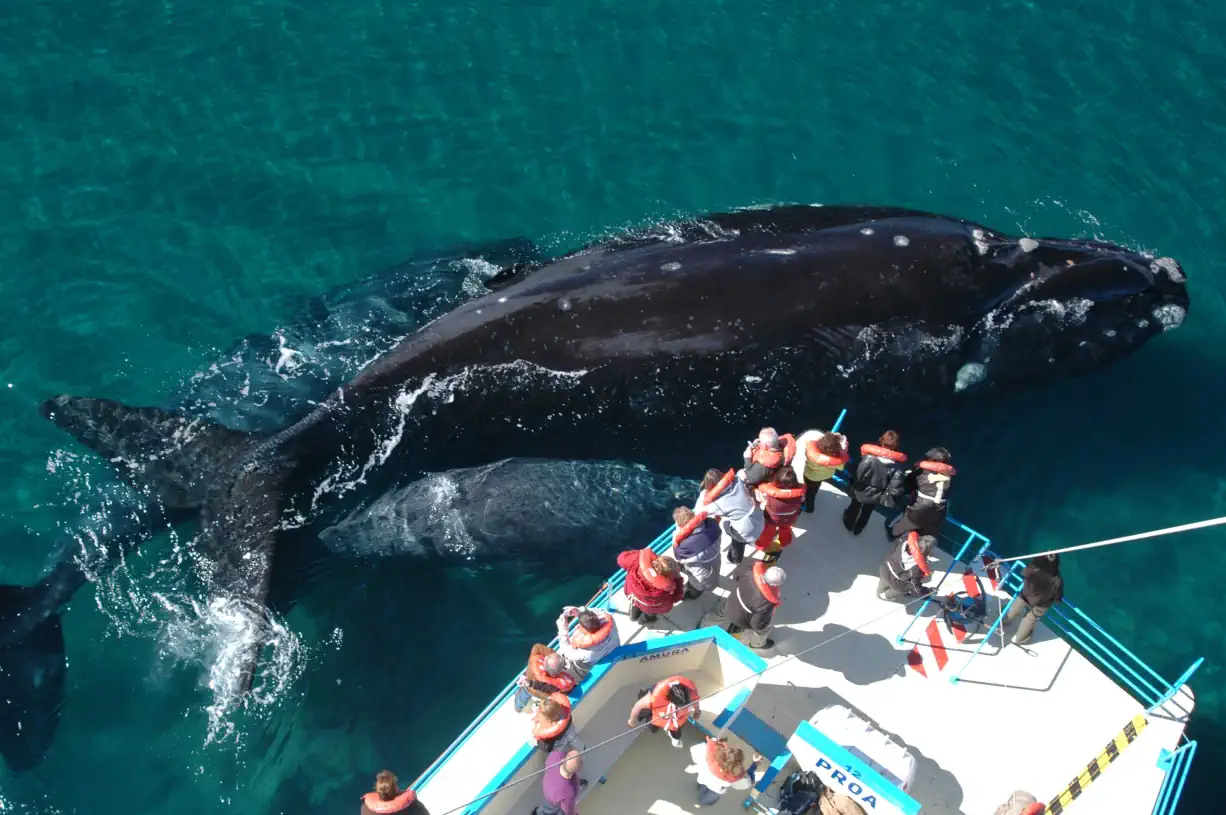
 Whale Watching in Puerto Madryn: An Unforgettable Wildlife Experience
A close encounter with nature in one of Patagonia’s most extraordinary wildlife destinations is right at your fingertips. That's the easiest way to describe Whale Watching in Puerto Madryn, but…
Inspiring Tours
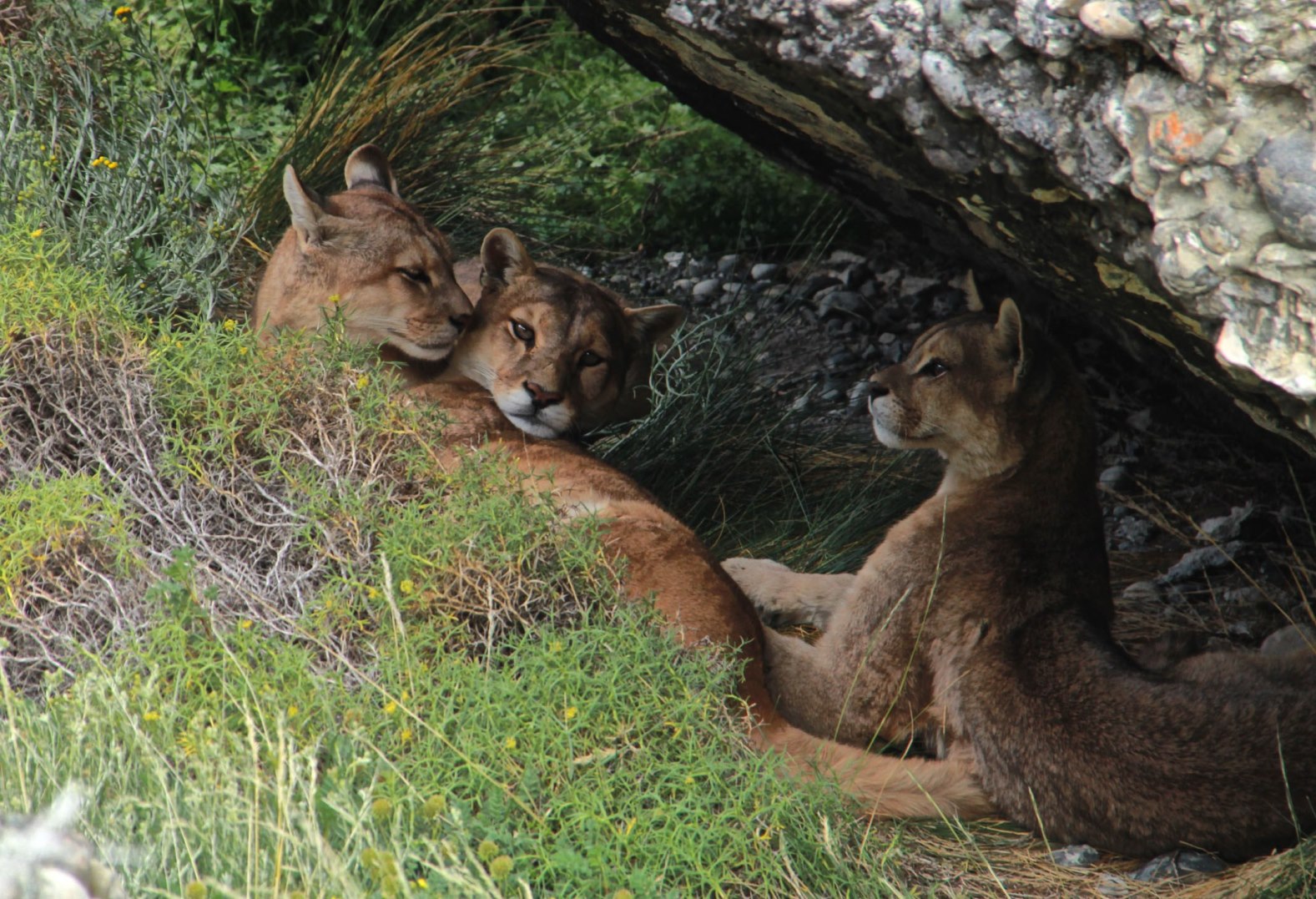 Patagonia Wildlife Safari
Peninsula Valdés, Puerto Madryn, El Calafate, Torres del Paine National Park & Puerto Natales
 Wildlife: Peninsula Valdes, the Wetlands & Iguazu Falls
Buenos Aires, Peninsula Valdés, Iberá Wetlands, Iguazú Falls
 Patagonia Penguins Tour
Puerto Deseado, Peninsula Valdés, Ushuaia, Tierra del Fuego
Trips by Destination
In the following sections, you'll find tours focused on the main region you want to visit. They include traditional & thematic tours, interesting articles, and relevant information.
 Argentina
Custom-Made Experiences by Locals
 Patagonia
Custom-Made Experiences by Locals
 Chile
Custom-Made Experiences by Locals
 Northwest Argentina Holidays
Custom-Made Experiences by Locals
 Travel to Antarctica
Custom-Made Experiences by Locals
Tours by Travel Style
In the following sections, you'll find tours focused on the main region you want to visit. They include traditional & thematic tours, interesting articles, and relevant information. If your interest is focusing mainly in Chile or Antarctica, please visit our Chile and Antarctica sections.
 Classic Journeys
 Road Trips
 Hiking Adventures
 Wildlife Experiences
 Luxury Escapes
 Foodies
 Honeymoon
 Family Travel
 Cruises