Argentina Landscapes: A Guide to Its Natural Wonders
Argentina’s landscapes can make a single trip feel like a journey through several worlds. From La Quiaca near the Bolivian border to Ushuaia in Tierra del Fuego, a road journey of more than 4,300…
A Journey Across a Land of Contrasts
Argentina’s landscapes can make a single trip feel like a journey through several worlds. From La Quiaca near the Bolivian border to Ushuaia in Tierra del Fuego, a road journey of more than 4,300 kilometres connects strikingly different environments. If you haven’t visited Argentina yet, discovering its remarkable natural diversity is the perfect place to start. This guide explores Argentina’s main landscapes and ecosystems, helping you find the places that inspire you and plan your own Argentine adventure with us!
The Puna: High-Altitude Deserts and Salt Flats
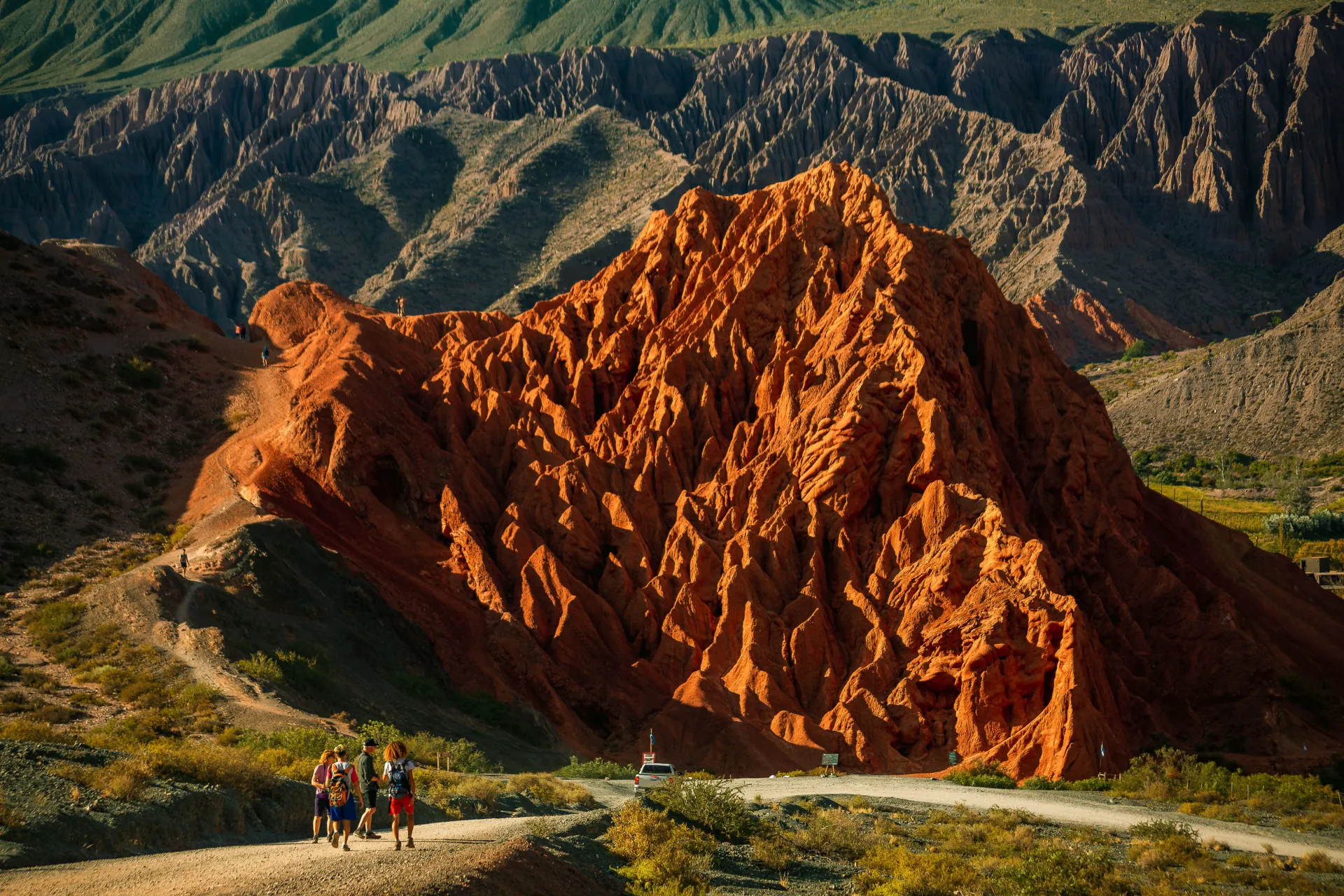
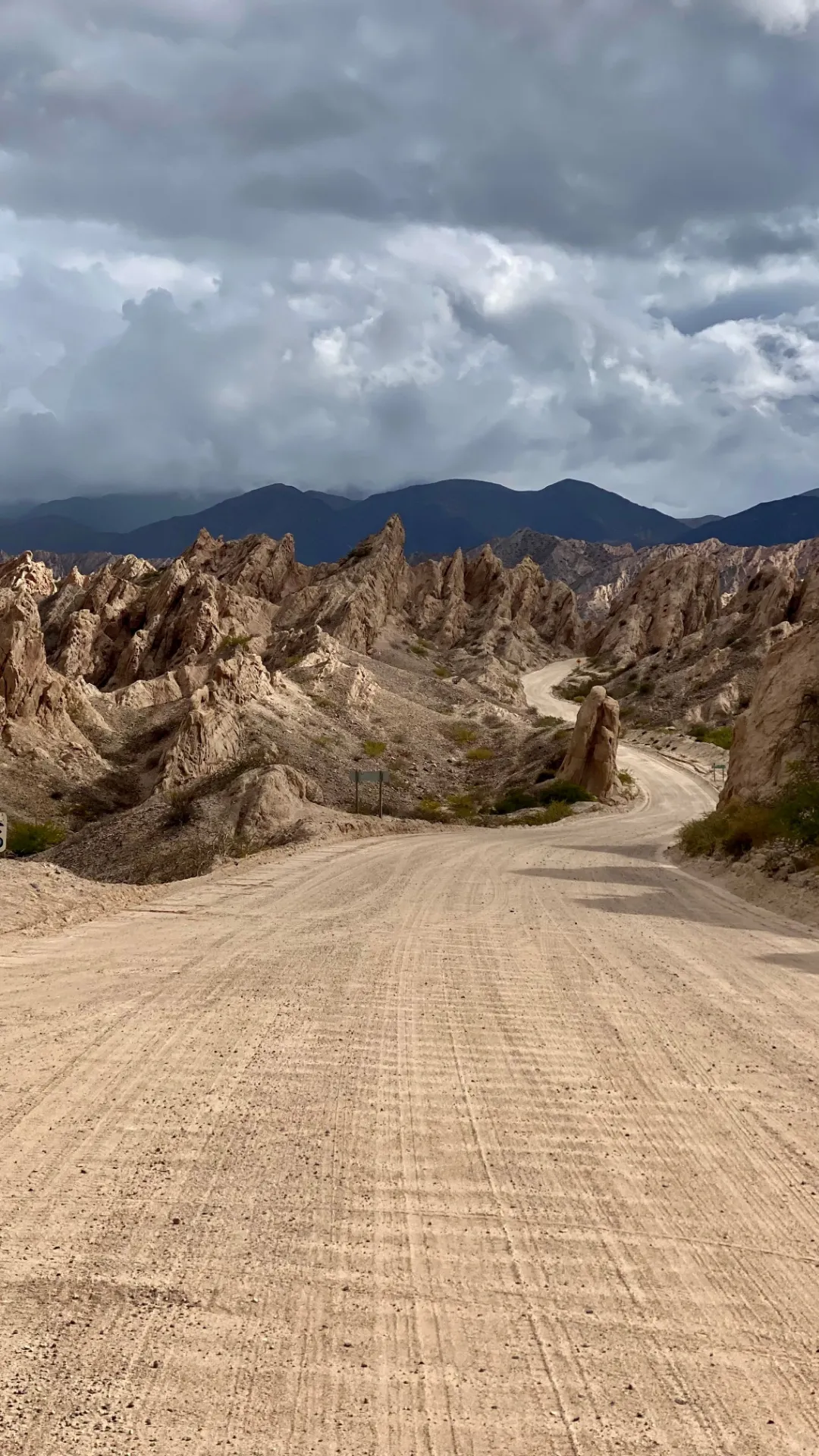
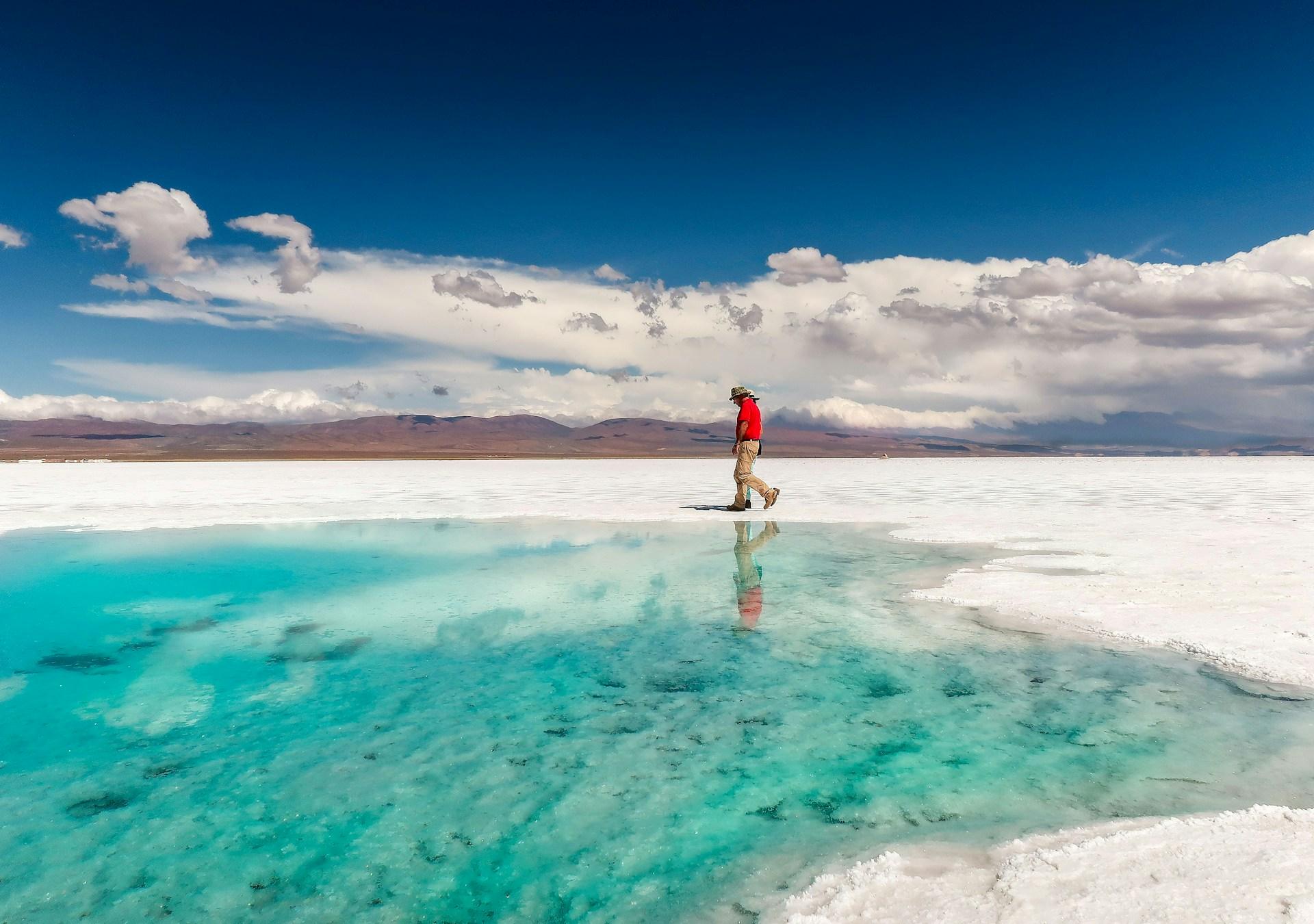
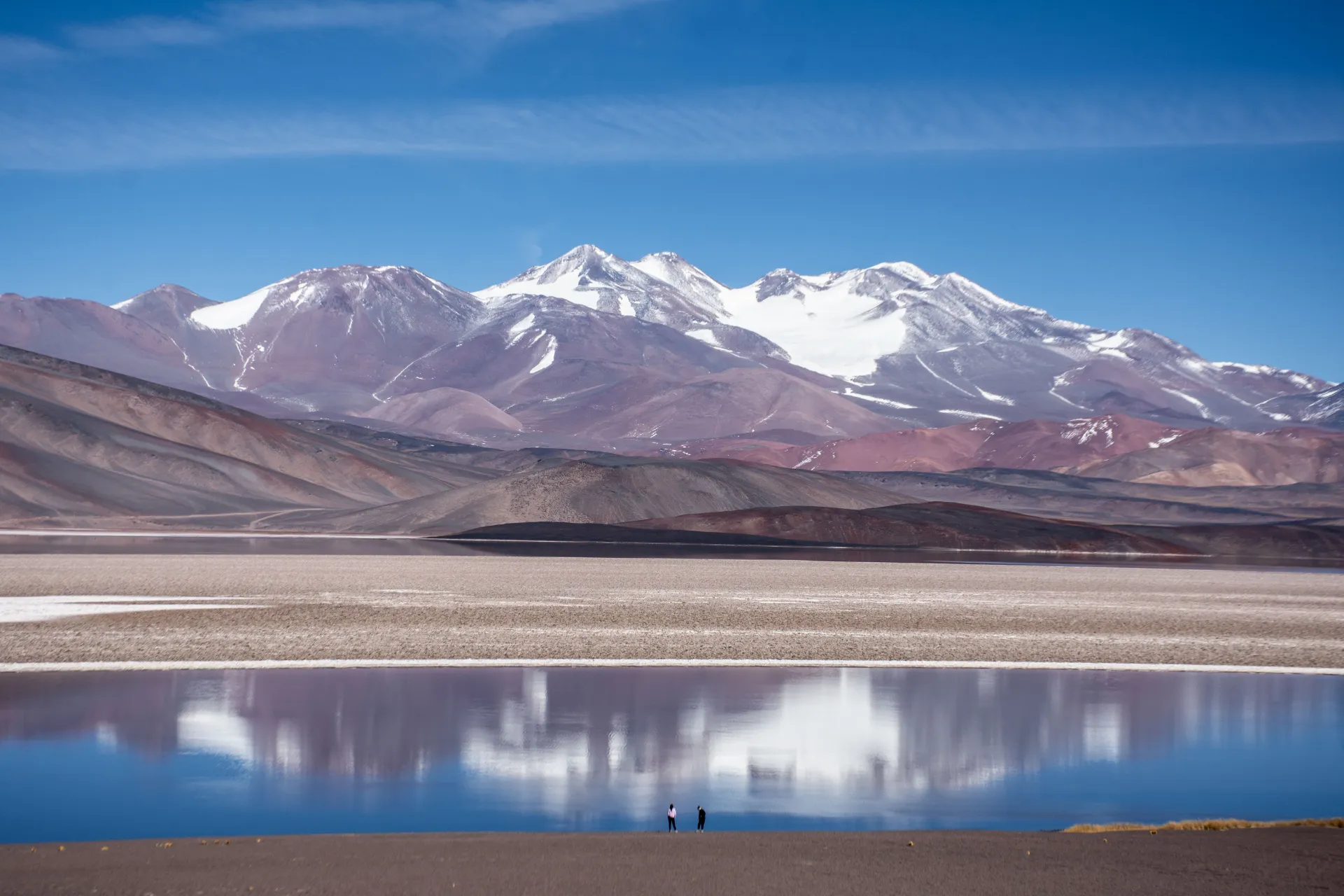
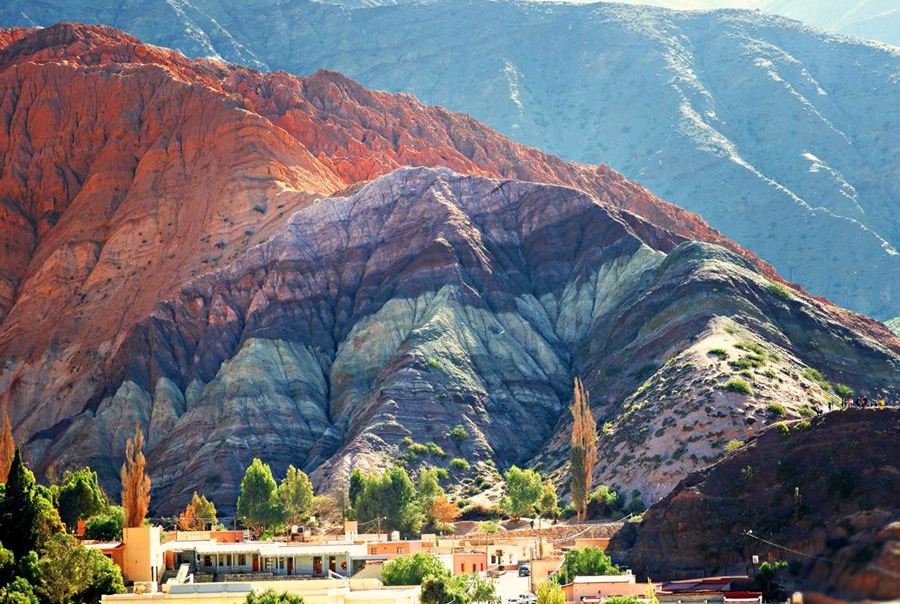
In Northwestern Argentina, the Puna reveals an immense high-altitude landscape of arid plateaus, volcanoes, and salt flats. Sparse vegetation survives harsh conditions, while vicuñas roam the plains and flamingos gather in saline lagoons. In Jujuy and Salta, Salinas Grandes and the surrounding highlands offer a striking introduction to this environment. Nearby, the multicoloured mountains of the Quebrada de Humahuaca add another dimension to the region’s scenery.
The Yungas: Mountain Forests
Along the eastern Andean slopes, the Yungas forests provide a lush contrast to the dry northwest. Moisture carried by clouds supports dense vegetation, with forests changing as the altitude rises. Found in parts of Jujuy, Salta, Tucumán, and Catamarca, these environments shelter diverse birds and mammals. Calilegua National Park is one place to discover their forest trails and rich wildlife.
The Atlantic Forest: Subtropical Jungle and Iguazú Falls
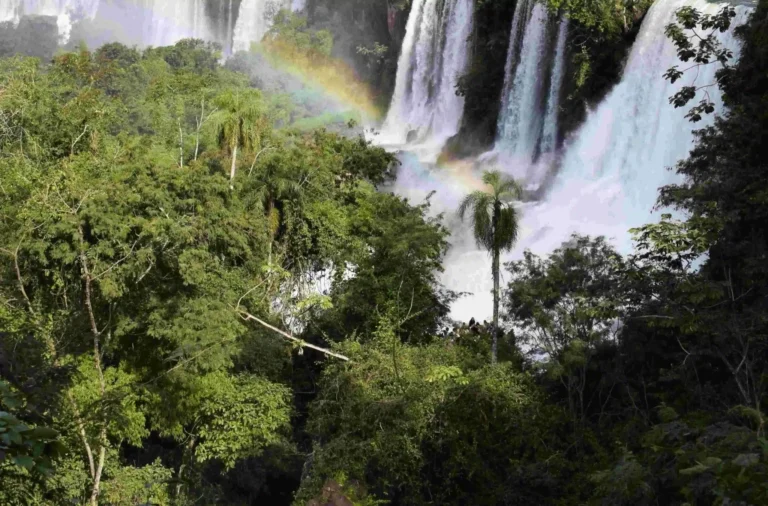
In Misiones, the Atlantic Forest, locally known as the Selva Misionera, thrives in a warm, humid climate. Towering trees, climbing plants, and thick vegetation create habitat for toucans, monkeys, and elusive jaguars. Within this forest, Iguazú Falls provides one of Argentina’s most spectacular sights, while surrounding trails invite visitors to look beyond the waterfalls and discover the jungle itself.
The Gran Chaco: Dry Forests and Savannas
Across northern Argentina, the Gran Chaco brings together dry forests, thorny shrubs, palm savannas, and seasonally flooded areas. Its dry and humid regions support different habitats, shaped by variations in rainfall and seasonal flooding. Giant anteaters, armadillos, and peccaries are among its inhabitants, making this an important part of Argentina’s natural diversity.
The Wetlands: Iberá and the Paraná Delta
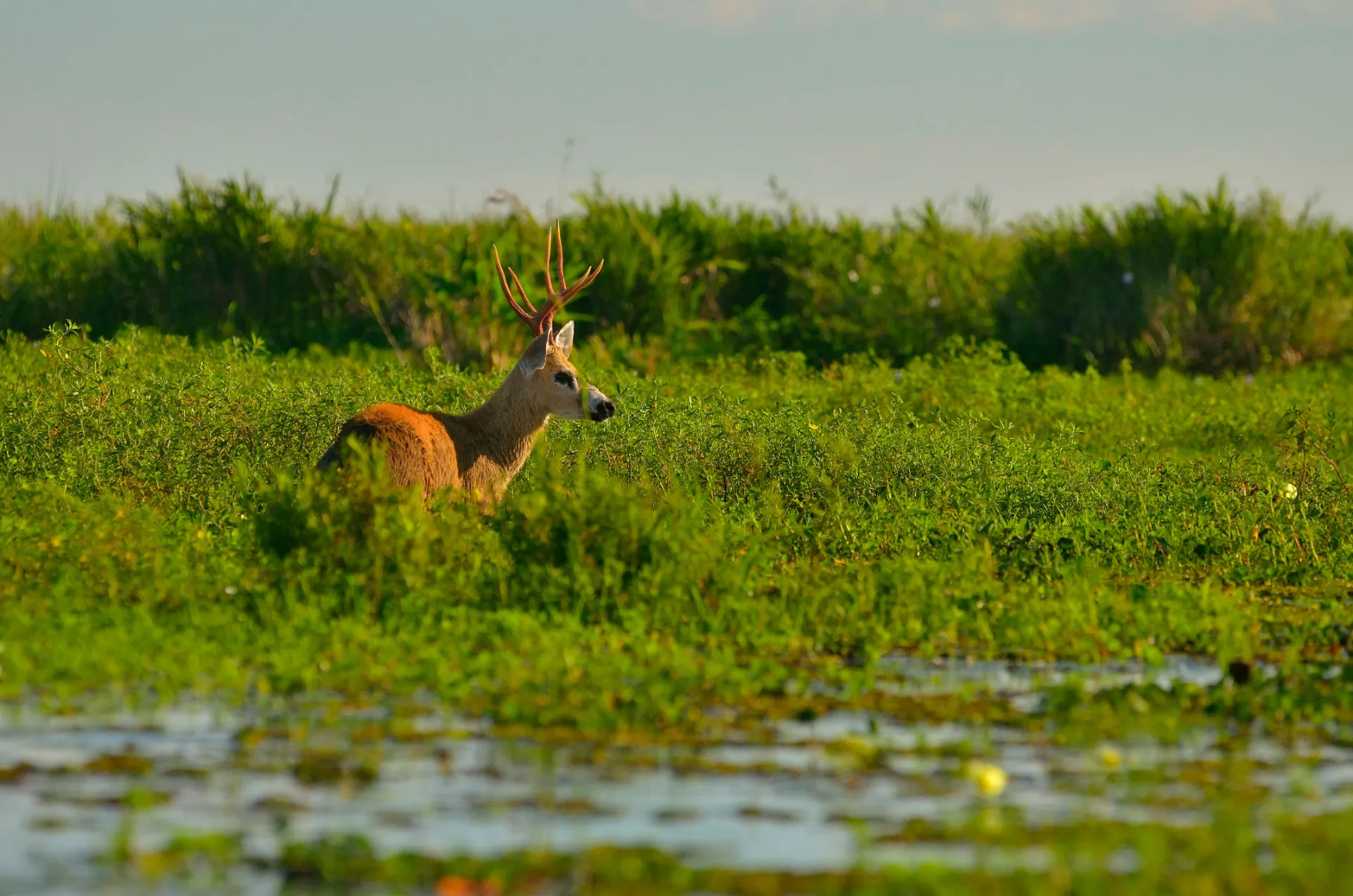
Argentina’s wetlands are environments where water shapes both the scenery and daily life. In the Iberá Wetlands, marshes, lagoons, and floating vegetation provide shelter for capybaras, caimans, marsh deer, and numerous birds. Farther south, the Paraná Delta forms a network of islands and waterways. Although they are distinct ecological regions, both offer opportunities to explore habitats closely connected to changing water levels.
The Monte: Arid Shrublands, Volcanoes and Wine Valleys
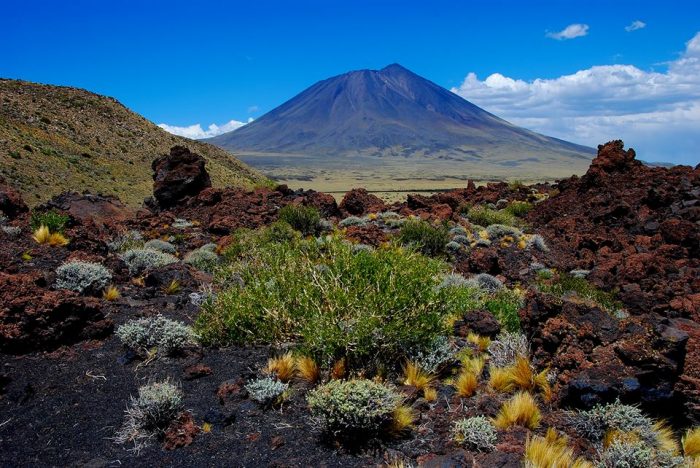
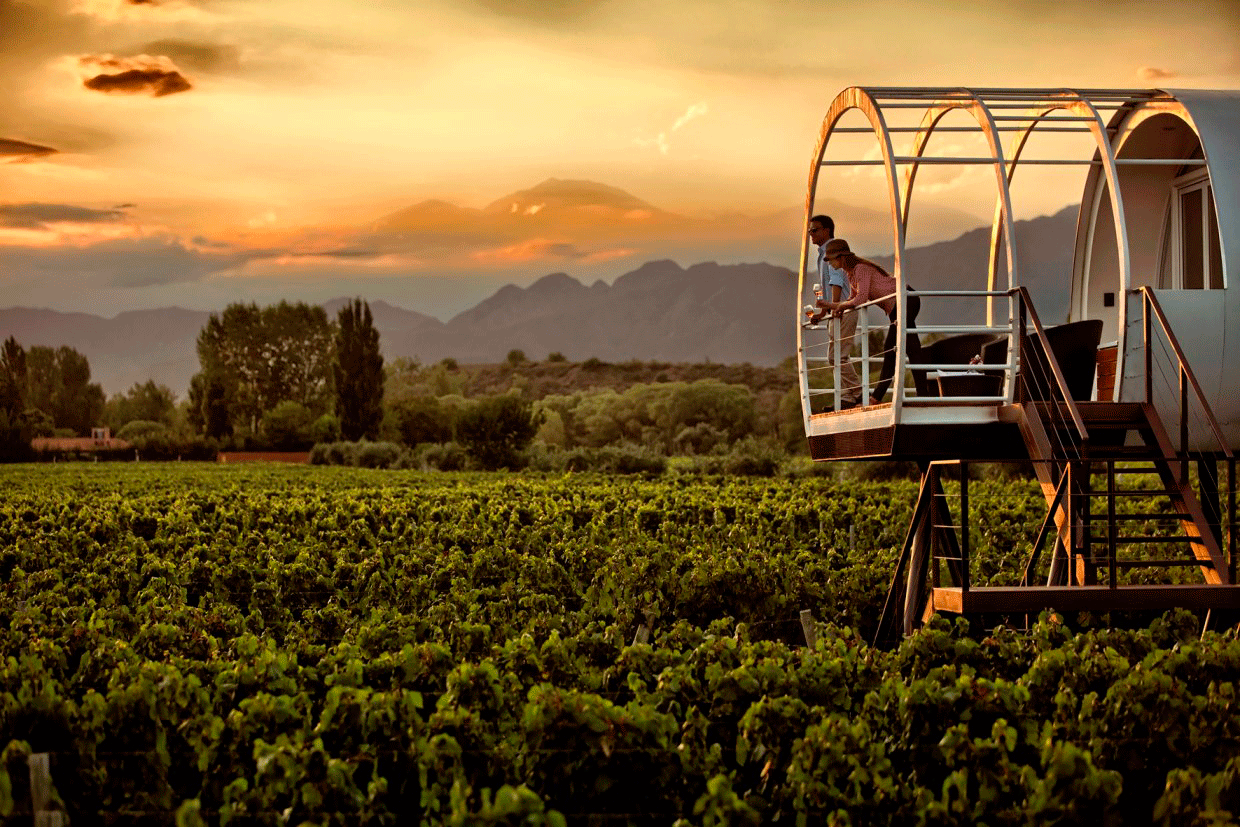
Across parts of western Argentina, the Monte is characterised by dry shrublands, limited rainfall, and vegetation adapted to conserve water. Its different environments include mountain valleys, plains, and plateaus. In Mendoza, La Payunia adds a striking volcanic landscape, with volcanic cones, lava flows, and dark plains. In irrigated areas, this arid setting also supports Argentina’s wine regions, where sunshine, elevation, and carefully managed water supplies help vineyards thrive. These cultivated valleys sit within a much broader natural dryland environment.
The High Andes: Life Above the Treeline
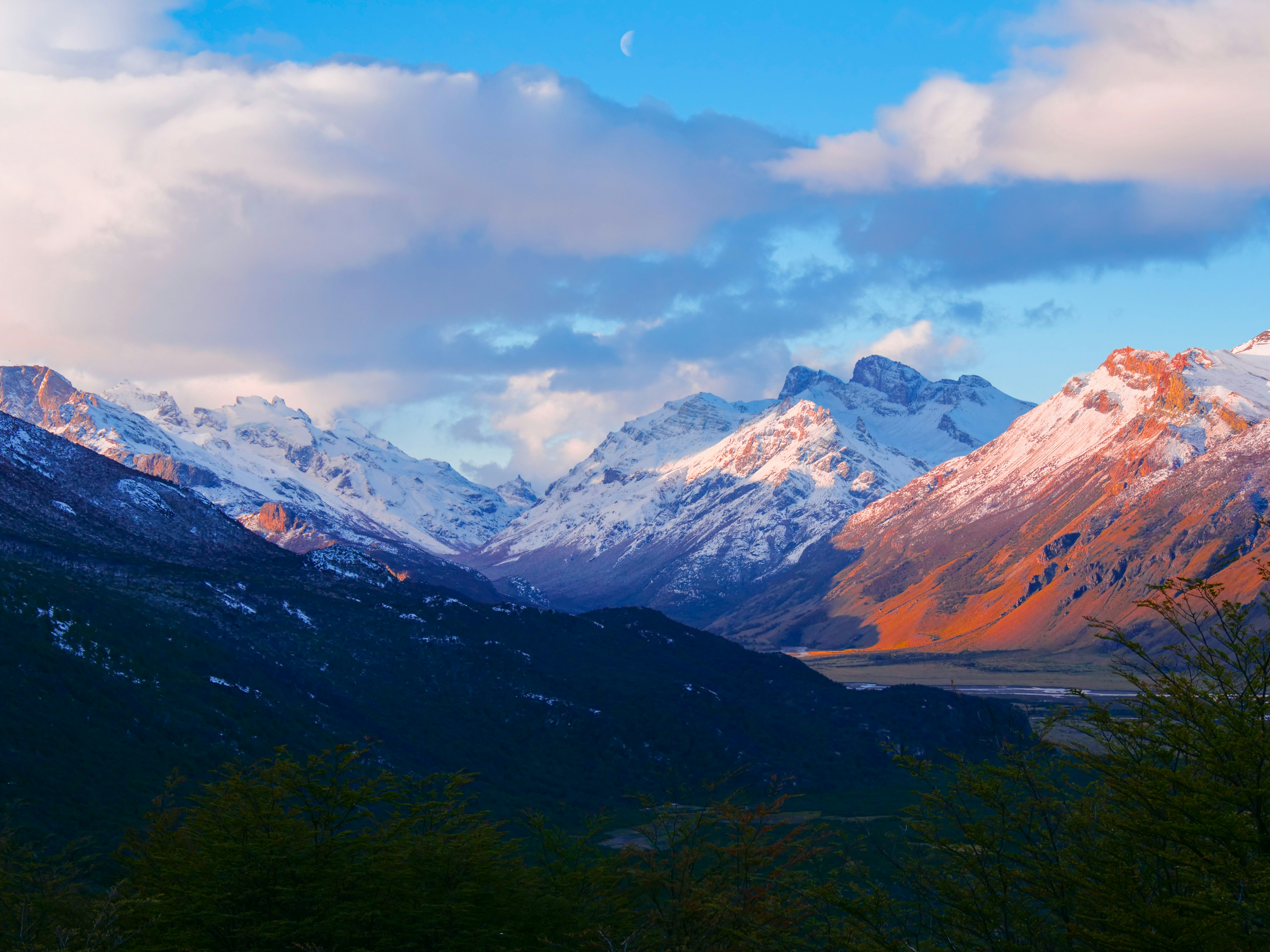
Along Argentina’s western edge, the high Andes feature rocky slopes, cold conditions, and vegetation that becomes increasingly sparse with elevation. Hardy grasses and low-growing plants survive in sheltered areas, while Andean condors soar above the mountains. In Mendoza, Aconcagua, the highest mountain in the Americas, stands as one of the region’s most iconic landmarks. Snow-covered peaks and high mountain valleys make this environment especially striking, although conditions vary considerably from north to south.
The Espinal and Pampas: Open Woodlands and Vast Grasslands
The Espinal and the Pampas reveal two connected yet distinct environments in central and eastern Argentina. The Espinal forms a broad arc of open woodlands, savannas, and grasslands around parts of the Pampas, with native trees such as algarrobos and caldenes growing among grasses and shrubs. Beyond these woodlands, the Pampas stretch across vast plains with seemingly endless horizons. Although agriculture and livestock farming have transformed much of the region, remaining natural habitats shelter grassland birds, pampas deer, and other native wildlife. These plains are also closely associated with estancia life and Argentina’s gaucho traditions.
The Andean Patagonian Forests: Lakes and Native Woodland
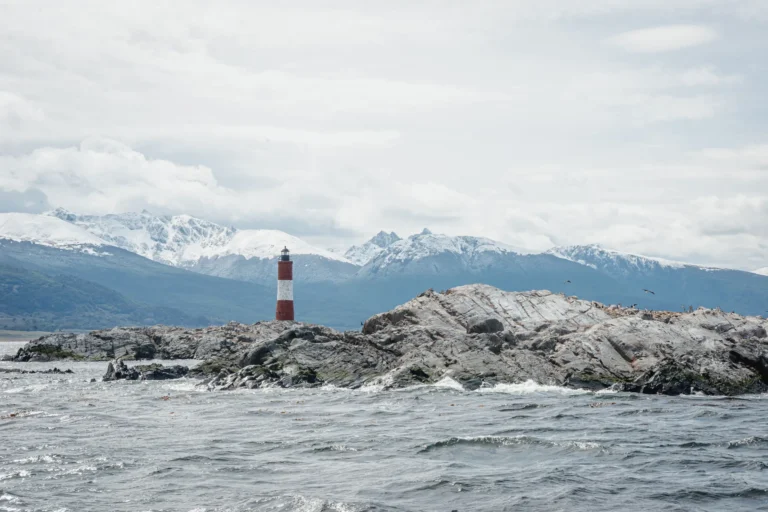
Along western Patagonia, greater rainfall supports Andean Patagonian forests of southern beech and other native trees. Around destinations such as Bariloche, San Martín de los Andes and Esquel, these forests frame clear lakes, rivers, and mountain trails. They also extend farther south, where woodland meets colder, rugged terrain near glaciers and the mountains of Tierra del Fuego.
The Patagonian Steppe: Open Plains and Hardy Wildlife
East of the Andean forests, the Patagonian steppe stretches across immense plateaus and open plains. Strong winds and low rainfall favour low shrubs and tough grasses. Guanacos, lesser rheas, and foxes are among the animals adapted to these conditions. Its wide skies and distant horizons reveal a quieter side of Patagonia, beyond its famous lakes and peaks.
The Ecotone: Where Forest Meets Steppe
The Patagonian ecotone is a transition zone where moist Andean forests gradually give way to the dry steppe. Trees become more scattered, and patches of woodland alternate with grassland and shrubs. This meeting of ecosystems helps explain how Patagonia’s scenery changes from west to east, creating opportunities to observe contrasting environments within a relatively short distance.
The Atlantic Coast: Marine and Coastal Ecosystems
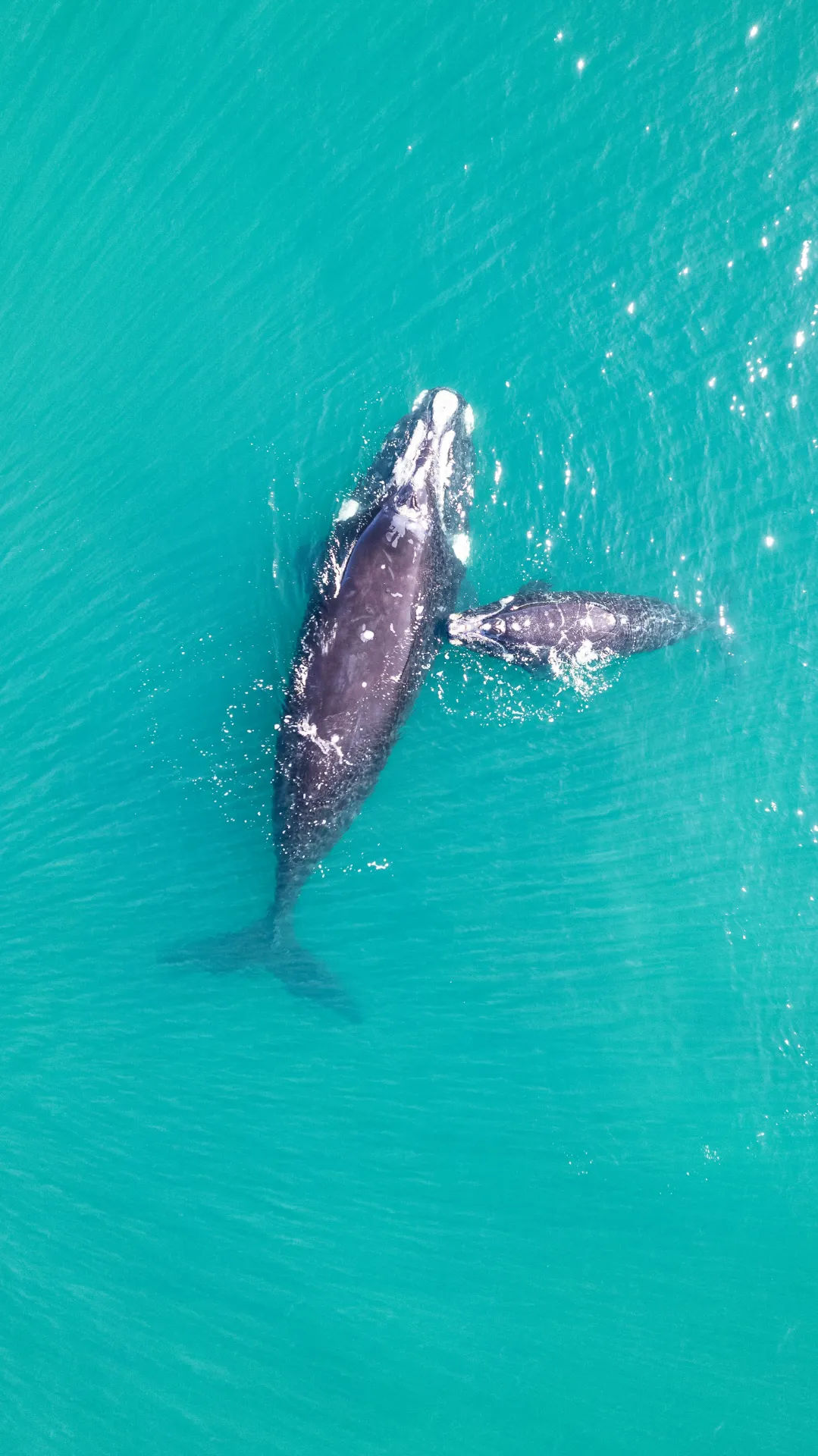
Along Argentina’s Atlantic coast, beaches, cliffs, tidal flats, and coastal waters support a rich variety of wildlife. In Patagonia, places such as Península Valdés are known for seasonal whale sightings, penguin colonies, and groups of sea lions and elephant seals. These coastal and marine ecosystems reveal another side of Argentina, where wildlife depends on the connection between land and ocean.
Glaciers and Icefields: Southern Patagonia’s Frozen Scenery
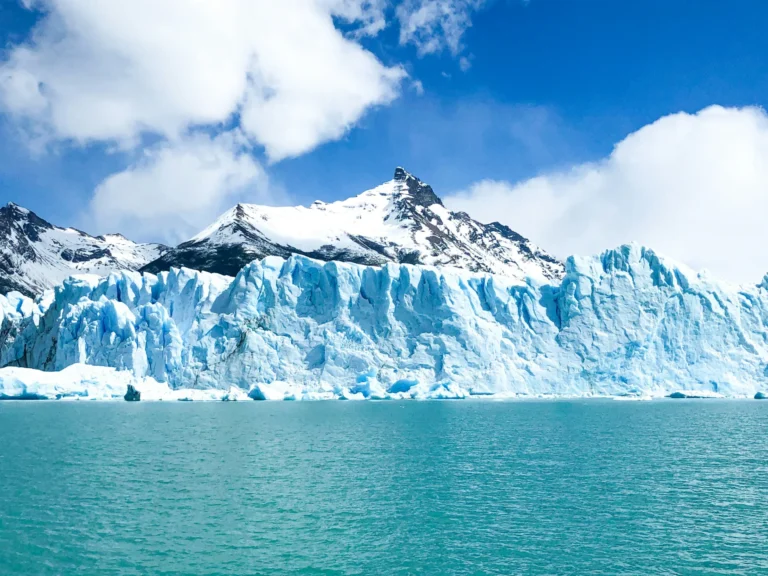
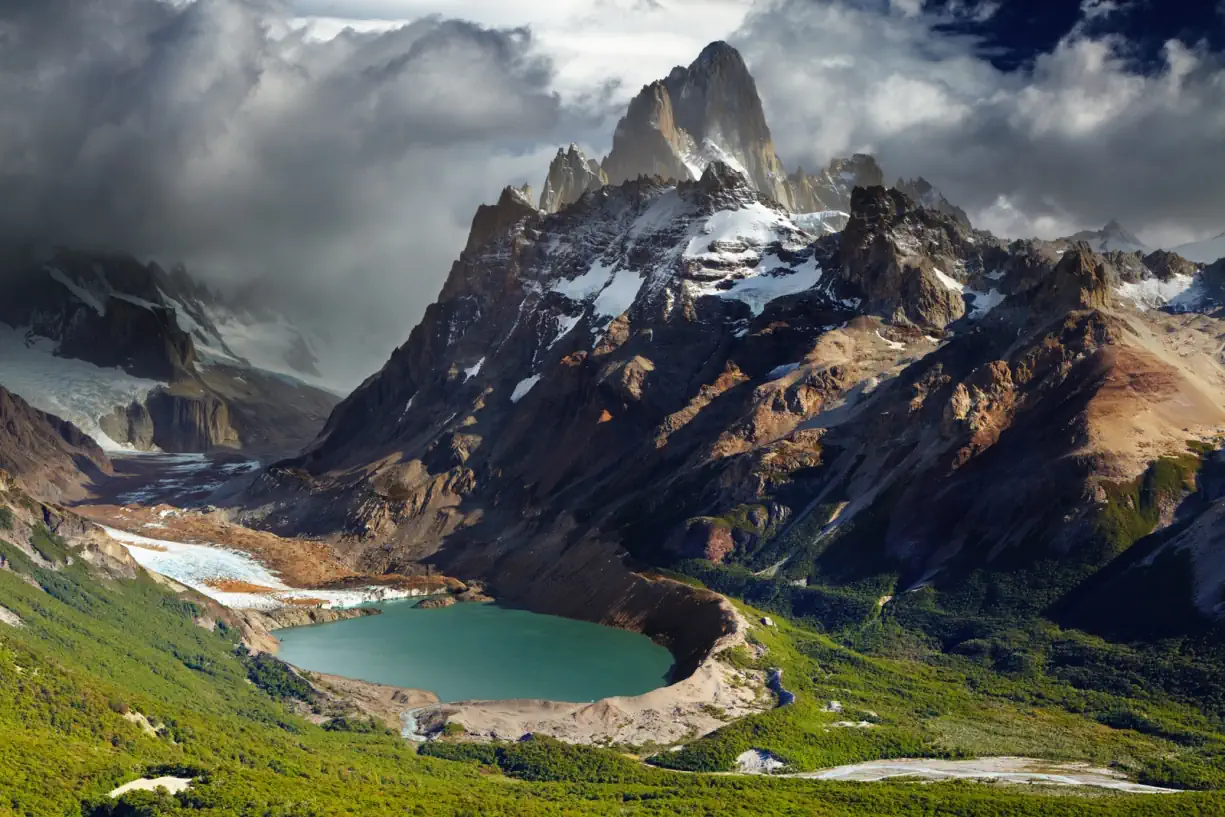
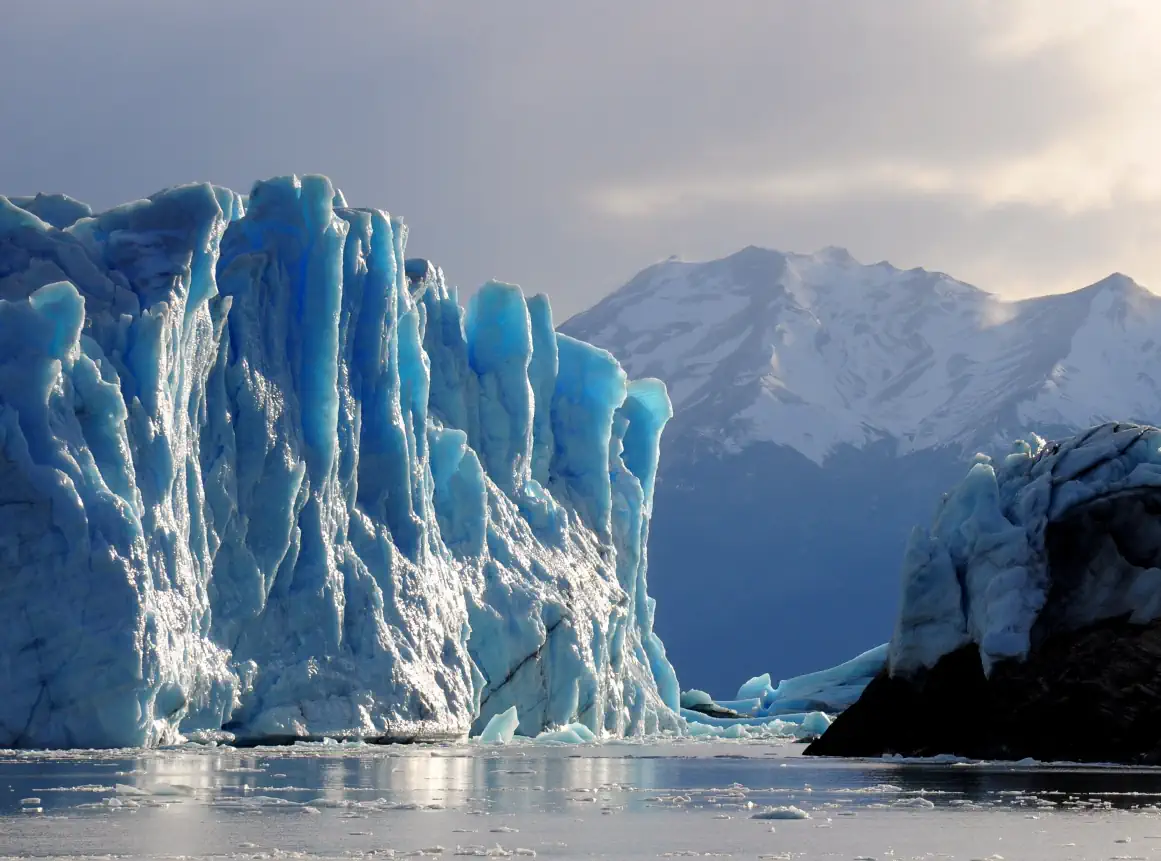
In Southwestern Patagonia, immense glaciers flow from the icefields between jagged peaks and turquoise lakes, creating some of Argentina’s most spectacular landscapes. Los Glaciares National Park is home to the renowned Perito Moreno Glacier, the vast Upsala Glacier, and the towering ice front of Spegazzini Glacier. Farther north, Viedma Glacier feeds Lake Viedma, while the dramatic silhouettes of Mount Fitz Roy and Cerro Torre rise above El Chaltén, a favourite destination for hiking in Patagonia. Together, these glaciers, lakes, and mountains offer unforgettable opportunities for scenic boat trips, photography and trekking.
Ready to Discover Argentina’s Landscapes?
From northern salt flats and lush forests to Patagonia’s glaciers and mountain trails, which part of Argentina will you explore first? We can create a personalised itinerary around your interests, preferred travel dates, and pace. Contact us to start planning your journey through Argentina’s extraordinary landscapes.
Let's plan your personalized experience
Beyond BA Latam is a local travel agency based in Argentina that designs personalized tours in Argentina, Chile and Antarctica. We are very proud to work with a knowledgeable team capable to design trips based on your interests and traveling style. We are able to bring you a different and more enjoyable experience.
Related Articles
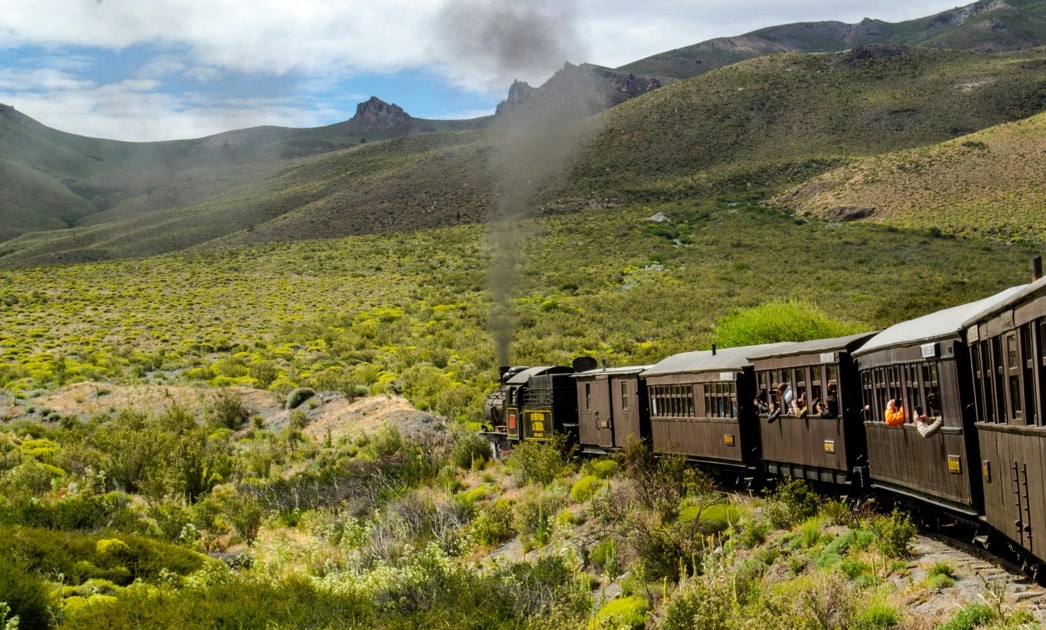 La Trochita – The Old Patagonian Express: A Journey Back in Time
In the heart of Patagonia, La Trochita—officially known as the Old Patagonian Express—invites travelers to step back in time aboard one of Argentina’s most iconic trains. Famous for its vintage…
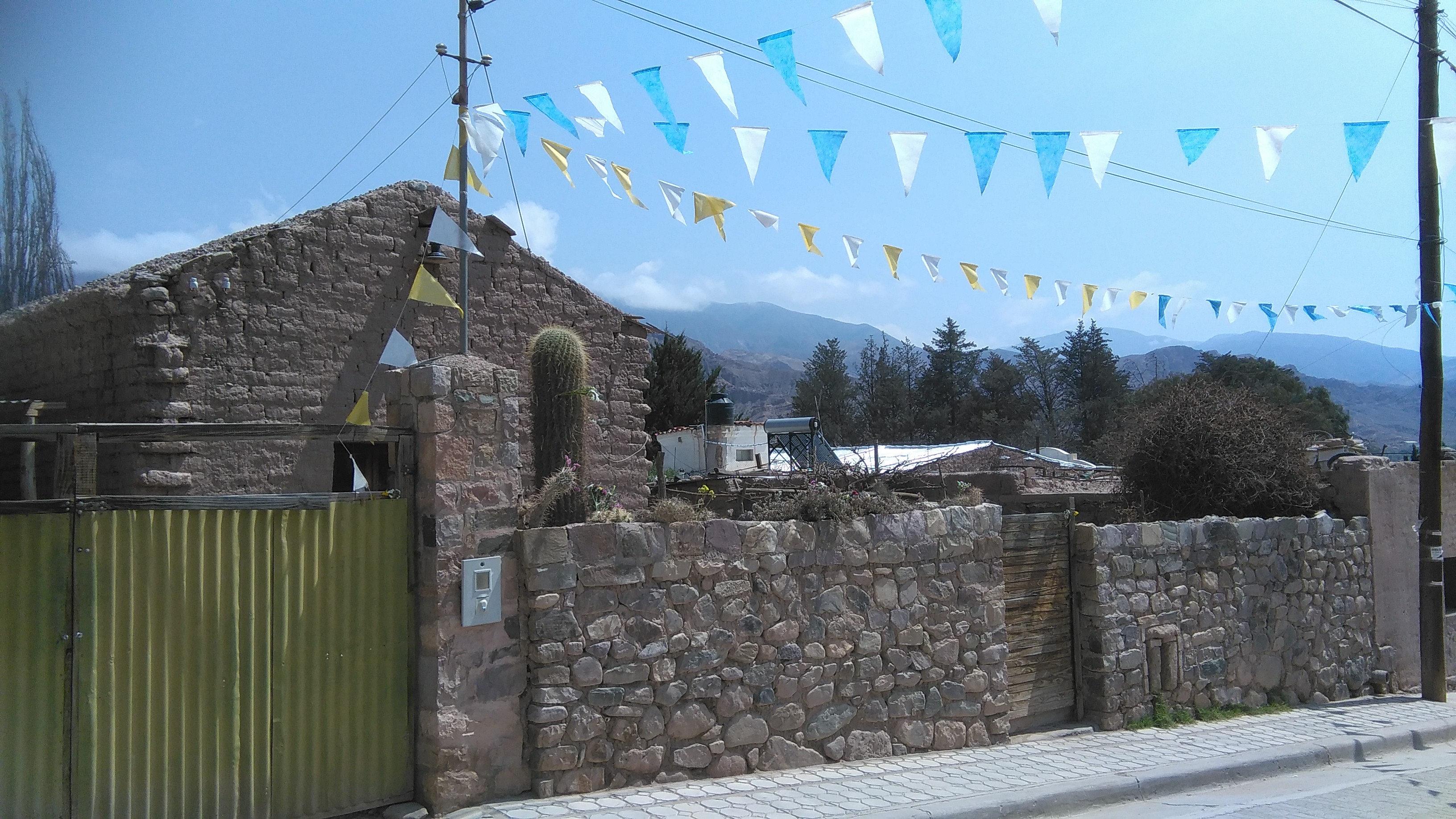 Quebrada de Humahuaca
In northwestern Argentina, the magnificent Quebrada de Humahuaca is known for its breathtaking beauty and extensive cultural history. About 150 kilometers of this canyon are enclosed by soaring…
 Northwest Argentina: Best Things to Do in Salta and Jujuy
With so many things to do in Salta and Jujuy, planning your trip can feel overwhelming, especially given the region’s vast territory, diverse attractions, and limited travel time. For a first visit…
 Things to Do in Ushuaia: The Ultimate End-of-the-World Adventure
From exploring the surrounding wilderness to sailing the Beagle Channel, the best Things to Do in Ushuaia go far beyond the city itself. Located at the southern tip of Argentina, Ushuaia is the…
- Esquel: Nature, History, and Adventure in Patagonia
Esquel is a peaceful town in Argentine Patagonia, located at the foot of the Andes and surrounded by lakes, forests, and snow-capped peaks. It’s an excellent base for exploring the stunning Los…
Inspiring Tours
 Tolar Grande and the Altiplano: 4×4 crossing
Salta - Cafayate - El Peñon - Tolar Grande - Purmamarca
 Argentina Highlights Tour
Buenos Aires - Iguazu Falls - the Northwest - El Calafate - El Chaltén - Ushuaia
 Catamarca, La Rioja, Salta, and Jujuy
La Rioja - Catamarca - Tucumán - Salta - Jujuy
 Northwest Argentina Tour: Salta & Jujuy Itinerary
Salta - Jujuy
 Patagonia Wildlife Safari
Peninsula Valdés, Puerto Madryn, El Calafate, Torres del Paine National Park & Puerto Natales
 Argentina and Chile Culture: Discover Art, Architecture & Heritage
Buenos Aires, Purmamarca, Salta, Mendoza and Santiago de Chile
 Jujuy & Salta - Hiking & Comfort
Salta - Jujuy
 Salta Road Trip and Northwest of Argentina
Salta - Jujuy
 Patagonia Highlights Tour Itinerary
Buenos Aires - Ushuaia - El Calafate - El Chaltén - Torres del Paine - Bariloche
 Holidays in Mendoza & Bariloche
Buenos Aires - Mendoza - Bariloche
 Tailor Made Holidays in Mendoza & Buenos Aires
Buenos Aires - Mendoza
 Fitz Roy Trek & W Trek - Patagonia tour
Buenos Aires, El Chaltén, El Calafate, Puerto Natales, Torres del Paine & Santiago de Chile
Trips by Destination
In the following sections, you'll find tours focused on the main region you want to visit. They include traditional & thematic tours, interesting articles, and relevant information.
- Argentina
Custom-Made Experiences by Locals
 Patagonia
Custom-Made Experiences by Locals
 Chile
Custom-Made Experiences by Locals
- Northwest Argentina Holidays
Custom-Made Experiences by Locals
 Travel to Antarctica
Custom-Made Experiences by Locals
Tours by Travel Style
In the following sections, you'll find tours focused on the main region you want to visit. They include traditional & thematic tours, interesting articles, and relevant information. If your interest is focusing mainly in Chile or Antarctica, please visit our Chile and Antarctica sections.
 Classic Journeys
 Road Trips
 Hiking Adventures
 Wildlife Experiences
 Luxury Escapes
 Foodies
 Honeymoon
 Family Travel
 Cruises